Comprehensive Guide to USCIS K-1 Visa Processing Times in 2026
As of 2026, the total USCIS K-1 visa processing time typically ranges from 12 to 18 months. This timeframe encompasses the initial I-129F petition adjudication at a USCIS service center, the transfer of the case through the National Vi...
As of 2026, the total USCIS K-1 visa processing time typically ranges from 12 to 18 months. This timeframe encompasses the initial I-129F petition adjudication at a USCIS service center, the transfer of the case through the National Visa Center (NVC), and the final interview at a U.S. Embassy or Consulate abroad.
Contents
Navigating the K-1 "fiancé(e) visa" process remains one of the most complex paths to U.S. residency. While the United States Citizenship and Immigration Services (USCIS) has implemented several efficiency measures over the last few years—including expanded digital filing and automated background checks—the sheer volume of applications and varying consulate workloads continue to dictate the speed of your case. Understanding the distinct phases of the journey is essential for managing expectations and planning your life together in the United States.
The Three Main Phases of K-1 Visa Processing
To accurately track the USCIS K-1 visa processing time, applicants must view the journey as a three-act process involving different government agencies. A delay in one phase does not necessarily mean a delay in another, but the total time is cumulative.
Phase 1: USCIS Adjudication (Form I-129F)
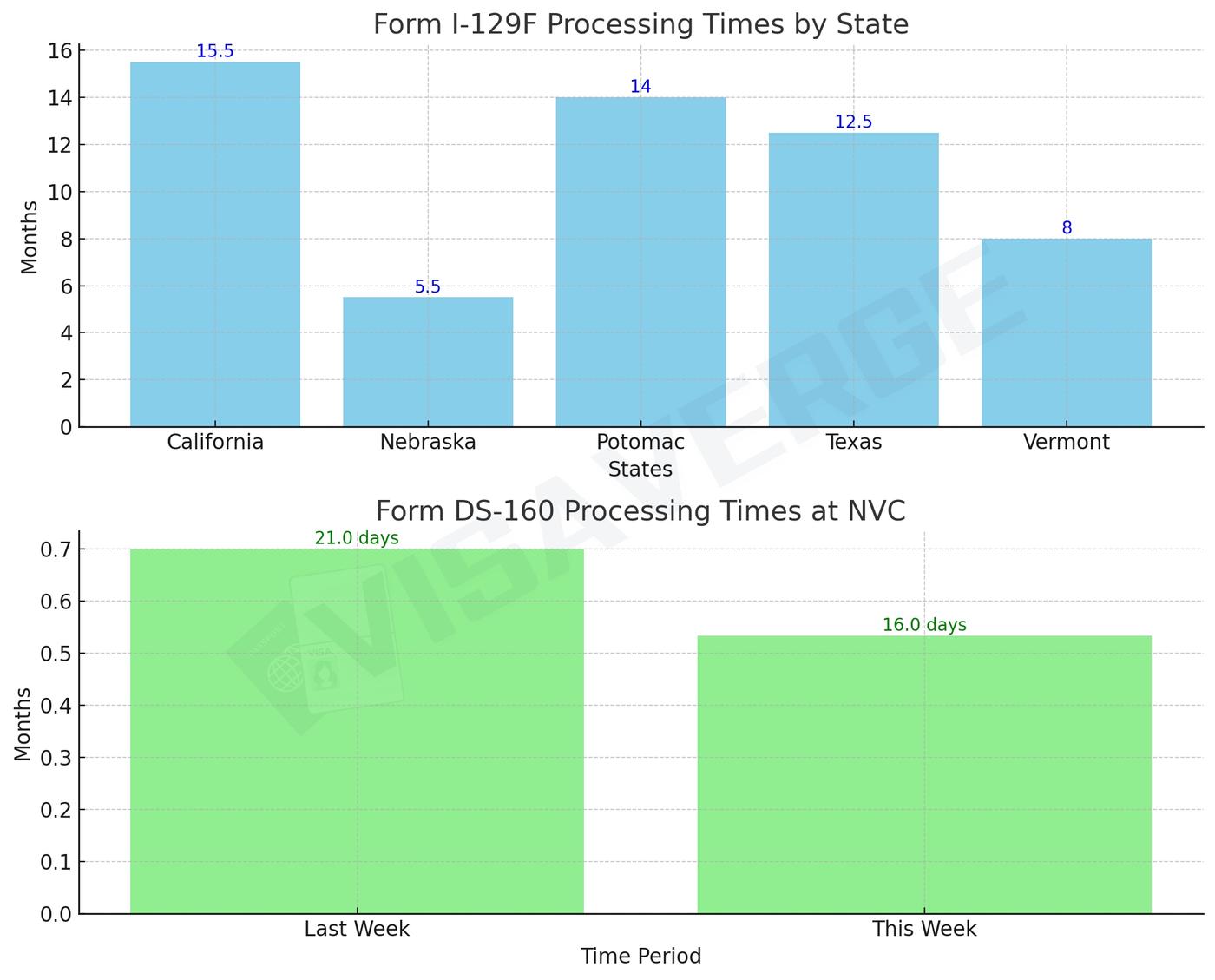
The journey begins when the U.S. citizen petitioner files Form I-129F, Petition for Alien Fiancé(e). In 2026, USCIS predominantly routes these petitions to the California Service Center (CSC), though workload balancing may shift files to other locations.
The primary goal of this phase is to establish that the petitioner is a U.S. citizen, that both parties are legally free to marry, and that they have met in person at least once within the two years preceding the filing. Once USCIS receives the petition, they issue a Notice of Action (Form I-797C), also known as NOA1. The subsequent approval notice is known as NOA2.
Phase 2: National Visa Center (NVC) Processing
After USCIS approves the I-129F, the file is physically and electronically transferred to the Department of State’s National Visa Center in Portsmouth, New Hampshire. The NVC does not adjudicate the visa; instead, it performs background checks and assigns a case number. In 2026, this stage is significantly faster than in previous decades due to the full integration of the Consular Electronic Application Center (CEAC). However, a "bottleneck" can occur if the local embassy is overbooked, as the NVC will hold the case until the embassy is ready to accept new interviews.
Phase 3: Consular Processing and Interview
The final stage takes place at the U.S. Embassy or Consulate in the foreign fiancé(e)’s home country. This phase includes the submission of the DS-160 online application, the medical examination, and the in-person interview. The processing time here is highly variable, depending on the specific country's local conditions, staffing levels, and security requirements.
Current Estimated Timelines by Stage (2026)
The following table provides a breakdown of the estimated duration for each step of the K-1 visa process. These figures reflect average processing times for a standard case without complications such as Requests for Evidence (RFEs) or administrative processing.
| Process Stage | Responsible Agency | Estimated Duration | Key Action Item |
|---|---|---|---|
| I-129F Petition | USCIS | 6 – 10 Months | Establish eligibility and bona fide relationship. |
| NVC Transfer | Department of State | 4 – 6 Weeks | Case number assignment and background screening. |
| Consular Readiness | U.S. Embassy | 2 – 5 Months | Complete DS-160 and schedule medical exam. |
| Visa Issuance | U.S. Embassy | 1 – 2 Weeks | Passport pickup or delivery after interview. |
| Total Duration | Cumulative | 12 – 18 Months | Varies by consulate and case complexity. |
Factors Influencing USCIS K-1 Visa Processing Time
Several variables can either expedite or hinder the progress of a K-1 visa application. While some are within the applicant's control, others are systemic.
Accuracy and Completeness of the Initial Filing
The single most common cause of delay is the Request for Evidence (RFE). If USCIS determines that the initial I-129F filing is missing proof of the in-person meeting, sufficient evidence of U.S. citizenship, or properly translated documents, they will pause the adjudication. An RFE typically adds 60 to 90 days to the processing time, as the file is removed from the active queue and must be re-reviewed once the response is received.
Service Center Workloads
USCIS distributes its workload across several service centers. While the California Service Center handles the majority of I-129F petitions, "workload transfers" are common. In 2026, USCIS utilizes a more dynamic balancing system to prevent any one center from falling too far behind, but regional differences in staffing can still cause slight fluctuations in speed.
Consular Volume and "Administrative Processing"
Certain U.S. Embassies—such as those in Manila, Ciudad Juárez, or Mumbai—handle a massive volume of K-1 visas. These locations may have longer wait times for interview slots. Additionally, some cases are flagged for "Administrative Processing" under Section 221(g) of the Immigration and Nationality Act. This is a generic term for a deeper security review or a request for additional documents after the interview. This can last anywhere from a few weeks to several months and is largely unpredictable.
Essential Requirements for a Speedy Approval
To ensure your USCIS K-1 visa processing time remains on the shorter end of the spectrum, you must meet the stringent requirements of the I-129F petition.
- U.S. Citizenship: Only U.S. citizens can petition for a fiancé(e) visa; Lawful Permanent Residents (Green Card holders) are not eligible for this specific visa category.
- Intent to Marry: You must provide a signed statement or affidavit expressing your intent to marry within 90 days of the foreign fiancé(e)’s arrival in the United States.
- Legal Ability to Marry: Both parties must be legally single. This requires providing original or certified copies of divorce decrees, annulments, or death certificates for all prior marriages.
- The Two-Year Meeting Rule: You must prove you have met in person at least once within the two years before filing. Exceptions are rare and usually limited to extreme cases of religious prohibition or strict long-term travel bans.
Cost Considerations in 2026
Budgeting for the K-1 visa involves more than just the USCIS filing fee. In 2026, the financial requirements include:
- Form I-129F Filing Fee: Since the fee adjustments in 2024, the I-129F fee has remained stable but significantly higher than in previous decades.
- Medical Examination: Conducted by a government-approved "panel physician." Costs vary by country but generally range from $200 to $500.
- Consular Visa Fee (MRV Fee): This is paid to the Department of State before scheduling the interview.
- Adjustment of Status Fees: Once the foreign fiancé(e) enters the U.S. and gets married, they must file Form I-485 to become a permanent resident. This is a separate, significant expense that follows the K-1 process.
Applicants can find the most current fee schedule on the USCIS Fee Schedule page.
Troubleshooting Delays: When to Take Action
If your case has exceeded the "normal processing time" listed on the USCIS Check Case Processing Times tool, you have several options:
- Service Requests: You can submit an inquiry online if your case is outside of the posted processing windows.
- Congressional Inquiry: U.S. citizens can contact the office of their Senator or Representative. While a member of Congress cannot "force" an approval, their office can request a status update, which often prompts a stagnant file to be reviewed.
- Ombudsman Assistance: The CIS Ombudsman is an independent office that helps resolve problems with USCIS that have not been resolved through standard channels.
Frequently Asked Questions
Can I pay for premium processing for a K-1 visa?
As of 2026, Premium Processing is not available for Form I-129F. USCIS reserves this expedited service primarily for employment-based visas (Form I-140) and some student categories. K-1 applicants must wait in the standard queue, though humanitarian "expedite requests" are possible in rare, extreme circumstances.
Does getting an RFE mean my visa will be denied?
No. A Request for Evidence (RFE) simply means USCIS needs more information to make a decision. It is a common part of the process. If you provide the requested information clearly and within the deadline, your case will continue toward adjudication. Most RFEs are issued for missing signatures, outdated forms, or insufficient proof of the two-year meeting requirement.
Can my fiancé(e) visit the U.S. while the K-1 is processing?
Technically, yes, but it is risky. A foreign fiancé(e) can attempt to enter on a B-1/B-2 tourist visa or via the Visa Waiver Program (ESTA). However, they must convince the Customs and Border Protection (CBP) officer that they have no "immigrant intent" for that specific trip and that they will return home for their K-1 interview. Having a pending K-1 visa can make this difficult, as it demonstrates a clear intent to move to the U.S.
What happens if we don't get married within 90 days?
The K-1 visa is strictly valid for a 90-day period after entry. If you do not marry within that window, the foreign fiancé(e) loses their legal status and must leave the U.S. There is no "extension" for a K-1 visa. Failure to marry within the timeframe can also complicate any future immigration applications.
How long after the wedding does it take to get a Green Card?
After the wedding, you must file for Adjustment of Status (Form I-485). In 2026, this process typically takes an additional 8 to 14 months. During this time, the applicant can also file for employment authorization and a travel document (Advance Parole) to allow them to work and travel while the Green Card is pending.
Practical Recommendations for Applicants
To minimize the USCIS K-1 visa processing time and ensure a smooth experience, consistency is key. Ensure that all dates and names match exactly across all forms—including the I-129F, the G-325A (biographic information), and the eventual DS-160.
We recommend "front-loading" your petition with high-quality evidence. Rather than sending dozens of repetitive photos, include a selection of 5-10 images spanning the duration of your relationship, accompanied by flight itineraries, hotel receipts, and statements from friends or family who have met you both as a couple. This transparency reduces the likelihood of an RFE and provides the officer with a clear narrative of a bona fide relationship.
Finally, stay informed by checking the Department of State Visa Bulletin and the USCIS newsroom for any policy shifts that might occur throughout 2026. While the K-1 process is a test of patience, meticulous preparation is the most effective way to reach the finish line.
Image Gallery