Navigating the Dade County Metrorail: A 2026 Comprehensive Rider Guide
The Dade County Metrorail, officially operated by Miami-Dade Transit, serves as the backbone of public transportation in South Florida, providing a 25-mile dual-track, elevated rapid transit system. Connecting Miami International Airpo...
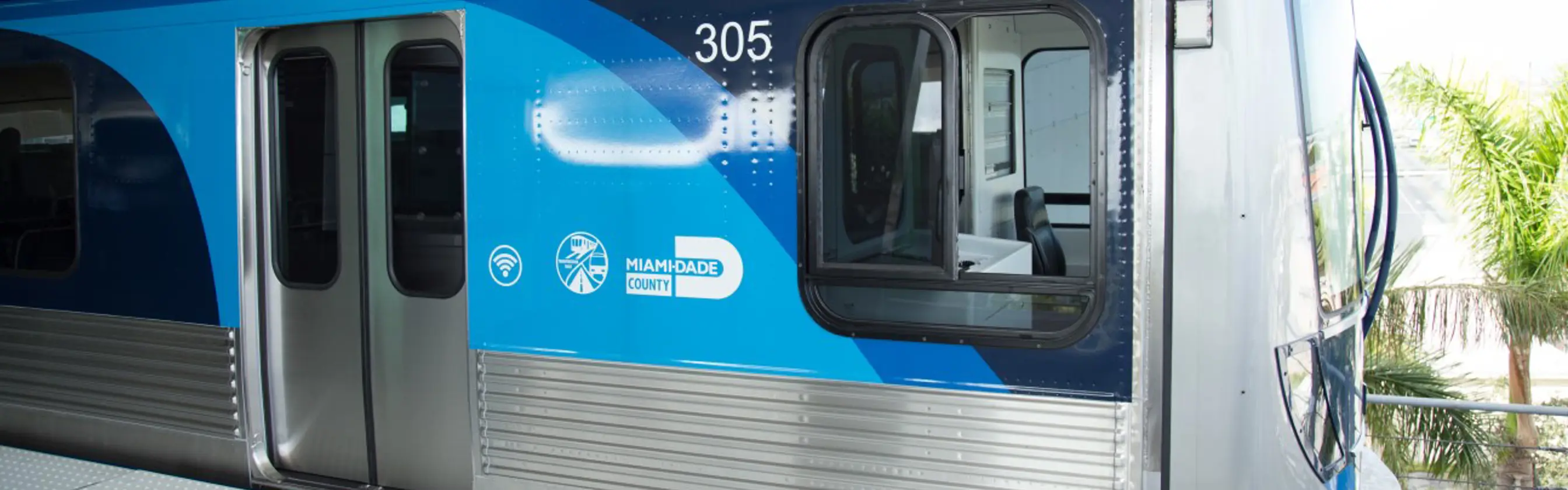
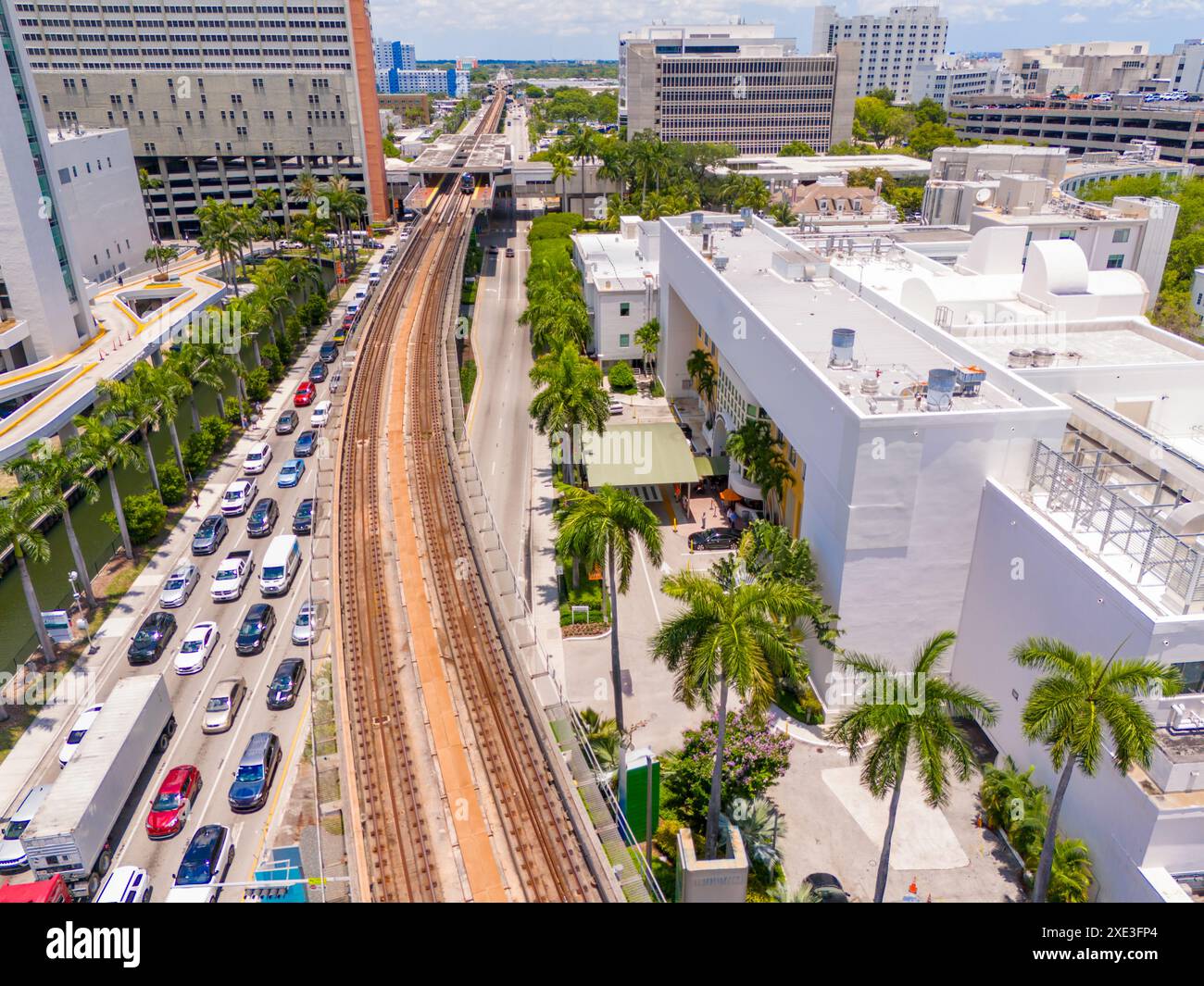
The Dade County Metrorail, officially operated by Miami-Dade Transit, serves as the backbone of public transportation in South Florida, providing a 25-mile dual-track, elevated rapid transit system. Connecting Miami International Airport, downtown Miami, and major residential hubs, it offers a reliable, time-efficient alternative to the region's notoriously congested vehicular traffic for daily commuters and visitors.
Contents
Understanding the Metrorail Network Architecture
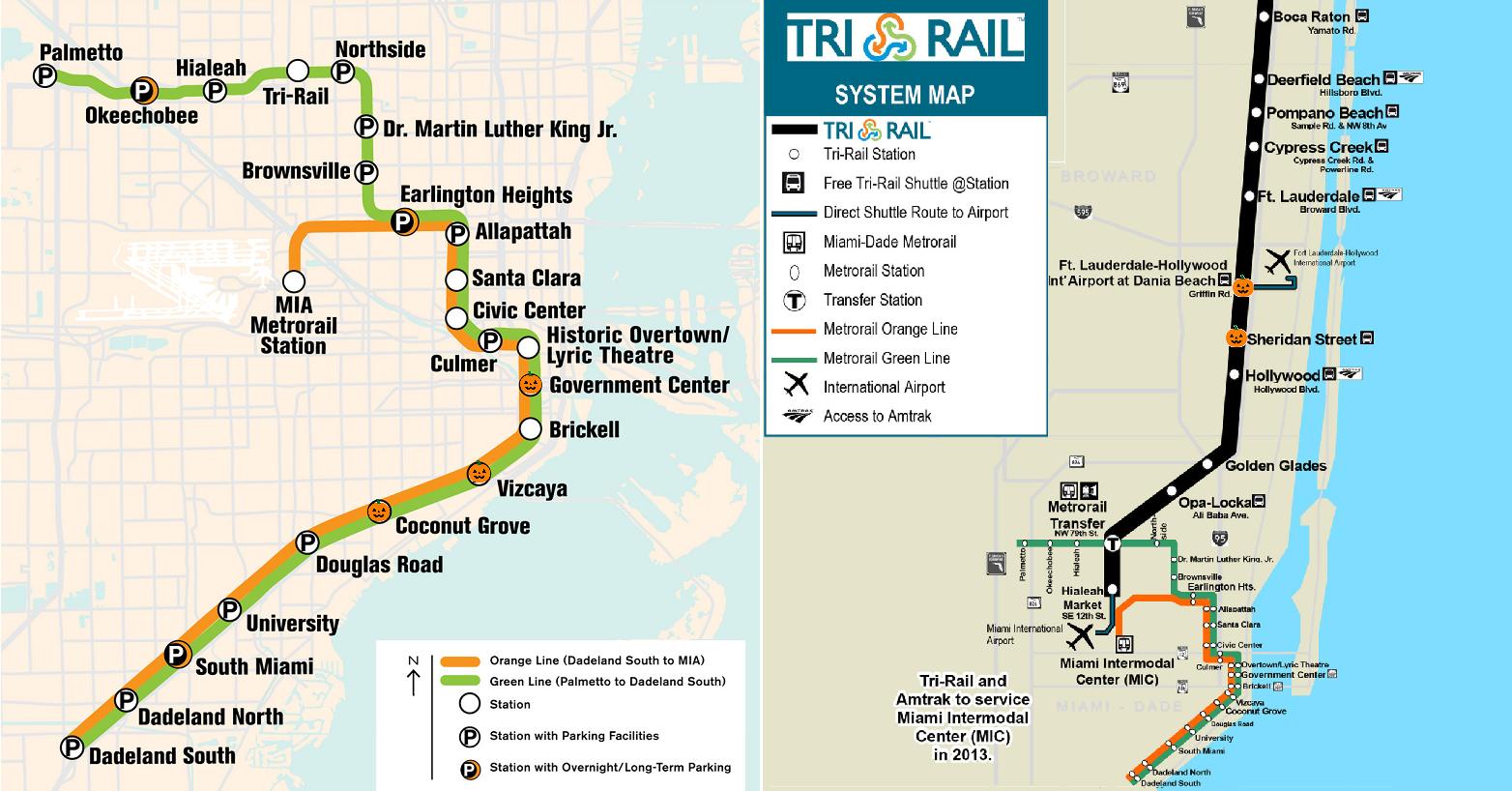
The Metrorail system operates as an elevated heavy rail line that serves as the primary arterial link across Miami-Dade County. Designed to bridge the gap between suburban residential zones and high-density commercial districts, the system is engineered to handle high-volume passenger throughput during peak hours. By 2026, the operational framework remains centered on the two main lines: the Orange Line and the Green Line.
- The Orange Line: Connects Miami International Airport (MIA) directly to the Dadeland South station, passing through major hubs like Government Center and Earlington Heights.
- The Green Line: Extends from the Palmetto station to Dadeland South, serving the core northwestern and southern corridors of the county.
Understanding the convergence at the Earlington Heights station is essential for efficient travel. This interchange is the critical junction point where riders must choose their destination branch, particularly when navigating between the airport and the northern terminus.
Essential Operational Requirements for 2026 Commuters
Navigating the Metrorail requires adherence to updated fare collection standards and passenger policies established by Miami-Dade Transit. As of 2026, the system utilizes the EASY Card and the contactless payment interface, which simplifies entry across the entire transit network, including Metrobus and Metromover connections.
Fare Payment and Digital Integration
The transition toward seamless digital payments has reached full maturity. Passengers are expected to utilize the following methods to ensure uninterrupted access:
- EASY Card: A reloadable smart card that stores value and passes, suitable for frequent riders.
- EASY Ticket: A disposable option for occasional users, though less cost-effective for daily commuters.
- Contactless Payment: Use of NFC-enabled credit cards, debit cards, or mobile wallets (such as Apple Pay or Google Pay) directly at the turnstiles for a pay-as-you-go experience.
System Safety and Security Protocols
The system is under constant surveillance by the Miami-Dade Police Department’s Transit Division. Safety protocols dictate that all platforms and train cars are restricted zones for unauthorized personnel. Passengers are prohibited from crossing track areas, and the use of the emergency intercom located on every train car is strictly reserved for genuine safety threats or medical emergencies.
Comparative Overview of Transit Options in Miami-Dade
Choosing the most efficient mode of transit depends on the passenger's specific destination and time requirements. The following table provides a breakdown of how the Metrorail performs against other regional transit modes.
| Transit Mode | Operational Range | Frequency | Primary Advantage |
|---|---|---|---|
| Metrorail | County-wide (North/South) | High (Every 10-15 mins) | Grade-separated, traffic-free speed |
| Metromover | Downtown/Brickell Loop | Very High (Every 3-5 mins) | Free, high-density city connectivity |
| Metrobus | Localized Neighborhoods | Varies | Comprehensive coverage, high granularity |
| Brightline | Regional (Inter-city) | Limited | High-speed, luxury, long-distance reach |
Strategic Navigation for Daily Commuters
To maximize the utility of the Metrorail, regular commuters should prioritize the Government Center station as their central transfer hub. Government Center serves as the intersection for all Metrorail lines, the Metromover loops, and the majority of regional bus routes.
Maximizing Time Efficiency
During peak hours, specifically between 7:00 AM – 9:00 AM and 4:00 PM – 6:30 PM, the system operates at its maximum frequency. Commuters looking to minimize transfer wait times should leverage the GO Miami-Dade Transit mobile application, which provides real-time vehicle tracking, service alerts, and estimated arrival times based on current GPS telemetry from each train set.
Navigating System Disruptions
While the Metrorail is designed for high reliability, track maintenance or localized infrastructure upgrades may occur. Always monitor the official Miami-Dade Transit digital signage on platforms. If a disruption occurs, the department typically implements "bridge" bus services that replicate the train route; these are clearly marked at the affected stations.
Frequently Asked Questions (FAQ)
What is the most cost-effective way to pay for a daily commute?
The most cost-effective method is the use of the monthly pass loaded onto an EASY Card, which provides unlimited rides for a fixed monthly rate. For those with irregular schedules, the contactless payment cap prevents users from paying more than the cost of a daily pass once the daily limit is reached.
Can I bring my bicycle on the Metrorail?
Yes, bicycles are permitted on the Metrorail at all times, provided they are kept under the passenger's control and do not obstruct doors or aisles. Riders should prioritize entering through the center doors of the train cars where there is designated space for bikes.
Is the Metrorail connected to the Brightline station?
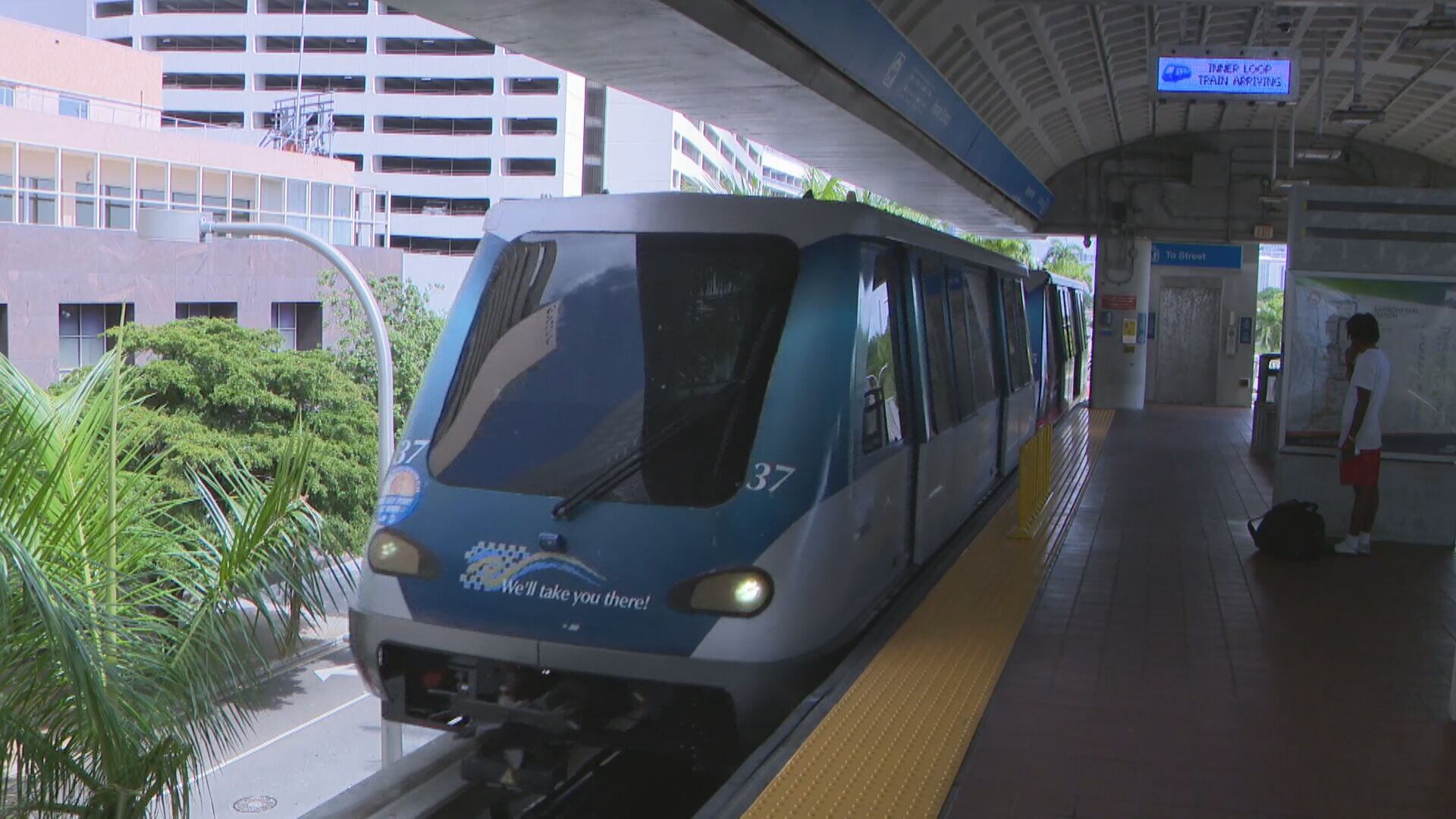
Yes, the Metrorail connects to the Brightline via the Government Center station by transferring to the Metromover (Inner Loop) to reach the MiamiCentral station. This allows for seamless transitions between local transit and inter-city rail.
Are there elevators and accessibility features at all stations?
Yes, every Metrorail station is fully ADA-compliant, featuring elevators and escalators to reach elevated platforms. If an elevator is reported out of service, the system provides real-time alerts through the official mobile app.
How late does the Metrorail operate?
The Metrorail generally operates from approximately 5:00 AM until midnight, seven days a week. For holiday schedules or special event service extensions, it is recommended to check the official transit website, as hours may be modified based on demand.
Expert Strategies for Future-Proofing Your Commute
As of 2026, the reliance on high-frequency data for transit planning is a standard practice for professional commuters. Beyond simply checking the schedule, successful riders analyze the "dwell time" at major stations. During high-traffic events at the Kaseya Center or nearby venues, anticipate slower boarding processes. Planning your arrival at the platform 5-10 minutes early during major events significantly reduces the risk of being delayed by platform congestion.
If you are a frequent user, ensure your EASY Card is registered through the online portal. Registration protects your balance in the event the physical card is lost or stolen, an essential step for account security and financial management.
For further assistance, inquiries regarding ADA transit accommodations, or to view the latest service maps, visit the official Miami-Dade County Department of Transportation and Public Works website. Your commute is a significant investment of time; utilizing the data-driven tools provided by the county will ensure you remain on schedule throughout the calendar year.
Image Gallery