Jimmy Swaggart's Famous Offer to Jerry Lee Lewis: Music, Faith, and the Battle for a Soul
Jimmy Swaggart repeatedly offered his cousin, rock-and-roll legend Jerry Lee Lewis, full financial backing to quit secular rock 'n' roll and record a dedicated gospel album. Raised together in Ferriday, Louisiana, Swaggart sought to re...
Jimmy Swaggart repeatedly offered his cousin, rock-and-roll legend Jerry Lee Lewis, full financial backing to quit secular rock 'n' roll and record a dedicated gospel album. Raised together in Ferriday, Louisiana, Swaggart sought to redeem Lewis's extraordinary talent for the church, creating a lifelong tension between sacred ministry and secular fame.
Contents
The Ferriday Connection: Roots of a Shared Musical Legacy
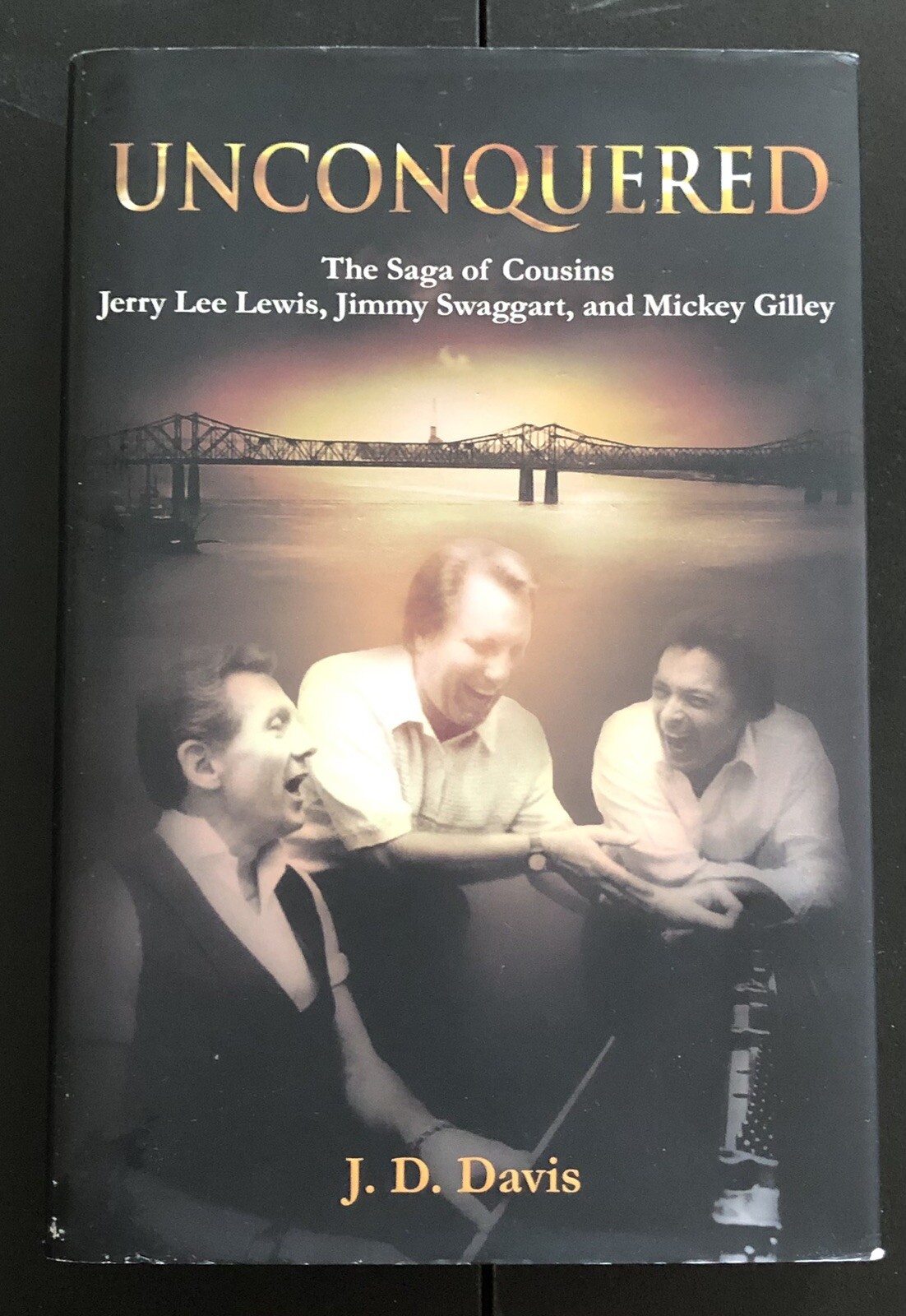
To understand the dynamic between Jimmy Swaggart and Jerry Lee Lewis, one must examine their shared origins in Ferriday, Louisiana. Born just months apart in the mid-1930s, Swaggart and Lewis were first cousins who shared not only a family tree but also an extraordinary, self-taught musical gift. Alongside their cousin Mickey Gilley, who would later achieve country music stardom and open the famous Gilley's Club in Texas, the young men spent their childhood glued to the same piano bench.
Their musical foundation was forged in two distinct environments: the impassioned, rhythm-heavy services of the local Assemblies of God church and the energetic blues and boogie-woogie echoing from Haney's Big House, a famous Chitlin' Circuit nightclub in Ferriday. Both boys absorbed the syncopated rhythms, blue notes, and intense physical performance styles of these venues.
While all three cousins possessed talent, their life trajectories split dramatically based on how they applied their gifts:
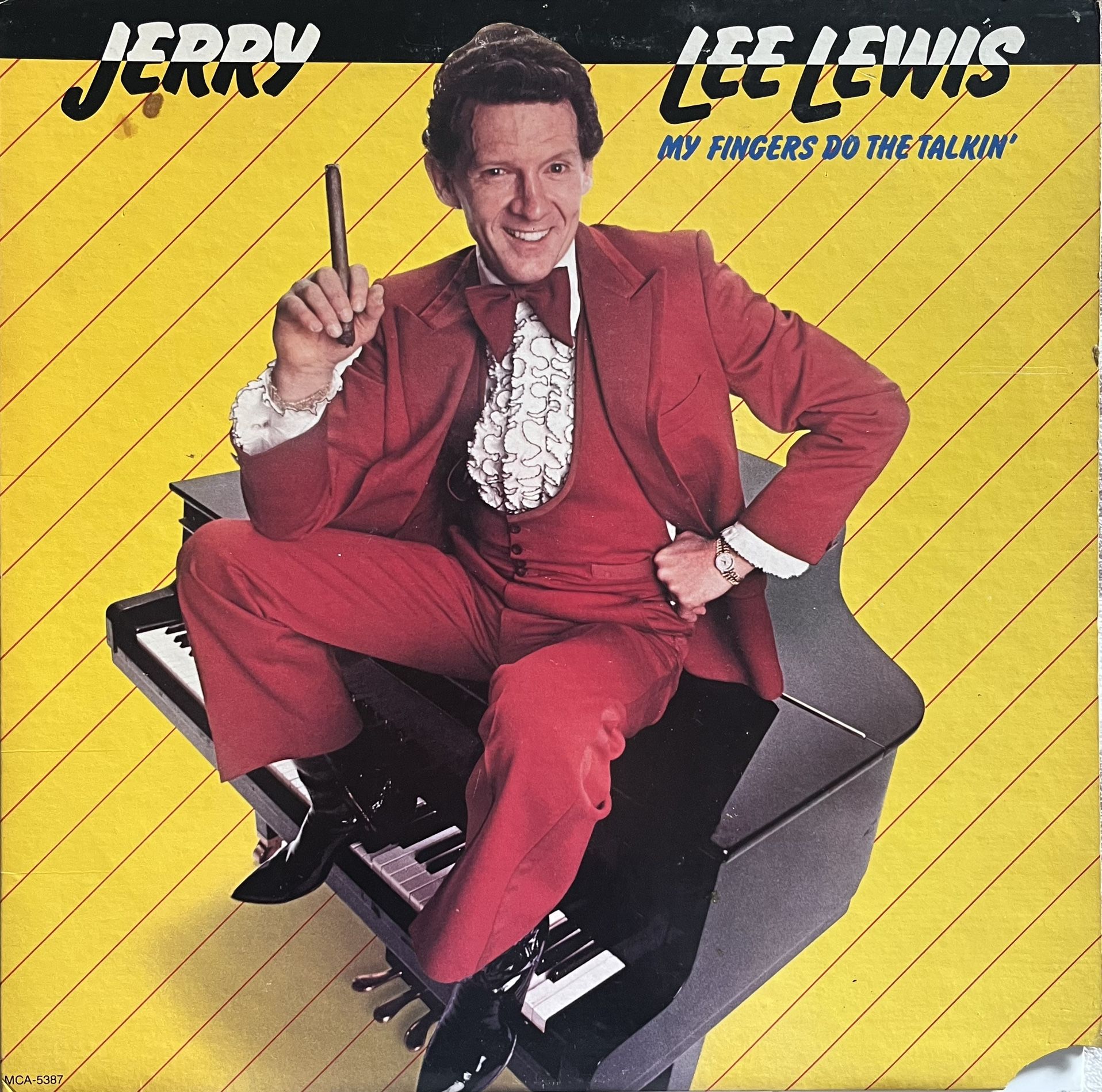
- Jerry Lee Lewis embraced secular music, taking the raw energy of black rhythm-and-blues and Pentecostal piano playing to Sun Records in Memphis, becoming one of the founding fathers of rock 'n' roll.
- Jimmy Swaggart dedicated his musical talents exclusively to the Christian ministry, building an international televangelism empire anchored by his gospel recordings and piano accompaniment.
- Mickey Gilley navigated the middle ground, carving out a massive career in secular country and western music.
Despite their divergent paths, the bond between Swaggart and Lewis remained powerful throughout their lives. It was rooted in deep family ties and a mutual recognition that they were drawing water from the exact same musical well.
Analyzing the Offer: What Jimmy Swaggart Proposed to Jerry Lee Lewis
The legendary "offer" from Jimmy Swaggart to Jerry Lee Lewis was not a single contract negotiation, but an ongoing lifelong campaign driven by both familial affection and Pentecostal theology. At its core, Swaggart offered to underwrite, produce, and promote a complete return to gospel music for Lewis, contingent on Lewis abandoning secular rock 'n' roll.
The Financial and Creative Guarantee
During the height of Swaggart's televangelism ministry, his media network possessed immense financial resources, record distribution channels, and a global television audience. Swaggart made it clear to Lewis that if financial insecurity or contractual obligations were keeping him in the secular music industry, the ministry would step in.
- Full Production Funding: Swaggart offered to pay for studio time, top-tier gospel musicians, and state-of-the-art recording facilities for Lewis to record pure Christian gospel projects.
- Financial Compensation: Swaggart proposed matching or compensating for lost revenue if Lewis agreed to step away from secular touring dates to dedicate his voice to the church.
- Global Distribution: Swaggart offered Lewis direct access to his television broadcasts, which reached millions of homes worldwide, guaranteeing that Lewis's music would reach a vast audience without relying on secular record labels.
The Theological Argument
For Swaggart, the offer was far more than an artistic collaboration; it was a urgent matter of eternal salvation. In Assemblies of God theology, worldly music—particularly rock 'n' roll with its overt sexuality and hedonism—was viewed as spiritually dangerous. Swaggart genuinely believed that Jerry Lee Lewis was squandering a God-given talent on demonic entertainment.
Swaggart argued that God had placed the piano gift inside Lewis specifically to build the Kingdom of God. By using that gift to perform songs like "Whole Lotta Shakin' Goin' On" and "Great Balls of Fire," Lewis was, in Swaggart's view, committing a profound spiritual tragedy.
Jerry Lee Lewis's Internal Conflict: Believer vs. Rebel
Jerry Lee Lewis never disputed his cousin's theological premise. Unlike many rock pioneers who dismissed religious critiques of their music, Lewis was raised in the same fiery Pentecostal doctrine as Swaggart and carried those beliefs throughout his entire life. He possessed a terrifyingly literal belief in Heaven, Hell, and divine judgment.
Jerry Lee Lewis wrestled with a profound paradox: he genuinely believed that rock 'n' roll was the devil's music, yet he felt entirely powerless to stop playing it. He refused to pretend to be a saint, believing that fake piety was a far worse sin than honest rebellion.
The Historic Sun Studio Argument (1956)
The tension between Lewis's faith and his music erupted publicly as early as 1956 during a recording session at Sun Records in Memphis. A tape recorder captured an intense argument between Jerry Lee Lewis and producer Sam Phillips regarding the song "Great Balls of Fire."
In the recording, Lewis passionately argues that any music that makes people dance and indulge in worldly lusts leads directly to Hell. When Phillips suggests that music can bring joy and good to people, Lewis shoots back with biblical citations, asserting that man cannot serve two masters. Yet, minutes after expressing his conviction that the music was sinful, Lewis sat down at the keyboard and recorded a master take of the song that would define his rock career.
Why Lewis Rejected the Full Transition
While Lewis did record several gospel albums over his decades-long career—including In Loving Memories (1971) and The Gospel Collection (2006)—he consistently declined Swaggart's offer to permanently renounce rock 'n' roll. His refusal stemmed from several factors:
- Unwillingness to Be a Hypocrite: Lewis frequently stated that he would not pretend to be a minister or a saved man while still harboring worldly desires. He viewed hypocrisy as an unpardonable stance.
- Identity as "The Killer": The wild, manic persona that made Lewis a star was deeply ingrained in his psyche. Stripping away the rock-and-roll rebellion would mean dismantling the core of his artistic identity.
- Doubt Over Redemption: In candid moments, Lewis expressed doubt over whether he could ever truly conform to the strict moral discipline demanded by his cousin's branch of Christianity.
Key Moments and Televised Reunions
Despite their fundamental disagreement over rock 'n' roll, Swaggart and Lewis came together for several remarkable musical and television events that captivated both Christian and secular audiences.
The 1983 Studio Sessions and Broadcasts
In the early 1980s, Lewis appeared as a guest on Jimmy Swaggart's television programming and joined him in private and televised recording sessions. These appearances provided a rare window into their complex dynamic.
Sitting side by side at twin grand pianos, the cousins performed classic American hymns such as "Will the Circle Be Unbroken," "Old Rugged Cross," and "Precious Lord, Take My Hand." The musical chemistry was undeniable; their identical Ferriday piano styles merged seamlessly, creating an overwhelming sound that blended barrelhouse technique with sacred lyrics.
During these broadcasts, Swaggart would frequently pause the music to plead directly with Lewis on air, asking him to surrender his life fully to Christ. Lewis would listen respectfully, play brilliant gospel piano chords, but gently steer the conversation back to the music itself, avoiding a public conversion pledge.
Comparative Analysis of the Ferriday Cousins
The musical talent emerging from Ferriday, Louisiana, reshaped mid-century American culture. The following table contrasts the three iconic cousins across their ideological, professional, and musical lines.
| Dimension | Jerry Lee Lewis | Jimmy Swaggart | Mickey Gilley |
|---|---|---|---|
| Primary Domain | Rock 'n' Roll / Country | Televangelism / Sacred Music | Country & Western |
| Musical Style | Aggressive Boogie-Woogie, Rock, Blues | Pentecostal Gospel, Sacred Hymnal | Smooth Country, Urban Cowboy Piano |
| View on Secular Music | Conflicted; believed rock was sinful yet embraced it | Strict condemnation; viewed rock as demonic | Pragmatic; viewed music purely as professional entertainment |
| Primary Platform | Live Concerts, Commercial Record Labels | International TV Broadcasts, Ministry Outlets | Concert Halls, Nightclubs (Gilley's), Commercial Labels |
| Stance on Gospel Offer | Rejected exclusive gospel switch; recorded secular & sacred | Offered full funding for Lewis's total conversion | Maintained friendly distance; focused on country career |
| Key Legacy Contribution | Rock & Roll Hall of Fame pioneer | Pioneer of international televangelist media | Architectural figure in 1980s country music boom |
Cultural and Theological Impact of Their Relationship
The dynamic between Jimmy Swaggart and Jerry Lee Lewis serves as a micro-historical study of the broader cultural war that took place in the American South during the mid-20th century.
The Split of Sacred and Profane in Southern Culture
Southern Pentecostalism produced some of the most dynamic musical performers in history, including Elvis Presley, Little Richard, and Johnny Cash. The church provided rigorous musical training, emphasizing improvisation, emotional vulnerability, and physical expression.
However, the church also imposed strict boundaries. When musicians took those exact performance techniques out of the sanctuary and brought them to secular dance halls, it created deep cultural shock. Jimmy Swaggart and Jerry Lee Lewis represented the two absolute extremes of this cultural split:
- Swaggart represented the institutional church demanding that all gifts remain dedicated to the altar.
- Lewis represented the secular temptation, taking sacred fire and using it to illuminate the night clubs of the secular world.
The Legacy of the Gospel Recordings
Although Lewis never accepted Swaggart's proposition to abandon rock 'n' roll entirely, the gospel recordings he did produce—many influenced by his cousin's persistent nudging—are regarded by music historians as some of the most authentic sacred performances ever captured. When Lewis sang gospel, the conflict in his voice was palpable. He did not sing like a saint standing on a pedestal; he sang like a tormented sinner calling out from the shadows, giving his gospel tracks an emotional depth that few artists could replicate.
Frequently Asked Questions
Did Jerry Lee Lewis ever accept Jimmy Swaggart's offer to preach?
No, Jerry Lee Lewis never accepted Jimmy Swaggart's offer to become a full-time gospel singer or preacher. While he appeared on Swaggart's television programs and recorded several gospel albums throughout his career, Lewis maintained his secular music career until his death in 2022.
Were Jimmy Swaggart and Jerry Lee Lewis actually related?
Yes, Jimmy Swaggart and Jerry Lee Lewis were first cousins. Their mothers were sisters, and they grew up together in Ferriday, Louisiana, learning to play piano on the same family instruments alongside their cousin Mickey Gilley.
Did Jimmy Swaggart and Jerry Lee Lewis ever record an album together?
While they never released an official joint studio album under a major secular label, they performed together extensively on television broadcasts and recorded numerous unreleased and bootlegged studio sessions, primarily focusing on traditional gospel hymns played on dual pianos.
Why did Jerry Lee Lewis believe rock 'n' roll was sinful?
Jerry Lee Lewis was raised in the strict Assembly of God Pentecostal tradition, which taught that worldly entertainment, sensual dancing, and secular music were spiritually corrupting. Lewis held a literal belief in these doctrines throughout his life, famously arguing with producer Sam Phillips that playing rock music would lead him to damnation.
Did Mickey Gilley get involved in the gospel offer?
Mickey Gilley remained largely neutral regarding the spiritual battles between Swaggart and Lewis. Gilley focused entirely on building his secular country music career and commercial ventures, maintaining friendly personal relationships with both cousins without adopting Swaggart's evangelistic fervor or Lewis's intense spiritual torment.
Preserving the Legacy of American Roots Music
The relationship between Jimmy Swaggart and Jerry Lee Lewis remains one of the most fascinating chapters in American music history. It encapsulates the enduring conflict between faith and fame, the sacred and the profane, and the deep family ties that bind artists across ideological divides. Exploring their shared catalog offers a masterclass in American piano technique and a window into the soul of Southern gospel and rock 'n' roll. For musicians and music historians alike, listening to their joint piano sessions reveals how two men, driven by different callings, could share the exact same musical heart.
Image Gallery