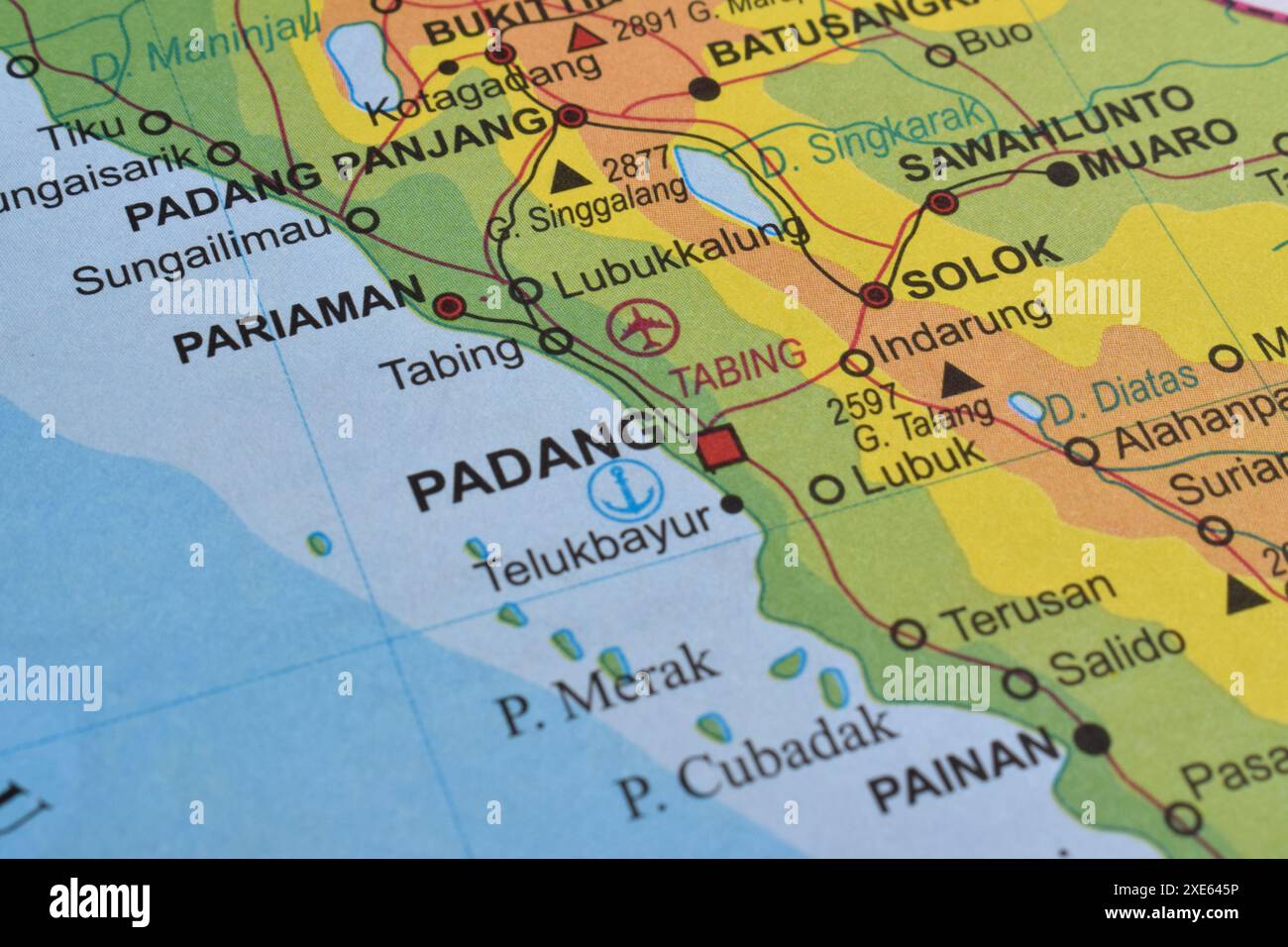
Where Is Padang: Geographic Location, Regional Significance, and Travel Overview
Padang is located on the west coast of Sumatra island in Indonesia, serving as the capital and largest city of the West Sumatra province. Positioned along the Indian Ocean, the city functions as a vital economic, cultural, and transpor...
Padang is located on the west coast of Sumatra island in Indonesia, serving as the capital and largest city of the West Sumatra province. Positioned along the Indian Ocean, the city functions as a vital economic, cultural, and transportation hub for the region, bordered by the Bukit Barisan mountain range to the east.
Contents
Understanding the precise geographical positioning of Padang requires looking beyond a simple map coordinate. As the principal gateway to West Sumatra, this coastal city bridges maritime trade routes and the mountainous interior of the Minangkabau highlands. Whether you are planning a trip to the Mentawai Islands, exploring Indonesian culinary history, or studying the tectonic geography of the Pacific Ring of Fire, knowing where Padang sits globally and regionally provides essential context for navigation, logistics, and cultural appreciation.
Geographic Coordinates and Global Positioning
Geographically, Padang is situated in the southern hemisphere just south of the equator. Its exact coordinates are approximately 0.9471° S latitude and 100.3543° E longitude. Because it lies close to the equator, the city experiences a tropical climate characterized by high humidity, consistent temperatures year-round, and distinct wet and dry seasons influenced by monsoon patterns.
On a macro scale, Padang is positioned on the western seaboard of Sumatra, the sixth-largest island in the world. This coastal placement places it directly facing the vast expanse of the Indian Ocean. To its immediate east, the terrain rises sharply into the Bukit Barisan mountain range, a volcanic spine that runs the entire length of Sumatra. This topography creates a narrow coastal plain where the city has developed, squeezed between ocean waters and steep mountain slopes.
Regional Context within West Sumatra and Indonesia
Within the national framework of Indonesia, Padang is the administrative center of the West Sumatra (Sumatera Barat) province. It acts as the primary urban anchor for the Minangkabau ethnic group, whose unique matrilineal culture and distinctive architecture heavily influence the region.
The city is strategically connected to other major regional centers across the island. For instance, it sits south of Medan (North Sumatra) and northwest of Jambi and Bengkulu. Overland travel to neighboring provinces requires navigating the winding mountain roads through the Bukit Barisan range, making the journey an experience in dramatic geography characterized by deep valleys, dense rainforests, and active volcanoes such as Mount Marapi and Mount Singgalang.
| Feature | Description |
|---|---|
| Country | Indonesia |
| Island | Sumatra |
| Province | West Sumatra (Sumatera Barat) |
| Coordinates | 0.9471° S, 100.3543° E |
| Primary Coastline | Indian Ocean |
| Geographic Barrier | Bukit Barisan Mountain Range |
Transportation Accessibility and How to Get There
Reaching Padang involves utilizing air, sea, or road transport networks, depending on your point of origin within Indonesia or international hubs. The city serves as a major logistical node for the western half of the Indonesian archipelago.
Air Travel via Minangkabau International Airport
The primary entry point for international and domestic air travelers is Minangkabau International Airport (airport code: PDG). Located approximately 23 kilometers north-of-city-center in Ketaping, Padang Pariaman Regency, the airport handles flights from major Indonesian hubs such as Jakarta (CGK), Kuala Lumpur (KUL), and Singapore (SIN) via various regional carriers.
Upon landing, travelers can reach downtown Padang via airport trains, official airport taxis, or ride-hailing services. The drive into the city typically takes between 45 to 60 minutes, depending on traffic conditions along the coastal highway.
Maritime Routes and Port Access
For travelers arriving by sea, Teluk Bayur Port is the primary seaport serving Padang. Historically known during the Dutch colonial era as Emmahaven, Teluk Bayur handles major cargo shipments, inter-island passenger ferries, and commercial maritime traffic.
Additionally, Padang serves as the primary jumping-off point for tourists and surfers heading west across the Indian Ocean to the world-renowned surf breaks of the Mentawai Islands. Ferries and fast boats depart regularly from local harbors in Padang toward the Mentawai island chain, making the city an essential transit stop for marine expeditions.
Tectonic Setting and Geological Significance
Padang's specific geographic location also places it in one of the most seismically active regions on Earth. The city sits near the Sunda Megathrust, a massive tectonic subduction zone where the Indo-Australian Plate pushes beneath the Eurasian Plate.
This geological positioning means Padang experiences frequent seismic activity. Earthquakes and tsunami preparedness are critical elements of local infrastructure and public policy. Over the decades, urban planners, government agencies, and international researchers have collaborated extensively to improve building codes, establish tsunami evacuation routes, and implement early-warning systems throughout the coastal zones of the city.
Cultural and Economic Role in the Region
Beyond its physical location on the map, Padang holds immense cultural and economic gravity. Economically, it functions as a bustling trading port exporting agricultural commodities such as palm oil, rubber, cinnamon, and coffee produced in the fertile highlands.
Culturally, the city is globally synonymous with Nasi Padang, a style of Minangkabau cuisine featuring a rich array of pre-cooked dishes served communally. The global diaspora of Minangkabau restaurants has made the culinary identity of Padang famous worldwide, even though the authentic dining experience remains rooted in the traditional eateries (Rumah Makan Padang) found throughout the city streets.
Frequently Asked Questions About Padang's Location
What country is Padang in?
Padang is located in Indonesia. It is situated on the western coast of Sumatra island and serves as the capital of the West Sumatra province.
Is Padang close to the equator?
Yes, Padang is located in the southern hemisphere just south of the equator, at approximately 0.9471° latitude. This grants the area a tropical climate with consistent temperatures and high humidity year-round.
How do I get from Jakarta to Padang?
The most efficient way to travel from Jakarta to Padang is by taking a direct domestic flight from Soekarno-Hatta International Airport (CGK) to Minangkabau International Airport (PDG). Flight duration is approximately 1 hour and 45 minutes.
Is Padang the departure point for the Mentawai Islands?
Yes. Padang is the primary mainland transit hub for travelers heading to the Mentawai Islands. Ferries and chartered fast boats depart from Padang's harbors for the overnight or multi-hour journey across the Mentawai Strait.
What is the main geographical feature surrounding Padang?
Padang is bordered by the Indian Ocean to the west, which provides its coastline and maritime access, and by the Bukit Barisan mountain range to the east, which separates the coastal plain from the interior highlands.
Final Recommendations for Travelers and Researchers
When planning a journey to or a study of Padang, always verify current transportation schedules, seasonal weather patterns, and local advisories regarding seismic safety. If your itinerary involves heading onward to the Mentawai Islands or exploring the highland interior toward Bukittinggi, allocate sufficient buffer time in Padang to coordinate local transport and accommodations. Respecting local cultural norms, particularly the Islamic traditions of the Minangkabau community, will ensure a smooth and welcoming experience in this historically rich Sumatran coastal city.
Image Gallery