FrontRunner UTA Schedule 2026: Complete Commuter Guide and Timetables
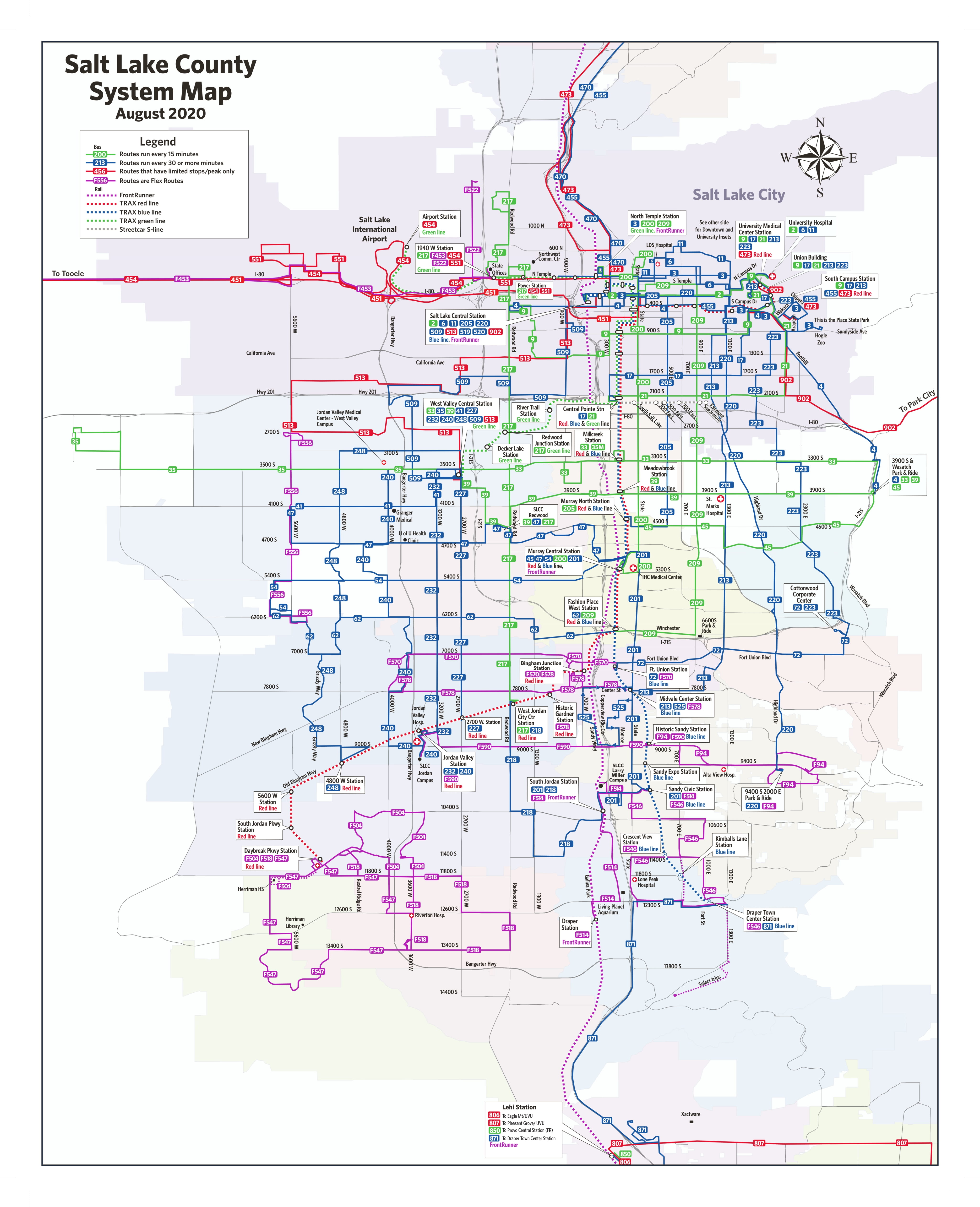
Navigating the Utah Transit Authority FrontRunner commuter rail system requires a clear understanding of current weekday and weekend timetables, station stops, and connection protocols. The FrontRunner runs across a sprawling 83-mile c...
Navigating the Utah Transit Authority FrontRunner commuter rail system requires a clear understanding of current weekday and weekend timetables, station stops, and connection protocols. The FrontRunner runs across a sprawling 83-mile corridor from Ogden down to Provo, passing through Salt Lake City, connecting major employment hubs, educational institutions, and regional transit networks.
Contents
Understanding the FrontRunner Rail Corridor and Operations
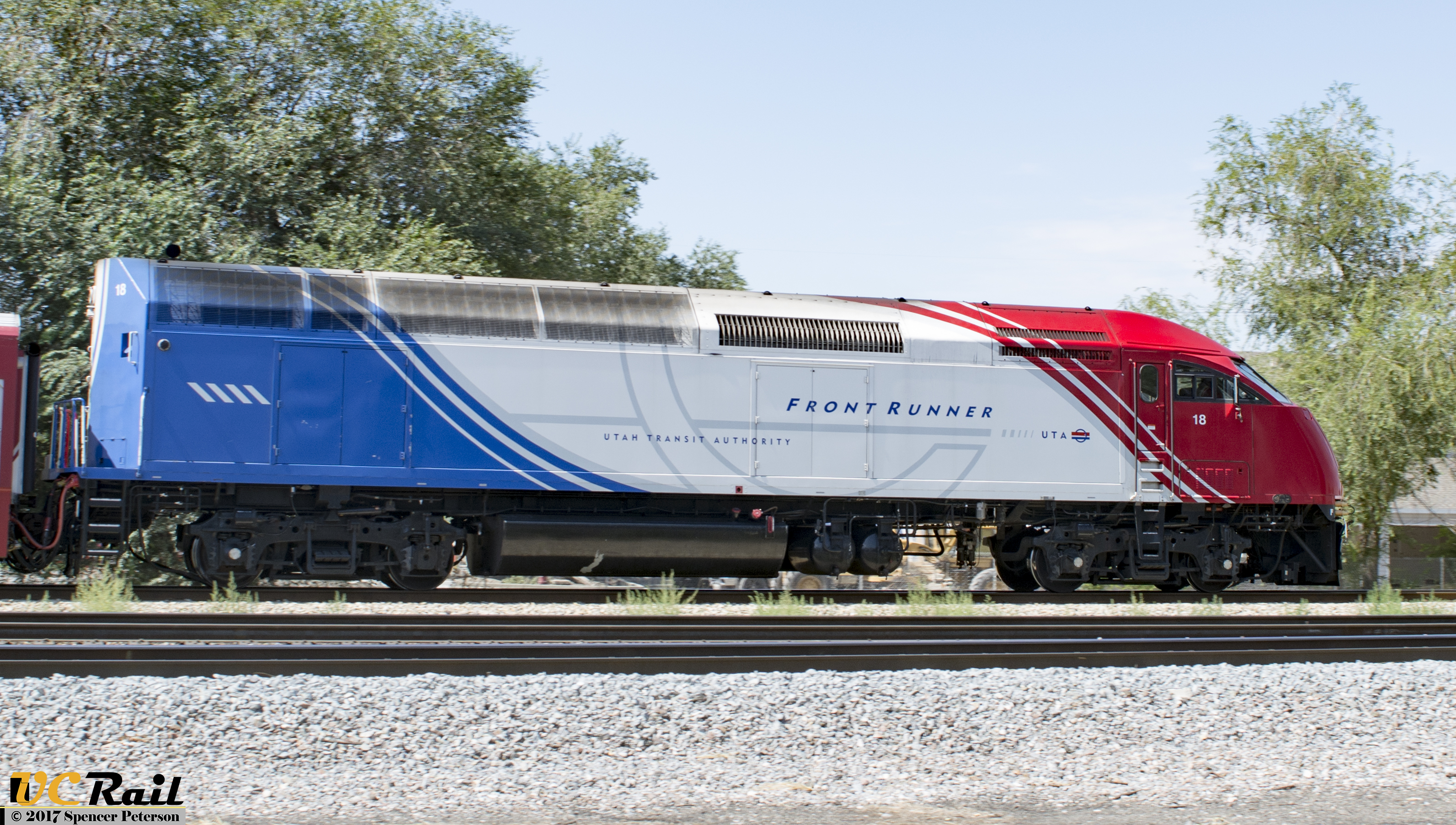
The Utah Transit Authority (UTA) operates the FrontRunner as a heavy diesel commuter rail service. The line serves 16 distinct stations across Weber, Davis, Salt Lake, and Utah counties, providing a vital north-south spine for the region's transportation infrastructure.
Unlike light rail systems such as TRAX, which feature frequent urban street-level stops, the FrontRunner is engineered for regional speed. Trains reach maximum operating speeds of up to 79 miles per hour. This design prioritizes long-distance commuter efficiency, making it the preferred method for workers traveling between Ogden and downtown Salt Lake City or from Provo into the capital.
Key Route Characteristics
- Total Length: 83 miles connecting Weber County to Utah County.
- Northern Terminal: Ogden Intermodal Center.
- Southern Terminal: Provo Central Station.
- Major Interchange Hubs: Salt Lake Central Station and Murray Central Station, where riders connect directly to TRAX light rail, S-Line streetcar, and UTA local or express bus routes.
Analyzing the 2026 FrontRunner Schedule Structure
The operational schedule for the FrontRunner is divided into weekday peak service, weekday midday/evening service, and Saturday service. There is traditionally no Sunday FrontRunner service, requiring weekend travelers to utilize alternative UTA bus bridges or local routes if available.
| Service Period | Operational Frequency | Operating Hours (Approximate) | Primary Passenger Demographics |
|---|---|---|---|
| Weekday Peak | Every 30 minutes | 5:00 AM – 9:00 AM & 3:00 PM – 7:00 PM | Corporate commuters, university students |
| Weekday Midday | Every 60 minutes | 9:00 AM – 3:00 PM | Non-peak travelers, shift workers, leisure |
| Weekday Evening | Every 60 minutes | 7:00 PM – 12:00 Midnight | Late shift workers, event attendees |
| Saturday Service | Every 60 minutes | 5:30 AM – 12:30 AM | Weekend events, shoppers, recreation |
| Sunday Service | No Service | None | Alternative bus routes required |
During peak hours, trains run at half-hourly intervals to accommodate heavy directional flows into Salt Lake City in the morning and out of the city in the evening. Understanding these headways prevents extended platform wait times and ensures seamless alignment with connecting transit options.
Step-by-Step Guide to Reading and Using the UTA Schedule
Successfully timing a commute involves cross-referencing station departure times with connecting services. Follow these structured steps to plan a journey accurately.
- Identify Origin and Destination Stations: Determine your exact boarding station and your intended arrival station using the UTA station list.
- Consult the Directional Timetables: FrontRunner schedules are split into northbound (towards Ogden) and southbound (towards Provo) tables. Select the correct table based on your travel direction.
- Check Peak vs. Off-Peak Indicators: Look at the column headers to verify whether the train runs during 30-minute peak windows or 60-minute off-peak intervals.
- Account for Transfer Buffers: If your trip requires a transfer to a TRAX line or a UTA bus, build a 10-to-15-minute buffer into your schedule to account for boarding logistics and minor schedule variance.
- Verify Real-Time Status: Before heading to the platform, check the official UTA website or mobile applications like Transit or the UTA GoRide app to view live vehicle tracking and service alerts.
Operational Tip for First-Time Riders Arrive Early: Platform gates and ticket validation areas require brief transit time. It is recommended to arrive at your station at least 10 minutes prior to the scheduled train departure time, especially during peak morning hours when station parking lots fill quickly.
Fares, Ticketing, and Payment Systems
Paying for the FrontRunner utilizes UTA's electronic fare collection ecosystem centered around the FAREPAY card and contactless payment readers. Fares are distance-based, determined by the number of zones crossed during the journey.
- FAREPAY Card: Offers a discounted rate compared to paper tickets and automatically calculates the correct fare when tapped on and off at station validators.
- Contactless Credit/Debit: Riders can tap credit cards, smartphones, or smartwatches directly at station validators.
- Paper Tickets: Available at station ticket vending machines, though these carry standard pricing without FAREPAY discounts.
- Electronic Validation Rule: Riders must remember to tap on when entering the platform area and tap off when exiting their destination station to avoid maximum fare charges.
Connecting Services and Regional Integration
The FrontRunner does not operate in isolation; it functions as the backbone of a multi-modal transit network. Integration with other services is critical for completing the "last mile" of a commute.
- TRAX Light Rail: Salt Lake Central and Murray Central offer cross-platform or short-walk transfers to the Blue, Green, and Red TRAX lines, providing direct access to the University of Utah, South Salt Lake, and West Valley City.
- UTA Buses: Major stations feature dedicated transit bays hosting regional and local bus routes.
- Park-and-Ride Lots: Most FrontRunner stations offer extensive, free multi-level or surface parking structures for commuters driving from suburban neighborhoods to the rail line.
Pros and Cons of Commuting via FrontRunner
Evaluating commuter options requires weighing the distinct advantages and operational limitations of heavy rail transit along the Wasatch Front.
Advantages
- Avoids heavy congestion on Interstate 15 (I-15), particularly through the Salt Lake valley bottleneck.
- Onboard amenities include Wi-Fi, power outlets, quiet car designations, and ample seating space.
- Predictable travel times unaffected by highway traffic accidents or weather-related surface street delays.
- Substantial environmental benefits through reduced single-occupancy vehicle emissions.
Disadvantages
- Lack of Sunday service restricts flexibility for weekend shift workers and leisure travelers.
- Fixed schedules require strict time management, as missing a peak train means waiting a full 30 minutes for the next departure.
- Limited last-mile connectivity in suburban areas outside the immediate proximity of station stops.
Frequently Asked Questions
Does the FrontRunner run on Sundays?
No, the UTA FrontRunner does not operate regular service on Sundays. Passengers needing transit on Sundays must rely on parallel UTA bus routes or alternative transportation options.
How do I pay for my FrontRunner fare?
You can pay using a reloadable FAREPAY card, contactless credit or mobile payment devices at station validators, or by purchasing a paper ticket from the ticket vending machine on the platform.
Are bicycles allowed on FrontRunner trains?
Yes, bicycles are permitted on all FrontRunner trains. Designated bike cars feature specific hanging racks, and passengers must secure their bicycles safely during transit.
What should I do if a train is delayed?
Check the UTA GoRide app or the official transit tracker website for real-time updates. UTA typically provides bus bridges or schedule adjustments during major mechanical or weather delays.
Are pets allowed on the FrontRunner?
Only certified service animals are permitted on UTA FrontRunner trains. Emotional support animals and pets (unless secured in a proper enclosed carrier) are not allowed.
Conclusion and Actionable Recommendation
Mastering the FrontRunner UTA schedule ensures an efficient, stress-free daily commute across the Wasatch Front. To optimize your travel, download the official UTA app, secure a FAREPAY card for discounted pricing, and always check live tracking feeds before heading to your local station platform. Plan your connections carefully around peak headways to eliminate friction in your daily transit routine.
Image Gallery