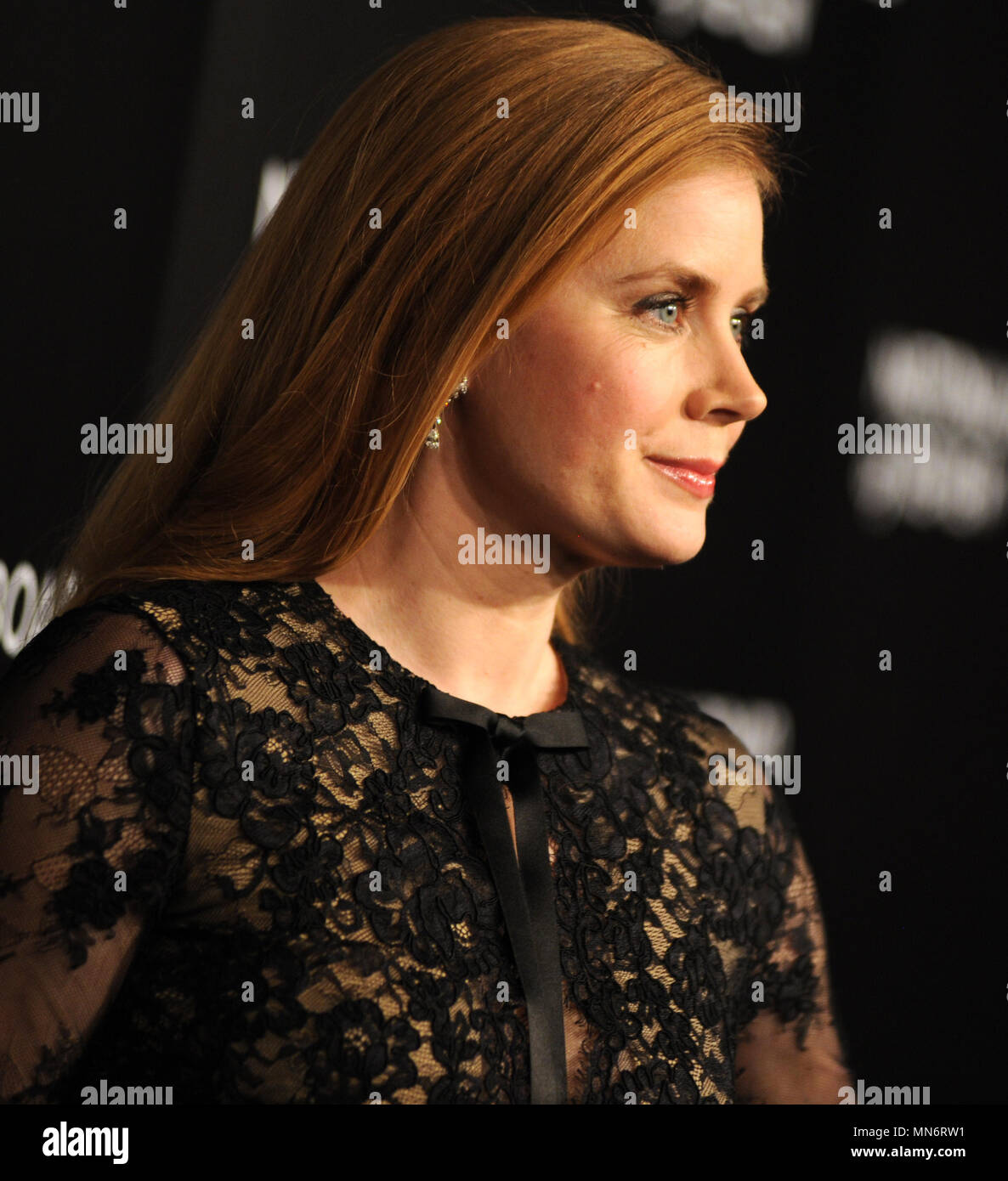
Amy Adams: Complete Career Analysis, Critical Milestones, and Acting Legacy
Amy Adams is a six-time Academy Award-nominated American actor widely regarded as one of the most versatile and gifted performers of her generation. Known for her naturalistic emotional range, seamless shifts between dramatic depth and...
Amy Adams is a six-time Academy Award-nominated American actor widely regarded as one of the most versatile and gifted performers of her generation. Known for her naturalistic emotional range, seamless shifts between dramatic depth and comedic precision, and iconic roles in films such as Junebug, Enchanted, The Master, American Hustle, and Arrival, Adams has earned profound critical acclaim and global commercial success across film and television.
Contents
The Evolution of Amy Adams: From Regional Stage to Global Acclaim
Amy Adams’ ascent to the summit of modern American cinema represents a masterclass in professional resilience, artistic adaptation, and technical discipline. Raised in Castle Rock, Colorado, Adams initially trained as a ballerina before discovering her affinity for musical theater. She began her professional career working in regional dinner theaters, acquiring a rigorous foundation in dance, vocal control, and live stage mechanics. This formative period sharpened her spatial awareness and stamina—attributes that later became central to her physical acting style on film sets.
Her film debut arrived in the 1999 satire Drop Dead Gorgeous, where her innate comic timing stood out despite a small supporting role. Following a series of guest television appearances and low-budget features, Adams secured a high-profile role as Brenda Strong opposite Leonardo DiCaprio in Steven Spielberg’s Catch Me If You Can (2002). Although the performance demonstrated her vulnerability and warmth, her career experienced an unexpected plateau immediately following the film's release, illustrating the unpredictable nature of Hollywood casting dynamics.
The decisive turning point in her professional trajectory occurred with the 2005 independent film Junebug, directed by Phil Morrison. Playing Ashley Johnsten, an extraordinarily optimistic, heavily pregnant Southern woman, Adams delivered an authentic, unglamorized performance that captured national attention. Shot on a modest budget, Junebug debuted at the Sundance Film Festival, where Adams earned a Special Jury Prize. The performance subsequently landed her first Academy Award nomination for Best Supporting Actress, cementing her status as a premier dramatic talent capable of breathing profound humanity into complex character archetypes.
Core Acting Methodology and Technical Mastery
What distinguishes Amy Adams within contemporary film acting is her ability to project internal emotional life without relying on grand physical theatrics. Directors frequently highlight her extraordinary eye contact, expressive micro-facial adjustments, and deep vocal flexibility as key instruments of her craft.
KEY ELEMENTS OF AMY ADAMS' ACTING STYLE
- Internalized Emotional Cadence
- Conveys deep trauma, longing, or joy through subtle stillness
- Vocal and Dialect Modulation
- Adapts speech cadences, tone, and regional accents seamlessly
- Physical Grounding and Spatial Discipline
- Leverages early dance training for precise posture and gesture
- Genre Adaptability
- Shifts effortlessly between high-concept fantasy and realism
Internalized Emotional Cadence
Adams possesses a rare skill for internal monologue transparency. Rather than externalizing every emotion through broad gestures, she allows complex psychological states to register subtly across her face. In Denis Villeneuve’s sci-fi masterpiece Arrival (2016), her depiction of linguist Louise Banks relies almost entirely on quiet processing, grief, and intellectual awe. Viewers witness her character decoding alien syntax while simultaneously processing personal tragedy, requiring a layered internal performance that holds the audience's focus without overt theatricality.
Vocal and Dialect Precision
Throughout her career, Adams has demonstrated remarkable dialect control and vocal modulation. In David O. Russell’s The Fighter (2010), she abandoned her soft-spoken persona to play Charlene Fleming, a tough, pragmatic bartender from Lowell, Massachusetts. Adams adopted a authentic regional cadence, lower vocal register, and aggressive postural stance. Conversely, in Disney’s Enchanted (2007) and its sequel Disenchanted (2022), she utilized a crisp, theatrical soprano voice and deliberate enunciation to embody a living archetype of classic animated fairy-tale princesses.
Technical Insight: Adams approaches vocal work as an extension of character psychology rather than an isolated mimicry exercise. By adjusting her breathing apparatus and vocal resonance, she alters the perceived age, socioeconomic background, and emotional defensiveness of her characters without distracting from the narrative flow.
Defining Roles, Accolades, and Critical Milestones
Over a career spanning more than two decades, Adams has compiled a filmography characterized by artistic risk and consistency. She has been nominated for six Academy Awards (five for Best Supporting Actress and one for Best Actress), along with numerous BAFTA, Golden Globe, and Screen Actors Guild awards.
| Film / Project Title | Release Year | Role | Primary Genre | Key Accolades & Industry Impact |
|---|---|---|---|---|
| Junebug | 2005 | Ashley Johnsten | Independent Drama | Academy Award Nomination (Supporting); Sundance Special Jury Prize |
| Enchanted | 2007 | Giselle | Musical Fantasy | Golden Globe Nomination; Established global box-office star power |
| Doubt | 2008 | Sister James | Period Drama | Academy Award, Golden Globe, & SAG Nominations |
| The Fighter | 2010 | Charlene Fleming | Biographical Sports Drama | Academy Award & BAFTA Nominations; Shifted public perception to grittier roles |
| The Master | 2012 | Peggy Dodd | Psychological Drama | Academy Award & BAFTA Nominations; Critical acclaim for menacing quiet power |
| American Hustle | 2013 | Sydney Prosser | Crime Drama / Comedy | Golden Globe Winner; Academy Award Nomination (Best Actress) |
| Arrival | 2016 | Dr. Louise Banks | Science Fiction | BAFTA & SAG Nominations; Widely praised as a career-best performance |
| Sharp Objects | 2018 | Camille Preaker | Psychological Thriller (TV) | Golden Globe & Primetime Emmy Nominations; Executive Producer credit |
| Vice | 2018 | Lynne Cheney | Biographical Political Satire | Academy Award & Golden Globe Nominations |
| Nightbitch | 2024 | Mother | Dark Comedy / Drama | Critical recognition for raw exploration of motherhood and identity |
Genre Versatility: From Indie Realism to Studio Blockbusters
Amy Adams’ career architecture demonstrates a strategic balance between high-concept studio franchises, mid-budget auteur cinema, and prestigious television projects.
The Auteur Collaborations
Adams has served as a primary collaborator for some of modern cinema’s most visionary directors. Working with Paul Thomas Anderson on The Master (2012), she portrayed Peggy Dodd, the quietly controlling wife of a cult leader (played by Philip Seymour Hoffman). Adams presented a chilling counterweight to Hoffman’s erratic charisma, demonstrating how unyielding conviction can operate behind a placid exterior.
Her work with David O. Russell in The Fighter (2010) and American Hustle (2013) pushed her into bolder, more kinetic territory. In American Hustle, playing con artist Sydney Prosser operating under the persona of British aristocrat Lady Edith Greensly, Adams navigated complex layers of deception. Her performance required portraying a character who was herself acting, a challenge that earned her a Golden Globe Award for Best Actress in a Motion Picture – Comedy or Musical.
Major Studio Franchises and Pop Culture Footprint
Beyond auteur cinema, Adams anchored significant studio blockbusters. Selected by director Zack Snyder to play news reporter Lois Lane in the DC Extended Universe—spanning Man of Steel (2013), Batman v Superman: Dawn of Justice (2016), and Zack Snyder's Justice League (2021)—Adams brought grounded intelligence and emotional gravity to a comic book trope.
Simultaneously, her portrayal of Giselle in Enchanted established her ability to carry major musical productions, earning widespread praise for her vocal performances and perfect comedic timing in bridging live-action with classic animation tropes.
AMY ADAMS' GENRE DISTRIBUTION BREAKDOWN
- [Prestige Drama] (40%)
- [Comedy & Musical] (25%)
- [Blockbuster / Sci-Fi] (20%)
- [Television / Limited] (15%)
Television Excellence and Production Expansion
In 2018, Adams made a decisive move into prestige television with HBO’s limited series Sharp Objects, adapted from Gillian Flynn’s novel and directed by Jean-Marc Vallée. Playing Camille Preaker, a self-harming, alcoholic journalist returning to her hometown to cover the murder of two young girls, Adams delivered one of the most raw, emotionally taxing performances of her career.
Beyond her lead performance, Sharp Objects marked a pivotal step in Adams' industry footprint, as she served as an Executive Producer under her production banner, Bond Group Entertainment. Founded alongside executive Stacy O'Neil, Bond Group Entertainment was created to develop high-quality, character-driven narratives focused on complex figures, securing first-look television deals with major studios like HBO and Endeavor Content.
Through Bond Group Entertainment, Adams has expanded her control over narrative development, transitioning from an actor for hire into an influential creative executive capable of greenlighting challenging stories.
Critical Reception and Industry Standing
Film historians and critics frequently highlight Adams' unique standing in modern Hollywood: an actor of immense prestige who commands immense audience trust across diverse demographics.
Industry Consensus: Amy Adams is widely considered one of the definitive screen actors of the 21st century. Her ability to anchor massive studio projects while consistently earning nominations for challenging art-house films reflects an exceptionally rare blend of broad commercial appeal and elite artistic credibility.
Navigating Award Season Record Debates
With six Academy Award nominations without a win, Adams is often discussed alongside historic acting figures like Peter O'Toole, Deborah Kerr, and Glenn Close regarding multi-nominated actors celebrated by their peers. However, critical consensus emphasizes that her lack of an Oscar statuette in no way diminishes her authority or standing. Instead, her continuous presence in Oscar races across two decades underscores her remarkable consistency and high standard of performance.
Strategic Trajectory and Ongoing Artistic Legacy
As of 2026, Amy Adams continues to evolve her career strategy, favoring projects that challenge societal norms, explore mature themes, and push physical performance boundaries. Projects such as Marielle Heller’s adaptation of Nightbitch highlight her ongoing commitment to unconventional stories that subvert traditional studio expectations.
By pairing her established acting depth with behind-the-scenes executive control, Adams has effectively insulated her career against Hollywood's historical ageism regarding lead female roles. Her career model—rooted in rigorous stage training, genre flexibility, executive control, and deep artistic integrity—serves as a primary blueprint for actors navigating today's shifting entertainment landscape.
Frequently Asked Questions About Amy Adams
How many Academy Awards has Amy Adams been nominated for?
Amy Adams has been nominated for six Academy Awards. These include five nominations for Best Supporting Actress (Junebug, Doubt, The Fighter, The Master, and Vice) and one nomination for Best Actress in a Leading Role (American Hustle).
What was Amy Adams' breakout acting role?
Her definitive breakout performance occurred in the 2005 independent drama Junebug, directed by Phil Morrison. Playing the optimistic Southern character Ashley Johnsten, Adams earned widespread critical acclaim, the Special Jury Prize at the Sundance Film Festival, and her first Academy Award nomination.
Did Amy Adams undergo formal vocal training for Enchanted?
Yes, Adams utilized her background in musical theater and underwent dedicated vocal coaching to perform the classical, operatic-style songs required for her role as Giselle in Enchanted. She performed all of her character's singing voices in both Enchanted (2007) and its sequel Disenchanted (2022).
What production company does Amy Adams own?
Amy Adams co-founded Bond Group Entertainment alongside her manager and producing partner Stacy O'Neil. The company focuses on developing, producing, and acquiring rights to complex character-driven literature, television series, and feature films.
Which directors has Amy Adams worked with most frequently?
Adams has collaborated with several prominent filmmakers across multiple projects, notably working twice with director David O. Russell (The Fighter, American Hustle) and director Zack Snyder (Man of Steel, Batman v Superman: Dawn of Justice, Justice League). She has also starred in major works for Denis Villeneuve, Paul Thomas Anderson, Steven Spielberg, and Tom Ford.
Strategic Summary for Film Researchers and Industry Analysts
For industry analysts, cinema students, and film historians, evaluating Amy Adams’ career offers vital insights into modern star image, performance craft, and creative independence. To explore more about her filmography, performance metrics, and industry developments, monitor formal trade journals such as Variety, The Hollywood Reporter, and primary festival archives.
Image Gallery