Barstool Sports Revenue: Analyzing the $80.9 Million Milestone and Growth Trajectory
The $80.9 million figure represents a pivotal revenue snapshot for Barstool Sports, specifically recorded during its tenure under Penn Entertainment (formerly Penn National Gaming) in 2021. This milestone highlighted the brand's succes...
The $80.9 million figure represents a pivotal revenue snapshot for Barstool Sports, specifically recorded during its tenure under Penn Entertainment (formerly Penn National Gaming) in 2021. This milestone highlighted the brand's successful transition from a niche blog to a massive multimedia powerhouse, driven primarily by merchandise sales, advertising, and strategic gambling integrations.
Contents
The Significance of the $80.9 Million Revenue Snapshot
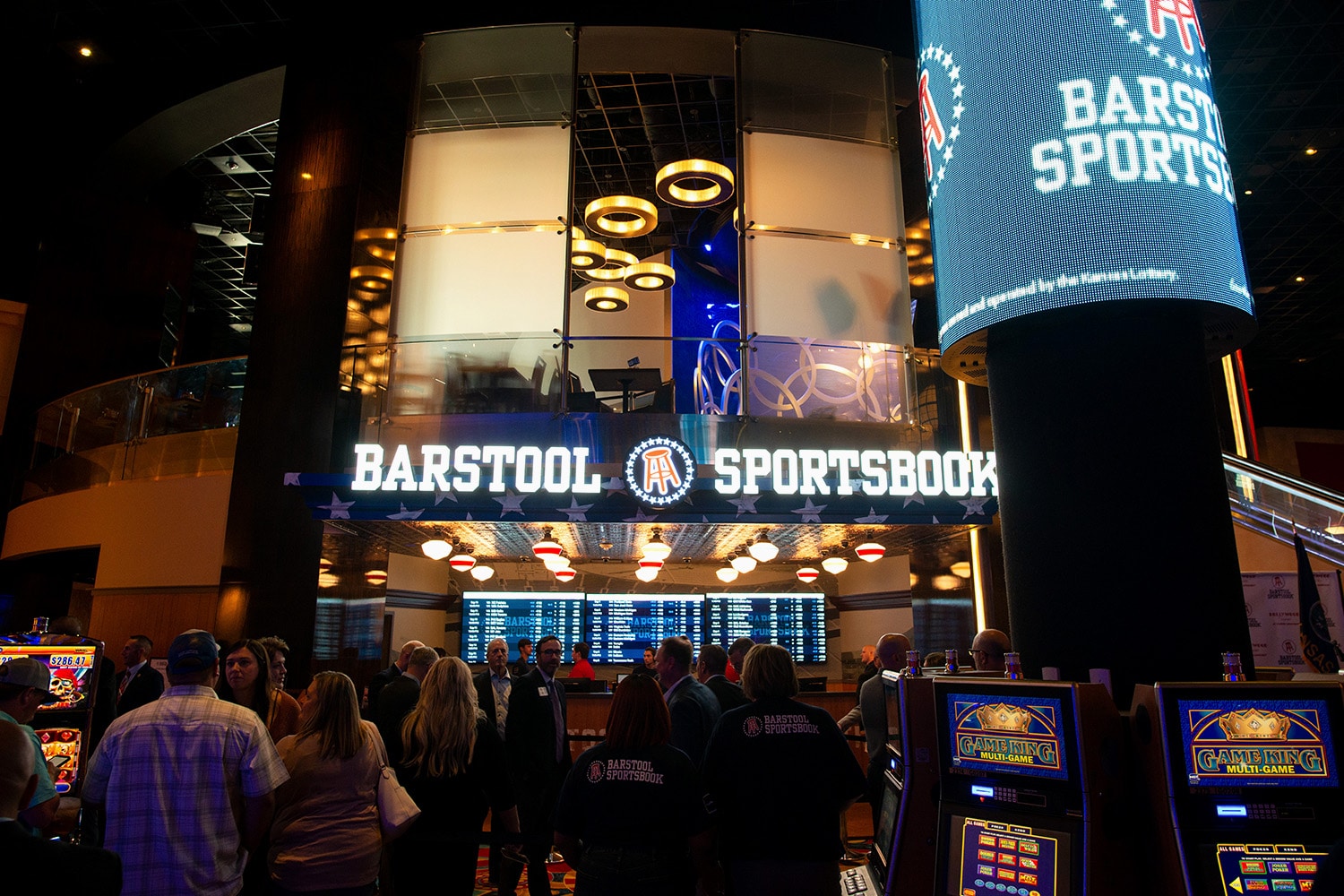
The figure of $80.9 million is more than just a line item; it serves as a historical benchmark for the "creator economy" at scale. In 2021, as Penn Entertainment integrated Barstool into its broader digital ecosystem, this revenue snapshot proved that a content-first strategy could generate significant top-line growth. At that time, the revenue was fueled by a unique blend of traditional media advertising and aggressive e-commerce, bolstered by the "Barstool Sportsbook" launch.
In the context of the 2026 media landscape, looking back at this $80.9 million period reveals how Barstool managed to maintain low customer acquisition costs (CAC) compared to traditional sportsbook operators. While competitors were spending hundreds of millions on television commercials, Barstool used its internal content engines—such as Pardon My Take and The Dave Portnoy Show—to drive organic traffic. This efficiency was the primary reason Penn originally valued the entity at nearly $450 million during the staged acquisition process between 2020 and 2023.
Diversified Revenue Streams: How Barstool Monetizes Attention
To understand how Barstool reached and eventually surpassed the $80.9 million mark, one must examine the diverse pillars of its business model. Unlike traditional sports outlets like ESPN or Fox Sports, Barstool operates as a hybrid of a talent agency, a retail brand, and a production house.
1. Merchandise and E-commerce (The "Brick by Brick" Model)
A substantial portion of the $80.9 million snapshot was derived from direct-to-consumer merchandise sales. Barstool has mastered the art of "moment marketing"—creating and selling apparel within hours of a viral sports event or a controversial pop-culture moment. Their "Barstool Store" acts as a high-margin revenue engine that capitalizes on the fierce loyalty of "Stoolies" (their dedicated fanbase).
2. Advertising and Sponsorships
Podcasting remains a crown jewel for the organization. Shows like Spittin' Chiclets and Pardon My Take command premium ad rates due to their high listener retention and specific demographics (mostly males aged 18–35). In the 2021 fiscal year, ad revenue was a dominant force, as brands sought to tap into the authentic, often irreverent voice that Barstool personalities provide.
3. Licensing and Gambling Partnerships
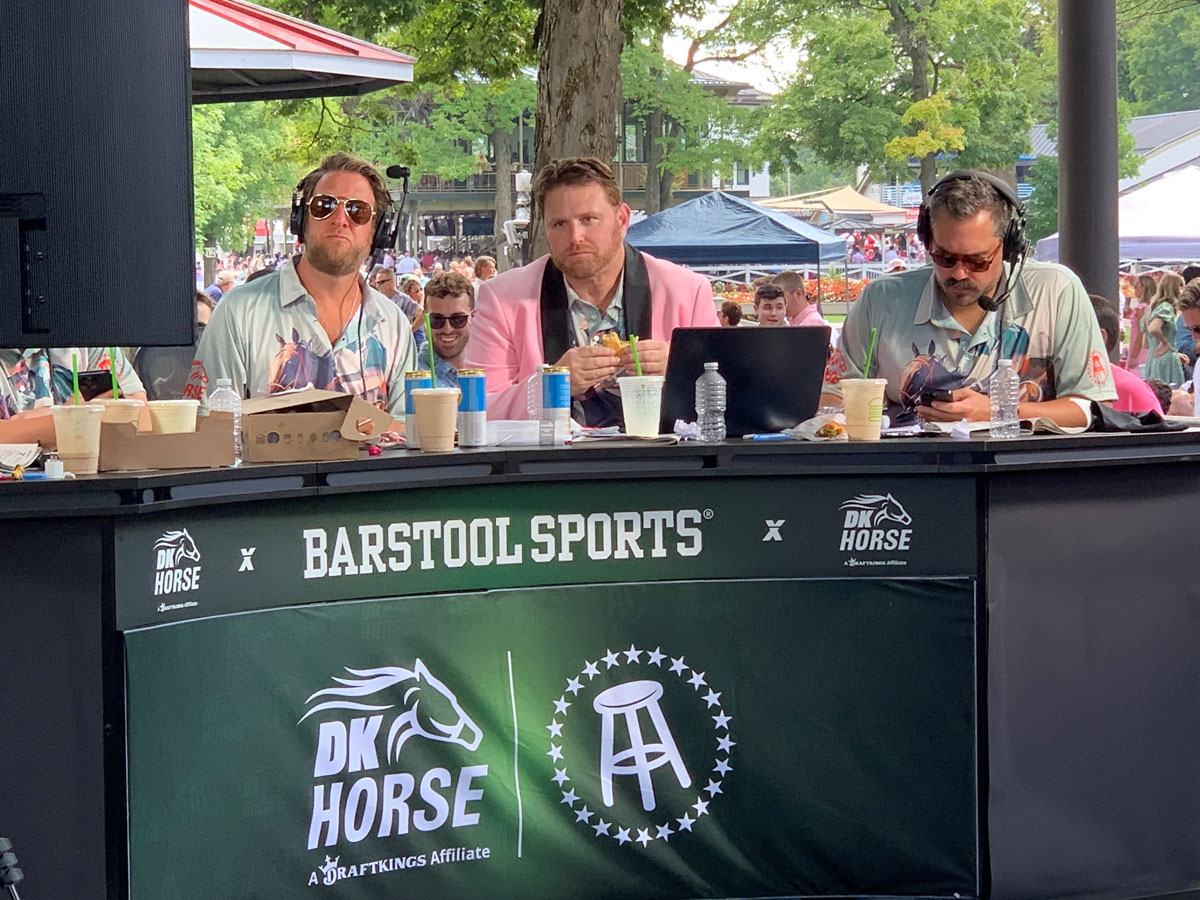
During the "Penn Era," Barstool served as the primary marketing arm for the Barstool Sportsbook. While the revenue from the gambling handle itself was often accounted for under Penn’s interactive segment, the marketing fees and licensing rights associated with the Barstool brand name contributed significantly to the perceived value of the $80.9 million revenue milestone. Even after the 2023 "divorce" from Penn and the subsequent 2024 partnership with DraftKings, licensing remains a critical component of their financial health in 2026.
Historical Revenue Comparison: Growth and Volatility
The journey to and beyond $80.9 million has not been linear. Barstool’s financial history is marked by rapid scaling followed by strategic pivots.
| Fiscal Period | Revenue (Estimated/Reported) | Ownership Status | Primary Driver |
|---|---|---|---|
| 2016 | ~$15 Million | The Chernin Group (Majority) | Early Podcasting & Blog Ads |
| 2019 | ~$90 Million–$100 Million | The Chernin Group / Portnoy | Scale of Merch & Podcasts |
| 2021 Snapshot | $80.9 Million | Penn Entertainment (36% Stake) | Gambling Integration & COVID-era Merch |
| 2023 | ~$150 Million+ | Full Penn Acquisition / Sale back | Full Digital Integration |
| 2025/2026 | ~$200 Million+ | Independent (Dave Portnoy) | DraftKings Partnership & New Media |
Note: The $80.9 million snapshot from 2021 specifically reflects Barstool's contribution to Penn's Interactive segment as reported in financial disclosures during that transition year.
The 2023 Pivot: Returning to Independence
In a move that shocked the media industry in August 2023, Penn Entertainment sold 100% of Barstool Sports back to its founder, Dave Portnoy, for $1. This occurred as Penn pivoted to a massive $2 billion deal with ESPN to launch "ESPN BET." The $80.9 million revenue era under Penn was characterized by strict regulatory oversight, which Portnoy often cited as a "straitjacket" for the brand's natural, edgy content.
Since returning to independence, the revenue model has shifted again. In 2026, Barstool is no longer tethered to a single casino operator's compliance department. This has allowed for a resurgence in "unfiltered" content, which has ironically increased their attractiveness to broad-market advertisers who had previously shied away during the Penn years. The 2024 multi-year partnership with DraftKings effectively replaced the lost Penn revenue, providing a massive capital infusion that helped the company maintain its $150M+ annual run rate.
Key Performance Indicators (KPIs) Beyond Revenue
While the $80.9 million snapshot provides a financial anchor, Barstool’s value is often measured in engagement metrics that traditional accounting doesn't fully capture.
- Social Media Reach: As of 2026, Barstool's cross-platform reach (TikTok, Instagram, X) exceeds 100 million followers. This top-of-funnel awareness is what feeds the merchandise and ad revenue streams.
- Customer Acquisition Cost (CAC): Barstool’s ability to convert a podcast listener into a merchandise buyer or a sports bettor remains industry-leading. Their "organic" CAC is estimated to be 70% lower than traditional digital marketing channels.
- Talent Retention: The brand has successfully diversified away from being purely "The Dave Portnoy Show." Personalities like Big Cat (Dan Katz) and the hosts of Chicks in the Office have built their own independent revenue sub-ecosystems under the Barstool umbrella.
Challenges and Operational Risks in 2026
Despite the impressive growth from the $80.9 million benchmark, Barstool faces significant headwinds in the current 2026 media environment:
- Platform Dependency: Like all modern media companies, Barstool is at the mercy of algorithm changes on platforms like TikTok and YouTube. Any "shadow-banning" or demonetization significantly impacts the bottom line.
- Content Sensitivity: The very thing that makes Barstool successful—its "common man," unfiltered approach—regularly puts it at risk of "cancel culture" or advertiser boycotts. Balancing this edge with the needs of blue-chip sponsors is a constant tightrope walk.
- Market Saturation: The "bro-sports" media space is more crowded in 2026 than it was in 2021. Competitors like The Pat McAfee Show and independent creator networks have increased the cost of talent and the fight for audience attention.
Frequently Asked Questions
What does the $80.9 million figure represent exactly?
The $80.9 million figure is a specific revenue snapshot from 2021, often cited in Penn Entertainment's financial reports. It represented the revenue generated by the Barstool Sports segment through content, merchandise, and advertising during its first full year of integration with the gambling giant.
Who owns Barstool Sports in 2026?
As of 2026, Barstool Sports is 100% owned by its founder, Dave Portnoy. He bought the company back from Penn Entertainment in August 2023 for $1, in exchange for non-compete agreements and a share of future sale proceeds if he ever sells the company again.
How does Barstool Sports make most of its money?
Barstool utilizes a "flywheel" monetization model. It produces free content to gain attention, which it then monetizes through high-margin merchandise (apparel), premium podcast sponsorships, live event ticket sales, and strategic licensing deals with gambling partners like DraftKings.
Is Barstool Sports profitable in 2026?
While Barstool does not publicly disclose its full internal balance sheet as a private company, industry analysts suggest it is cash-flow positive. By shedding the corporate overhead associated with Penn Entertainment and securing high-value licensing deals, the company has returned to a leaner, more profitable operational structure.
How did the Penn Entertainment deal affect Barstool's revenue?
The Penn deal initially boosted revenue by providing massive resources for video production and a dedicated "gambling" revenue stream. However, it also increased compliance costs and restricted certain types of content. The return to independence in 2023 allowed the company to lower overhead while retaining its core audience.
Practical Recommendation for Analysts
When evaluating the "barstool revenue a 80 9 million snapshot," it is essential to view it as a floor rather than a ceiling. For business analysts and investors, the lesson of Barstool Sports is the power of owned audience. In a world where digital privacy laws (like those evolving through 2026) make traditional ad-tracking harder, Barstool’s ability to sell directly to its fans through a trusted relationship is the ultimate hedge against market volatility.
If you are tracking the media sector, look past the raw revenue numbers and focus on the conversion rate of social followers to paying customers. That ratio is the true engine behind Barstool's financial success and its ability to rebound from a $1 valuation back to a powerhouse independent entity.
Image Gallery