Why Alex Trebek Whole Life Insurance Matters: A Legacy of Final Expense Protection
Alex Trebek’s endorsement of whole life insurance matters because it bridged the gap between complex financial products and the specific needs of the senior demographic. By leveraging his reputation for integrity, he popularized "guara...
Alex Trebek’s endorsement of whole life insurance matters because it bridged the gap between complex financial products and the specific needs of the senior demographic. By leveraging his reputation for integrity, he popularized "guaranteed acceptance" policies, making final expense coverage accessible to those otherwise deemed uninsurable due to age or health.
Contents
For decades, the late Alex Trebek was more than just the host of Jeopardy!; he was a fixture in American living rooms, a symbol of knowledge, reliability, and calm authority. When he became the face of Colonial Penn’s life insurance commercials, he didn't just sell a product; he normalized the conversation around end-of-life financial planning. Even in 2026, his influence persists as the "995 Plan" remains a benchmark for how final expense insurance is marketed and perceived.
To understand why this specific brand of whole life insurance matters, one must look past the celebrity endorsement and into the mechanics of the policy itself, the socio-economic needs of the target audience, and the lasting impact on the insurance industry.
The Intersection of Trust and Financial Security
Trust is the most valuable currency in the insurance industry. For many seniors, the world of actuary tables, premium calculations, and medical underwriting is opaque and intimidating. Alex Trebek’s involvement changed the emotional landscape of these products.
The "Jeopardy!" Effect
Because Trebek was associated with a show that rewarded facts and intelligence, his endorsement carried a weight that few other celebrities could match. When he spoke about the "three Ps" (Price, Price, and Price) or the ease of enrollment, viewers felt they were receiving a recommendation from a knowledgeable friend rather than a high-pressure salesperson. This trust allowed millions of seniors to engage with a product that provided a "permanent" solution to the fear of leaving behind funeral costs for their families.
Normalizing Final Expense Conversations
Before the widespread success of these campaigns, many families avoided discussing funeral costs until a crisis occurred. Trebek’s ubiquitous commercials made the concept of "final expense insurance" a household term. It shifted the narrative from "buying life insurance" to "protecting your family from the burden of debt." This shift is vital because it addresses a specific pain point: the rising cost of funerals, which in 2026 continues to be a significant financial hurdle for middle- and lower-income families.
Technical Mechanics: Understanding the "995 Plan"
When people refer to "Alex Trebek insurance," they are almost always talking about Colonial Penn’s Guaranteed Acceptance Whole Life Insurance. To understand why it matters, you must understand how it functions technically, specifically regarding its unit-based pricing and guaranteed issue nature.
Guaranteed Acceptance (No Medical Exam)
The primary appeal of this policy is that it is "Guaranteed Issue." This means there are no health questions and no medical exams. In the traditional life insurance market, an individual in their 70s with a history of heart disease or diabetes might be flatly rejected or charged astronomical rates.
- Significance: It provides a floor of coverage for the "uninsurable."
- Trade-off: Because the insurer takes on high risk, the death benefits are typically lower than those of medically underwritten policies.
The Unit-Based Pricing System
Unlike most insurance where you choose a coverage amount (e.g., $10,000) and are told the price, the 995 Plan keeps the price fixed at $9.95 per "unit."
- The Variable: What changes is the amount of coverage that $9.95 buys.
- Age and Gender Impact: A 50-year-old man will get significantly more coverage for one unit than an 80-year-old man.
- Inflationary Context: By 2026, while the unit price of $9.95 has become an iconic marketing staple, the actual purchasing power of one unit has decreased, making it essential for consumers to understand how many units they actually need to cover a modern funeral.
The Two-Year Graded Death Benefit
A critical technical detail often missed by consumers—but vital to the product's viability—is the graded death benefit. If the insured person dies within the first two years of the policy from natural causes, the beneficiary does not receive the full face value. Instead, they typically receive the premiums paid plus a set percentage of interest (often 7% to 10%).
- Why this matters: It protects the insurance company from "adverse selection," where someone buys a policy knowing they are terminal. After the two-year mark, the full death benefit is active.
Comparison of Final Expense Insurance Types
To see where the Trebek-endorsed model fits, it helps to compare it to other common life insurance products available to seniors in 2026.
| Feature | Guaranteed Acceptance (Trebek Model) | Simplified Issue Whole Life | Term Life Insurance |
|---|---|---|---|
| Medical Exam | None | Health Questions only | Full Exam Required |
| Approval Rate | 100% (within age limits) | High (depends on history) | Moderate to Low for seniors |
| Cash Value | Yes (accrues slowly) | Yes | No |
| Waiting Period | 2-Year Graded Benefit | Immediate Coverage | Immediate Coverage |
| Best For | Seniors with serious health issues | Seniors in relatively good health | High coverage for specific term |
Why the Whole Life Structure is Essential
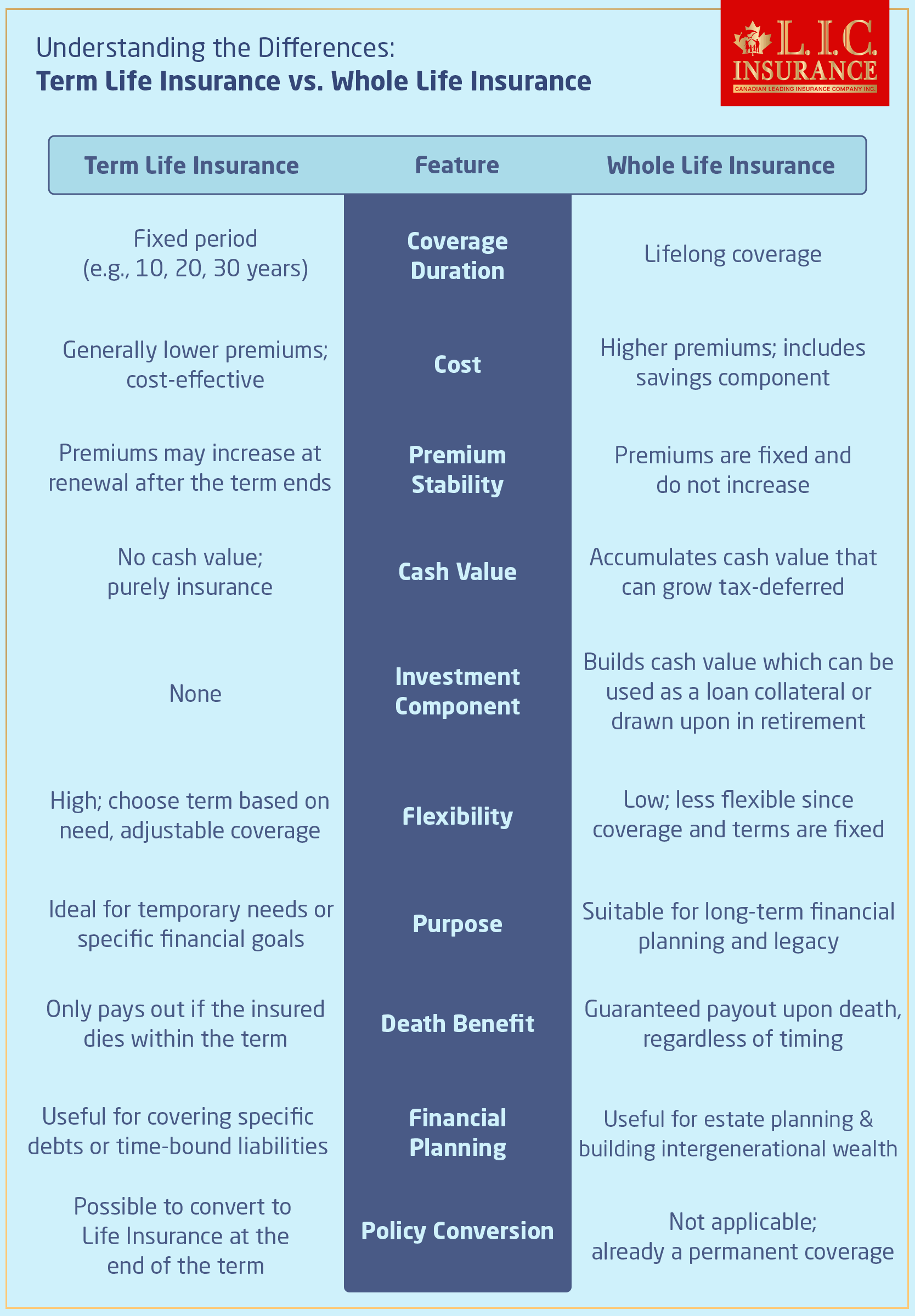
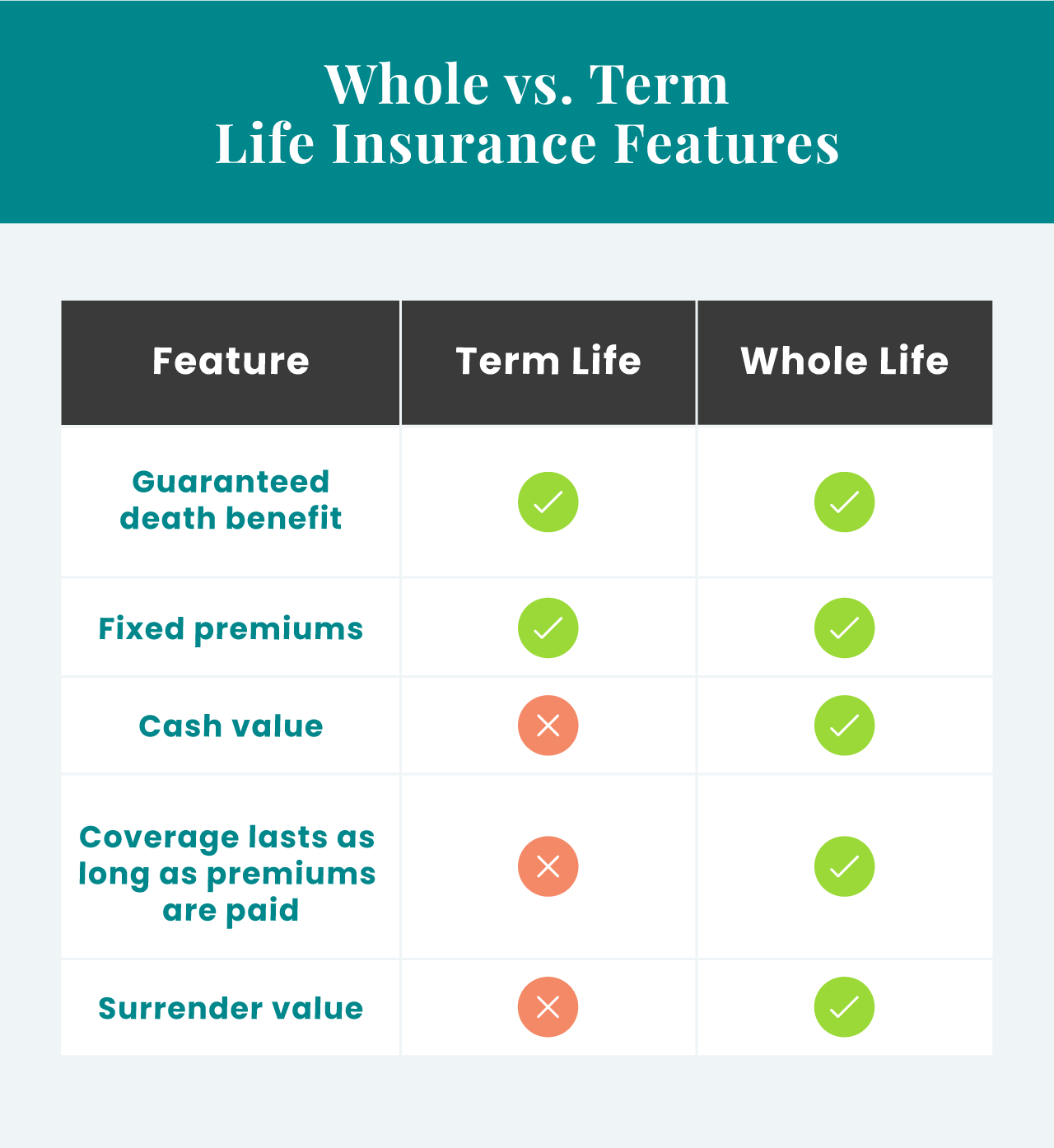
The "whole life" aspect of this insurance is perhaps the most important technical reason why it matters. Many seniors are tempted by term life insurance because it offers higher death benefits for lower initial premiums. However, for final expenses, term insurance is often a mistake.
- Lifetime Coverage: Term insurance expires. If a senior buys a 10-year term policy at 70 and lives to 81, the policy disappears, and they are left with nothing. Whole life insurance, like the plans Trebek promoted, lasts for the insured's entire life as long as premiums are paid.
- Fixed Premiums: In the Trebek model, the premium for a unit never increases. For a senior on a fixed Social Security income, the certainty that their $9.95 (or multiple thereof) will not jump to $50 next year is a critical component of financial stability.
- Cash Value Accumulation: While the cash value in small final expense policies is rarely enough to serve as a retirement fund, it does provide a small "surrender value" or the ability to take a policy loan in an emergency.
Cultural and Economic Impact in 2026
By 2026, the legacy of Alex Trebek’s endorsement has shaped a generation of "silver" consumers. The insurance industry has seen a massive influx of "copycat" products, but the original Trebek-endorsed model remains the most recognized.
Financial Literacy for the Aging
The simplicity of the marketing—focused on a single price point—forced competitors to become more transparent. It sparked a broader interest in "Final Expense" as a specific niche of the insurance market. Consumers now regularly use tools to compare "cost per thousand" of coverage, a level of scrutiny that Trebek’s simple "9.95" pitch ironically helped initiate by giving people a baseline to compare against.
The Role of the Beneficiary
One reason this insurance matters so much is its impact on the beneficiary rather than the policyholder. In an era where the average funeral costs between $8,000 and $12,000, many families face "crowdfunding" or debt to bury loved ones. These whole life policies provide an immediate liquidity event. Most final expense companies prioritize fast payouts—often within 24 to 48 hours of receiving a death certificate—which is much faster than the probate process or the sale of a home.
Common Misconceptions and Limitations
While Alex Trebek’s endorsement brought positive attention to the product, it also led to some common misunderstandings that consumers must navigate.
- The "One Unit" Myth: Many people assume one unit ($9.95) is enough to cover a funeral. In reality, one unit for a 75-year-old might only provide $1,000 to $1,500 in coverage. Consumers often need to purchase 8 to 12 units to actually cover a standard burial.
- The Waiting Period Realization: Family members are sometimes surprised when a claim is denied the full payout because the policyholder died 18 months after purchase. Understanding the Graded Death Benefit is essential for managing expectations.
- Cost vs. Underwritten Plans: If you are in good health, "Trebek insurance" is actually more expensive than a policy that requires health questions. You are essentially paying a premium for the convenience of not having to prove you are healthy.
Strategic Advice for Consumers in 2026
For those looking at final expense options today, the Trebek model should be viewed as a specialized tool.
- Assess Your Health First: If you can pass a few health questions (Simplified Issue), you will likely get 30% to 50% more coverage for the same price.
- Calculate the "True Cost": Don't just look at the $9.95. Look at how many units you need to reach a $10,000 benefit and compare that total monthly cost to other providers.
- Verify the Company's Financial Strength: Ensure the insurer has a high rating from A.M. Best or Demotech. A whole life policy is only as good as the company's ability to pay decades from now.
- Read the Fine Print on Graded Benefits: Know exactly what happens if death occurs in year one versus year three.
FAQ
Q: Can I still buy the Alex Trebek insurance plan today? A: Yes. While Alex Trebek passed away in 2020, the Colonial Penn 995 Plan he famously endorsed is still a flagship product in 2026. The marketing may have evolved, but the core structure of the guaranteed acceptance whole life policy remains available.
Q: Does the $9.95 price ever go up? A: No. A hallmark of this whole life insurance is that once you are locked in, your premium for that unit stays at $9.95 for the life of the policy. However, you cannot add more coverage at that same original rate later if you are older; you would have to buy new units at your current age's coverage value.
Q: Is there a medical exam required for these plans? A: No. These are "Guaranteed Acceptance" policies. No medical exams are required, and there are no health questions to answer. This is why they are particularly significant for seniors with pre-existing conditions.
Q: What is the maximum age to apply? A: Most guaranteed acceptance plans, including those popularized by Trebek, have an age range of 50 to 85. Eligibility varies slightly by state and specific product updates in 2026.
Q: How long does it take for the full death benefit to become active? A: Generally, there is a two-year waiting period (graded benefit). If you die of natural causes during this time, your beneficiaries receive the premiums paid plus interest. Full coverage applies immediately for accidental deaths.
Final Recommendation
Alex Trebek’s whole life insurance legacy matters because it provided a dignified, accessible entry point for end-of-life planning. If you have significant health issues that prevent you from qualifying for traditional life insurance, a guaranteed acceptance plan is an essential safety net. However, if you are in relatively good health, your next action should be to compare these "no-questions" plans against "simplified issue" policies, as you may find significantly higher coverage amounts for a similar monthly investment.
Image Gallery