Mastering the Wake County Real Estate Search for 2026
Navigating the Wake County real estate search requires understanding local market dynamics, leveraging advanced property portal filters, and tracking municipal growth patterns across Raleigh, Cary, and surrounding areas. Whether you ar...
Navigating the Wake County real estate search requires understanding local market dynamics, leveraging advanced property portal filters, and tracking municipal growth patterns across Raleigh, Cary, and surrounding areas. Whether you are relocating or buying locally, mastering MLS data feeds and zoning laws ensures you secure the right property in this competitive market.
Contents
Wake real estate search primarily refers to the process of finding residential, commercial, or land properties within Wake County, North Carolina, utilizing specialized multiple listing services (MLS), public records, and digital property portals tailored to the Research Triangle region.
Essential Criteria for Navigating the Triangle Property Market
The Triangle region—anchored by Raleigh, Cary, Durham, and Chapel Hill—operates as one of the most dynamic housing markets in the United States. Initiating a property search here demands a firm grasp of regional micro-markets. Factors such as proximity to the Research Triangle Park (RTP), school district boundaries within the Wake County Public School System (WCPSS), and hyper-local property tax rates heavily influence property values.
Buyers must look beyond simple square footage metrics and evaluate municipal infrastructure plans. For instance, the ongoing expansion of the GoRaleigh transit network and planned commuter rail lines drastically affect the long-term appreciation potential of properties located near transit corridors. Additionally, understanding the distinction between properties inside city limits versus those in extra-territorial jurisdictions (ETJs) dictates future annexation possibilities, municipal service delivery, and utility access.
Leveraging Modern MLS Portals and Data Feeds
Accurate property searching depends entirely on the quality of the data feed. While consumer-facing aggregators offer broad visibility, they often suffer from latency issues, occasionally displaying homes that are already under contract or pending.
Core Data Sources for Wake County Properties
- Triangle MLS (TMLS): The primary source of truth for real estate professionals in the region, offering real-time updates on active, pending, and closed listings.
- Wake County iMaps: The official geographic information system (GIS) maintained by the county government, essential for verifying parcel boundaries, ownership history, and flood zone designations.
- Wake County Register of Deeds: The authoritative repository for property deeds, mortgages, liens, and restrictive covenants associated with specific subdivisions.
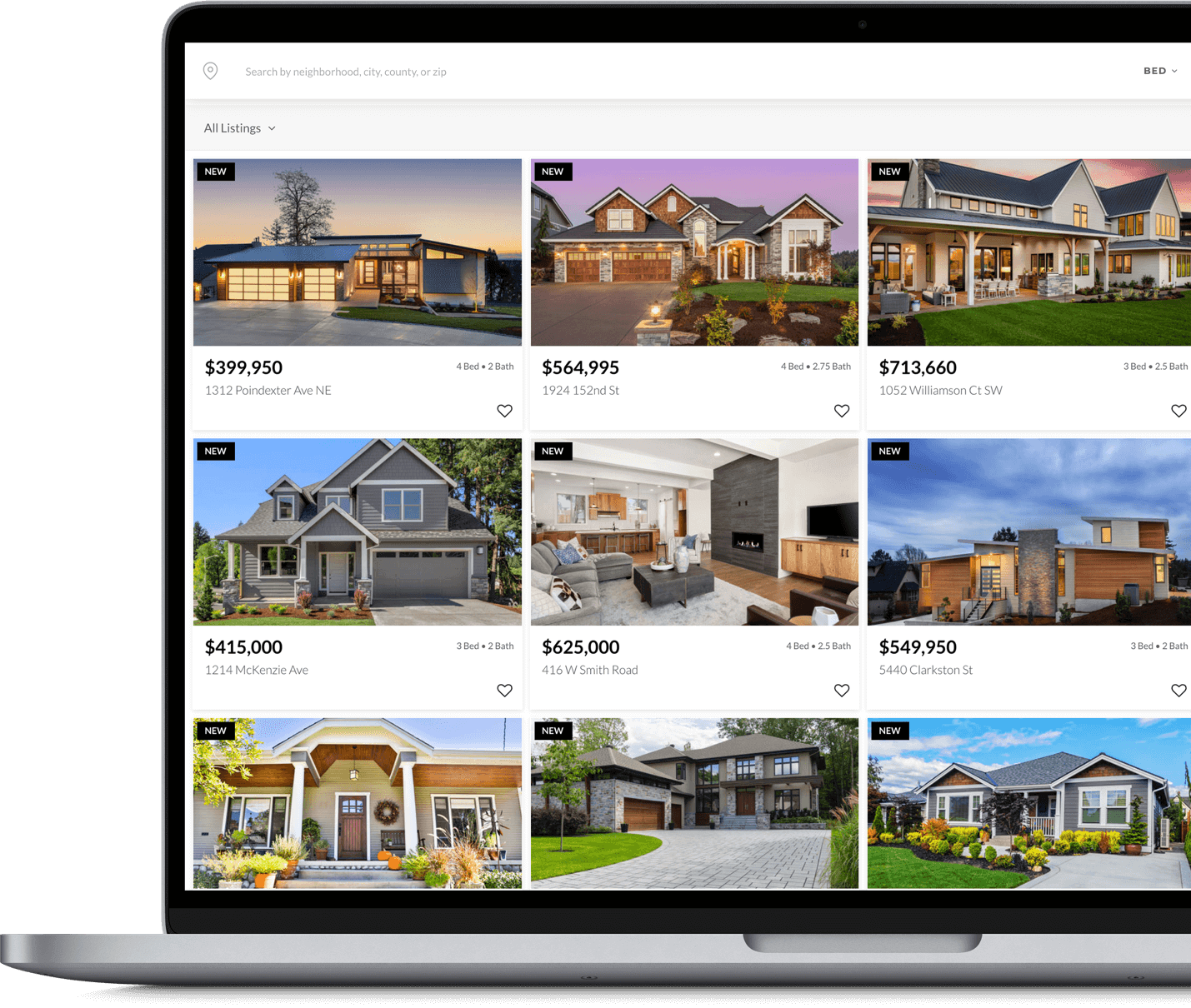
To execute an efficient search, users should apply granular filters on professional-grade portals that sync directly with TMLS. Filtering by subdivision restrictions, HOA fee structures, and specific architectural styles prevents wasted time filtering through incompatible inventory.
Step-by-Step Guide to Executing a Targeted Property Search
Conducting a structured search prevents decision fatigue and ensures no critical properties are missed. Follow this methodical workflow to identify target properties in Wake County:
- Define Financial Parameters: Secure a pre-approval letter from a reputable local lender familiar with North Carolina closing customs, property taxes, and insurance requirements.
- Select Geographic Boundaries: Identify preferred municipalities, townships, or specific Wake County school assignment nodes using the WCPSS interactive mapping tools.
- Configure Alert Parameters: Set up automated daily email alerts on TMLS-synced platforms for new listings matching your exact bed, bath, price, and acreage criteria.
- Conduct Preliminary Due Diligence: For every property of interest, cross-reference the parcel ID on Wake County iMaps to inspect topographical features, easements, and adjacent zoning.
- Evaluate HOA and Covenants: Review community bylaws, architectural control committee rules, and upcoming special assessments before scheduling physical walkthroughs.
Comparative Overview of Wake County Municipalities
Different municipalities within Wake County offer distinct lifestyle, taxation, and appreciation profiles. The table below outlines key metrics for major search targets within the county.
| Municipality | Median Home Price Trend | Property Tax Rate (per $100) | Primary Economic Driver | Notable Lifestyle Feature |
|---|---|---|---|---|
| Raleigh | $440,000 - $480,000 | $0.4682 (City) + $0.6205 (County) | State Government, Tech, Higher Education | Urban core, cultural centers, greenway trails |
| Cary | $570,000 - $630,000 | $0.3550 (Town) + $0.6205 (County) | Technology, Corporate HQs, Biotech | Master-planned communities, low crime, parks |
| Apex | $530,000 - $590,000 | $0.3800 (Town) + $0.6205 (County) | Tech, Manufacturing, Small Business | Historic downtown, family-oriented neighborhoods |
| Fuquay-Varina | $390,000 - $440,000 | $0.4950 (Town) + $0.6205 (County) | Commuter Suburb, Local Commerce | Dual downtowns, rapid residential expansion |
| Wake Forest | $450,000 - $510,000 | $0.5900 (Town) + $0.6205 (County) | Commuter Suburb, Healthcare | Historic charm, proximity to Falls Lake |
Decoding North Carolina Real Estate Contracts and Due Diligence
Executing a successful search is only the first phase; navigating North Carolina's unique contract structure is vital for acquisition success. Unlike many states where earnest money is protected during inspection periods, North Carolina real estate law centers around two distinct financial commitments:
- Due Diligence Fee: A negotiated, non-refundable sum paid directly to the seller upon contract execution. This fee buys the buyer an unrestricted right to terminate the contract for any reason during the due diligence period.
- Earnest Money Deposit: Held in an escrow account, this sum is typically refundable if the buyer terminates before the expiration of the due diligence period, but is subject to strict dispute resolution procedures if a default occurs.
During the due diligence window, buyers must perform rigorous physical inspections, radon testing, termite inspections (WDO), and boundary surveys. Given the prevalence of expansive clay soils in parts of the Piedmont region, structural engineer evaluations are frequently warranted for older properties or homes showing foundation settling.
Frequently Asked Questions About Wake County Real Estate
What is the most accurate real estate search tool for Wake County?
The Triangle MLS (TMLS) feed used by licensed local brokers provides the most accurate, real-time data for Wake County properties. Consumer aggregators like Zillow and Realtor.com also sync with TMLS, but professional platforms update status changes more rapidly.
How do Wake County property taxes work?
Property taxes are assessed annually by Wake County based on 100% of appraised market value, reassessed on a multi-year cycle. Properties located inside municipal limits (such as Raleigh or Cary) also pay city taxes in addition to the county rate.
Are Wake County school assignments guaranteed by home address?
No. While WCPSS uses assignment plans tied to residential addresses, the school board frequently adjusts boundaries to accommodate rapid population growth. Buyers should verify current and projected school assignments directly through the WCPSS student assignment office.
What is a Due Diligence Period in North Carolina real estate?
It is a negotiated timeframe during which the buyer investigates the property, conducts inspections, and finalizes financing. The buyer pays a non-refundable fee for this right and can terminate the contract for any reason before the period expires.
How does proximity to Research Triangle Park affect home values?
Properties within a 20-to-30-minute commute of Research Triangle Park historically experience higher demand and stronger price appreciation due to the concentration of high-paying tech and life science jobs in the area.
Partnering with Local Expertise
Navigating the complexities of the Wake County property market requires more than automated search alerts; it demands boots-on-the-ground market intelligence. Connect with an experienced local real estate advisor today to set up a customized, private MLS portal tailored to your precise investment or lifestyle objectives.
Image Gallery