Mastering the Backpfeifengesicht Pronunciation: A Complete Linguistic Guide
Mastering the backpfeifengesicht pronunciation requires understanding its German roots, specifically breaking down the compound words Backpfeife (face-slap) and Gesicht (face). To pronounce it correctly as [ˈbakˌpfaɪfənɡəˌzɪçt], focus...
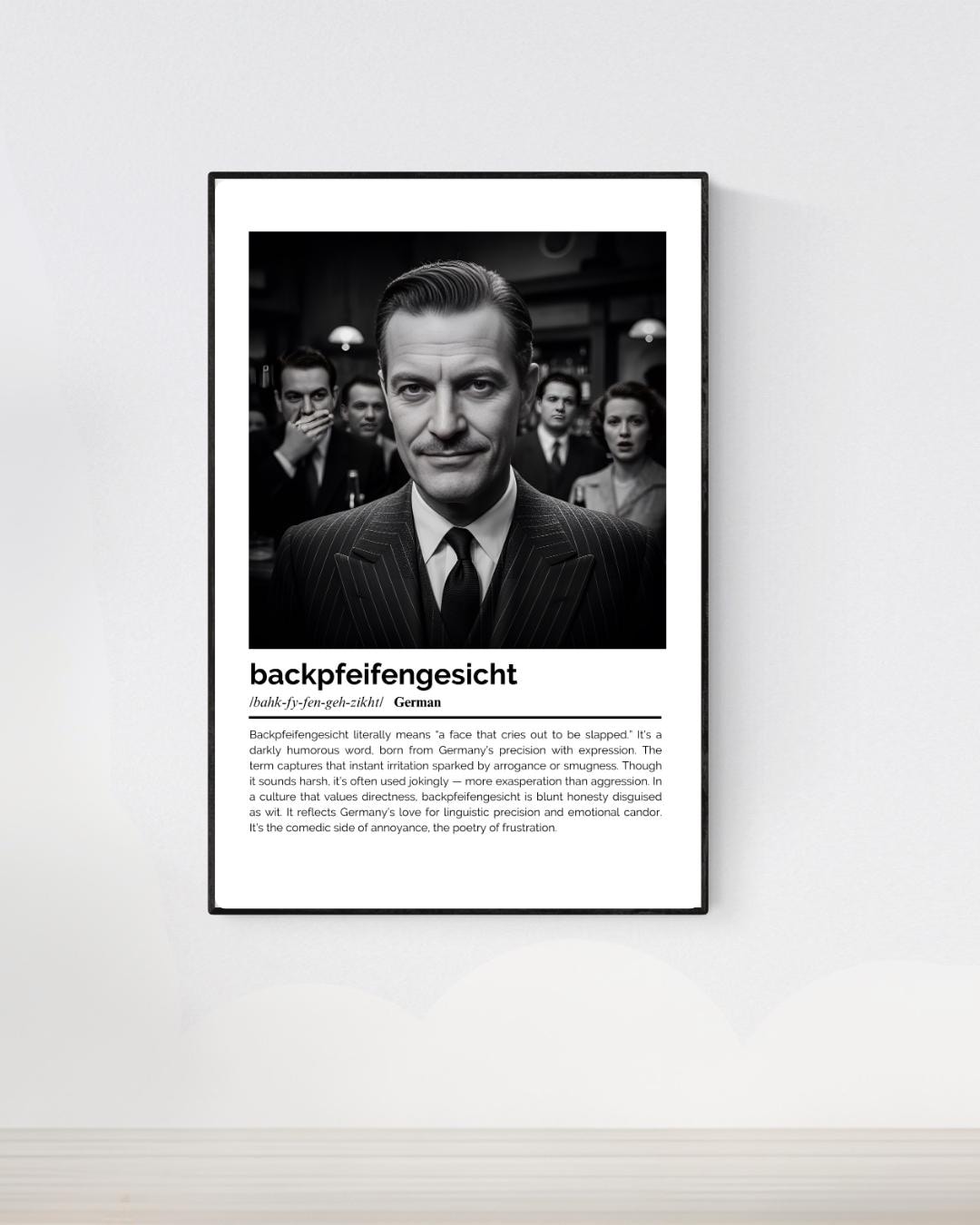
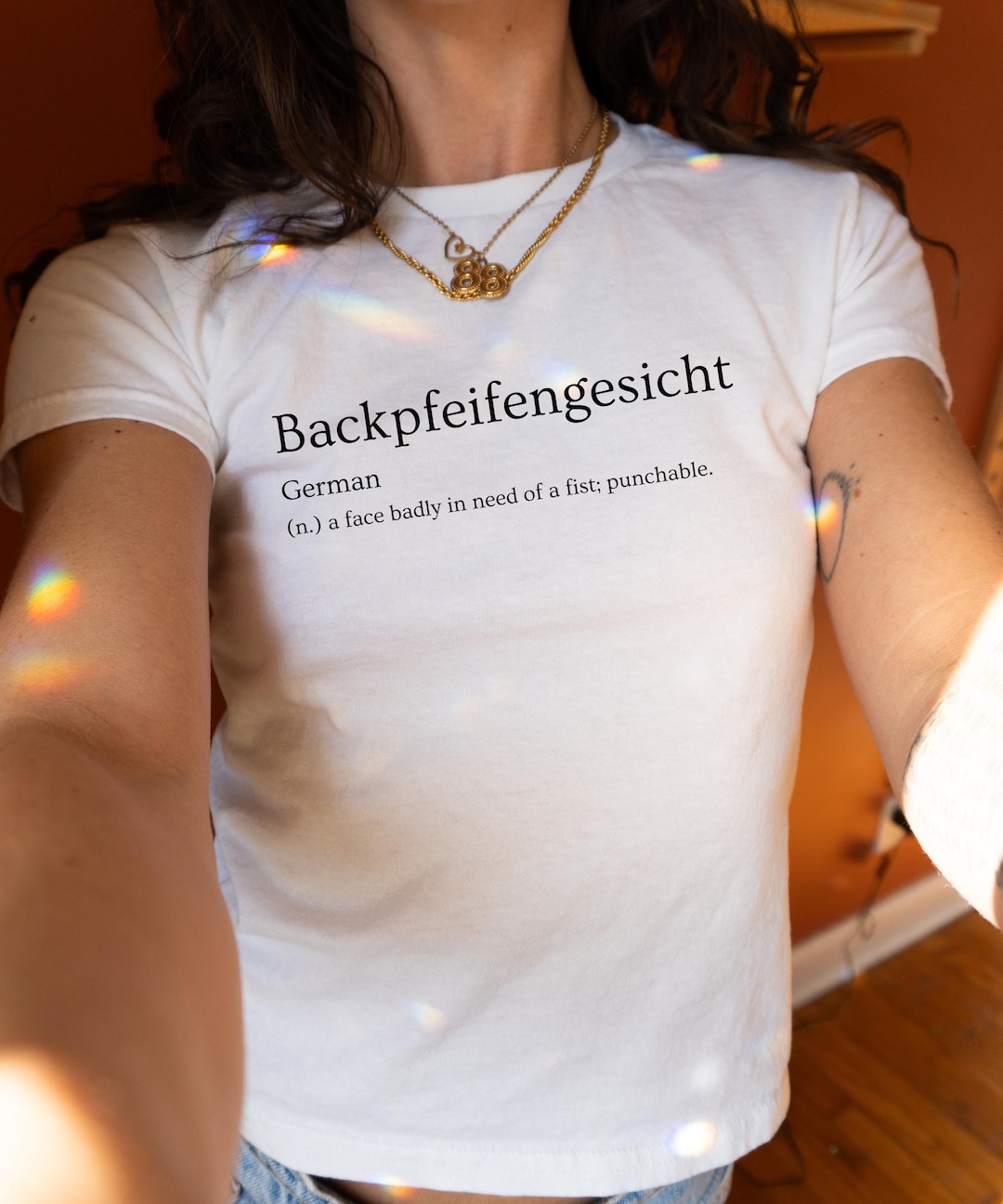
Mastering the backpfeifengesicht pronunciation requires understanding its German roots, specifically breaking down the compound words Backpfeife (face-slap) and Gesicht (face). To pronounce it correctly as [ˈbakˌpfaɪfənɡəˌzɪçt], focus on the crisp voiceless plosive /k/, the diphthong /aɪ/ in pfeife, and the German voiceless palatal fricative /ç/ at the end.
Contents
Etymology and Linguistic Breakdown of the Term
The German language is famous for compounding multiple nouns and verbs into a single, highly descriptive concept. Understanding the structural anatomy of this specific compound word provides a reliable framework for executing an accurate phonetic delivery.
Linguists categorize this expression as a nominal compound built from two primary constituents:
- Backpfeife: Derived from backen (cheek) and Pfeife (pipe/whistle), historically shifting in meaning to signify a sharp blow or slap delivered to the cheek.
- Gesicht: The standard German noun translating directly to face or visage.
Combining these elements yields a literal meaning that translates to a face desperately needing a fist introduction. Because foreign speakers often stumble over the transition between the dental-labial friction and the guttural ending, analyzing the syllable structure is essential for proper articulation.
Phonetic Transcription and International Phonetic Alphabet (IPA) Breakdown
To achieve native-level fluency, learners must examine the exact International Phonetic Alphabet (IPA) representation. The standard High German pronunciation is transcribed as:
[ˈbakˌpfaɪfənɡəˌzɪçt]
Every syllable carries specific mechanical demands for the tongue, lips, and vocal cords:
- [bak]: Starts with a sharp, unaspirated plosive /b/ transitioning into a short vowel /a/ and closing with a hard velar stop /k/.
- [pfaɪ]: Features the labiodental affricate /pf/, which requires simultaneous or rapid successive release of a bilabial plosive /p/ and a labiodental fricative /f/, followed by the open-to-close diphthong /aɪ/.
- [fən]: A weak, unstressed syllable containing a labiodental fricative /f/, a central schwa /ə/, and a nasal alveolar /n/.
- [ɡə]: A voiced velar plosive /ɡ/ paired with an unstressed schwa /ə/.
- [ˌzɪçt]: Begins with a voiced alveolar sibilant /z/, moves to a short front lax vowel /ɪ/, hits the voiceless palatal fricative /ç/ (the "ich-laut"), and terminates with a crisp alveolar plosive /t/.
Step-by-Step Articulation Guide for English Speakers
Non-native speakers frequently struggle with specific German phonemes that do not exist in standard English. Executing this multi-syllable term requires isolating the most difficult transitions and practicing them incrementally.
Phonetic Drill Protocol: Always isolate the affricate and the ending fricative before attempting to speak the full compound word at a conversational tempo. Rushing the middle syllables will cause the tongue to trip over the consonant clusters.
- Master the Initial Cluster: Pronounce the first half as "BAK" with a sharp, decisive stop on the final consonant. Avoid dragging out the vowel sound.
- Execute the Affricate (/pf/): Practice saying "PF" as if starting the word "phew" combined with a crisp "pop" of the lips. The air must escape through the narrow gap between your top teeth and bottom lip.
- Blend the Diphthong: Connect the affricate smoothly to the "eye" sound, creating "PFAI."
- Soften the Middle: Keep the syllables "-fen-ge-" light and rapid, functioning almost as breath-support transitions rather than stressed units.
- Conclude with the Ich-Laut (/ç/): Position your tongue as if making a continuous "H" sound while smiling, forcing air across the middle of your tongue against the hard palate. Do not substitute this with a heavy velar "K" or a Spanish "J" sound.
Comparative Analysis of Common Pronunciation Errors
Even advanced language students fall into predictable traps when attempting complex vocabulary. Identifying these common deviations helps correct muscle memory before bad habits solidify.
| Target Element | Common Mispronunciation | Correct Native Standard | Correction Strategy |
|---|---|---|---|
| Initial Plosive | Soft, breathy "bag" | Crisp, voiceless "bak" | Tighten the vocal cords slightly and clip the final /k/ sound cleanly. |
| The /pf/ Sound | Pronounced as a pure "F" or "P" | Combined labiodental affricate /pf/ | Ensure both lips touch briefly before blowing air through the teeth. |
| The Diphthong | Broad American "oy" or "ee" | Clear open-to-front /aɪ/ | Open the jaw wide on /a/ before gliding rapidly to /ɪ/. |
| Final Fricative | Hard Scottish/German "ch" (Ach-Laut) | Soft palatal fricative /ç/ (Ich-Laut) | Raise the middle of the tongue toward the hard palate; avoid deep throat scraping. |
Regional Variations and Dialectal Shifts in Pronunciation
While High German (Hochdeutsch) establishes the institutional baseline for pronunciation across media and education, regional dialects in Germany, Austria, and Switzerland introduce minor phonetic nuances.
- Northern Germany: Speakers tend to articulate consonants with maximum crispness, often shortening vowels slightly while maintaining extreme precision on the final dental stops.
- Southern Germany and Austria: Vowels may take on a slightly more open quality, and unstressed schwa sounds at the middle syllables can become elided or swallowed entirely in rapid colloquial speech.
- Swiss German Context: While the term exists conceptually across the German-speaking sphere, Swiss variants may shift the terminal plosives or alter the tonal cadence, though standard High German rules remain universally understood.
Frequently Asked Questions
What does backpfeifengesicht actually translate to?
It translates literally to "a face that is begging for a fist" or a punchable face. It is a colloquial noun used to describe someone whose facial expression or appearance provokes annoyance.
Is the final 't' in gesicht pronounced softly?
The final 't' is pronounced as a crisp, voiceless alveolar plosive. It should never be completely dropped, though native speakers may release it with minimal aspiration.
How do I practice the /pf/ sound if it doesn't exist in English?
Start by whispering the word "cap" followed immediately by "phone," then drop the 'ca-' and 'hone' parts until your lips execute the transition automatically.
Why is the middle of the word so difficult to articulate?
The difficulty stems from the rapid alternation between labiodental fricatives, nasal consonants, and voiced plosives within a single elongated breath stream.
Can non-native speakers easily master this word without accent?
With targeted phonetic drills focusing on the Ich-Laut and the initial affricate, non-native speakers can achieve high intelligibility and near-native execution.
Practical Recommendations for Language Learners
Improving your overall German pronunciation requires moving beyond individual words and integrating rhythm, intonation, and breath control into daily study routines. Record your voice while attempting complex vocabulary and compare your audio wave patterns against native speech repositories. Focus heavily on mouth posture, jaw dropping during open vowels, and tongue placement for fricatives. Consistent, slow-tempo repetition builds the necessary muscle memory far more effectively than fast, careless attempts.
Image Gallery