Understanding the Judiciary Committee Responsibilities: A Comprehensive Guide
The Judiciary Committee, primarily within the United States Senate and the House of Representatives, serves as a critical legislative body responsible for overseeing the federal court system, administrative agencies, and matters pertai...
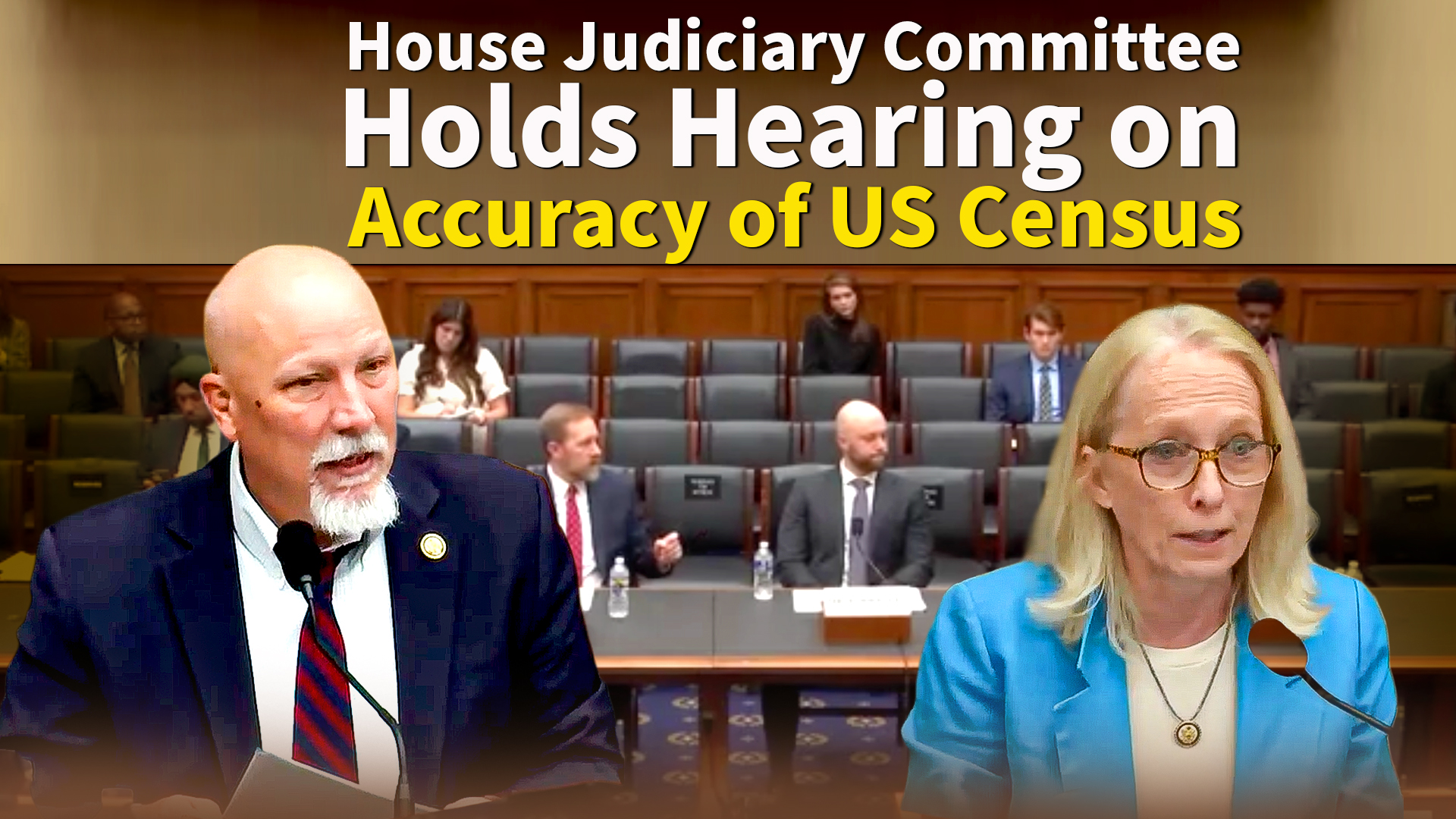
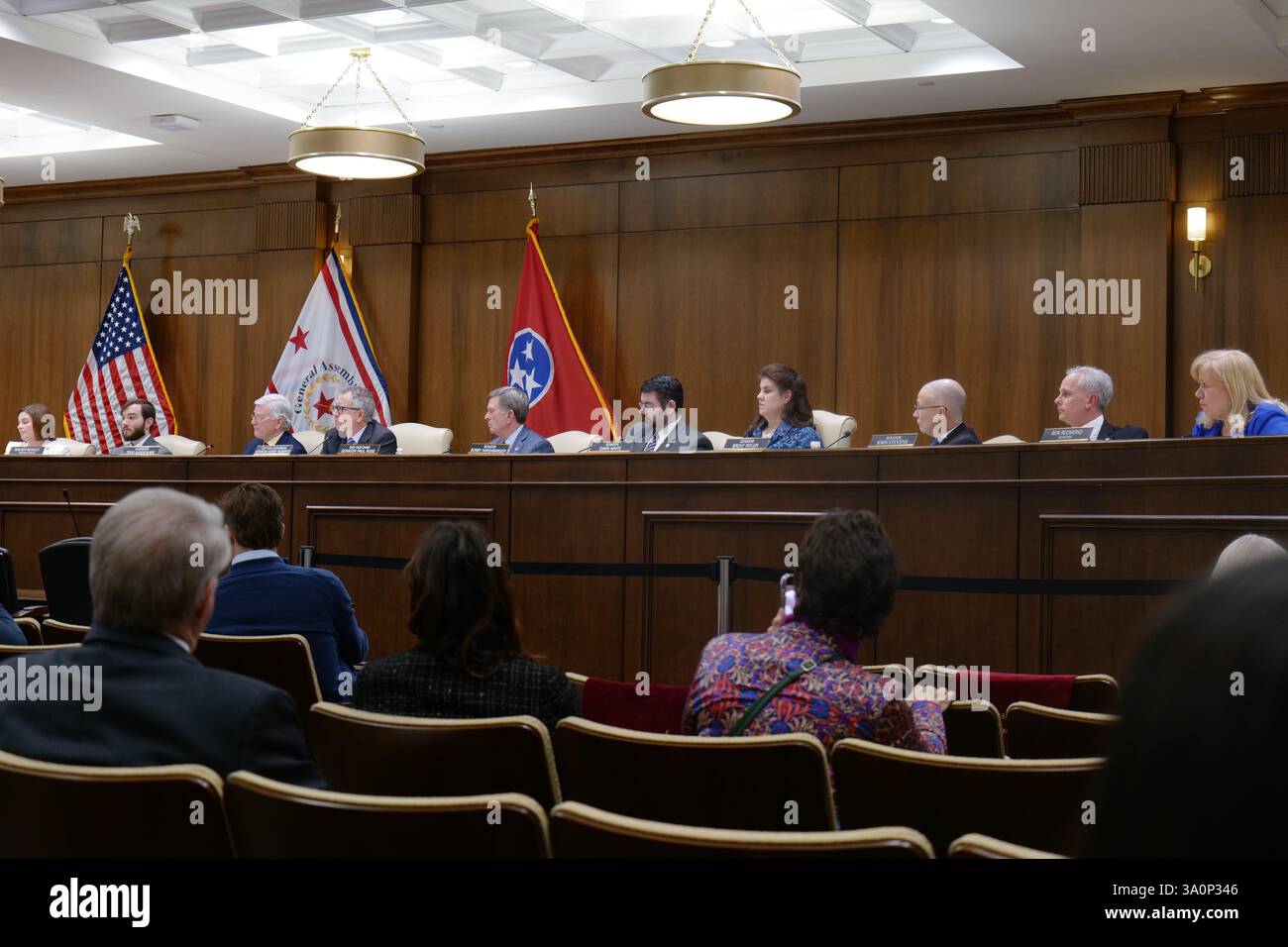
The Judiciary Committee, primarily within the United States Senate and the House of Representatives, serves as a critical legislative body responsible for overseeing the federal court system, administrative agencies, and matters pertaining to constitutional law, civil liberties, and federal criminal justice. Its functions range from conducting oversight hearings and evaluating executive branch nominations to drafting legislation that impacts national security, intellectual property, and immigration policy.
Contents
The Role of the Judiciary Committee in the Legislative Process
The Judiciary Committee functions as the "gatekeeper" for a vast array of legislation. In both the House and the Senate, the committee holds the primary responsibility for reviewing bills before they reach the floor for a full vote. This process involves a rigorous cycle of research, hearings, and "markups."
During a markup session, members of the committee propose amendments, debate the specific wording of a bill, and vote on whether to report the legislation favorably to the full chamber. Because the committee handles topics that touch upon the fundamental rights of citizens—such as privacy laws, antitrust regulations, and criminal sentencing—the legislative process here is often highly contentious and subject to intense public scrutiny.
Evaluating Judicial and Executive Nominations
One of the most consequential responsibilities of the Senate Judiciary Committee is the vetting of judicial nominees. Under Article II, Section 2 of the U.S. Constitution, the President has the power to appoint federal judges, including Supreme Court Justices, subject to the "advice and consent" of the Senate.
The committee acts as the investigative arm of this process. Their workflow typically includes:
- Questionnaires: Nominees submit extensive background information, including financial disclosures, past legal writings, and employment history.
- Background Checks: The committee coordinates with the Federal Bureau of Investigation (FBI) to vet the nominee’s character and history.
- Confirmation Hearings: Nominees appear before the committee to answer questions regarding their judicial philosophy, interpretation of the law, and potential conflicts of interest.
- Committee Vote: Members vote on whether to recommend the nominee to the full Senate for a final confirmation vote.
This process ensures that individuals appointed to lifetime positions on the federal bench—including the Supreme Court, appellate courts, and district courts—meet the rigorous standards required for public service.
Oversight of Administrative Agencies and the Department of Justice
Beyond drafting laws and confirming judges, the committee serves an essential check-and-balance role through its oversight authority. The Department of Justice (DOJ), the Federal Bureau of Investigation (FBI), and various regulatory bodies fall under the jurisdiction of the Judiciary Committee.
Oversight is conducted through:
- Hearings: Committee members invite cabinet officials and agency heads to testify about budget usage, policy implementation, and allegations of misconduct.
- Subpoena Power: The committee possesses the authority to compel the production of documents or the testimony of witnesses who may have information regarding government operations or potential corruption.
- Policy Review: The committee evaluates whether agencies are adhering to the legislative intent of the laws passed by Congress.
Comparative Overview of Judiciary Committee Jurisdictions
While both the House and Senate Judiciary Committees share the goal of overseeing the judiciary, their specific mandates differ. Understanding these distinctions is vital for grasping how federal policy is shaped.
| Feature | Senate Judiciary Committee | House Judiciary Committee |
|---|---|---|
| Primary Scope | Nominations, Constitutional Law, Criminal Justice | Civil Law, Antitrust, Immigration, Impeachment |
| Nominations | Performs confirmation hearings for federal judges | No formal role in judicial confirmation |
| Impeachment | Acts as the court during an impeachment trial | Initiates and manages the impeachment process |
| Legislation | Focuses on high-level policy and judicial oversight | Often serves as the birthplace for complex regulatory bills |
Essential Areas of Jurisdictional Focus
The committee’s workload is dictated by its broad jurisdiction, which covers several specialized fields of law. Recognizing these areas helps in understanding the committee’s influence:
Antitrust and Competition Policy
The committee monitors the marketplace to prevent monopolistic practices. In an era of increasing digital integration, the committee evaluates how large technology companies affect consumer choice and small business growth.
Civil Rights and Constitutional Protection
This committee is the primary forum for debating legislation related to voting rights, religious freedom, and protection against discrimination. Any attempt to amend the Constitution or alter major civil rights statutes begins with a referral to this committee.
Criminal Justice and Sentencing Reform
Federal criminal law, including definitions of crimes and the sentencing guidelines for those convicted in federal court, is determined through the Judiciary Committee. Members frequently review reports on prison reform, drug enforcement, and the effectiveness of sentencing laws.
Immigration and Nationality
The House and Senate committees have the power to influence how the country manages borders, legal immigration pathways, and the status of foreign nationals within the United States. This is often one of the most politically polarized areas of their jurisdiction.
Frequently Asked Questions (FAQ)
What is the purpose of a committee "markup"? A markup is a session where committee members gather to "mark up" or amend a bill. It is the final stage of committee consideration where specific language is added, removed, or changed before the bill is sent to the floor of the chamber for a vote.
Do all bills referred to the Judiciary Committee become law? No. Most bills referred to the committee never receive a hearing or a vote. The committee chair has significant discretion in determining which legislation moves forward and which remains in the committee, effectively ending the bill's progress for that legislative session.
How does the committee handle subpoenas? If an agency or individual refuses to cooperate with a committee investigation, the committee may vote to issue a subpoena. This is a formal legal demand for information or testimony. Failure to comply with a subpoena can lead to contempt proceedings.
Does the Judiciary Committee have a role in the budget? While the Appropriations Committee holds the primary power of the purse, the Judiciary Committee influences budget outcomes by authorizing the specific missions and policies of the agencies under its jurisdiction, such as the Department of Justice.
Can members of the public attend committee hearings? Yes. Most committee hearings are open to the public and are frequently broadcast live via the committee’s official website. Certain hearings involving national security or sensitive intelligence may be held in a "closed" or classified session.
Next Steps for Engaging with the Judiciary Committee
For those interested in the legislative process or looking to monitor current developments, the most effective next action is to utilize official government resources. You can track the progress of specific bills or monitor upcoming hearing schedules by visiting the official websites for the U.S. Senate Committee on the Judiciary or the U.S. House Committee on the Judiciary. By reviewing the calendar of markups and hearings, you can stay informed about the legal and regulatory changes that may affect your interests or industry.
Image Gallery