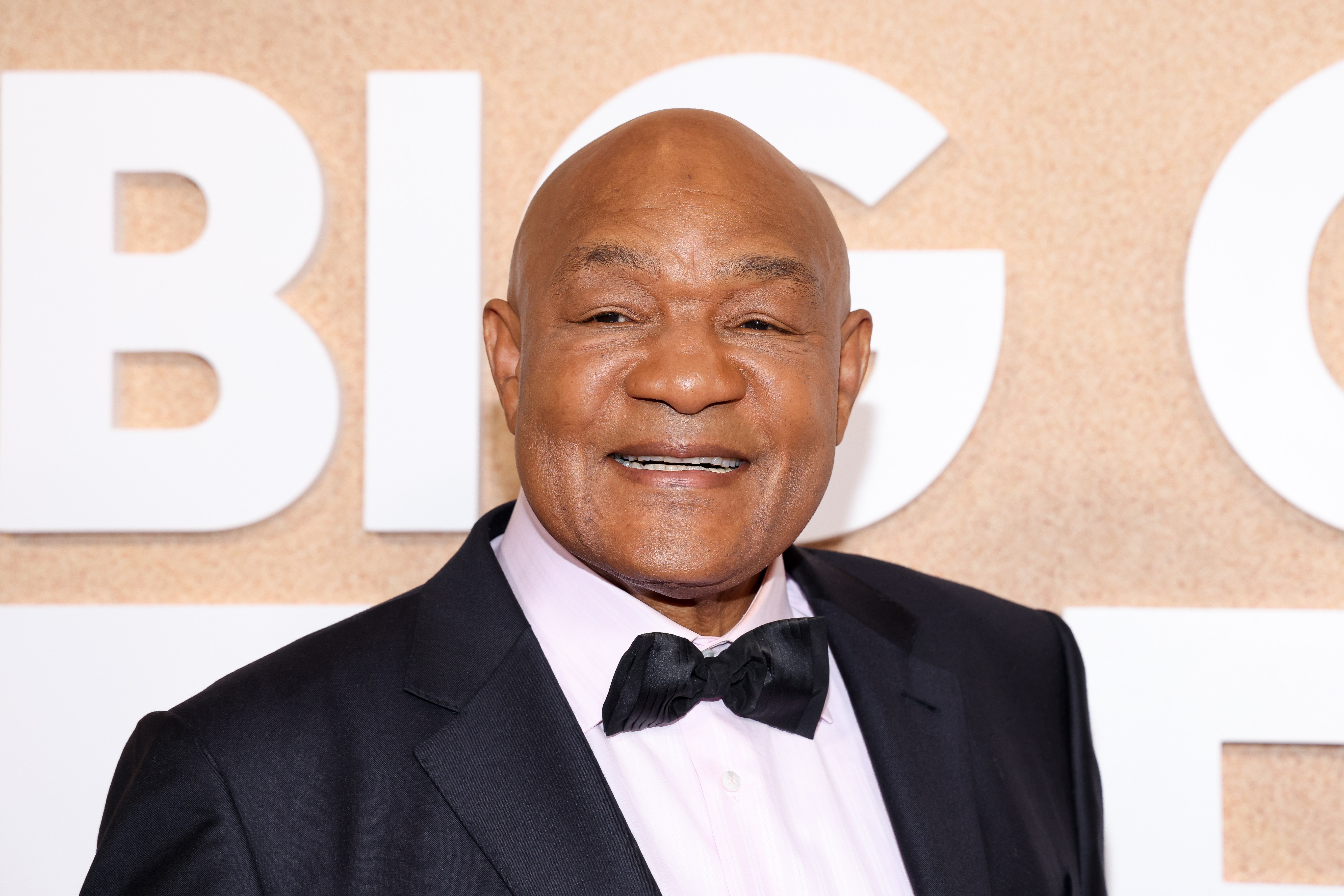
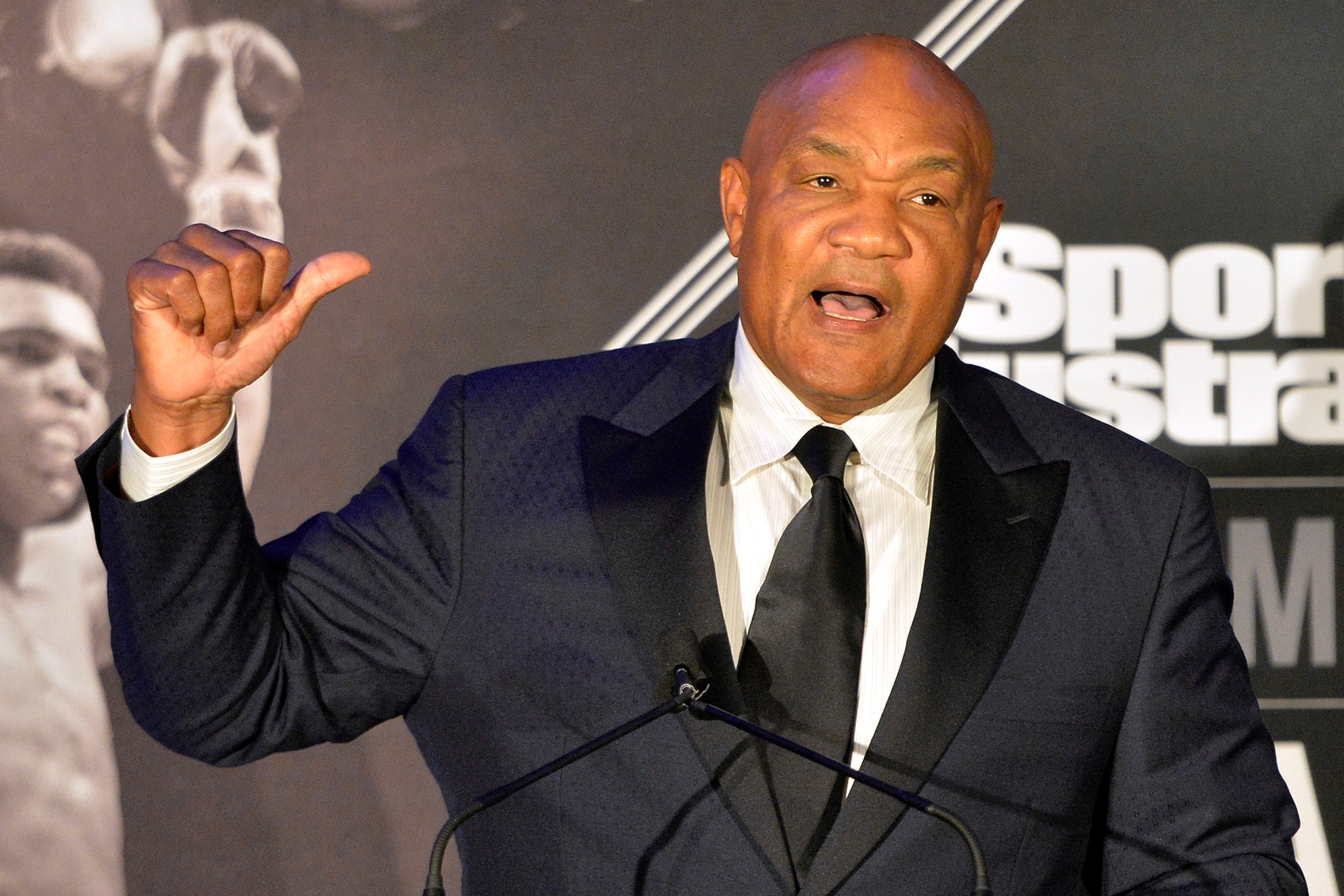
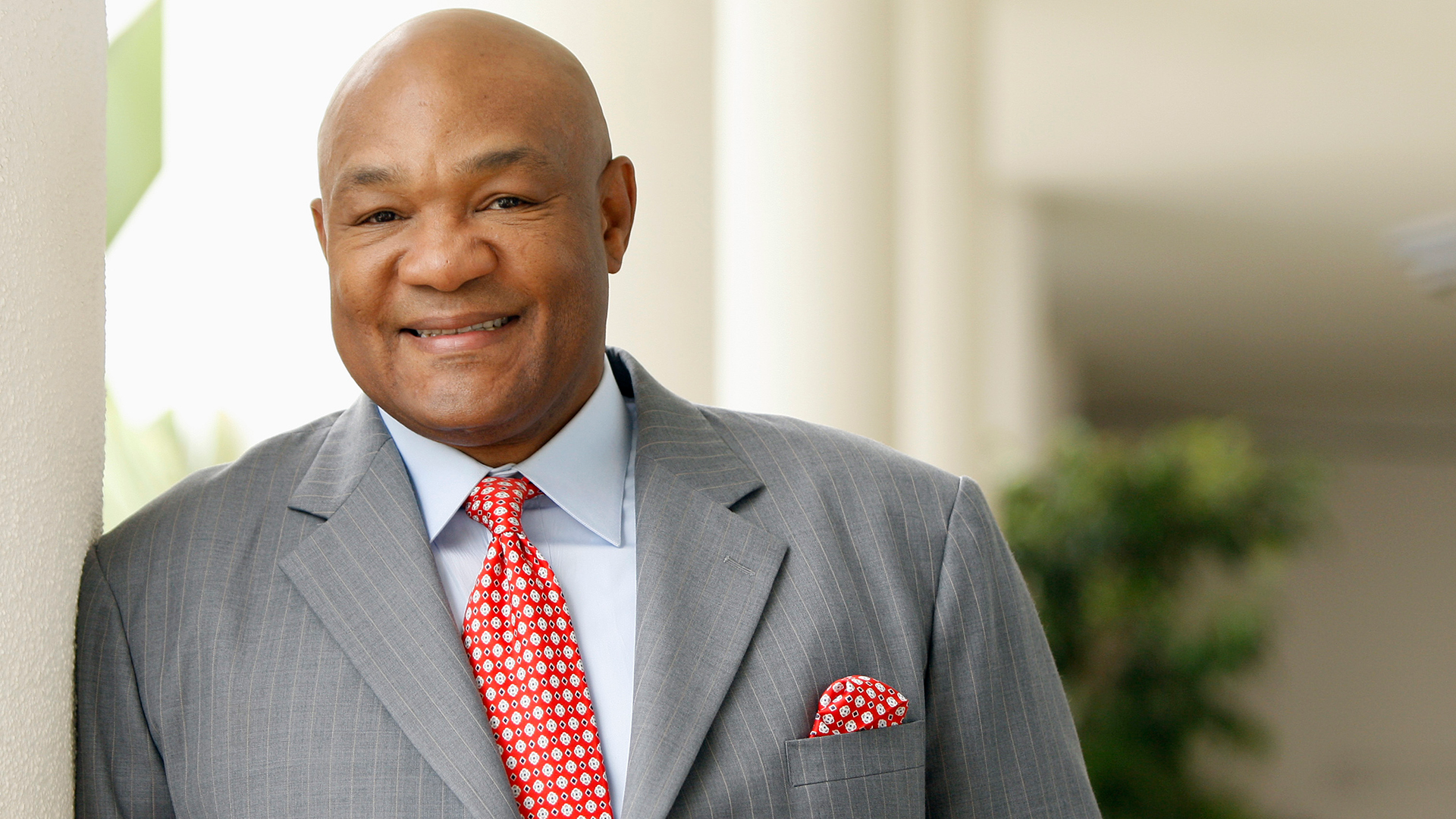
George Foreman: Age and Legacy in Boxing and Business
George Foreman remains one of the most remarkable figures in sports history, balancing a legendary career as a two-time world heavyweight boxing champion with an equally iconic multi-million-dollar career as an entrepreneur and pitchma...
George Foreman remains one of the most remarkable figures in sports history, balancing a legendary career as a two-time world heavyweight boxing champion with an equally iconic multi-million-dollar career as an entrepreneur and pitchman. Born on January 10, 1949, Foreman’s life spans multiple distinct eras, shifting from a formidable, intimidating knockout artist in the 1970s to a beloved, smiling global brand ambassador in the decades that followed. Understanding his enduring legacy requires examining his athletic achievements, his personal reinvention, and his profound commercial impact.
Contents
The Early Life and Rise of a Heavyweight Terror
George Foreman grew up in the Fifth Ward of Houston, Texas, a challenging environment that shaped his early struggles with anger and delinquency. Before finding boxing, Foreman dropped out of school and engaged in petty crime. His life changed dramatically when he joined the Job Corps, a government program designed to help at-risk youth learn vocational skills. While in the program, a Job Corps counselor recognized Foreman’s athletic potential and steered him toward amateur boxing.
His progression in the sport was meteoric. By 1968, after only a brief amateur career, Foreman traveled to Mexico City and won the gold medal in the heavyweight division at the Summer Olympic Games. This victory thrust him into the international spotlight and laid the groundwork for a dominant professional career. Entering the professional ranks under the guidance of trainer Dick Sadler and promoter Rochester Terry, Foreman quickly established himself as a terrifying puncher with an imposing physical frame and relentless forward pressure.
The 1970s Golden Era: Championships and the Rumble in the Jungle
Foreman’s path to the world heavyweight championship was paved with a string of devastating victories. On January 22, 1973, in Kingston, Jamaica, he faced the undefeated and heavily favored heavyweight champion Joe Frazier. Displaying raw destructive power, Foreman knocked Frazier down six times in just two rounds, forcing referee Arthur Mercante to stop the bout and claiming the WBA and WBC heavyweight titles.
| Milestone / Event | Date / Timeframe |
|---|---|
| Birth Date | January 10, 1949 |
| Olympic Gold Medal | October 1968 (Mexico City) |
| First Heavyweight Title | January 22, 1973 (vs. Joe Frazier) |
| The Rumble in the Jungle | October 30, 1974 (vs. Muhammad Ali) |
| Retirement (First) | 1977 (Following loss to Jimmy Young) |
| Historic Comeback Win | November 5, 1994 (vs. Michael Moorer) |
| Sale of Grill Rights | 1999 (Estimated $138 million payout) |
His reign as champion included successful defenses against José Roman and Ken Norton. However, his defining moment of the decade came on October 30, 1974, in Kinshasa, Zaire, when he defended his title against Muhammad Ali in the historic "Rumble in the Jungle." Utilizing Ali's famous "rope-a-dope" strategy, Ali absorbed Foreman's heavy blows while leaning against the ropes, wearing down the champion in the humid African heat. In the eighth round, Ali landed a sudden combination that knocked Foreman out, handing him his first professional defeat and stripping him of his titles.
Following a grueling loss to Jimmy Young in 1977, Foreman experienced a profound spiritual awakening in the locker room. He retired from boxing, dedicated his life to Christianity, became an ordained minister, and opened a youth community center in Houston. For the next decade, boxing seemed entirely in his past.
The Historic Comeback and Second Championship Reign
To fund his youth center and community initiatives, Foreman made a shocking announcement in 1987: he was returning to professional boxing at the age of 38. Initially met with skepticism and ridicule from sports commentators who viewed his comeback as a nostalgic sideshow, Foreman silenced his critics through a disciplined regimen and his still-potent punching power.
Unlike his younger, brooding persona, the older Foreman returned as an affable, self-deprecating figure who charmed audiences with his warmth and humor. After methodically working his way back up the rankings through a series of victories against lower-tier and mid-tier opponents, Foreman earned a shot at unified heavyweight champion Michael Moorer on November 5, 1994.
At 45 years and 360 days old, Foreman stepped into the ring against Moorer, who was nearly two decades younger and dominating the fight on the scoreboards. In the tenth round, Foreman unleashed a short, sharp right hand that caught Moorer flush on the chin, sending the champion crashing to the canvas. Foreman regained the WBA and IBF heavyweight titles, breaking his own record to become the oldest heavyweight champion in boxing history—a record that stands as one of the most enduring achievements in sports.
From the Ring to the Retail Empire: The George Foreman Grill
While Foreman’s boxing accomplishments cement his legacy as an all-time great athlete, his business acumen turned him into a household name far beyond sports. In 1994, Salton, Inc. approached Foreman to endorse a revolutionary fat-reducing indoor electric grill.
The George Foreman Grill became an unprecedented commercial phenomenon, selling over 100 million units worldwide. Foreman’s personal touch, relentless infomercial appearances, and relatable demeanor made the appliance a kitchen staple. Rather than taking a simple upfront endorsement fee, Foreman negotiated a lucrative partnership that earned him a significant percentage of sales. In 1999, Salton bought out the rights to his name and likeness for an estimated $138 million, making his earnings from the grill significantly greater than all his boxing purses combined.
Cultural Impact and Enduring Legacy
George Foreman's legacy is defined by duality: the fearsome destroyer of the 1970s and the gentle giant and shrewd businessman of later decades. He successfully transitioned from athletic glory to financial independence, serving as a blueprint for modern athlete-entrepreneurs. He authored books, became a successful corporate pitchman for various brands, and raised a large family, including naming several of his sons George to maintain a lighthearted family tradition.
His life offers a masterclass in resilience, personal reinvention, and long-term planning. Whether evaluated through the lens of boxing historians analyzing his devastating punch arsenal or business analysts reviewing his branding success, George Foreman remains an indelible American icon whose impact transcends sports.
Frequently Asked Questions
How old is George Foreman?
George Foreman was born on January 10, 1949. As of 2026, he is 77 years old. His longevity spans multiple generations of sports and entertainment history, having lived through the peak eras of heavyweight boxing and modern digital consumer marketing.
When did George Foreman win his second heavyweight title?
Foreman won his second world heavyweight title on November 5, 1994, by knocking out Michael Moorer. This victory made him, at age 45, the oldest boxer in history to win a major heavyweight championship, breaking records and captivating the global sports community.
How much money did George Foreman make from his electric grill?
While initial endorsement offers were standard upfront fees, Foreman ultimately secured a percentage of product sales with Salton, Inc. In 1999, the company bought out his naming rights for a reported $138 million, making it one of the most successful athlete-brand partnerships in history.
Why did George Foreman retire the first time?
Foreman retired from boxing in 1977 following a loss to Jimmy Young. During the post-fight experience in the locker room, he underwent a profound religious awakening. He stepped away from the sport for ten years to become an ordained Christian minister and dedicate his life to youth counseling.
Is George Foreman still involved in business and public appearances?
While Foreman has largely stepped back from active day-to-day business operations, he remains a revered public figure, author, and speaker. He occasionally makes media appearances to discuss his historic boxing career, faith, and entrepreneurial journey.
Conclusion
George Foreman’s journey from a troubled youth in Houston to an Olympic gold medalist, two-time heavyweight champion, and billionaire-status entrepreneur represents a unique American success story. His ability to adapt, reinvent his public image, and leverage his athletic fame into enduring commercial success ensures that his legacy will be studied and celebrated for generations.
Image Gallery