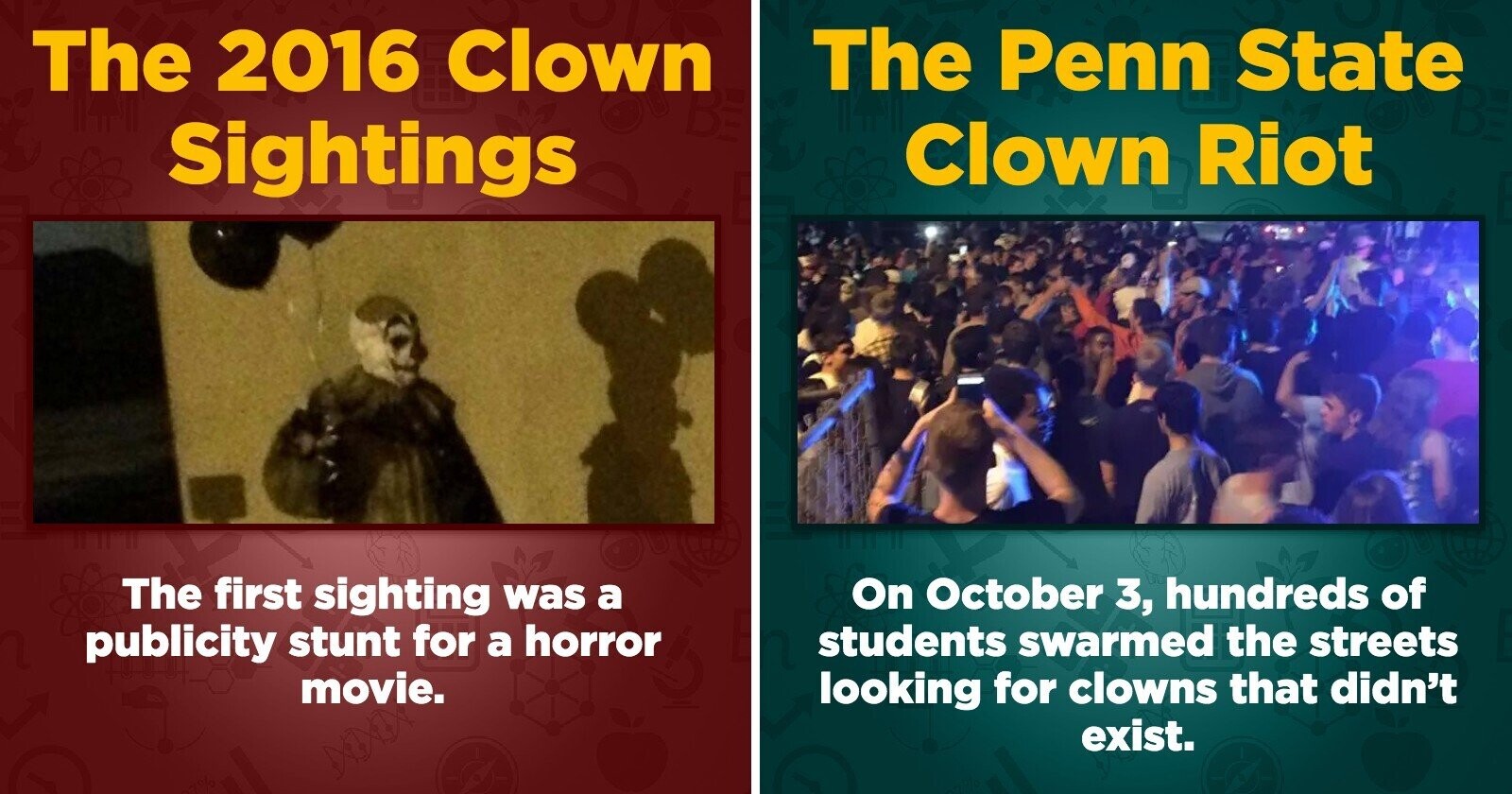
The 2016 Clown Sightings: A Retrospective on a Nationwide Social Phenomenon
The 2016 clown sightings were a series of reported encounters with individuals dressed as "evil clowns" that began in Greenville, South Carolina, and rapidly evolved into a global social contagion. While the vast majority of cases were...
The 2016 clown sightings were a series of reported encounters with individuals dressed as "evil clowns" that began in Greenville, South Carolina, and rapidly evolved into a global social contagion. While the vast majority of cases were determined to be hoaxes, social media pranks, or instances of mass hysteria, the phenomenon resulted in real-world school lockdowns, police investigations, and significant cultural anxiety.
Contents
The Origins of the 2016 Clown Scare
The modern "clown panic" of 2016 traces its definitive start to August 2016 at the Fleetwood Manor Apartments in Greenville, South Carolina. Residents reported that individuals dressed as clowns were attempting to lure children into the nearby woods with promises of money. Although local law enforcement patrolled the area extensively, no physical evidence of these "woods-dwelling clowns" was ever found, and no suspects were apprehended.
Despite the lack of evidence, the story captured the public imagination. Within weeks, similar reports emerged from North Carolina, Georgia, and Alabama. The narrative evolved from clowns hiding in the woods to clowns standing under streetlights, chasing cars, or waving knives. By mid-September, the sightings had transitioned from a localized South Carolina concern to a nationwide news story.
The speed of this transmission was unprecedented compared to previous clown scares, such as the "Phantom Clown" sightings of 1981. In the 1980s, stories moved through word-of-mouth and local newspapers. In 2016, the sightings were turbocharged by digital connectivity. As the phenomenon reached its peak in October 2016, reports were surfacing in all 50 U.S. states and eventually crossed international borders into the United Kingdom, Canada, and Australia.
The Role of Social Media in Viral Spread
The 2016 phenomenon was a product of the social media era, specifically the ecosystem of Twitter, YouTube, and Facebook. The #ClownSightings hashtag became a trending topic for weeks, creating a feedback loop where genuine concern mixed with intentional disinformation.
Digital Contagion and Prank Culture YouTube "pranksters" played a significant role in escalating the panic. Seeing the viral potential of the clown aesthetic, many creators filmed "killer clown" videos—staged encounters where a masked individual would jump out at unsuspecting people. While these were often revealed as scripted, the raw footage circulated as "proof" of the clown threat, further fueling the fire.
The Echo Chamber Effect Social media platforms allowed localized rumors to achieve national prominence within hours. A single grainy photo of a person in a clown mask at a park in Ohio could be reshared thousands of times, leading residents in distant states to believe the "threat" was imminent in their own neighborhoods. This created a state of heightened vigilance where ordinary shadows or distant figures were often misidentified as menacing clowns.
Institutional and Corporate Responses
As the sightings multiplied, the phenomenon moved from a social media curiosity to a public safety concern. The reactions from institutions were swift and, in some cases, severe, reflecting the genuine fear permeating the public.
Impact on Schools and Law Enforcement
Dozens of schools across the United States were forced into lockdowns or temporary closures due to clown-related threats. In many instances, these threats were traced back to students who had created "clown accounts" on Instagram to post vague warnings about their schools as a way to get out of classes.
Law enforcement agencies were forced to dedicate significant resources to investigating these claims. Several departments issued formal warnings, stating that dressing as a clown to menace the public could lead to charges of "inducing panic" or "terroristic threats." In Alabama and Georgia, multiple people were arrested for making false reports to police about clown sightings, a crime that wasted thousands of dollars in municipal resources.
The Corporate Fallout
The clown scare became so pervasive that it affected some of the world's most recognizable brands. Target, one of the largest retailers in the U.S., made the strategic decision to pull clown masks from its shelves and website weeks before Halloween 2016, citing the "current environment."
Perhaps most notably, McDonald’s announced that it would limit the public appearances of its mascot, Ronald McDonald. The company stated that the "current climate regarding clown sightings in communities" made it inappropriate for the world's most famous clown to participate in community events. This move highlighted just how toxic the clown image had become in a matter of months.
Professional Clown Backlash: "Clowns Against Clown Fear"
The 2016 phenomenon had a devastating impact on professional entertainers who make their living as clowns. Legitimate performers—who specialize in birthday parties, hospital visits, and circus acts—found themselves the targets of harassment and lost bookings.
The World Clown Association (WCA) and the Clowns of America International issued statements distancing their profession from the "creepy clown" sightings. They emphasized that a "professional clown" is a character of joy and that anyone wearing a rubber mask to scare people is not a clown but a "prankster."
Efforts to rehabilitate the image included "Clown Lives Matter" marches (a title that was widely criticized for its perceived insensitivity to social justice movements), where performers dressed in full regalia to demonstrate that they were members of the community, not threats. Despite these efforts, the professional clowning industry saw a measurable decline in revenue and recruitment following the 2016 events.
Psychological Underpinnings: Why the World Panicked
Sociologists and psychologists have studied the 2016 sightings as a classic example of mass psychogenic illness (often called mass hysteria). Several factors contributed to why this specific trope resonated so deeply with the public.
- The Uncanny Valley: Clowns occupy a space known as the "uncanny valley." They look human but possess exaggerated features and painted-on expressions that hide their true emotions. This creates a psychological "threat ambiguity" that triggers the brain's fear response.
- Coulrophobia: While a formal phobia of clowns is relatively rare, a general discomfort with them is common. The 2016 sightings tapped into a pre-existing cultural archetype of the "evil clown" popularized by Stephen King’s IT and characters like the Joker.
- Societal Tension: Researchers often note that mass hysterias tend to occur during periods of high social or political stress. 2016 was a year of intense political polarization in the United States, and some sociologists argue that the "clown" represented a faceless, unpredictable threat onto which people could project their general anxieties about the state of the world.
Key Statistics and Timeline of the 2016 Phenomenon
The following table summarizes the rapid progression and scale of the 2016 sightings.
| Period | Key Developments | Major Locations Involved |
|---|---|---|
| August 2016 | Initial reports of clowns luring children into woods. | Greenville, SC |
| September 2016 | Sightings spread to neighboring states; school threats begin. | NC, GA, AL, OH |
| Early October 2016 | Phenomenon goes global; retailers pull masks; Ronald McDonald "benched." | United States (All 50 States), UK, Canada |
| Late October 2016 | Peak social media activity; "Clown hunting" groups form on campuses. | Worldwide |
| November 2016 | Sightings drop precipitously following Halloween and the US Election. | International |
| 2017 - Present | Residual "copycat" events; 2016 cited as a major sociological case study. | Global |
Historical Context and Post-2016 Legacy
The 2016 clown sightings were not the first instance of such a scare, but they were the largest. Historian Loren Coleman, who coined the term "The Phantom Clown Theory" in the 1980s, noted that these scares often feature clowns that are seen but never caught, behaving in ways that suggest they are more like urban legends than actual criminals.
As of 2026, the 2016 sightings are viewed primarily as a milestone in the history of digital folklore. They demonstrated how a localized rumor could be weaponized by social media algorithms to create a tangible, nationwide impact. The event changed how law enforcement handles viral rumors and led to stricter policies regarding school threats made via social media platforms.
The "creepy clown" trope remains a staple of horror cinema, but the real-world panic has not repeated on the same scale. The 2016 event serves as a cautionary tale about the power of collective fear and the speed at which the internet can blur the line between a harmless prank and a public safety crisis.
Frequently Asked Questions
Were any of the 2016 clown sightings real threats?
While there were thousands of reports, the vast majority were hoaxes or people in costumes attempting to be "edgy" for social media. There were very few instances of actual physical violence. However, the threats were treated as real by law enforcement because they caused public panic and necessitated the evacuation of schools and public spaces.
Did the movie IT cause the 2016 clown sightings?
There is no evidence that the marketing for the 2017 film IT was responsible for the sightings. Warner Bros. and New Line Cinema explicitly denied any involvement. However, the cultural presence of Pennywise the Clown certainly provided the visual blueprint for many of the costumes used by pranksters.
How many people were arrested during the 2016 clown scare?
Exact nationwide numbers are difficult to aggregate, but dozens of arrests were documented. Most charges were not for "clowning" itself but for secondary crimes: making false police reports, terroristic threats, inducing panic, or trespassing. In several cases, teenagers were arrested for creating social media accounts that threatened their schools.
Why did the sightings stop so suddenly?
The sightings peaked in October, coinciding with the Halloween season. After Halloween passed and the 2016 U.S. Presidential Election became the singular focus of national media, the clown story lost its viral momentum. Public interest waned, and without the audience of a captivated public, the pranksters stopped their activities.
Can you still get arrested for dressing as a clown?
Dressing as a clown is not illegal. However, using any costume—clown or otherwise—to intentionally harass, threaten, or intimidate others is a crime in most jurisdictions. Some cities also have "anti-mask" laws that date back decades, which prohibit wearing masks in public with the intent to conceal one's identity while committing a crime.
Final Recommendations for Understanding Viral Phenomena
When analyzing historical events like the 2016 clown sightings, it is essential to distinguish between primary events (actual people in costumes) and secondary hysteria (people reporting sightings based on fear or rumor). For those researching social contagion or digital folklore, the 2016 event remains the gold standard for how information moves in the 21st century.
If you encounter viral reports of a similar nature today, verify the information through official law enforcement channels rather than social media feeds. The 2016 scare proved that the most effective way to end a mass hysteria event is to stop providing it with the digital oxygen of shares, likes, and sensationalized reporting.
Image Gallery