Jerry Lucas Net Worth Explained: A Comprehensive Analysis
Jerry Lucas, the legendary NBA Hall of Famer and educational entrepreneur, possesses a net worth estimated to be between $15 million and $20 million as of 2026. This wealth accumulation stems from a multifaceted career that spans profe...
Jerry Lucas, the legendary NBA Hall of Famer and educational entrepreneur, possesses a net worth estimated to be between $15 million and $20 million as of 2026. This wealth accumulation stems from a multifaceted career that spans professional sports dominance in the 1960s and 70s, pioneering contributions to memory improvement education, and astute private business ventures.
Contents
The Foundation: Professional Basketball Stardom
To understand the financial trajectory of Jerry Lucas, one must first look at his primary career as a professional basketball player. During the mid-20th century, the landscape of professional sports salaries was vastly different from the multi-hundred-million-dollar contracts seen in 2026. However, Lucas was an elite athlete whose value was cemented through his extraordinary performances at Ohio State University, where he led the Buckeyes to a national championship, and subsequently in the NBA.
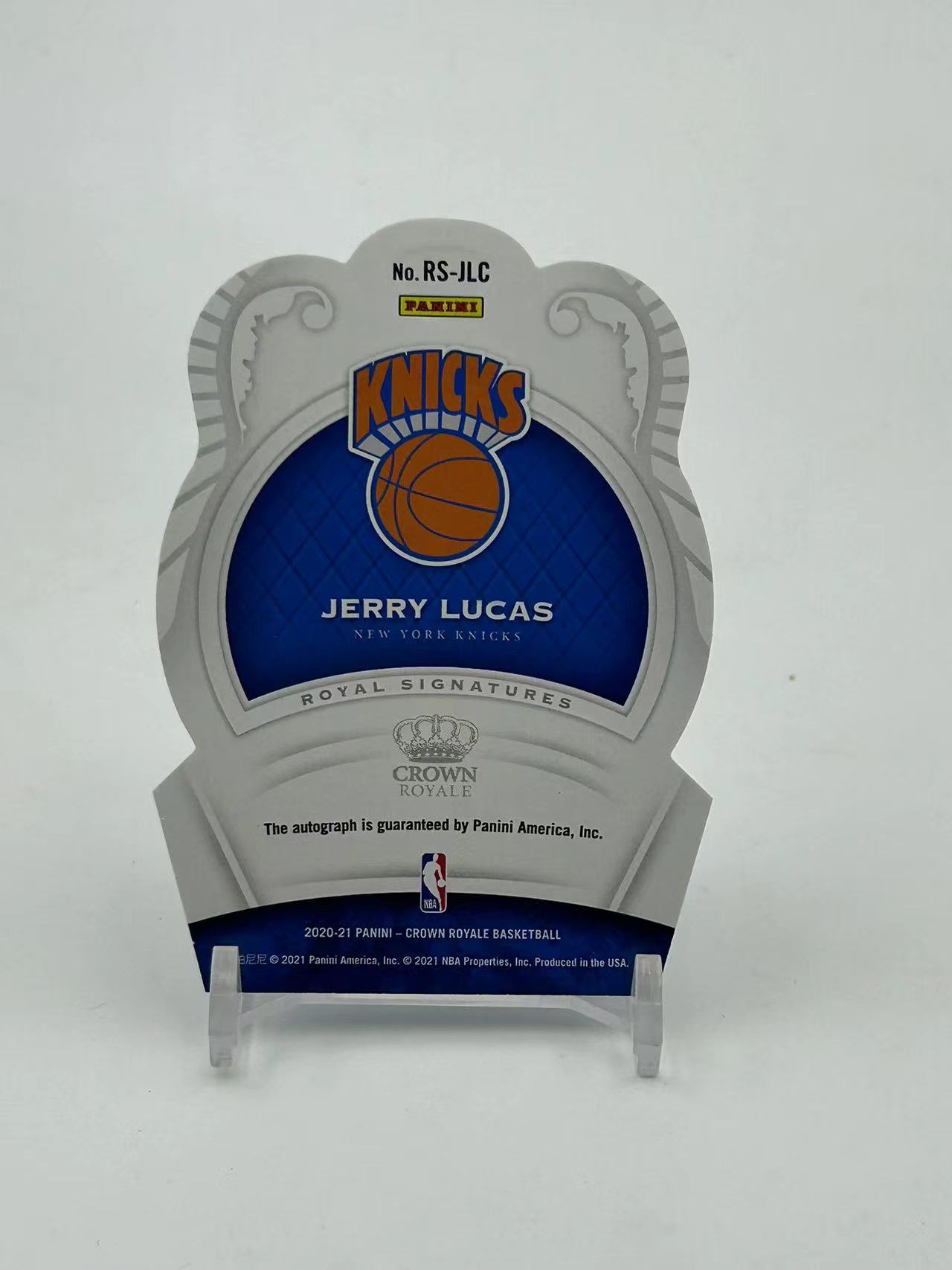
Playing for the Cincinnati Royals, the San Francisco Warriors, and the New York Knicks, Lucas was a perennial All-Star. His career, which spanned from 1962 to 1974, allowed him to secure lucrative contracts for that era. During his tenure with the New York Knicks, he played a pivotal role in the 1973 NBA championship team. While his career earnings were modest by contemporary standards, his early success provided the initial capital necessary to transition into his secondary career path, which would ultimately define his long-term financial legacy.
The Memory Improvement Empire
The most significant contributor to the enduring financial stability of Jerry Lucas is his transition from the basketball court to the publishing and education sector. Lucas is arguably as famous for his "Memory Power" system as he is for his jump shot. Following his retirement from basketball, he authored several books, including The Memory Book, co-authored with Harry Lorayne.
This work became a global bestseller, providing a steady stream of royalty income for decades. The commercialization of his memory systems extended into seminars, corporate training, and media appearances. In the 1980s and 1990s, this business model was highly scalable, as the demand for cognitive development and self-improvement resources saw significant market growth. By leveraging his celebrity status to establish authority in the educational niche, Lucas successfully diversified his income streams beyond the finite window of an athletic career.
Business Ventures and Real Estate
Throughout his post-NBA career, Jerry Lucas engaged in various business endeavors that prioritized longevity over high-risk speculation. Unlike many professional athletes of his era who faced financial instability post-retirement, Lucas focused on long-term assets. This included strategic investments in real estate and private enterprise.
His approach to wealth management—often characterized as conservative and disciplined—mirrored the focus and repetition required for his memory systems. By avoiding the common pitfalls of the "sports-to-bankruptcy" pipeline, he maintained and grew his assets through careful oversight. His intellectual property, specifically his copyrighted memory techniques and instructional materials, continues to generate residual value even in an era dominated by digital learning and algorithmic information processing.
Financial Summary: Then vs. Now
Comparing the financial landscape of an athlete in the 1960s to the current era of 2026 highlights the unique nature of Lucas’s wealth. While today’s top-tier NBA stars leverage global branding and massive television deals, Lucas’s wealth was built on the foundation of professional persistence and the intellectual property he created during his second career.
| Revenue Source | Financial Impact | Characteristics |
|---|---|---|
| NBA Player Contracts | Baseline Capital | High for the era, but limited by salary caps and market size |
| Book Royalties | Residual Income | Long-term, recurring, and passive revenue streams |
| Educational Seminars | Active Income | High-margin, reliant on brand reputation |
| Private Investments | Asset Growth | Real estate and business holdings for wealth preservation |
Strategic Wealth Preservation
The resilience of the Jerry Lucas net worth is a study in diversification. Many professional athletes focus exclusively on endorsements or high-risk investments during their playing years. Lucas, conversely, treated his post-basketball life as a formal business transition. By focusing on education—a sector with perennial demand—he insulated himself against the market fluctuations that often affect sports-related wealth.
His commitment to memory techniques also meant that he maintained a public-facing expert status, which allowed him to continue earning through speaking engagements and consulting for decades after his final professional basketball game. This longevity is the key differentiator between his financial profile and those of many of his peers from the 1970s.
Frequently Asked Questions
What was the primary source of Jerry Lucas's wealth? While professional basketball provided his starting capital, his primary source of wealth is the long-term success of his educational books and memory improvement systems. The Memory Book, in particular, has remained a staple in self-improvement literature for years.
How does his net worth compare to modern NBA players? His net worth of $15–$20 million is modest compared to the net worth of current superstars, who often command hundreds of millions. However, considering the salary structure of the 1960s and 70s, his accumulation indicates highly effective financial management and successful transition into a second career.
Is Jerry Lucas still active in business? As of 2026, Jerry Lucas is largely retired from active business operations, though he continues to receive benefits from his intellectual property and previous investments. He maintains his status as an NBA legend and an influential figure in memory pedagogy.
Did his basketball career directly lead to his business success? Yes, his status as a high-profile athlete provided the platform and public trust necessary to launch his career as an educator and author. The transition from "the smartest player in the NBA" to a recognized authority on memory was a logical and effective branding strategy.
How is his wealth managed in 2026? His assets are held through a combination of traditional investment vehicles and royalty-based income from his published works. His strategy emphasizes the preservation of wealth through diversified assets rather than high-frequency trading or speculative ventures.
Expert Guidance on Asset Longevity
For those analyzing the financial trajectory of public figures, the Jerry Lucas case study offers a clear lesson in the value of intellectual property. The ability to monetize knowledge—rather than just physical performance—remains the most reliable path to sustaining wealth. If you are looking to secure your own financial future, focus on developing specialized skills or products that can function independently of your active labor hours. Just as Lucas transitioned from the physical rigors of the court to the intellectual property of books and seminars, sustainable wealth in the current era often requires shifting from labor-based income to asset-based, recurring revenue.
Image Gallery