Why 50 Cent Water Matters for Consumers
50-cent water represents the essential intersection of economic accessibility, public health, and consumer psychology. In 2026, this price point serves as a critical benchmark for affordable hydration, ensuring that clean drinking wate...
50-cent water represents the essential intersection of economic accessibility, public health, and consumer psychology. In 2026, this price point serves as a critical benchmark for affordable hydration, ensuring that clean drinking water remains a basic right rather than a luxury while bridging the gap between municipal tap water and high-cost premium beverage brands.
Contents
The Economic Significance of the 50-Cent Price Point
For the modern consumer in 2026, the "50-cent water" threshold is more than just a bargain; it is a psychological and economic anchor. As inflation has fluctuated over the early 2020s, many basic commodities have seen significant price hikes. When a bottle or a gallon refill of water maintains a 50-cent price point, it signals market stability and corporate social responsibility.
For lower-income households and urban commuters, the availability of 50-cent water is a matter of daily budgeting. In many "food deserts" or transit hubs, the next available beverage might be a soda or a premium "enhanced" water costing upwards of three dollars. By providing a high-quality hydration option at a fractional cost, retailers and vending operators support a consumer’s ability to make healthy choices without financial strain. This price point often dictates the "floor" of the beverage market, preventing extreme price gouging in areas with limited retail competition.
The Legacy of Curtis "50 Cent" Jackson and the Water Industry
To understand why "50 Cent water" carries such weight in consumer consciousness, one must look at the historical precedent set by Curtis "50 Cent" Jackson. His 2004 partnership with Glacéau to create Formula 50—a grape-flavored Vitaminwater—forever changed how consumers perceive the value of water.
Jackson’s involvement was not merely a celebrity endorsement; it was a masterclass in equity-based branding. When Coca-Cola acquired Glacéau in 2007 for $4.1 billion, Jackson’s estimated $100 million payout proved that water could be a high-stakes investment. For consumers, this era marked a shift from seeing water as a free utility to seeing it as a curated lifestyle product.
In 2026, the legacy of "Formula 50" lives on in the way brands approach "functional" or "enhanced" water. While the literal price of a premium Vitaminwater has risen, the cultural association between 50 Cent and high-value hydration remains. It reminds consumers that the "value" of water is derived not just from the liquid itself, but from the trust, branding, and health benefits associated with the label.
Public Health and the "Hydration Gap"
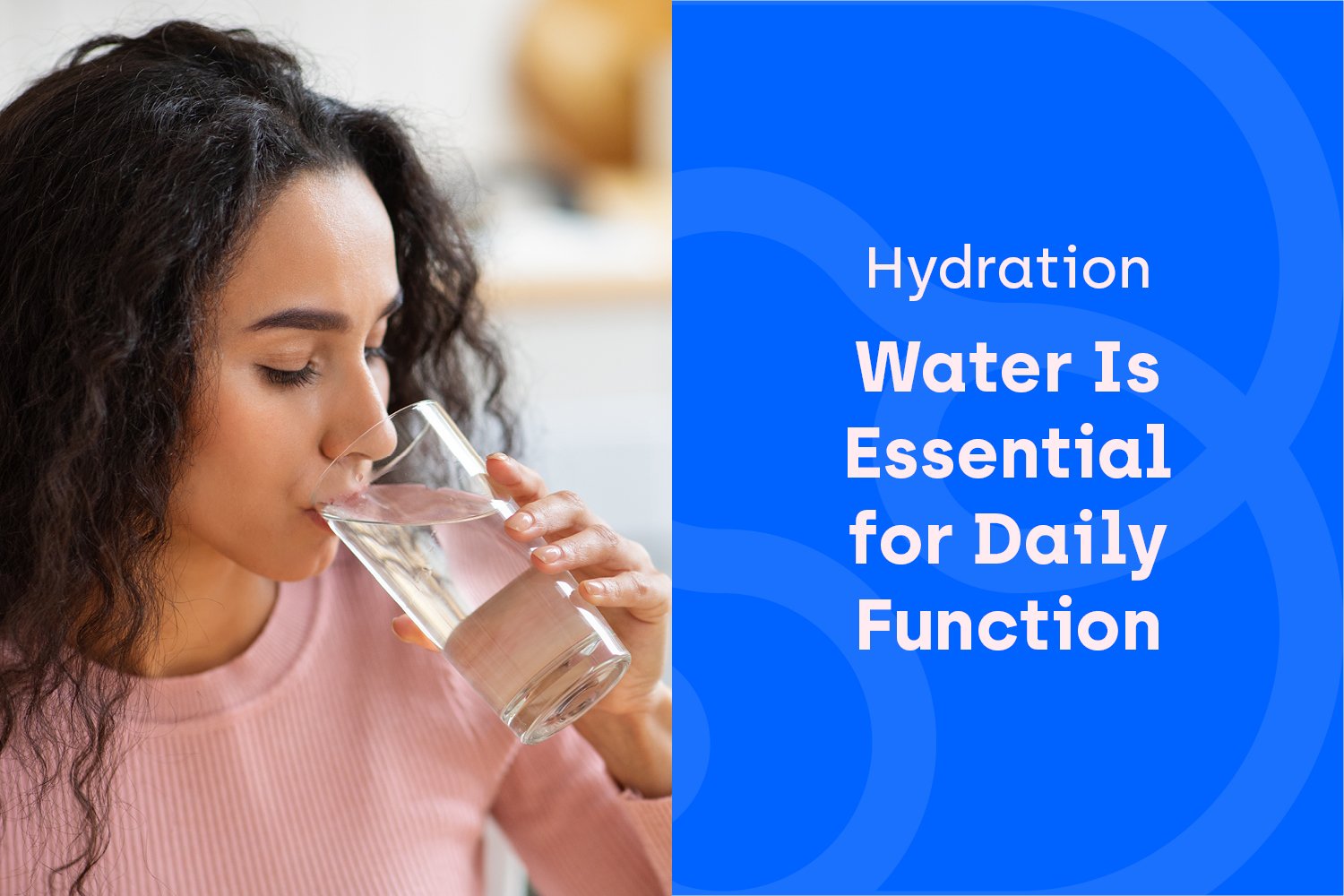
The availability of 50-cent water is a primary tool in closing the "hydration gap." Medical experts and organizations like the World Health Organization have long emphasized that even mild dehydration can lead to cognitive decline, fatigue, and decreased physical performance.
When water is priced at 50 cents—whether through a high-volume vending machine or a bulk retail pack—it removes the "price barrier" to health. Consumers are statistically more likely to choose water over sugar-sweetened beverages when the price is comparable or lower. In 2026, public health initiatives often subsidize 50-cent water kiosks in schools and public parks to combat rising rates of obesity and metabolic syndrome.
Furthermore, 50-cent water provides a vital backup in regions where municipal tap water quality is under scrutiny. While tap water is significantly cheaper, consumer trust in aging infrastructure can be low. A 50-cent bottled or vended option provides a verified, filtered alternative that gives consumers peace of mind regarding lead, microplastics, and bacterial contaminants.
Technical Specifications: What Does 50 Cents Buy?
Consumers often wonder if 50-cent water is "lower quality" than premium brands. In 2026, the technical standards for bottled and vended water are strictly regulated by the FDA and local health departments. Most 50-cent water options utilize a multi-stage purification process that often rivals or exceeds the filtration of luxury brands.
Common Filtration Methods in Budget Water
- Reverse Osmosis (RO): A process that forces water through a semi-permeable membrane to remove ions, molecules, and larger particles.
- Carbon Filtration: Uses activated carbon to remove chlorine, volatile organic compounds (VOCs), and unpleasant odors or tastes.
- UV Sterilization: Emits ultraviolet light to neutralize bacteria and viruses without adding chemicals.
- Ozonation: A process where ozone (O3) is bubbled through the water as a powerful disinfectant that leaves no residue.
The lower cost is usually achieved through high-volume production, minimal marketing budgets, and "private labeling" rather than inferior filtration technology.
Comparing Water Tiers and Consumer Value
To help consumers navigate the 2026 beverage landscape, the following table compares the typical costs and delivery methods of water.
| Water Type | Typical Cost (2026) | Primary Delivery Method | Best For |
|---|---|---|---|
| Municipal Tap | <$0.01 per gallon | Home Faucet | Daily cooking, cleaning, and base hydration. |
| 50-Cent Vending | $0.50 per gallon | Self-Service Kiosks | Eco-conscious consumers with reusable jugs. |
| Budget Bottled | $0.50 per 16.9oz | Bulk Cases (24-48 count) | Emergency storage, travel, and convenience. |
| Enhanced/Vitamin | $2.50 - $3.50 per bottle | Convenience Stores | Electrolyte replenishment and flavor. |
| Luxury/Artesian | $5.00+ per bottle | High-end Retail | Perceived status and specific mineral profiles. |
The Environmental Shift: From Bottles to Refills
In 2026, the most significant "50-cent water" movement is the shift from single-use plastic bottles to refillable kiosks. The environmental cost of plastic waste has driven many consumers away from traditional bottled water.
A 50-cent gallon refill station is the "sweet spot" for sustainability. It allows the consumer to reuse a high-quality BPA-free container hundreds of times, drastically reducing the carbon footprint associated with manufacturing and transporting heavy plastic bottles. For the consumer, the value proposition is clear: you are paying for the purification and the water, not the plastic packaging and the marketing.
This shift matters because it aligns consumer financial interests with global environmental goals. When 50-cent water is accessible via refill, the "bottled water habit" becomes a "refill habit," which is essential for achieving the plastic reduction targets set by international environmental accords.
Common Challenges and Consumer Considerations
While 50-cent water is a boon for accessibility, consumers should remain vigilant about certain factors:
- Machine Maintenance: For vended 50-cent water, the quality is only as good as the maintenance schedule. Consumers should look for service logs or digital "last cleaned" timestamps on the machine.
- Source Water: Is the 50-cent water sourced from a local municipal supply (purified) or a natural spring? While both are safe, "purified water" is essentially stripped of all minerals, whereas "spring water" may offer a different mineral profile and taste.
- BPA and Storage: If buying budget bottled water in bulk, consumers must ensure the plastic is BPA-free and store the cases in a cool, dark place to prevent the plastic from leaching chemicals into the water over time.
Frequently Asked Questions
Is 50-cent water safe to drink?
Yes. In 2026, all water sold for human consumption must meet rigorous safety standards. Whether it costs 50 cents or five dollars, it must comply with federal and state regulations regarding contaminants, bacteria, and chemical levels. The lower price usually reflects simpler packaging and higher sales volume rather than lower safety standards.
Why is 50 Cent (the artist) associated with water?
Curtis "50 Cent" Jackson became a symbol of the water industry after his highly successful partnership with Vitaminwater (Glaceau). His "Formula 50" product and subsequent windfall from the Coca-Cola acquisition proved that water could be a lucrative "lifestyle" product, bridging the gap between hip-hop culture and the wellness industry.
Is vended water better than bottled water?
Vended water (50-cent refills) is often functionally identical to bottled water in terms of filtration (often using RO and UV). However, it is superior in terms of environmental impact and cost-per-gallon. The only downside is the requirement for the consumer to provide their own clean container.
Does 50-cent water have electrolytes?
Most 50-cent purified water has minerals removed during the filtration process. Some brands may add a small amount of "minerals for taste" (like potassium or magnesium), but if you require significant electrolyte replenishment for athletic performance, you may need an "enhanced" water or a separate supplement.
How has inflation affected the 50-cent water price?
While general inflation has pushed many 50-cent items to 75 cents or a dollar, the beverage industry has worked to keep a "value tier" at 50 cents. This is often achieved by reducing bottle weight (using less plastic) or shifting toward the refill model, where the overhead is significantly lower than pre-packaged goods.
Practical Recommendations for Consumers
To maximize the benefits of 50-cent water in 2026, consumers should adopt a hybrid approach to hydration. Utilize municipal tap water at home with a quality point-of-use filter for the lowest cost. For on-the-go needs, prioritize 50-cent refill stations over single-use bottles to save money and protect the environment. When buying pre-packaged water, look for bulk cases at big-box retailers where the per-bottle cost hits the 50-cent mark. By understanding the technology and the economics behind the price, you can ensure that your hydration is both healthy and financially sustainable.
Image Gallery