CVS Shot Schedule 2026: Complete Guide to Vaccines, Insurance, and Appointments
CVS Pharmacy, through its retail locations and MinuteClinic clinics, provides comprehensive immunization services including seasonal flu, COVID-19, RSV, and shingles vaccinations. In 2026, most immunizations are available for patients...
CVS Pharmacy, through its retail locations and MinuteClinic clinics, provides comprehensive immunization services including seasonal flu, COVID-19, RSV, and shingles vaccinations. In 2026, most immunizations are available for patients ages 3 and up, depending on state regulations and specific vaccine types. While the term "CVS shots" occasionally pertains to digital photo printing, this guide focuses exclusively on clinical vaccination services and medical immunization protocols.
Contents
Navigating the 2026 Clinical Vaccination Landscape at CVS
As of 2026, CVS Health has solidified its position as a primary healthcare delivery point, bridging the gap between traditional primary care physicians and immediate community needs. The pharmacy giant utilizes two distinct service models for administering injections: the Pharmacy Counter (primarily for routine adult vaccinations and seasonal boosters) and MinuteClinic (staffed by Nurse Practitioners and Physician Assistants for a broader range of pediatric and specialty immunizations).
Standardization of care at CVS follows the Advisory Committee on Immunization Practices (ACIP) and Centers for Disease Control and Prevention (CDC) guidelines. This ensures that every dose administered—whether it is a routine pneumonia jab or a travel-related Hepatitis series—meets stringent clinical safety profiles. Patients can access their records digitally through the CVS Pharmacy app, which integrates with state-level Immunization Information Systems (IIS) to maintain an accurate lifetime health record.
Core Immunization Offerings for 2026
The following vaccines are standard offerings at most CVS locations. Availability may fluctuate based on seasonal demand and regional health requirements.
- Seasonal Influenza: Including standard quadrivalent doses and high-dose options for seniors (ages 65+).
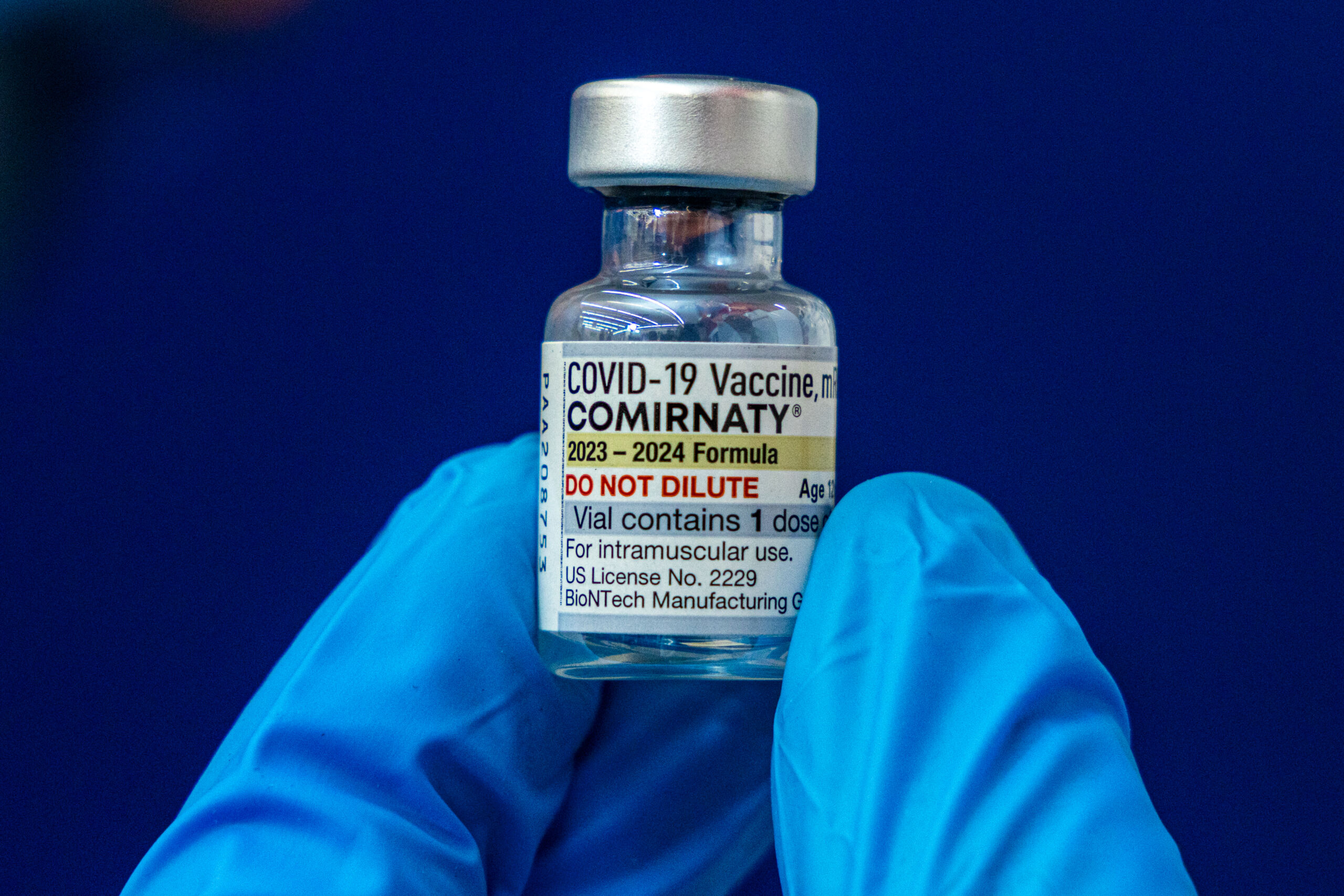
- COVID-19 Boosters: Utilizing the updated 2025-2026 formula designed to target circulating variants.
- Respiratory Syncytial Virus (RSV): Available for older adults and pregnant individuals during specific gestational windows.
- Shingles (Shingrix): A two-dose series for adults 50 and older, or those 19 and older with weakened immune systems.
- Pneumonia: Including both PCV15 and PCV20 variations based on previous vaccination history.
- Tdap/Td: Protection against Tetanus, Diphtheria, and Pertussis (Whooping Cough).
- Meningitis (MenACWY and MenB): Frequently required for college students and adolescents.
- Human Papillomavirus (HPV): The Gardasil 9 series for adolescents and young adults up to age 45.
2026 Vaccine Availability and Eligibility Matrix
Selecting the correct vaccine requires understanding age-appropriateness and clinical necessity. The table below outlines the primary vaccines administered at CVS and MinuteClinic in 2026.
| Vaccine Type | Target Demographic | Typical Frequency | Insurance Category |
|---|---|---|---|
| Annual Flu (Standard) | Ages 3+ | Annually | Preventive / Medical |
| Annual Flu (High-Dose) | Ages 65+ | Annually | Medicare Part B |
| COVID-19 (Updated) | Ages 5+ | Annual / Seasonal | Preventive / Medical |
| RSV (Respiratory) | Ages 60+ / Pregnant | Seasonal / One-time | Medicare Part D / Private |
| Shingles (Shingrix) | Ages 50+ | 2-Dose Series | Medicare Part D / Private |
| Pneumonia (PCV20) | Ages 65+ / High Risk | Varies (often 1-2 doses) | Medicare Part B |
| Tdap (Whooping Cough) | All Adults | Every 10 years | Preventive / Medical |
| Hepatitis A & B | At-risk / Travel | 2 or 3-Dose Series | Preventive / Medical |
| MMR (Measles/Mumps) | Catch-up / Travel | 1 or 2 doses | Preventive / Medical |
Insurance Coverage and Out-of-Pocket Costs
In 2026, the cost of vaccinations at CVS is largely dictated by the Patient Protection and Affordable Care Act (ACA) and recent updates to Medicare legislation. Most preventive vaccines are covered at $0 copay for patients with compliant private insurance or Medicare.
Medicare Alignment
Medicare coverage is divided specifically between Part B and Part D for immunizations. It is crucial to understand which part of your benefit applies to avoid unexpected billing.
- Medicare Part B: Covers the Flu shot, COVID-19 shot, Pneumonia vaccine, and vaccines directly related to the treatment of an injury (like a Tetanus shot after a puncture wound).
- Medicare Part D: Covers most other preventive vaccines, including Shingles (Shingrix), RSV, and Tdap. Under the Inflation Reduction Act provisions active in 2026, these Part D vaccines are available with no deductible and $0 copay for all enrollees.
Private Insurance and Medicaid
CVS is an in-network provider for a vast majority of national and regional insurers, including Aetna (a CVS Health company), Blue Cross Blue Shield, UnitedHealthcare, Cigna, and Humana. Most employer-sponsored plans treat vaccinations as 100% covered preventive care. For Medicaid recipients, coverage varies by state, but most adult and pediatric vaccines are covered under the Vaccines for Children (VFC) program or state-specific adult immunization programs.
Uninsured Patient Options
For those without insurance, CVS provides transparent pricing. In 2026, out-of-pocket costs for a standard flu shot typically range from $50 to $75, while more complex vaccines like Shingrix can cost over $200 per dose. Patients are encouraged to look for community health vouchers or state-funded programs that CVS may facilitate during public health campaigns.
Strategic Appointment Booking and Walk-in Procedures
While CVS accepts walk-ins for most shots, the high demand for seasonal boosters in 2026 makes digital scheduling the preferred method for ensuring vaccine availability and minimizing wait times.
Step-by-Step Scheduling Guide
- Digital Access: Use the CVS Pharmacy mobile app or visit the official website. Select "Immunizations" or "Schedule a Vaccination."
- Screening Questions: Complete the online health questionnaire. This identifies potential contraindications (such as allergies to egg protein or previous reactions to vaccines).
- Location Selection: Enter your zip code to find stores with the specific vaccine in stock. Note that some pediatric vaccines are only available at MinuteClinic locations rather than the standard pharmacy counter.
- Insurance Verification: Input your insurance member ID and group number. The system will perform a real-time eligibility check to estimate your out-of-pocket cost.
- Confirmation: Receive a QR code via email or SMS. This code is scanned upon arrival at the kiosk or pharmacy counter to expedite the check-in process.
MinuteClinic vs. Pharmacy Counter
Understanding Service Points
The Pharmacy Counter is the primary location for adult vaccinations. Pharmacists are highly trained immunizers capable of administering most CDC-recommended shots. This is often the fastest route for flu or COVID boosters.
MinuteClinic is a walk-in medical clinic staffed by board-certified providers. You should choose MinuteClinic if the patient is a young child (under age 5 in some states), if you require a physical exam alongside the shot, or if you need specialty travel vaccines (like Yellow Fever or Typhoid) that require a prescription and clinical consultation.
Technical Standards of Care and Safety Protocols
CVS adheres to rigorous clinical standards to ensure the integrity of every injection. This includes cold-chain management, which involves monitoring vaccines from the manufacturer to the point of administration to ensure they remain at precise temperatures.
Administration Standards
- Needle Gauge and Length: Selected based on the patient's muscle mass and the specific route of administration (Intramuscular vs. Subcutaneous).
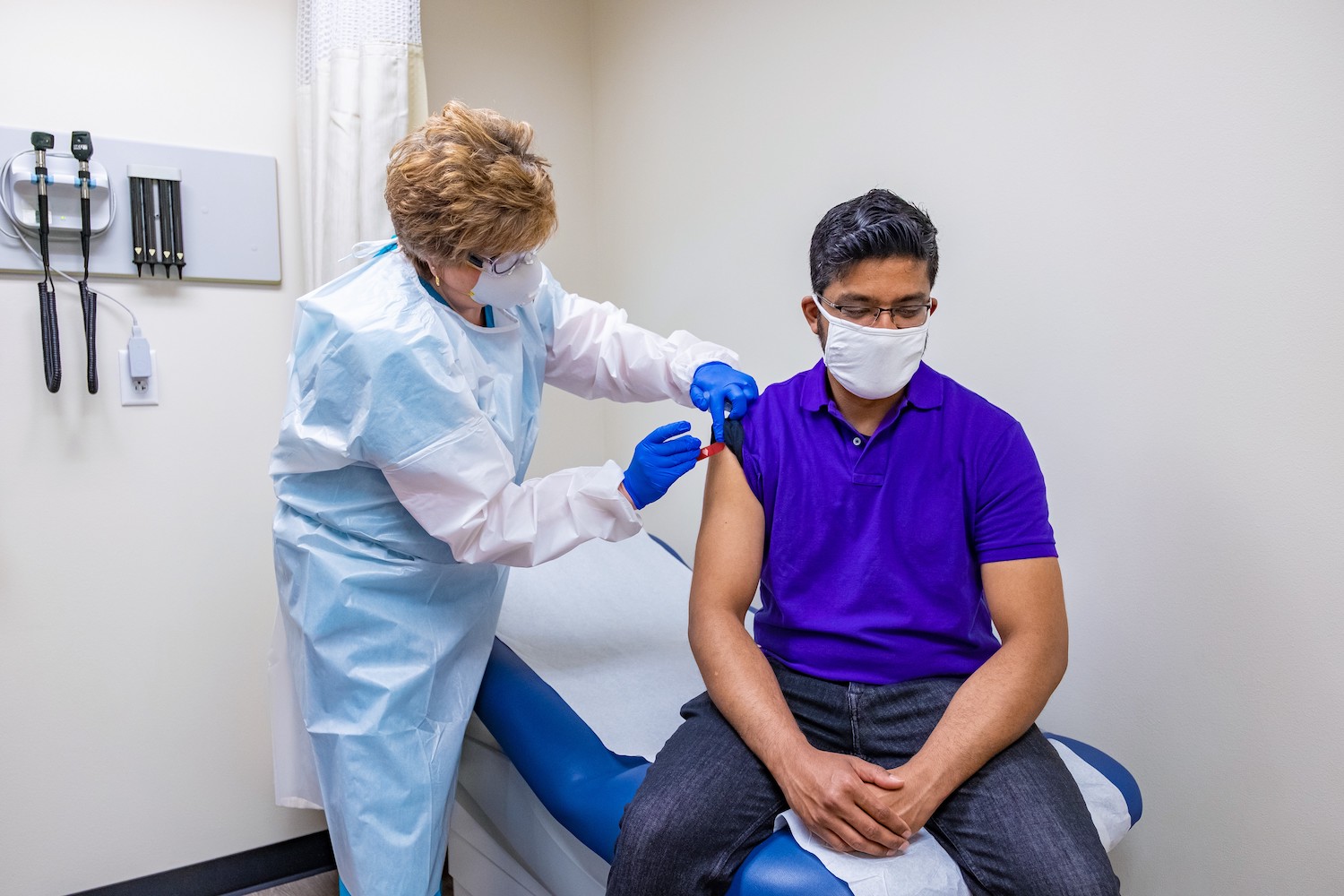
- Site Selection: Typically the deltoid muscle for adults. Providers are trained to avoid nerves and blood vessels through anatomical landmarking.
- Observation Period: Patients are generally asked to remain in the store for 15 minutes post-injection to monitor for rare immediate allergic reactions (anaphylaxis).
Documentation and Reporting
Every "CVS shot" is recorded in the patient's Electronic Health Record (EHR). In 2026, CVS utilizes a bidirectional data exchange with state registries. This ensures that if you receive a Shingles shot at a CVS in Florida, your primary care doctor in New York can see that record in their own system, preventing over-vaccination or missed doses.
Evaluating Convenience: Pros and Cons of CVS Vaccinations
When deciding where to receive immunizations in 2026, patients must weigh the accessibility of a retail pharmacy against the continuity of care provided by a traditional doctor's office.
Advantages
- Extended Hours: CVS pharmacies and MinuteClinics are often open evenings and weekends, providing flexibility for working professionals and families.
- Geographic Density: With thousands of locations, most Americans live within 10 miles of a CVS, reducing travel barriers.
- Immediate Availability: Unlike primary care offices that may require weeks for an appointment, CVS often has same-day or next-day slots.
- Digital Integration: The ability to track records and schedule via an app streamlines the administrative burden for patients.
Considerations
- Clinical Environment: A retail pharmacy can be loud or busy, which may be stressful for children or individuals with needle phobias.
- Limited Scope: While CVS handles routine vaccines, complex cases involving immunocompromised patients or rare medical histories are often better managed by a specialist or PCP who knows the patient's full history.
- Records Fragmentation: Although data sharing has improved, patients must still ensure their primary physician is aware of vaccinations received at retail locations to maintain a centralized medical record.
Frequently Asked Questions
Can I get multiple shots during the same CVS visit?
Yes, it is clinically safe and often recommended to "co-administer" certain vaccines, such as the flu shot and the COVID-19 booster, or the flu shot and the pneumonia vaccine. The CDC confirms that getting multiple vaccines at once does not decrease the effectiveness of the individual doses or significantly increase the risk of side effects. CVS practitioners typically administer the injections in different arms or at least one inch apart in the same limb.
What should I bring to my vaccination appointment?
You should bring a valid photo ID, your current insurance card (including your Medicare red, white, and blue card if applicable), and your vaccination record card if you are continuing a series (like Hepatitis B or Shingles). If you are a minor, a legal guardian must be present to provide consent. In 2026, digital versions of insurance cards are widely accepted at all CVS kiosks.
How do I handle side effects from a CVS shot?
Common side effects include soreness at the injection site, mild fever, fatigue, or a headache. These are normal signs that your body is building protection. Over-the-counter pain relievers like ibuprofen or acetaminophen can be used post-vaccination if symptoms persist. If you experience severe symptoms like difficulty breathing, swelling of the face, or a high fever that does not break, contact a healthcare provider immediately or visit an emergency room.
Does CVS offer travel vaccines like Yellow Fever or Typhoid?
Travel vaccinations are primarily handled through MinuteClinic locations rather than the standard pharmacy counter. These visits require a "Travel Health Consultation" where a provider reviews your itinerary and recommends specific protections based on regional risks. It is advised to schedule these appointments at least 4-6 weeks before your trip, as some vaccines require multiple doses or time to reach peak effectiveness.
Can my child get their school-required shots at CVS?
Most CVS MinuteClinics are authorized to administer school-required immunizations such as MMR, Polio, and Varicella for children ages 18 months and older. However, state laws vary regarding what a pharmacist can administer at the regular counter. For children under 5, it is always best to schedule through a MinuteClinic to ensure a pediatric-trained provider is available.
Strategic Health Recommendations for 2026
To maximize the benefits of the CVS immunization program, patients should adopt a proactive approach to their health schedule. 2026 marks a year where personalized medicine and retail convenience intersect more than ever before. It is recommended to schedule seasonal boosters in early September to ensure peak immunity before the winter respiratory season begins. Always verify your specific insurance network status through the CVS app before arrival to ensure a seamless $0 copay experience.
By utilizing the integrated tools provided by CVS—such as text reminders for second doses of the Shingles or HPV series—you can maintain high compliance with the ACIP schedule. This community-based approach to vaccination remains the most effective defense against preventable diseases, supporting both individual health and broader public safety.
Image Gallery