Understanding the Denver Downtown Detention Center: A Comprehensive Guide
The Denver Downtown Detention Center, officially known as the Van Cise-Simonet Detention Center, is the primary processing and intake facility for the City and County of Denver. It serves as a high-security local jail designed to hold...
The Denver Downtown Detention Center, officially known as the Van Cise-Simonet Detention Center, is the primary processing and intake facility for the City and County of Denver. It serves as a high-security local jail designed to hold individuals who have been recently arrested, are awaiting trial, or are pending transfer to other correctional institutions.
Contents
Located in the heart of the city’s justice complex, this facility is the first point of entry for nearly everyone arrested by the Denver Police Department or the Denver Sheriff Department. Because the legal system can be opaque and stressful for those on the outside, understanding the specific operations, rules, and procedures of this facility is essential for families, legal counsel, and the public.
The Role of the Van Cise-Simonet Detention Center
The Denver Downtown Detention Center is not a long-term prison. Instead, it is a short-term detention facility managed by the Denver Sheriff Department (DSD). As of 2026, it remains one of the most technologically advanced jails in the region, focusing on the efficient processing of detainees while maintaining a high level of security.
The facility’s primary function is "intake." When an individual is arrested within the city limits, they are brought here for booking. This process includes fingerprinting, photography (mugshots), medical screening, and a background check to determine if there are any outstanding warrants in other jurisdictions. Once processed, the individual is held here until they can post bail, are released on their own recognizance, or are moved to a different facility to await their court dates.
It is important to distinguish this facility from the Denver County Jail (located on Smith Road). While both are run by the Denver Sheriff Department, their functions differ significantly. The Downtown Detention Center is for pre-trial detainees, while the County Jail typically houses individuals who have already been sentenced for misdemeanor crimes or are serving shorter sentences.
Facility Location and Contact Information
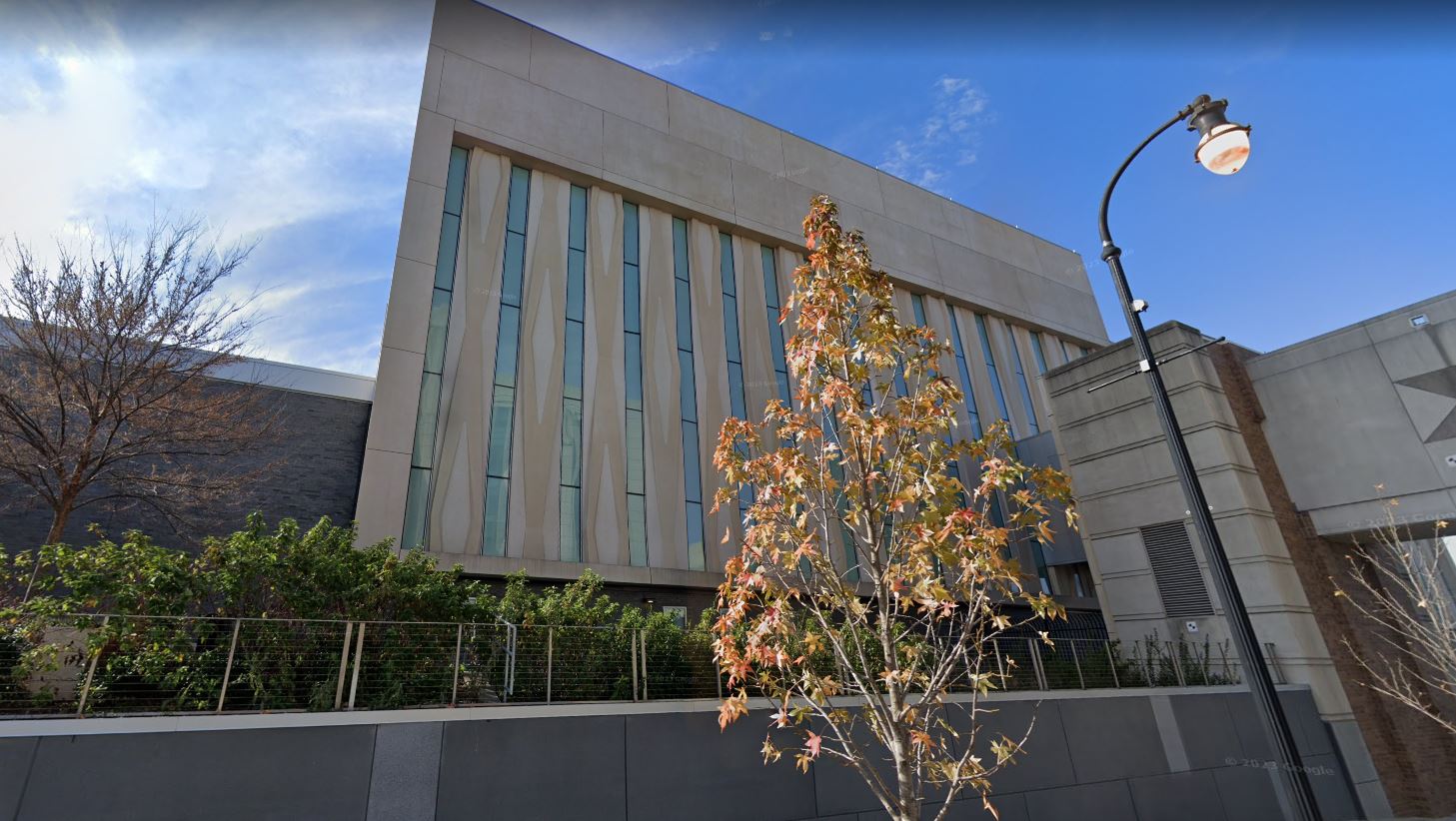
The Denver Downtown Detention Center is situated at 490 Colfax Avenue, Denver, CO 80204. Its location is strategic, as it sits directly across from the Lindsey-Flanigan Courthouse, where most initial advisements and criminal proceedings occur.
- Main Phone Line: (720) 337-0400
- Bonding Office: (720) 337-0062
- Operating Hours: The facility operates 24 hours a day, 7 days a week, including holidays.
For those visiting the facility, parking can be found in various public lots around the Golden Triangle and Civic Center neighborhoods, though street parking is often limited and strictly enforced.
The Booking and Intake Process
When a person arrives at the Denver Downtown Detention Center, they undergo a multi-step booking process. In 2026, many of these steps have been streamlined through digital records management, but the fundamental legal requirements remain the same.
- Search and Inventory: Upon entry, the detainee is searched for weapons and contraband. Their personal property (phone, wallet, keys, jewelry) is inventoried and stored in a secure locker. They receive a receipt for these items, which can be claimed upon release.
- Medical Screening: Every person entering the facility is screened by medical staff. This is to ensure they do not have immediate health crises, contagious diseases, or mental health issues that require emergency intervention.
- Identification: This includes taking a "mugshot" and digital fingerprints. These fingerprints are run through local, state, and federal databases (such as the FBI) to confirm identity and check for warrants.
- Classification: Not all inmates are housed together. The facility uses a classification system to determine where an inmate should be placed based on the severity of the charges, their past criminal history, and their behavior during the booking process.
- Initial Advisement: Most detainees will see a judge via video link for their first appearance within 24 to 48 hours. At this stage, the judge will set a bond amount or decide on a "Personal Recognizance" (PR) bond.
How to Post Bail and Bond
One of the most frequent reasons people contact the Denver Downtown Detention Center is to "bond someone out." The Bonding Office is located within the facility and is accessible 24/7.
Types of Bonds in Denver
There are several ways an individual can be released pending trial:
- Personal Recognizance (PR) Bond: The defendant is released based on a promise to appear in court. No money is required upfront, though a fee may be assessed if they fail to appear.
- Cash Bond: The full amount of the bail must be paid in cash. This money is held by the court and returned (minus court fees) once the case is closed, provided the defendant attends all hearings.
- Surety Bond: This involves hiring a professional bail bondsman. You typically pay the bondsman a non-refundable fee (usually 10-15% of the total bail amount), and the bondsman guarantees the full amount to the court.
- Property Bond: In some cases, the court may allow real estate equity to be used as collateral for a bond.
The Bonding Process
To post a bond, you must visit the bonding window at 490 Colfax Ave. You will need a valid government-issued ID. Once the bond is posted and processed, the release process begins. It is important to note that release is not instantaneous. It can take anywhere from two to eight hours for an inmate to be processed out of the facility after the bond is satisfied.
Inmate Communication: Phone, Mail, and Tablets
Maintaining contact with someone inside the detention center is managed through specific third-party vendors. As of 2026, the Denver Sheriff Department utilizes integrated digital platforms for most communication.
Phone Calls
Inmates cannot receive incoming phone calls. They must make outgoing calls, which are typically "collect" or paid for using a pre-paid account (often through a service like Securus or GTL). All calls, except those to verified legal counsel, are recorded and monitored.
Mail Regulations
Sending mail to an inmate requires strict adherence to DSD guidelines to prevent the introduction of contraband.
- Address Format: [Inmate Name and CD Number] Denver Downtown Detention Center P.O. Box 1108 Denver, CO 80201
- Restrictions: Mail must be on plain white paper or postcards. Do not use glitter, perfume, stickers, or staples. Envelopes must not have padding. Any mail containing contraband or violating rules will be returned or destroyed.
Digital Tablets and Messaging
The facility provides inmates with access to secure tablets. These devices allow inmates to send electronic messages (similar to email), access educational materials, and sometimes stream movies or music for a fee. This is often the fastest way to communicate, as digital messages are screened more quickly than physical mail.
Visitation Rules and Scheduling
Visitation at the Denver Downtown Detention Center is primarily video-based. In-person "contact" visits are generally not permitted for the general population to ensure the safety and security of both staff and visitors.
| Feature | Video Visitation (Remote) | Video Visitation (On-Site) |
|---|---|---|
| Location | From your home/mobile device | At the facility kiosk |
| Cost | Per-minute or flat fee applies | Usually free (limited slots) |
| Scheduling | Must be scheduled 24h in advance | Must be scheduled in advance |
| Duration | 20–40 minutes typical | 20 minutes typical |
| Requirements | High-speed internet, camera | Valid Government ID |
Visitation Conduct
All visitors must follow a strict dress code (no provocative clothing, no gang-related attire). Any attempt to display contraband or engage in inappropriate behavior during a video call will result in the immediate termination of the session and a possible ban from future visitation.
Medical Care and Inmate Welfare
The Denver Sheriff Department is legally obligated to provide a "constitutional standard of care" to all detainees. This includes access to medical doctors, nurses, and mental health professionals.
- Prescription Medication: If a family member needs to get essential medication to an inmate, they should contact the facility's medical department. Generally, the facility will provide medications through their own pharmacy after verifying the prescription with the inmate's doctor.
- Mental Health Services: Given the high rate of mental health struggles among those in the justice system, the Van Cise-Simonet center has dedicated staff for crisis intervention and suicide prevention.
- Dietary Needs: Inmates are provided three meals a day. Accommodations are made for documented medical diets or sincere religious dietary requirements (e.g., Kosher or Halal).
Professional and Legal Visits
Attorneys, paralegals, and investigators have different access rights than the general public. Legal visits can occur in person at the facility in private interview rooms. These visits are not recorded or monitored, preserving attorney-client privilege. Legal professionals must present valid bar association credentials and identification to gain entry.
Frequently Asked Questions
How do I find out if someone is in the Denver Downtown Detention Center?
You can use the Denver Sheriff Department Inmate Lookup tool. You will need the person's first and last name. The search results will provide their "CD number," current charges, and bond amount if applicable.
Can I bring property to an inmate?
Generally, no. You cannot bring clothes, food, or personal items to an inmate. The only common exception is if an inmate is heading to trial and needs "court clothes" (a suit or professional attire), which must be coordinated through their attorney and the DSD property office.
How do I put money on an inmate's account?
Money for the "commissary" (where inmates buy snacks, hygiene items, and stamps) can be deposited via kiosks in the facility lobby, online through the DSD-authorized vendor, or by phone. You will need the inmate's full name and CD number.
What happens to an inmate's car after an arrest?
If the vehicle was not parked legally or was part of a crime scene, it was likely impounded by the Denver Police Department. You would need to contact the Denver Abandoned Vehicle/Impound Lot to locate the vehicle and learn the requirements for its release.
Are there programs for inmates at this facility?
Because the Downtown Detention Center is an intake facility, the programs are more limited than at the Smith Road County Jail. However, they do offer basic religious services, access to a law library, and initial substance abuse counseling resources.
Moving Forward: Next Steps
If a loved one is currently held at the Denver Downtown Detention Center, your first priority should be determining their bond status and securing legal representation. If you are unable to afford a private attorney, you can request a Public Defender during the initial advisement hearing.
Ensure you maintain a record of the inmate’s CD Number, as this is required for every transaction, from sending mail to posting bond. If you encounter issues with the facility's automated systems, the most effective way to resolve them is to visit the public window at the facility during daytime business hours, where staff can provide more direct assistance.
Image Gallery