Is a TD Bank Mortgage Refinance Right for You?
Deciding whether a TD Bank mortgage refinance is right for you depends on your current interest rate, home equity, financial goals, and whether you prefer a traditional retail banking experience with physical branch access or are comfo...
Deciding whether a TD Bank mortgage refinance is right for you depends on your current interest rate, home equity, financial goals, and whether you prefer a traditional retail banking experience with physical branch access or are comfortable primarily managing your loan online. TD Bank offers a variety of refinancing options—including rate-and-term, cash-out, and specialized programs—making it a strong contender for homeowners looking to lower monthly payments, shorten loan terms, or tap into home equity, though closing costs and eligibility requirements require careful evaluation against other lenders.
Contents
Refinancing a mortgage is a major financial decision that can alter your monthly cash flow, total interest paid over the life of the loan, and long-term wealth accumulation. For homeowners evaluating options in the United States, TD Bank provides a regional footprint spanning the East Coast from Maine to Florida, offering retail convenience alongside digital mortgage tools. This comprehensive guide examines how TD Bank’s mortgage refinancing products work, their pros and cons, qualification criteria, and how to determine if they align with your financial situation.
Understanding Mortgage Refinancing Options at TD Bank
Before diving into whether a lender is right for you, it is essential to understand the types of refinancing products available. TD Bank provides standard industry refinancing structures designed to meet distinct financial objectives.
Rate-and-Term Refinance
A rate-and-term refinance replaces your existing mortgage with a new loan carrying a different interest rate, a different loan term, or both. Homeowners typically choose this option when market interest rates drop significantly below their current rate, allowing them to reduce their monthly mortgage payments. Alternatively, borrowers with rising incomes may use a rate-and-term refinance to transition from a 30-year fixed mortgage to a 15-year fixed mortgage, securing a lower interest rate and building equity much faster while keeping total lifetime interest expenses down.
Cash-Out Refinance
A cash-out refinance allows you to borrow against the accumulated equity in your home. You replace your current mortgage with a larger loan, receive the difference in a lump sum of cash at closing, and use those funds for high-return purposes such as home renovations, debt consolidation, or educational expenses. TD Bank offers competitive cash-out refinancing structures, though these loans typically feature stricter credit score requirements, lower maximum loan-to-value (LTV) ratios, and slightly higher interest rates compared to standard rate-and-term refinances.
Core Features and Benefits of TD Bank Refinances
Choosing a mortgage lender involves looking past the baseline interest rate to examine customer service, loan customization, and relationship perks. TD Bank stands out in several operational categories that appeal to specific borrower segments.
Relationship Discounts
One of the primary advantages of financing or refinancing a mortgage with TD Bank is the potential for relationship pricing. Borrowers who maintain eligible checking, savings, or investment accounts with TD Bank may qualify for interest rate discounts or closing cost reductions. These relationship discounts can yield substantial savings over a 15- or 30-year loan term, making the institution particularly attractive for consumers who prefer to centralize their banking activities under one roof.
Specialized Loan Programs
Beyond conventional conforming loans backed by Fannie Mae and Freddie Mac, TD Bank services jumbo loans and specialized financing structures. For high-value properties along the East Coast, TD Bank’s jumbo mortgage refinancing options provide competitive structures for affluent borrowers who require loan amounts exceeding conventional conforming limits. Additionally, the bank participates in various portfolio lending programs, granting its underwriters more flexibility to accommodate unique borrower profiles that might not fit rigid automated underwriting algorithms.
Dedicated Loan Officers and Branch Access
While many modern fintech lenders operate entirely online with automated call centers, TD Bank combines digital application portals with an extensive physical branch network. Borrowers who value face-to-face consultations can meet with dedicated loan officers at local branches to discuss complex financial scenarios, such as self-employment income verification or multi-property portfolios.
| Refinance Type | Primary Objective | Typical LTV Limit | Best Suited For |
|---|---|---|---|
| Rate-and-Term (Lower Rate) | Lower monthly payments | Up to 80% - 95% | Homeowners looking to reduce monthly overhead |
| Rate-and-Term (Shorter Term) | Pay off debt faster | Up to 80% - 95% | Homeowners seeking to eliminate debt before retirement |
| Cash-Out Refinance | Access home equity for cash | Usually up to 80% | Funding major home renovations or consolidating high-interest debt |
| Jumbo Refinance | Finance high-value properties | Varies by profile | Luxury homeowners requiring loans above conforming limits |
Eligibility Requirements and Financial Prerequisites
Qualifying for a mortgage refinance with TD Bank requires meeting stringent financial criteria. Underwriters evaluate your creditworthiness, income stability, property valuation, and existing debt load to ensure you have the capacity to repay the new loan.
Credit Score and Debt-to-Income (DTI) Ratios
While minimum credit score requirements vary depending on the specific loan program, conventional refinancing generally requires a FICO score of 620 or higher, with the most competitive interest rates reserved for borrowers with scores of 740 and above. Additionally, TD Bank evaluates your Debt-to-Income (DTI) ratio—the percentage of your gross monthly income that goes toward paying debts. Most lenders prefer a DTI ratio below 43%, though lower ratios strengthen your application and expand your borrowing options.
Home Equity and Appraisal Standards
To qualify for a rate-and-term refinance, lenders typically require you to maintain at least 3% to 20% home equity, depending on whether the loan is conventional, FHA, or VA. For cash-out refinances, TD Bank and most major institutions generally cap the loan-to-value (LTV) ratio at 80%, meaning you must retain at least 20% equity in the property after taking cash out. A professional home appraisal is mandatory to verify current market value, and any deferred maintenance or structural issues noted by the appraiser must be resolved before closing.
Potential Drawdowns and Costs to Consider
A balanced evaluation requires examining potential disadvantages. Refinancing is not universally beneficial, and several factors can diminish its financial utility.
Closing Costs and Break-Even Analysis
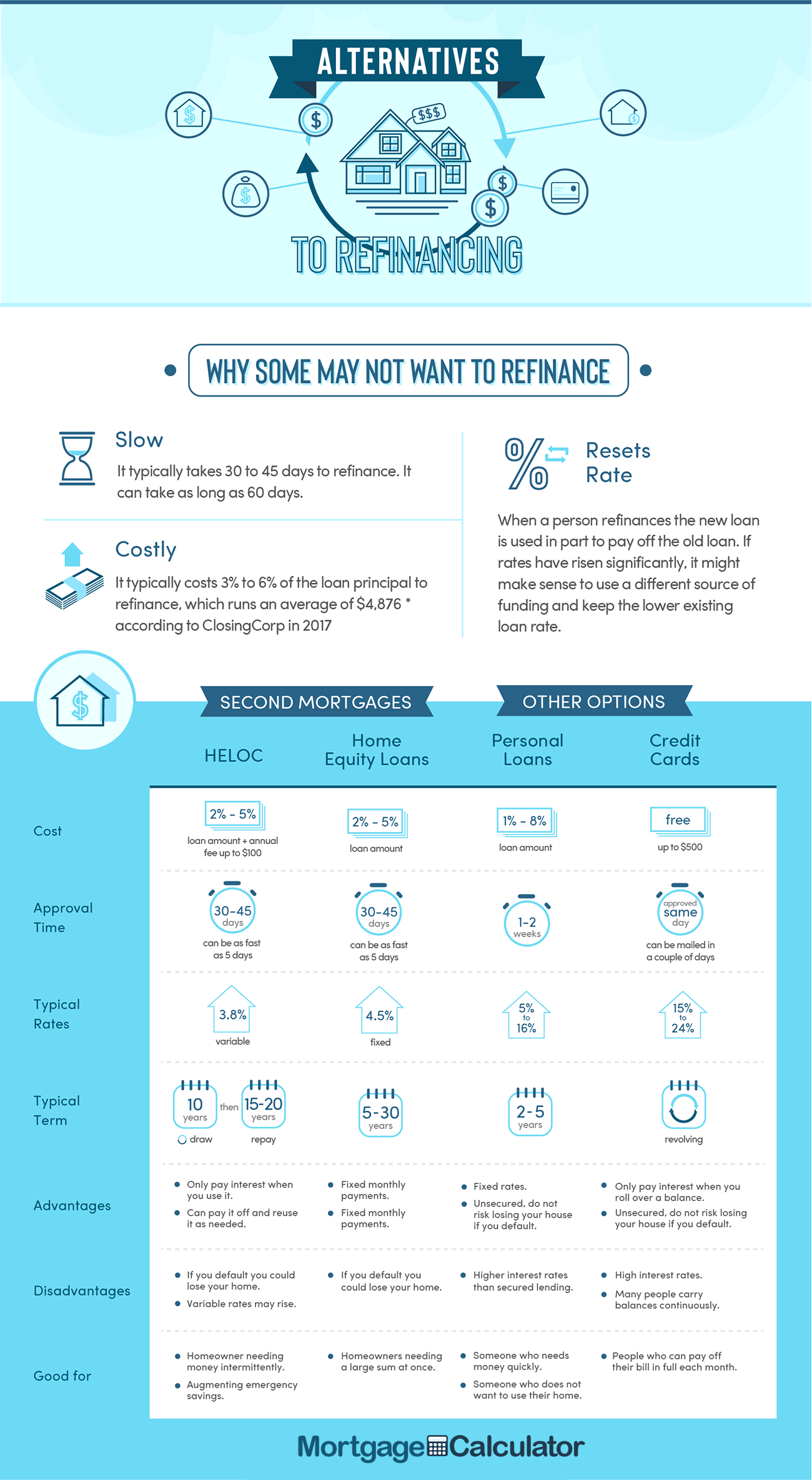
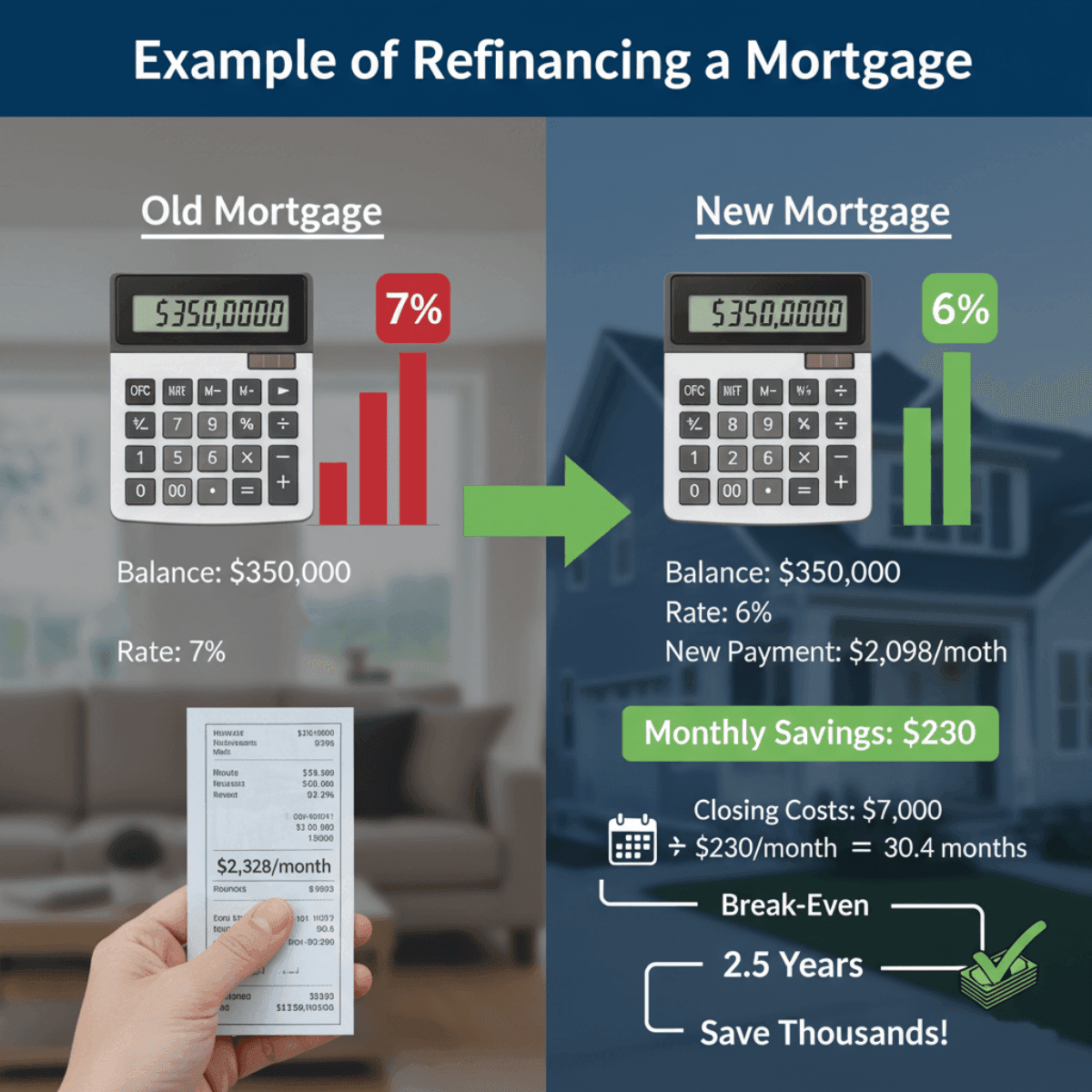
Refinancing is not free. Closing costs—including application fees, origination fees, title insurance, appraisal fees, and government recording charges—typically range from 2% to 6% of the total loan amount. Before proceeding with TD Bank, you must calculate your break-even point: divide the total closing costs by your monthly savings to determine how many months it will take to recover the upfront expense. If you plan to sell the home or move within a few years, the upfront costs may outweigh the long-term interest savings.
Geographic Footprint Limitations
TD Bank operates primarily across the East Coast of the United States. If you reside outside their primary operating footprint, you may encounter limited availability, or the servicing of your loan may be transferred immediately to a third-party mortgage servicer, negating the benefit of localized relationship banking.
Steps to Apply for a TD Bank Mortgage Refinance
If you determine that TD Bank aligns with your financial objectives, navigating the application process efficiently requires preparation and organization.
- Review Your Financial Profile: Pull your credit reports, check your credit scores, and calculate your current DTI ratio and estimated home equity.
- Gather Documentation: Collect recent pay stubs, W-2 forms or tax returns (if self-employed), bank statements, and current mortgage statements.
- Request a Consultation: Contact a TD Bank loan officer online, over the phone, or by visiting a local branch to discuss current refinancing rates and relationship discount eligibility.
- Lock Your Rate: Once you submit a formal application and the loan enters processing, monitor market conditions and lock your interest rate when appropriate.
- Complete the Appraisal and Underwriting: Facilitate the home appraisal and promptly respond to any underwriting requests for additional documentation.
- Closing: Review the Closing Disclosure (CD) at least three business days prior to closing, sign the final loan documents, and finalize the refinance.
Frequently Asked Questions
Does TD Bank charge prepayment penalties on mortgage refinances?
Most conventional and government-backed residential mortgages originated by TD Bank do not feature prepayment penalties, allowing you to pay off the loan early or sell the home without incurring a fee. However, you should review your specific promissory note to confirm loan terms.
How long does the TD Bank refinancing process take?
The timeline from initial application to closing typically ranges from 30 to 45 days. This duration depends on factors such as appraisal scheduling, documentation completeness, and overall market volume.
Can I qualify for TD Bank relationship discounts if I open accounts during the refinancing process?
Yes. TD Bank often permits borrowers to establish qualifying checking or savings accounts prior to closing to secure relationship-based interest rate discounts, though you should verify specific promotional criteria with your loan officer.
What is the minimum credit score required for a cash-out refinance with TD Bank?
While specific requirements fluctuate based on market conditions and total loan size, cash-out refinances generally demand stricter underwriting guidelines, with minimum credit scores typically starting around 660 to 700 for optimal pricing.
Are TD Bank refinancing rates negotiable?
While advertised rates are standard, borrowers with exceptional financial profiles, substantial liquid assets, or significant deposit relationships with TD Bank can sometimes negotiate closing cost credits or rate adjustments during the underwriting process.
Conclusion and Next Actions
A TD Bank mortgage refinance is right for you if you value a blend of digital convenience and physical branch access, qualify for relationship pricing discounts, and have calculated a favorable break-even timeline for your closing costs. To take the next step, pull your current credit reports, assess your home equity, and request personalized rate quotes from TD Bank alongside competing lenders to ensure you secure the most advantageous financing terms available for your financial future.
Image Gallery