4 Essential Rules for Filing Chapter 7 Bankruptcy
Filing Chapter 7 bankruptcy allows individuals and married couples to eliminate most non-priority unsecured debts, providing a structured financial fresh start. To qualify for liquidation and receive a bankruptcy discharge, petitioners...
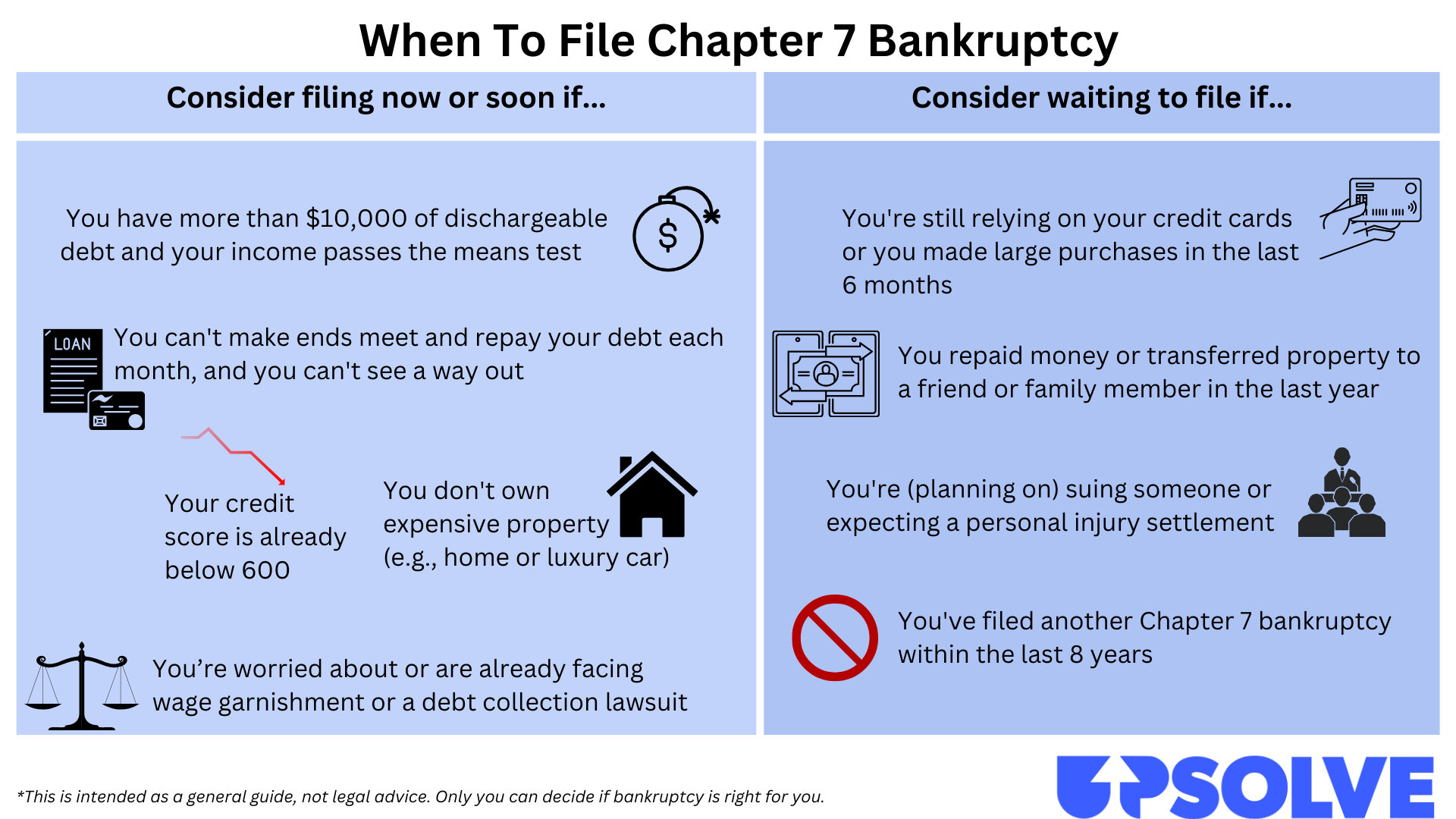
Filing Chapter 7 bankruptcy allows individuals and married couples to eliminate most non-priority unsecured debts, providing a structured financial fresh start. To qualify for liquidation and receive a bankruptcy discharge, petitioners must comply with four core legal rules: satisfying the Means Test, completing mandatory financial education, adhering to statutory filing interval limits, and providing transparent disclosure while asserting property exemptions.
Contents
Disclaimer: Bankruptcy law involves complex federal statutes and state-specific exemptions. The following guide provides legal information based on Title 11 of the United States Code (the Bankruptcy Code) for educational purposes and does not constitute formal legal advice. Debtors should consult a qualified bankruptcy attorney regarding their specific circumstances.
Overview of Chapter 7 Liquidation Bankruptcy
Chapter 7 of the U.S. Bankruptcy Code, often referred to as "liquidation bankruptcy," is designed to clear unsecured debts such as credit card balances, personal loans, and medical bills. Unlike Chapter 13 bankruptcy, which requires debtors to commit to a three- to five-year court-approved repayment plan, Chapter 7 resolves eligible debt through the liquidation of non-exempt property by an appointed bankruptcy trustee.
When a petitioner files a Chapter 7 case, an automatic stay immediately goes into effect under 11 U.S.C. § 362. The automatic stay legally prohibits most creditors from continuing collection activities, placing wage garnishments, initiating foreclosures, or pursuing lawsuits while the bankruptcy proceeding is active.
However, obtaining a bankruptcy discharge—the federal court order that permanently relieves the debtor of personal liability for qualifying debts—is not automatic. Debtors must strictly adhere to four foundational rules throughout the legal process.
Rule 1: Pass the Bankruptcy Means Test (Financial Eligibility)
The first requirement for filing a Chapter 7 bankruptcy is establishing financial eligibility under the Bankruptcy Means Test, codified under 11 U.S.C. § 707(b). Congress introduced the Means Test under the Bankruptcy Abuse Prevention and Consumer Protection Act (BAPCPA) to prevent higher-income individuals from abusing Chapter 7 when they have sufficient income to repay a portion of their debts through Chapter 13.
- Step 1: Compare 6-Month Average Household Income to State Median Income
- Below State Median: Automatically Passes Means Test (Form 122A-1)
- Above State Median: Proceed to Step 2: Form 122A-2 Expense Calculations
- Disposable Income Low: Passes Means Test
- Disposable Income High: Presumption of Abuse (Must File Chapter 13 or Dismiss)
The Two-Part Means Test Structure
- Part One: Median Income Comparison (Official Form 122A-1): The court calculates the debtor's Current Monthly Income (CMI), which is the average gross income received from virtually all sources during the full six calendar months preceding the filing date. If the debtor's annualized income falls at or below the median household income for their specific state and household size, the debtor automatically passes the Means Test and qualifies for Chapter 7. Data on state median incomes is updated periodically by the U.S. Trustee Program.
- Part Two: Financial Deductions and Disposable Income (Official Form 122A-2): If the debtor's income exceeds the state median, they must complete the second part of the test. This calculation deducts mandatory operational expenses, housing standards, transportation allowances, healthcare costs, and secure debt payments (such as ongoing mortgage and auto loan payments) using standardized IRS allowable expense figures. If the resulting "disposable monthly income" over a five-year period falls below statutory thresholds, the debtor satisfies the test. If disposable income is too high, a legal presumption of abuse arises, which typically requires converting the case to Chapter 13 or facing case dismissal.
Exceptions to the Means Test
Not every Chapter 7 petitioner is subject to the Means Test. The Bankruptcy Code provides specific statutory exemptions:
- Non-Consumer Debtors: Debtors whose debts are primarily business-related (more than 50% of total debt liability derived from business operations, commercial guarantees, or certain tax obligations) are exempt from the Means Test.
- Disabled Veterans: Military veterans whose debts were incurred primarily while on active duty or performing a homeland defense activity are exempt under specific statutory conditions.
- Reservists and National Guard Members: Certain active-duty military personnel called to active service may qualify for a temporary exclusion.
Rule 2: Complete Mandatory Credit Counseling and Debtor Education
The Bankruptcy Code mandates two distinct education courses from non-profit credit counseling agencies approved by the Office of the U.S. Trustee (or the Bankruptcy Administrator in Alabama and North Carolina). These courses ensure that debtors understand the financial consequences of bankruptcy and gain practical budgeting tools for post-discharge life.
1. Pre-Filing Credit Counseling (11 U.S.C. § 109(h))
Before officially filing a Chapter 7 petition, individual debtors must complete an initial credit counseling briefing.
- Timeline: The briefing must take place within the 180 days prior to the filing date.
- Content: The course covers an analysis of the debtor’s current financial situation, potential alternatives to bankruptcy, and a sample personal budget.
- Filing Requirement: The debtor must file the official Certificate of Completion alongside their initial bankruptcy petition. Failing to complete this counseling prior to the exact time of filing results in an immediate administrative dismissal of the bankruptcy case.
2. Post-Filing Debtor Education Course (11 U.S.C. § 727(a)(11))
After filing the petition, the debtor must complete a second financial management course prior to receiving a discharge.
- Timeline: In Chapter 7 cases, this course must be completed within 60 days of the first date set for the Meeting of Creditors (the 341 meeting).
- Content: The curriculum focuses on post-bankruptcy budgeting, responsible credit use, risk management, and long-term financial planning.
- Filing Requirement: The debtor must file Official Form 423 (or the provider's certificate of completion) with the court. If a debtor fails to submit proof of completion, the court will close the case without granting a discharge, requiring the debtor to pay court motion fees to reopen the case later.
Rule 3: Observe Statutory Waiting Periods Between Filings
Bankruptcy protection is subject to statutory frequency limits. If a debtor previously received a discharge in a prior bankruptcy proceeding, federal law imposes mandatory waiting periods before another discharge can be granted under Chapter 7. These time bars are calculated from the filing date of the prior case to the filing date of the current case, not from the date the previous discharge order was entered.
| Prior Case Type | New Case Type | Mandatory Waiting Period (Filing Date to Filing Date) |
|---|---|---|
| Chapter 7 | Chapter 7 | 8 Years |
| Chapter 13 | Chapter 7 | 6 Years (Exceptions apply for full/70% plan payments) |
| Chapter 7 | Chapter 13 | 4 Years |
| Chapter 13 | Chapter 13 | 2 Years |
Prior Chapter 7 to New Chapter 7 (8-Year Rule)
Under 11 U.S.C. § 727(a)(8), a debtor cannot receive a Chapter 7 discharge if they were granted a discharge in a Chapter 7 case filed within the preceding 8 years. Filing prior to the expiration of the 8-year mark results in a denial of discharge, though the court may still liquidate non-exempt assets.
Prior Chapter 13 to New Chapter 7 (6-Year Rule)
Under 11 U.S.C. § 727(a)(9), if a debtor previously received a discharge under Chapter 13, they must wait 6 years from the Chapter 13 filing date before receiving a Chapter 7 discharge, unless the debtor met specific repayment thresholds in the Chapter 13 case:
- Paid 100% of allowed unsecured claims in the prior case; or
- Paid at least 70% of allowed unsecured claims, and the Chapter 13 plan was proposed in good faith and represented the debtor's best effort.
Prior Case Dismissals (180-Day Bar)
If a debtor’s prior bankruptcy case was dismissed without a discharge, special rules apply under 11 U.S.C. § 109(g). A debtor is barred from filing any new bankruptcy case for 180 days if:
- The prior case was dismissed by the court for willful failure to abide by court orders or to appear before the court; or
- The debtor requested and obtained a voluntary dismissal of the case after a creditor filed a motion for relief from the automatic stay.
Rule 4: Full Financial Disclosure and Property Exemptions
Chapter 7 operates on an absolute duty of complete financial transparency. In exchange for the discharge of qualifying debts, the debtor must submit exhaustive schedules of assets, liabilities, income, and financial histories under penalty of perjury.
Mandatory Financial Reporting (11 U.S.C. § 521)
Debtors must complete standard bankruptcy schedules detailing their entire financial condition as of the date of filing:
- Schedules A/B: All real estate property (homes, land) and personal property (bank accounts, vehicles, household goods, retirement accounts, stocks).
- Schedule C: Claimed property exemptions.
- Schedules D, E/F: Secured creditors (car loans, mortgages) and unsecured creditors (priority debts like taxes, and non-priority debts like credit cards).
- Schedules I and J: Current gross income and itemized monthly living expenses.
- Statement of Financial Affairs (SOFA): Historical financial transfers, gifts, past income, business ownership, and closed bank accounts within specific lookback windows (ranging from 90 days to several years).
Omission of assets or failure to report financial transactions can lead to severe consequences, including denial of discharge, revocation of a previously granted discharge, and federal criminal prosecution for bankruptcy fraud under 18 U.S.C. § 152.
- Debtor's Assets & Property: Does Property Exceed Exemption Allowance?
- Yes: Non-Exempt Property
- Trustee Liquidates to Pay Creditors
- No: Exempt Property
- Debtor Retains Fully Protected
- Yes: Non-Exempt Property
Protecting Assets Through Bankruptcy Exemptions (11 U.S.C. § 522)
While Chapter 7 involves liquidation, debtors rarely lose all their belongings. Federal and state laws allow debtors to protect essential property using statutory exemptions.
Depending on state law, debtors use either their state’s legal exemption statutory framework or the federal exemption set provided under 11 U.S.C. § 522(d). Some states require debtors to use state exemptions ("opt-out" states), while other states permit debtors to choose between federal and state exemption systems.
Common exemption categories include:
- Homestead Exemption: Protects equity in a primary residence.
- Motor Vehicle Exemption: Protects equity in a personal automobile.
- Wildcard Exemption: Allows debtors to apply unused exemption allowances toward any asset, including cash or bank account balances.
- Tools of the Trade Exemption: Protects tools, equipment, or books necessary for the debtor's trade or profession.
- Retirement Accounts: ERISA-qualified pensions, 401(k)s, and IRAs receive broad statutory protections under federal law.
Property equity that exceeds available exemption limits is considered "non-exempt." The Chapter 7 trustee can take control of non-exempt property, sell it, and distribute the net proceeds to unsecured creditors according to statutory priority rules.
Summary Matrix of Chapter 7 Core Rules
The following table outlines the governing statutory rules, requirements, and legal impacts involved in filing Chapter 7 bankruptcy:
| Rule & Domain | Statutory Basis | Core Requirement / Standard | Impact on Bankruptcy Case |
|---|---|---|---|
| 1. Means Test | 11 U.S.C. § 707(b) | Average 6-month gross income must be below state median, or disposable income under Form 122A-2 must pass statutory threshold. | Failing creates a presumption of abuse; case must convert to Chapter 13 or be dismissed. |
| 2. Mandatory Courses | 11 U.S.C. § 109(h) & § 727(a)(11) | Complete pre-filing credit counseling (within 180 days prior) and post-filing debtor education. | Missing pre-filing course triggers immediate case dismissal; missing post-filing course blocks final discharge. |
| 3. Waiting Periods | 11 U.S.C. § 727(a)(8)-(9) | Wait 8 years between Chapter 7 discharges; 6 years between Chapter 13 and Chapter 7 (with minor exceptions). | Premature filing results in denial of debt discharge while assets remain subject to liquidation. |
| 4. Full Disclosure & Exemptions | 11 U.S.C. § 521 & § 522 | Disclose all assets, income, and liabilities under penalty of perjury; apply state or federal exemptions to protect equity. | Unexempt property is sold by trustee for creditors; fraudulent nondisclosure leads to loss of discharge and criminal prosecution. |
Step-by-Step Chapter 7 Case Administration Workflow
Navigating Chapter 7 requires following a precise sequence of administrative and judicial steps. Understanding this workflow helps debtors manage deadlines effectively.
- [Day -180 to 0] Pre-Filing Credit Counseling
- [Day 0] File Chapter 7 Petition, Schedules, & Statements (Automatic Stay Enacted immediately)
- [Day 20 - 40] Meeting of Creditors (341 Meeting)
- [Day 0 - 60 Post-341] Complete Debtor Education Course (Form 423)
- [60 Days Post-341] Creditor Objection Deadline Expires
- [Approx. Month 3 - 4] Bankruptcy Court Grants Discharge Order
1. Pre-Filing Documentation and Counseling
Before initiating a case, the debtor must gather tax returns for the past 4 years, pay stubs for the prior 6 months, bank statements, asset titles, and debt documentation. The debtor must complete the pre-filing credit counseling course from an approved agency.
2. Filing the Voluntary Petition
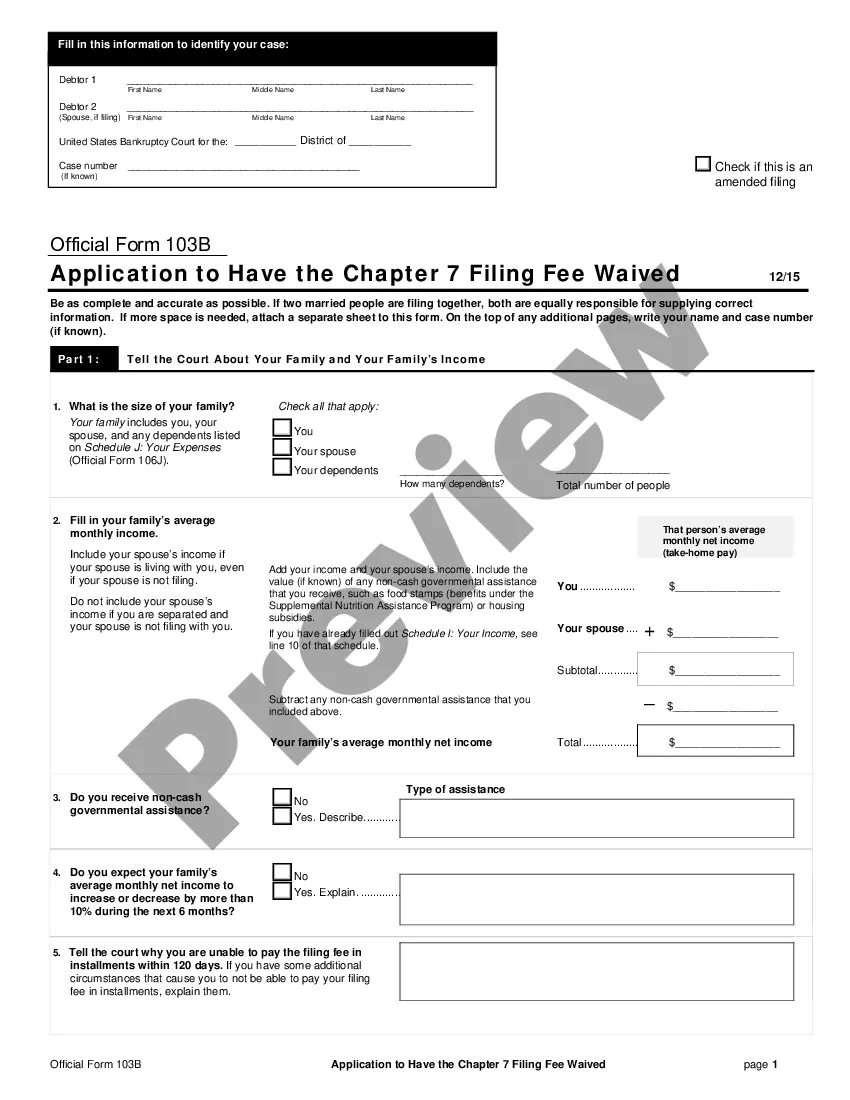
The case officially opens when the debtor files the voluntary bankruptcy petition, financial schedules, and Statement of Financial Affairs with the federal Bankruptcy Court clerk, along with the filing fee (or an application for fee waiver/installment payments).
3. The Meeting of Creditors (341 Meeting)
Approximately 20 to 40 days after filing, the debtor must attend the Section 341 Meeting of Creditors. Presided over by the assigned Chapter 7 trustee, this meeting allows the trustee and any attending creditors to question the debtor under oath regarding asset disclosures, income calculations, and the accuracy of the bankruptcy schedules.
4. Debtor Education and Discharge Entry
Following the 341 meeting, the debtor completes the post-filing debtor education course and files the certificate of completion. If no creditors or trustees file an objection to discharge within 60 days of the first scheduled 341 meeting date, the court enters the discharge order, closing the bankruptcy case.
Common Mistakes That Threaten Chapter 7 Filings
Errors during the Chapter 7 process can cause severe legal complications, including case dismissal, loss of assets, or denial of discharge.
- Transferring Assets Prior to Filing: Moving titles to family members, selling property below market value, or hiding cash within 2 years of filing can be deemed a fraudulent conveyance. Trustees can claw back transferred assets and request that the judge deny the debtor's discharge.
- Preferential Creditor Payments: Paying back select debts owed to friends, relatives, or specific creditors within 1 year before filing (or within 90 days for general creditors) violates preferential transfer rules. The trustee may recover those funds from the recipient.
- Incurring Debt Immediately Before Filing: Using credit cards for luxury goods or taking cash advances shortly before filing can lead to creditor non-dischargeability lawsuits based on fraud allegations under 11 U.S.C. § 523(a)(2).
- Failing to Match Tax Returns and Schedules: Discrepancies between reported income on tax returns and figures listed on Bankruptcy Schedules I and Form 122A-1 frequently lead to trustee audits and delayed proceedings.
Frequently Asked Questions
Can you keep your house and car when filing Chapter 7?
Yes, debtors can keep their home and motor vehicle if they satisfy two requirements: first, the equity in the property must be fully covered by applicable federal or state property exemptions; second, the debtor must remain current on all ongoing mortgage or auto loan contract payments. If the equity is unexempt, the trustee may sell the asset. If payments are delinquent, the secured lender may request court permission to foreclose or repossess.
What debts are non-dischargeable in Chapter 7 bankruptcy?
Certain obligations cannot be wiped out under Chapter 7. Common non-dischargeable debts under 11 U.S.C. § 523 include most domestic support obligations (child support and alimony), most student loans (unless the debtor proves undue hardship in an adversary proceeding), recent tax debts, court-ordered restitution, fines, and debts arising from fraud or willful and malicious injury.
What happens if your income is above the state median?
If your gross income exceeds the state median for your household size, you do not automatically fail Chapter 7. You must complete the detailed expense deductions under Form 122A-2. If allowable statutory deductions reduce your disposable monthly income below federal guidelines, you still qualify for Chapter 7. If disposable income remains high, your options typically involve converting your case to a Chapter 13 debt repayment plan or dismissing the petition.
How long does a Chapter 7 bankruptcy stay on your credit report?
A Chapter 7 bankruptcy filing remains on major consumer credit reports for up to 10 years from the original filing date under the Fair Credit Reporting Act (FCRA). However, debtors can begin rebuilding credit scores immediately after receiving their court discharge order through responsible credit use and low utilization balances.
What is the difference between a Chapter 7 case dismissal and a debt discharge?
A discharge is the successful outcome where the court permanently releases the debtor from personal liability for qualifying debts. A dismissal is an administrative or judicial termination of the case prior to discharge, usually triggered by missed deadlines, missing documents, failing the Means Test, or non-payment of court fees. When a case is dismissed, creditors can immediately resume collection activities.
Practical Guidance and Next Steps
Filing for Chapter 7 bankruptcy protection requires strict compliance with statutory rules, precise documentation, and clear financial reporting. Debtors considering Chapter 7 should execute the following initial actions:
- Obtain Official Income Records: Gather gross pay stubs and source documentation for the full six calendar months preceding your intended filing month to complete an initial Means Test assessment.
- Review State Property Exemptions: Research whether your state requires state-specific exemptions or permits the federal bankruptcy exemption structure to ensure your assets are protected.
- Verify Federal Course Providers: Access the U.S. Trustee Program official portal to select an approved credit counseling agency before submitting any court filings.
- Consult a Consumer Bankruptcy Attorney: Consult with an experienced bankruptcy attorney to evaluate debt non-dischargeability risks, review asset exemption applications, and navigate regional local court rules.
Image Gallery