Matt Goss Band Evolution and Ongoing Debates: From Bros to the 2026 Musical Landscape
Matt Goss’s musical evolution is a complex trajectory that spans four decades, moving from the synth-pop hysteria of Bros in the late 1980s to his sophisticated 2026 status as a seasoned solo artist. The ongoing debates surrounding his...
Matt Goss’s musical evolution is a complex trajectory that spans four decades, moving from the synth-pop hysteria of Bros in the late 1980s to his sophisticated 2026 status as a seasoned solo artist. The ongoing debates surrounding his career focus primarily on his volatile but creatively potent relationship with his twin brother Luke, the stylistic shift from teen idol to Las Vegas crooner, and the technical maturity of his contemporary live arrangements.
Contents
The Foundation: The Bros Era and the Power Trio (1986–1989)
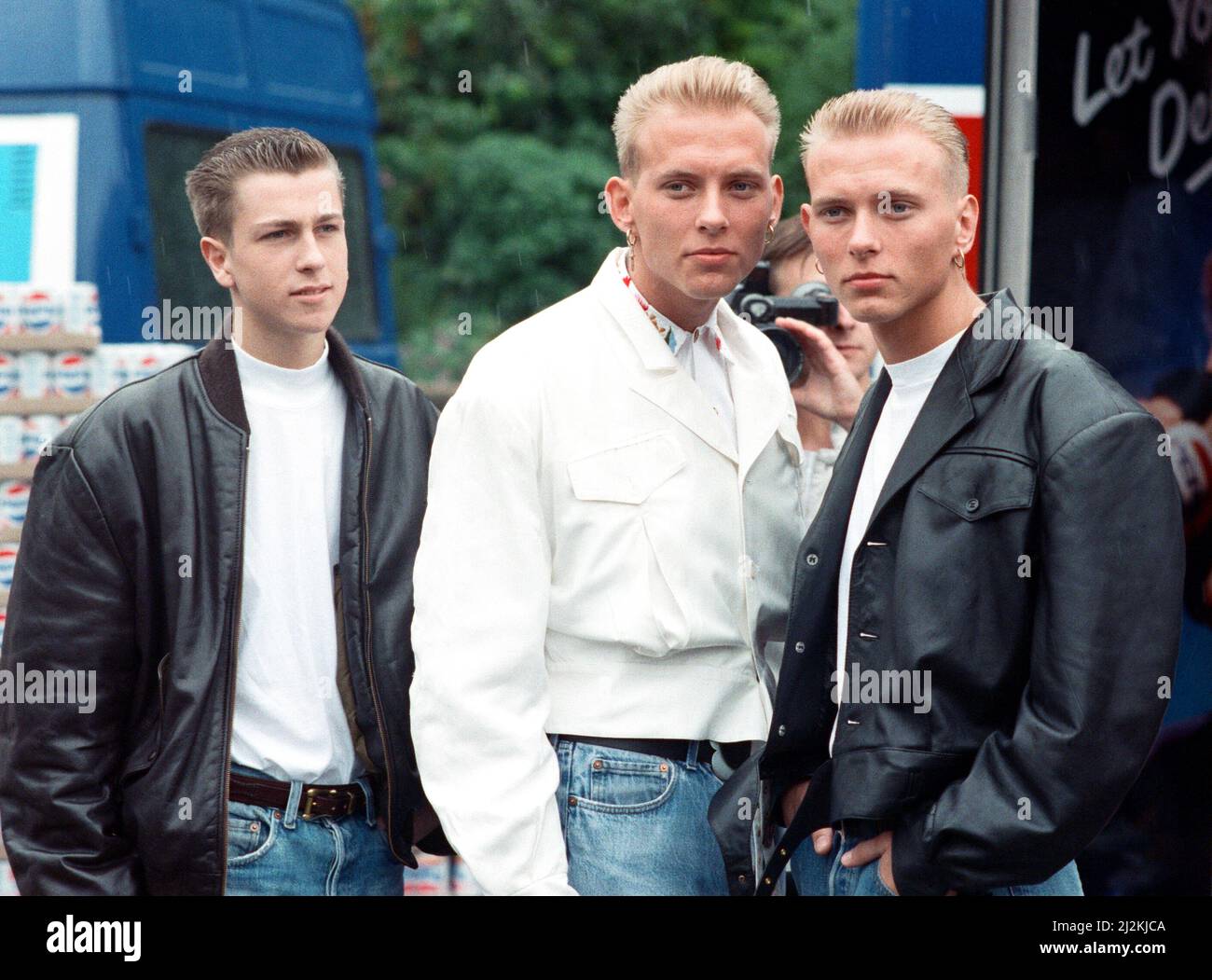
The evolution of the Matt Goss "band" identity began in 1986 with the formation of Bros. Originally a trio consisting of Matt Goss (lead vocals), his twin brother Luke Goss (drums), and Craig Logan (bass), the group became a global phenomenon with their 1988 debut album, Push. This era was defined by a specific technical sound—utilizing the Fairlight CMI synthesizer and crisp, programmed percussion that complemented Luke’s live drumming.
The initial band dynamic was one of shared labor, though Matt’s role as the "frontman" quickly became the focal point for the media. This period established the first major debate in the Goss timeline: the balance of contribution. While Matt provided the vocal identity, Luke’s rhythmic foundation and Craig Logan’s presence created a balanced pop image. However, the pressures of "Brosmania" led to internal fractures.
Craig Logan’s departure in 1989 marked the first significant evolutionary shift. He left citing health issues and the overwhelming pressure of fame, which transformed Bros into a duo. This change forced the band to rely more heavily on session musicians for live performances, moving away from the "garage band" camaraderie toward a more polished, corporate pop structure. The duo continued with albums like The Time and Changing Faces, which showcased a more soul-inflected sound, but they could never quite replicate the cultural saturation of the original trio.
Transitioning to the Solo Spotlight: The Vegas Years
Following the disbandment of Bros in 1992, Matt Goss underwent a period of professional reinvention. The most significant evolution occurred when he relocated to the United States and established a long-running residency in Las Vegas. Starting at Caesars Palace and later moving to The Venetian and 1-Oak, the "Matt Goss Band" was reimagined as a high-gloss, big-band ensemble.
During this decade-long era, Matt’s musical identity shifted toward the "crooner" archetype, drawing comparisons to Frank Sinatra and Dean Martin. The technical requirements of his band changed drastically:
- The Horn Section: A permanent fixture of his Vegas shows, providing a brassy, orchestral weight to his pop sensibilities.
- The "Dirty Virgins": A troupe of professional dancers that added a theatrical layer to the musical performance, moving the "band" concept into the realm of a full-scale production show.
- Acoustic Integration: Matt began incorporating more live piano and string arrangements, distancing himself from the electronic foundations of his early career.
This era sparked an ongoing debate among long-term fans. While many embraced his maturation into a world-class entertainer, others missed the raw pop energy of the Bros years. The debate centered on whether Matt was "finding his true voice" or simply adapting to the commercial requirements of the Las Vegas market.
The Reunion Catalyst: "After the Screaming Stops"
In 2017, the announcement of a Bros reunion at London’s O2 Arena signaled another evolutionary pivot. This period was immortalized in the BAFTA-winning documentary After the Screaming Stops (2018). The film did more than document a concert; it laid bare the psychological and professional friction between Matt and Luke.
Technically, the 2017/2018 band was a powerhouse, featuring top-tier session players like David Tench (musical director). However, the evolution here was less about the music and more about the relationship. The documentary sparked a massive public debate regarding the dynamics of the Goss brothers. Critics and fans analyzed every interaction, debating whether their intense sibling rivalry was a hindrance or the "secret sauce" that made their music compelling.
As of 2026, this documentary remains a touchstone for any discussion about Matt Goss. It redefined the "band" not as a collection of musicians, but as a fragile partnership between two brothers trying to reconcile their shared past with their separate adult identities.
Ongoing Debates: The Dynamics of the Goss Brothers
The most persistent debate in 2026 remains the question of a permanent Bros reformation versus Matt’s continued solo autonomy. The brothers have experienced cycles of reconciliation and distance, often played out in the media.
Artistry vs. Nostalgia
There is a constant tension between Matt’s desire to release contemporary, experimental solo music and the public’s demand for Bros-era hits like "When Will I Be Famous?" and "I Owe You Nothing."
- The Solo Argument: Proponents of Matt’s solo work point to albums like The Beautiful Unknown as evidence of his growth as a songwriter. They argue that he should not be tethered to a teen-pop legacy.
- The Reunion Argument: Nostalgia remains a powerful economic and emotional force. Debates frequently erupt on social media regarding the "responsibility" the brothers have to their fanbase to tour as Bros one last time for a major anniversary.
The Impact of Reality Television
Matt’s participation in shows like Strictly Come Dancing (2022) also fueled debates about his public persona. Some felt these appearances humanized a star often seen as enigmatic or overly polished, while others worried that the "celebrity" aspect was overshadowing the "musician" aspect of the Matt Goss band evolution.
Technical Evolution of the Live Band (2024–2026)
In the current 2026 landscape, Matt Goss has refined his live setup to bridge the gap between his various eras. His current touring band is a hybrid model that reflects his diverse history.
| Feature | Bros Era (1980s) | Vegas Era (2010s) | Current Era (2026) |
|---|---|---|---|
| Primary Genre | Synth-Pop / Dance | Swing / Big Band / Soul | Contemporary Pop / Orchestral |
| Key Instrumentation | Synthesizers, Drum Machines | Horn Section, Upright Bass | Hybrid Digital/Analogue, Full Strings |
| Stage Presence | Choreographed Boy Band | Rat Pack Crooner | Mature Singer-Songwriter |
| Core Debate | Style over substance? | Is it a "tribute" act? | Legacy vs. Innovation |
| Lead Personnel | Matt, Luke, Craig | Matt + Large Ensemble | Matt + Elite Session Band |
The 2026 technical setup prioritizes "sonic warmth." Moving away from the harsh digital clips of the 80s, Matt now utilizes high-end analog outboard gear for his vocals and insists on live strings for his mid-tempo ballads. This shift is a direct response to the "ongoing debate" about his vocal capabilities, proving his range and control without the safety net of heavy studio processing.
The Future: Will Bros Return in 2026?
As 2026 marks the 40th anniversary of the formation of Bros (1986), speculation has reached a fever pitch. The "ongoing debate" has moved into the realm of logistics: can Matt and Luke coexist on a world stage for a sustained period?
Industry insiders suggest that any 2026 evolution would likely involve a "limited engagement" model rather than a grueling world tour. This would allow Matt to maintain his solo creative projects while honoring the legacy of the band that started it all. The debate is no longer about whether they can play together, but whether they should risk their improved personal relationship for the sake of a professional milestone.
Matt’s solo evolution continues to favor introspective lyrics and complex arrangements. Whether he is backed by a 40-piece orchestra or a minimalist three-piece band, the focus remains on his distinctive vibrato and his ability to command a stage—a skill honed through every stage of his band’s evolution.
Frequently Asked Questions
Why did Craig Logan leave the original Matt Goss band?
Craig Logan left Bros in early 1989 primarily due to a severe bout of glandular fever exacerbated by the relentless schedule of "Brosmania." Beyond his health, there were also reported tensions regarding the management and the intense media scrutiny. His departure changed the band's dynamic from a trio to a duo, a pivotal moment in their evolution.
What was the main conflict in the "After the Screaming Stops" documentary?
The documentary highlighted a deep-seated communication breakdown between Matt and Luke Goss. The "debate" within the film centered on Matt's perceived dominance over the creative process and Luke's feeling of being undervalued as a musician. This psychological tension is what made the film a cultural phenomenon, moving the Bros narrative beyond simple pop music.
Is Matt Goss still performing in Las Vegas in 2026?
While Matt Goss’s primary focus in 2026 has shifted toward UK-based projects and international touring, his "Vegas-style" production values remain a core part of his identity. He occasionally returns for special residency stints, but his current band evolution is more focused on global concert halls and new studio material.
How has Matt Goss’s musical style changed since the 1980s?
Matt has evolved from a teen-oriented synth-pop singer into a versatile vocalist specializing in a blend of contemporary pop, soul, and big-band swing. His technical approach now emphasizes live instrumentation and vocal nuance over the programmed, high-energy dance tracks of the late 80s.
Will there be a 40th-anniversary Bros reunion in 2026?
While no official world tour has been confirmed as of early 2026, the milestone year has prompted intense discussions between the brothers' management teams. The debate continues among fans as to whether a reunion would focus on new music or act strictly as a "greatest hits" celebration of their 1986–1992 peak.
Final Recommendation for Fans and Collectors
For those following the evolution of Matt Goss, the best way to understand his current trajectory is to contrast the 2017 O2 Live recordings with his most recent 2025/2026 solo releases. This comparison highlights his vocal maturation and the sophisticated shift in his band's arrangements. For those interested in the ongoing debates, the documentary After the Screaming Stops remains essential viewing to understand the complex interpersonal foundation upon which his entire musical career is built.
Image Gallery