Why the Answer to Is Course Hero Safe Matters for Academic Integrity and Data Privacy
Understanding whether Course Hero is safe requires looking beyond the basic functionality of the platform to examine its implications for academic integrity, personal data privacy, and the long-term impact on your digital academic foot...
Understanding whether Course Hero is safe requires looking beyond the basic functionality of the platform to examine its implications for academic integrity, personal data privacy, and the long-term impact on your digital academic footprint. Because the platform relies on a crowdsourced model of study materials, the "safety" of using it is not a binary yes or no, but rather a complex consideration of how your participation affects your standing with educational institutions and the security of your proprietary work.
Contents
Understanding the Ecosystem of Course Hero
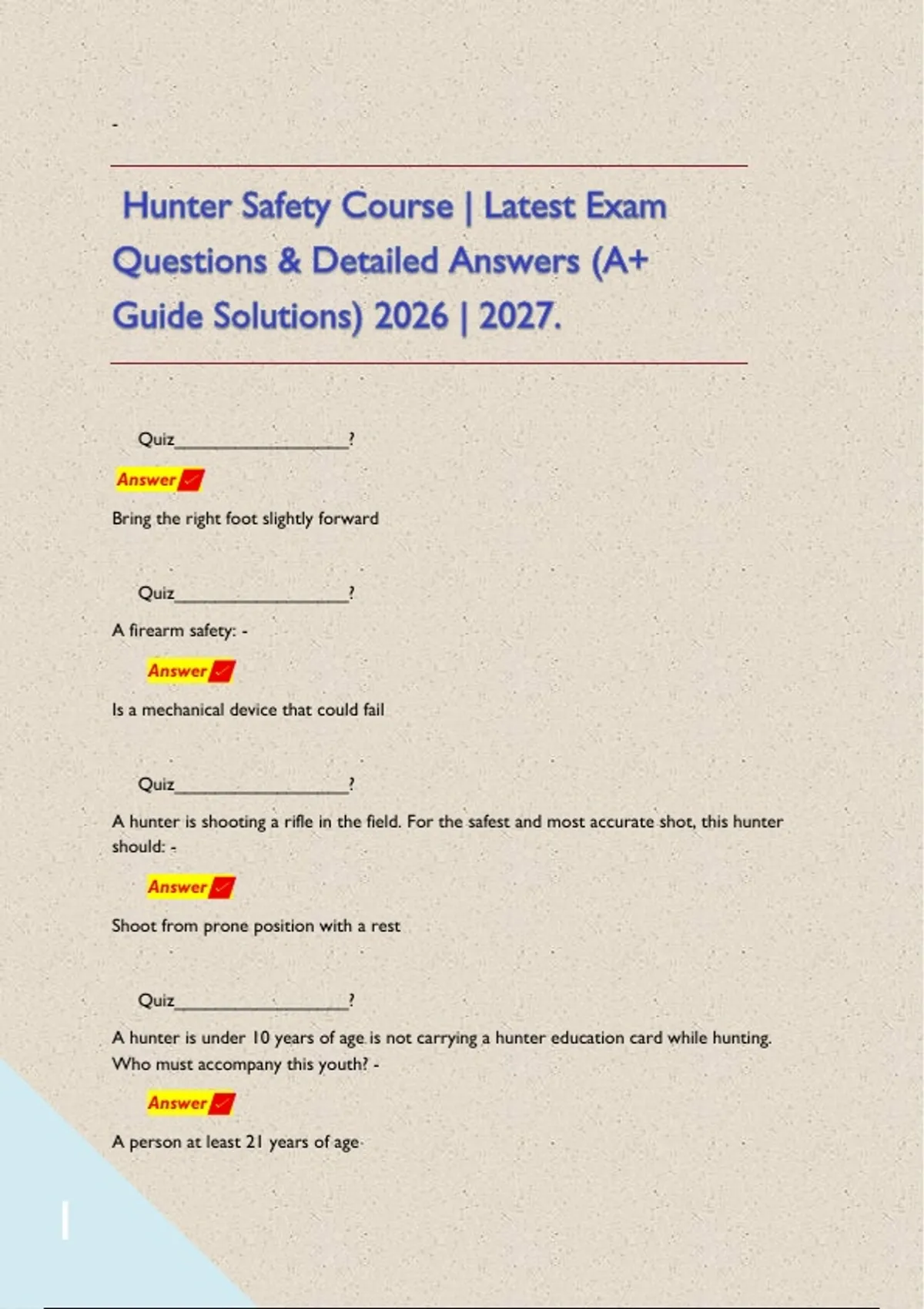
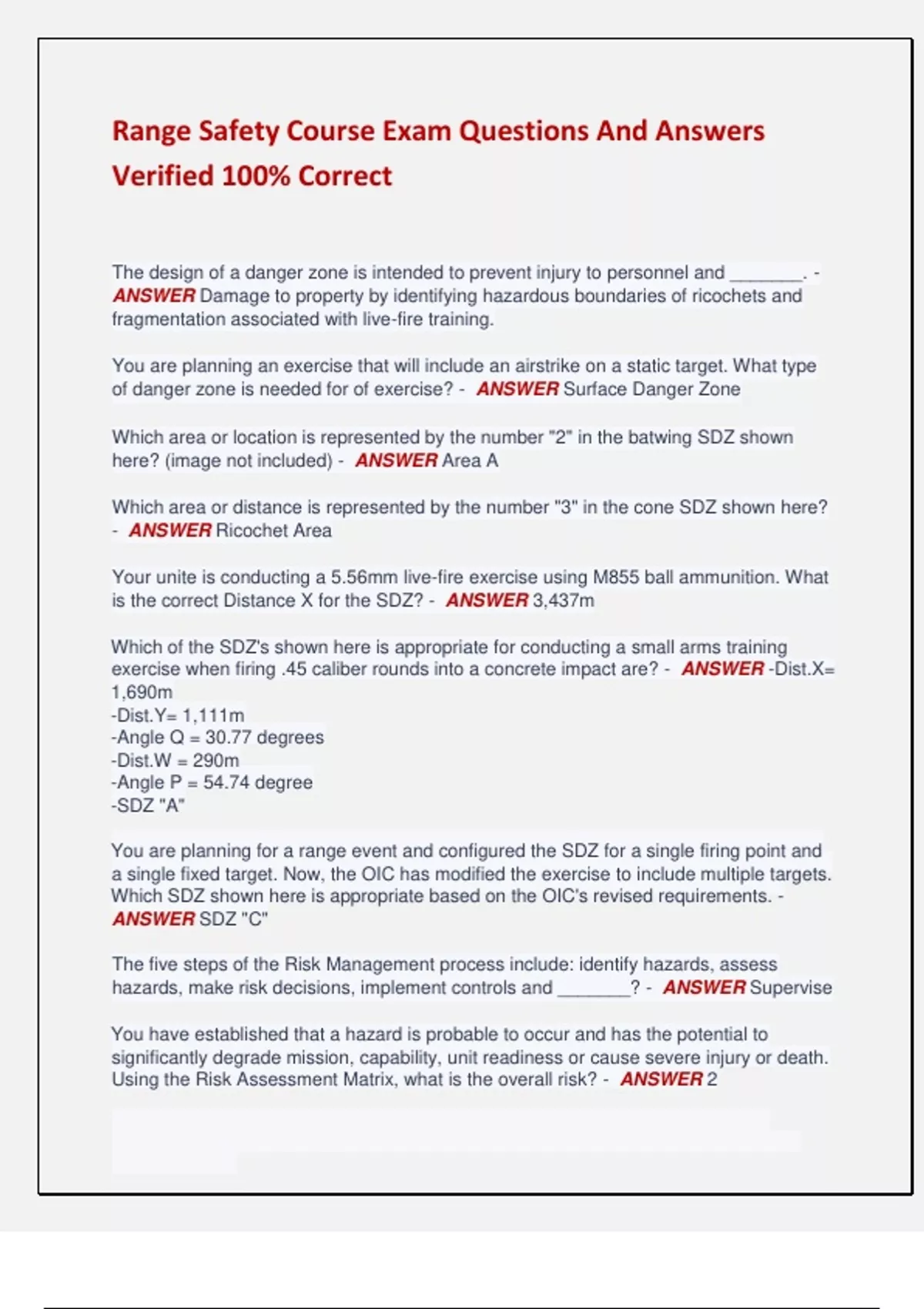
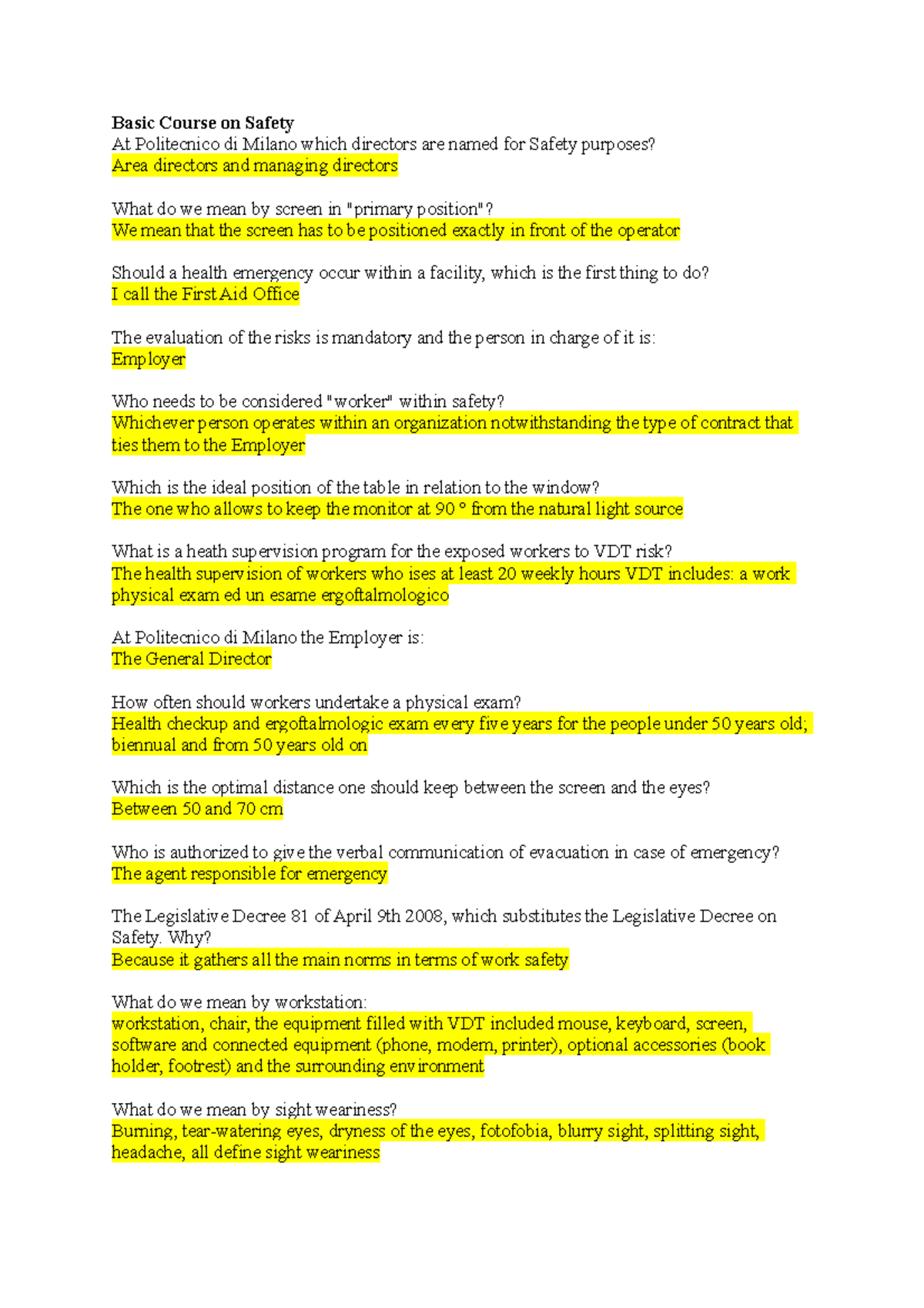
Course Hero is an online learning platform that operates primarily through a crowdsourced library of study resources. Users—typically students—upload notes, exams, papers, and assignment solutions to gain "unlocks" or credits that allow them to view documents uploaded by others. By 2026, the platform has integrated various AI-driven features, including automated tutoring and document analysis, which further complicate the landscape of what is considered "safe" or "permissible" usage.
The primary reason why the question of safety matters is that the platform sits at the intersection of helpful study aid and potential academic misconduct. When users ask if the site is "safe," they are usually inquiring about two distinct risks: the risk of malware or data breaches, and the risk of institutional consequences for plagiarism or unauthorized collaboration.
Data Privacy and Cybersecurity Considerations
From a technical standpoint, Course Hero operates as a legitimate business entity. It uses standard encryption protocols (HTTPS/TLS) to secure data transmission between the user’s browser and their servers. If you are concerned about whether the website will infect your computer with viruses or malware, standard security assessments suggest that the platform itself is not malicious in the sense of hosting harmful software.
However, "safety" in the digital age extends to how your personal information is handled. When you upload documents to the platform, you must consider the following:
- Document Ownership: By uploading a document, you typically grant Course Hero a license to use, display, and distribute that content. If the document contains sensitive information—such as your name, student ID number, or specific instructor feedback—that data becomes part of a searchable, public-facing database.
- Anonymization Failures: While the platform offers tools to blur or remove personal details, manual errors during the upload process can lead to your private academic work being indexed by search engines. Once your work is indexed, it can be accessed by anyone, including current or future instructors, which may lead to privacy leaks.
- Account Security: As with any service that requires payment information or stores user history, there is always the potential for credential stuffing or account takeovers if your password is not unique and robust.
Academic Integrity and Institutional Risk
The most critical aspect of why the safety of Course Hero matters is the risk to your educational record. Most universities and colleges have stringent policies regarding "unauthorized collaboration" and "academic dishonesty."
Using Course Hero to access shared exam questions, essay prompts, or specific assignment solutions can trigger automated plagiarism detection software—such as Turnitin or similar institutional tools. When a student uploads an assignment to a public site like Course Hero, that document is often added to the repository of content used by these checkers. If another student uses that material, or if a professor discovers the source, both the uploader and the downloader may face disciplinary hearings.
Comparative Risks of Academic Platforms
| Feature | Course Hero | Official LMS (e.g., Canvas, Blackboard) | Peer Study Groups |
|---|---|---|---|
| Privacy Level | Low (Publicly Indexable) | High (Institutional Security) | Moderate (Social/Verbal) |
| Ownership | Transferred/Shared License | Retained by User/Institution | Retained by Participants |
| Integrity Risk | High (Flagged as Plagiarism) | Negligible | Low (Unless Coordinated) |
| Data Security | Standard Web Encryption | Enterprise-Grade Encryption | N/A |
Navigating the "Safe" Use of Study Resources
To minimize risks, you must distinguish between using a platform for legitimate reference and using it as a shortcut. Legitimate use involves looking for broad explanations of concepts, historical practice problems that are not related to current coursework, or general study guides.
"Safe" use is defined by institutional compliance. Before engaging with any platform, consult your specific course syllabus. Many instructors now include explicit clauses regarding the use of crowdsourced study sites. If a syllabus states that accessing third-party repositories is a violation of the academic honor code, the service is functionally "unsafe" regardless of its technical security, as it puts your degree and academic standing at risk.
Practical Steps for Protecting Your Digital Identity
- Scrub Metadata: Before uploading any document, ensure all metadata—including your name and hidden document comments—is stripped.
- Verify Permissions: Ensure you are not violating copyright laws or institutional policy by uploading proprietary lecture notes or copyrighted exam materials.
- Use Privacy Toggles: When possible, opt for the highest privacy settings offered by the platform to limit the visibility of your submissions.
- Monitor Your Content: Periodically search for your own name or document titles online to see if your work has been indexed by search engines.
Frequently Asked Questions
Can my professor see that I used Course Hero?
Professors cannot see your personal account activity or your history on the site. However, they can see if their course materials appear on the site. If they find an assignment, quiz, or lecture slide you uploaded, they may be able to link that back to your identity if you failed to properly scrub your name from the document.
Does uploading documents to Course Hero violate copyright law?
It potentially does. If the content you upload was created by your professor (such as slide decks, exam papers, or original case studies), that material is intellectual property owned by the instructor or the university. Uploading it to a third-party site for profit or credit is a violation of their copyright.
Is it safe to enter my credit card information on Course Hero?
Course Hero uses standard, industry-compliant payment processors. From a transactional security perspective, the risk of credit card fraud is not significantly higher than any other e-commerce site. The risk is not the financial transaction itself, but rather the potential for future subscription traps if you do not actively manage your account settings.
What should I do if I find my work on Course Hero without my consent?
If you find your intellectual property on the site, you have the right to file a DMCA (Digital Millennium Copyright Act) takedown notice. Course Hero maintains a formal process for handling these requests. You should provide them with proof of ownership or authorship to request the removal of the content.
Are there alternatives to Course Hero that are safer for my data?
Yes. Many institutions provide official tutoring services, writing centers, and peer-led study groups that are vetted by the university. These resources do not pose a risk to your academic integrity and offer a much higher level of data privacy, as they are governed by the institution's existing data protection policies.
Next Actions for Students
If you are currently using Course Hero, perform a comprehensive audit of your account today. Identify every document you have uploaded over the course of your enrollment and verify whether those documents contain personally identifiable information (PII) or sensitive institutional data. Use the platform’s tools to request the removal of any materials that may place your academic record in jeopardy. Moving forward, prioritize the use of institutionally sanctioned resources, as these represent the only truly "safe" path for your academic integrity and personal privacy.
Image Gallery