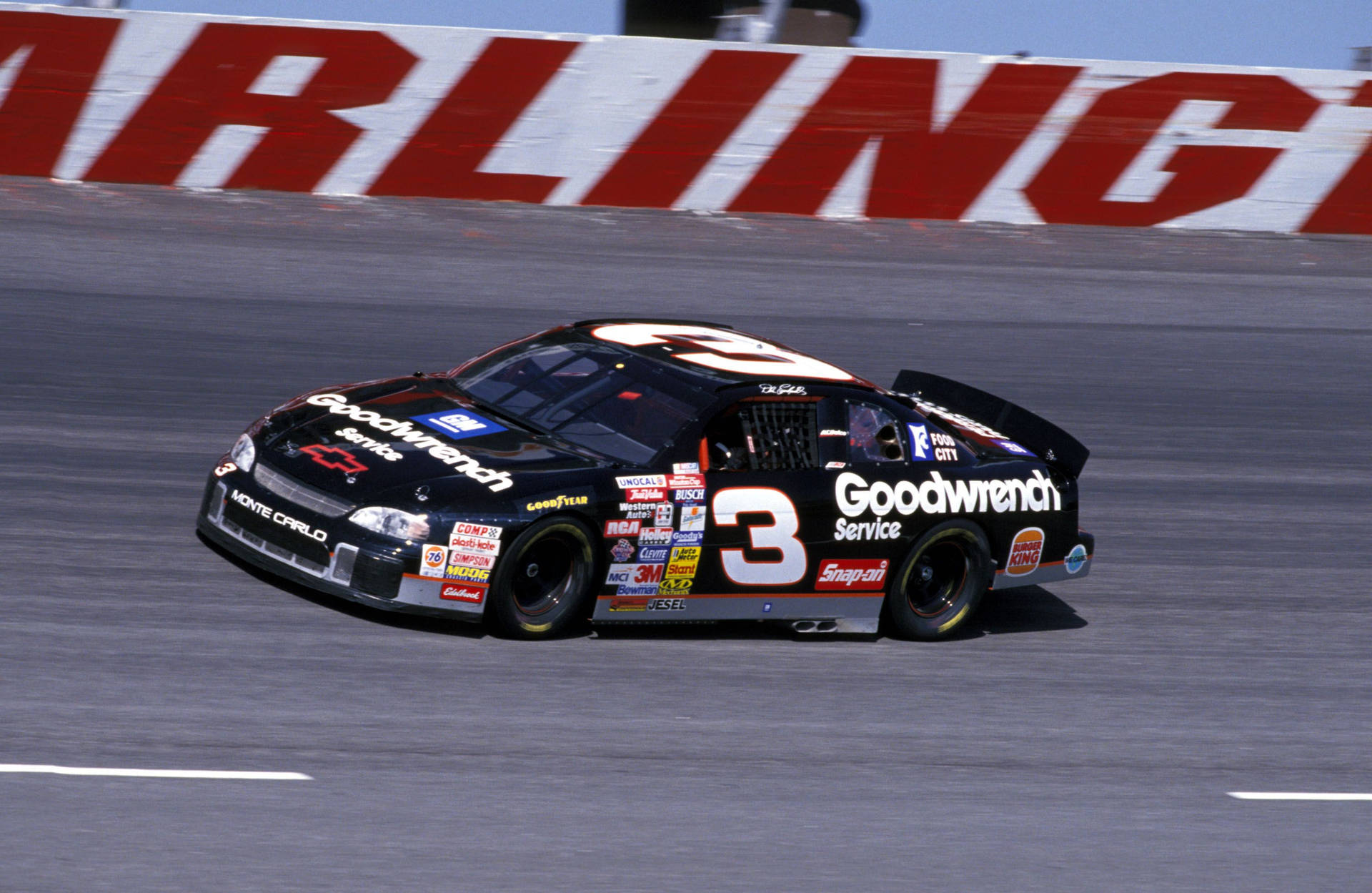
Dale Earnhardt Sr. Height: Physical Stature and Racing Legacy
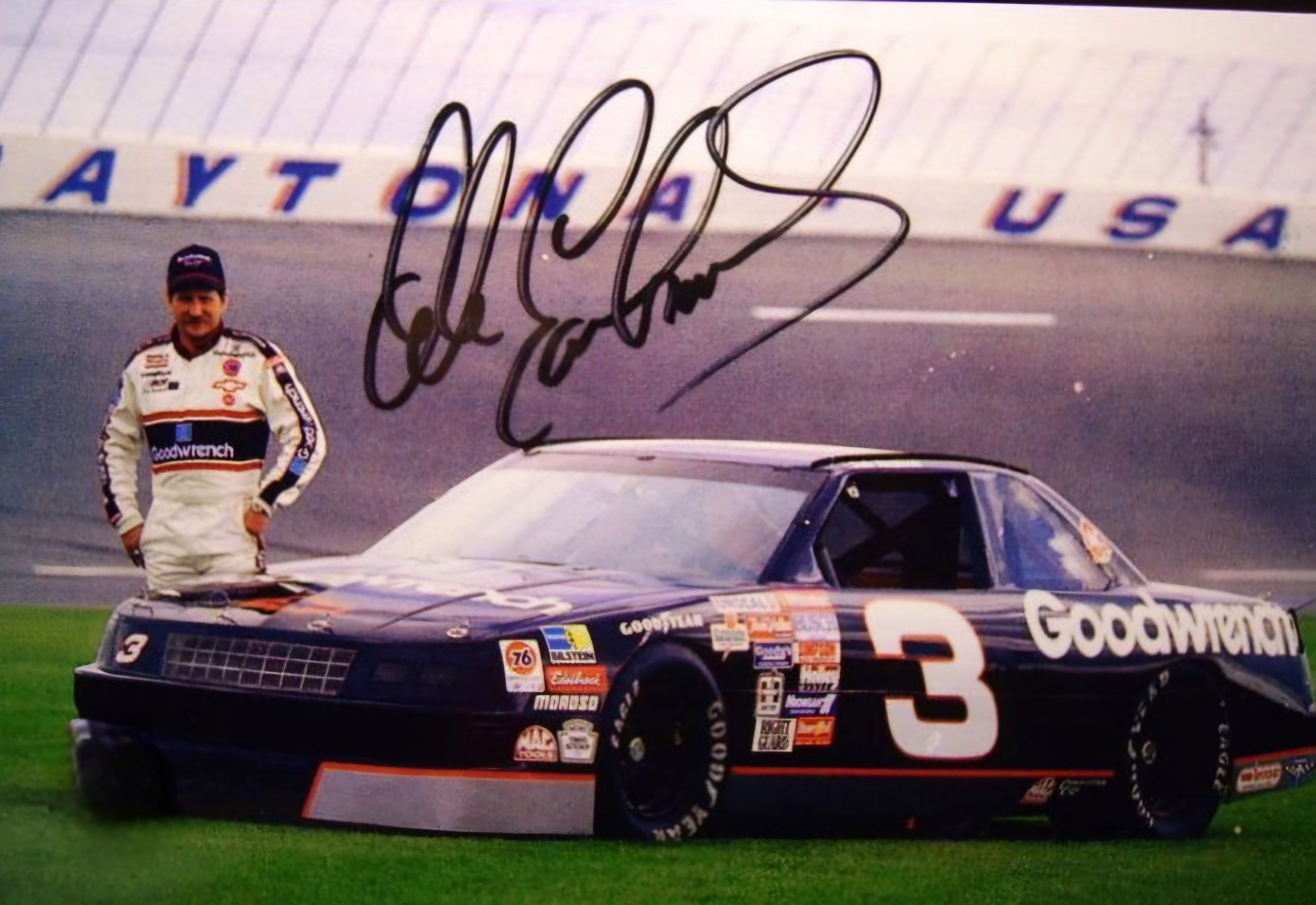
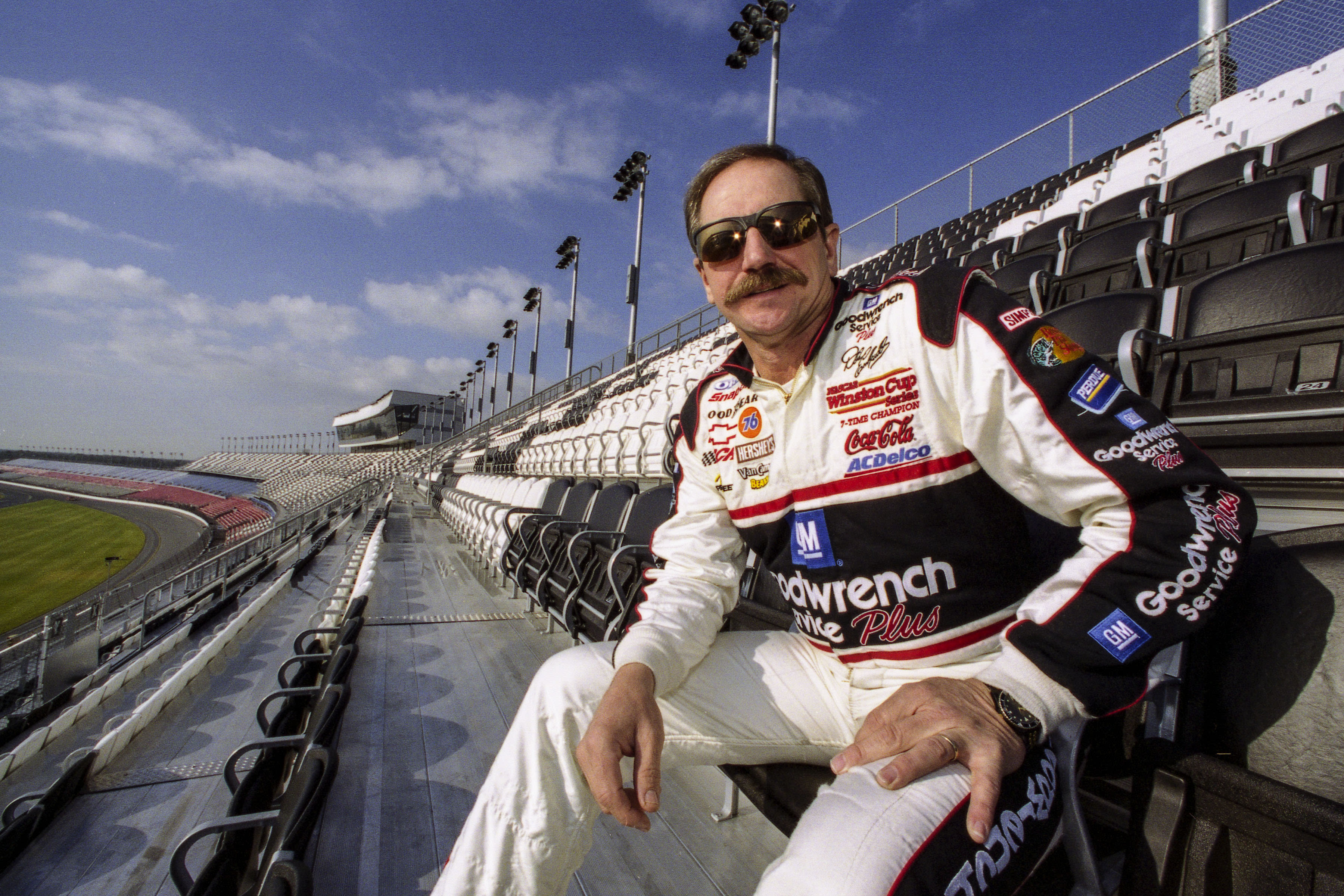
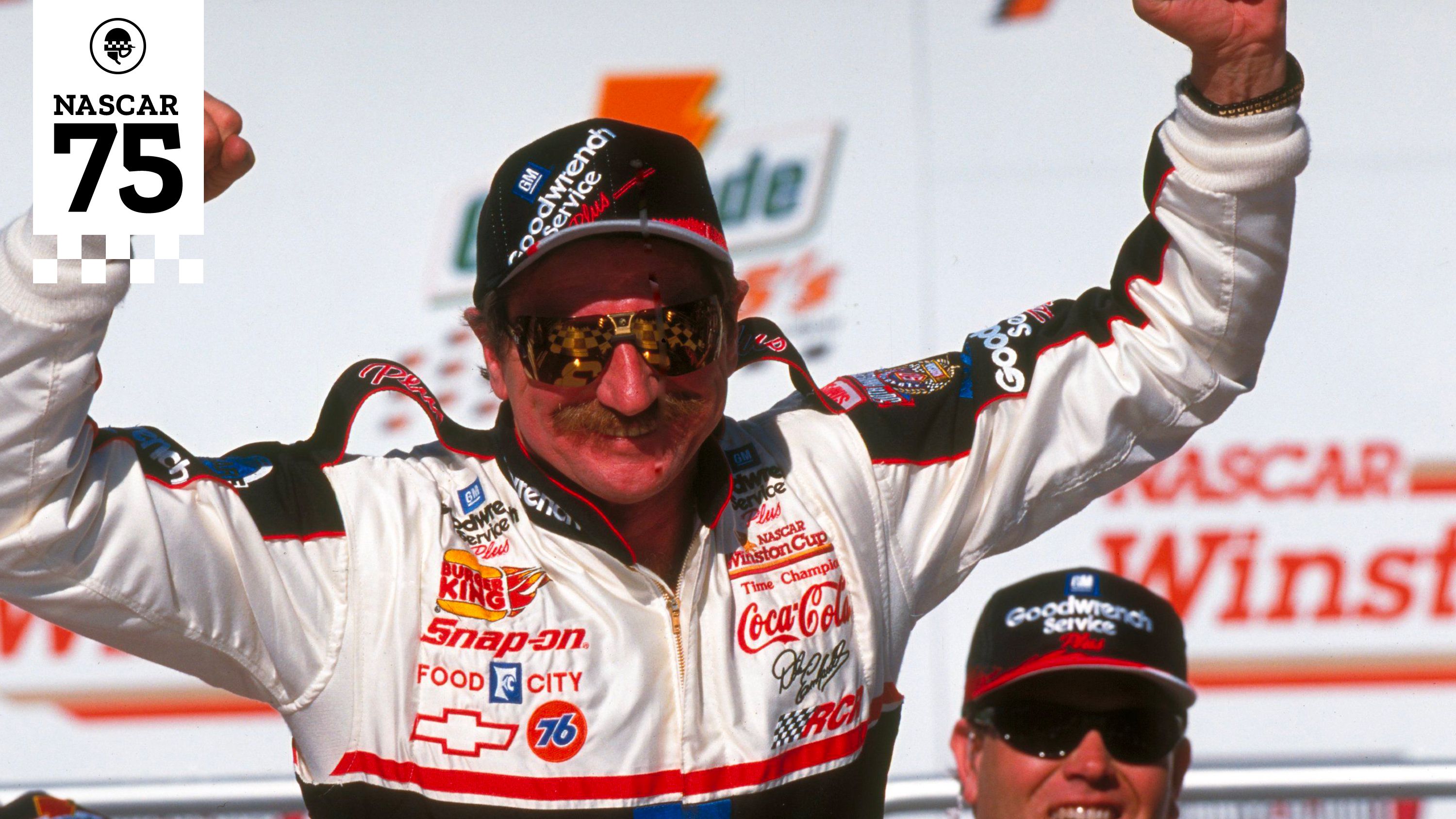
Dale Earnhardt Sr., the legendary seven-time NASCAR Cup Series champion, stood exactly 6 feet 1 inch (185 cm) tall. This physical stature was a defining characteristic of his presence both inside and outside the cockpit, contributing t...
Dale Earnhardt Sr., the legendary seven-time NASCAR Cup Series champion, stood exactly 6 feet 1 inch (185 cm) tall. This physical stature was a defining characteristic of his presence both inside and outside the cockpit, contributing to the commanding, intimidating persona that earned him the nickname The Intimidator throughout his storied career in professional stock car racing.
Contents
The Physicality of an Icon in Motorsports
In the context of the 2026 racing landscape, historical figures like Dale Earnhardt Sr. remain benchmarks for the ideal physical and mental composition of a NASCAR driver. While modern drivers often prioritize lean, athletic frames to accommodate high-G-force environments and strict cockpit ergonomics, Earnhardt’s 6’1” build was considered quite substantial for the era in which he dominated the sport.
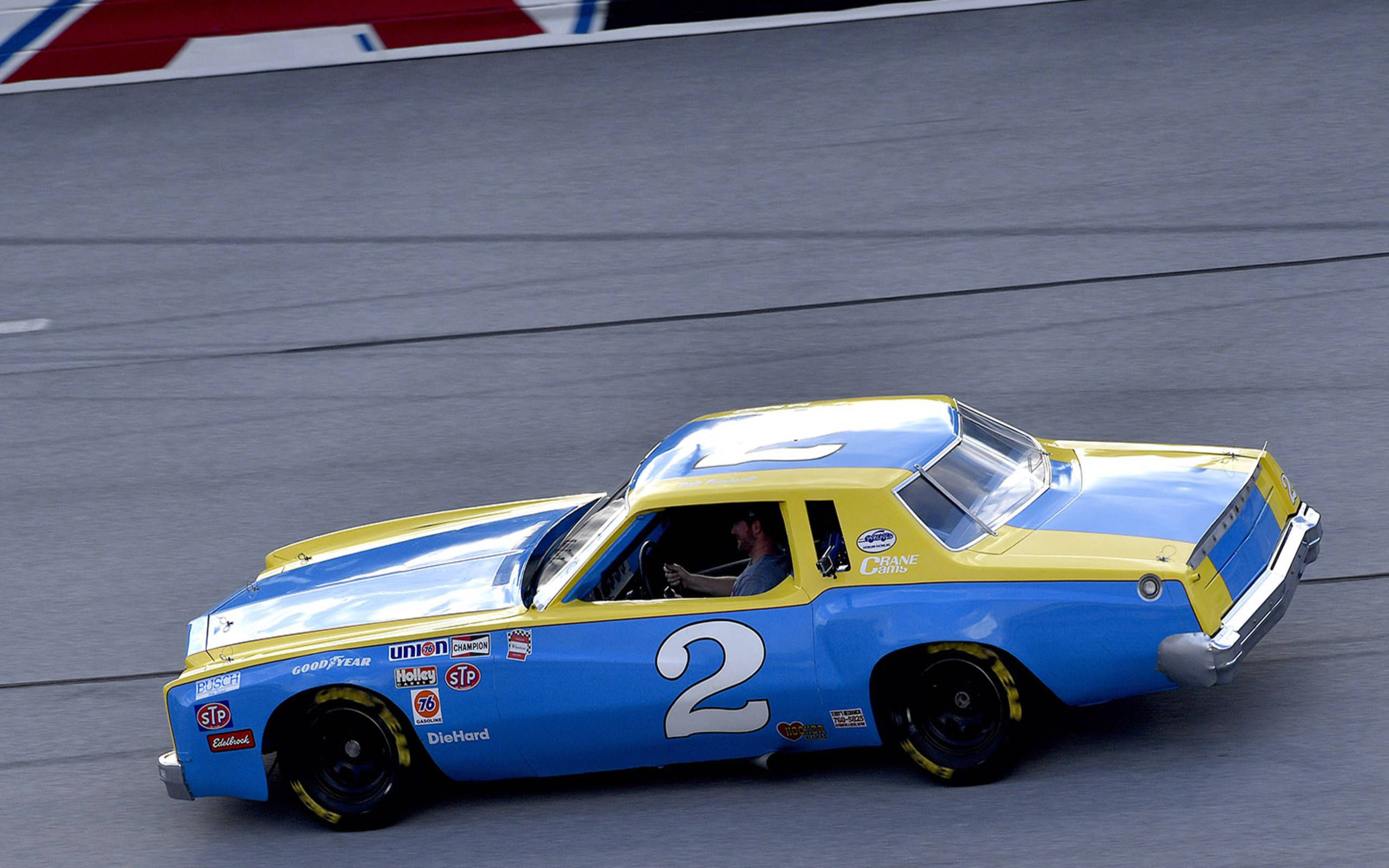
His height played a functional role in how he interfaced with the stock cars of the 1980s and 1990s. Unlike the cramped, hyper-specialized cockpits of 2026, the vehicles during Earnhardt’s prime required a unique balance of physical leverage and endurance. His size provided him with the necessary reach and leverage to muscle the heavy, non-power-steering vehicles of the mid-career era around tracks like Talladega and Daytona.
Historical Comparison of NASCAR Statures
To understand how Earnhardt’s height compared to his peers, one must look at the physical diversity within the garage during the late 20th century. While many drivers leaned toward shorter, lighter builds to maximize power-to-weight ratios in the vehicle, Earnhardt’s tall frame did not hinder his ability to secure 76 career Cup Series victories.
The following table provides a comparison of Earnhardt’s stature against other notable figures from the sport’s history to contextualize his physical footprint.
| Driver | Stature (Approximate) | Era of Dominance |
|---|---|---|
| Dale Earnhardt Sr. | 6 feet 1 inch | 1980s–1990s |
| Richard Petty | 6 feet 2 inches | 1960s–1970s |
| Jeff Gordon | 5 feet 7 inches | 1990s–2010s |
| Jimmie Johnson | 5 feet 10 inches | 2000s–2020s |
| Bill Elliott | 6 feet 0 inches | 1980s–1990s |
Ergonomic Evolution in Modern Racing
As of 2026, the technical requirements for driver cockpits have undergone significant shifts. Modern engineers utilize 3D scanning and telemetry data to customize seat positions based on a driver’s exact height and limb length. In Earnhardt’s time, seat fabrication was far more manual and rudimentary.
Technical Insight: Cockpit Geometry
The relationship between a driver's height and their center of gravity is paramount in professional racing. Earnhardt utilized a relatively upright seating position that maximized his visibility of the hood and the track, a preference that complemented his tall stature. This configuration allowed him to maintain superior sightlines during high-speed drafting, an essential component of his signature aggressive driving style.
The Impact of Stature on Driving Style
Earnhardt’s height influenced his control of the vehicle, particularly his ability to apply force to the steering wheel and pedals. Without the modern power steering systems standard in 2026, driving a Winston Cup car was a strenuous physical exertion. His height allowed for longer leverage arms, which assisted in the heavy, rhythmic steering inputs required to hold a car steady through long, sweeping corners.
His presence was also a psychological tool. Standing at 6'1", he possessed a physical advantage over many of his rivals when interacting outside the car. This combination of physical size and legendary intensity created an aura that affected his competitors' decision-making processes long before the green flag dropped.
Frequently Asked Questions Regarding Dale Earnhardt Sr.
Was Dale Earnhardt Sr. considered tall for a NASCAR driver? Yes, at 6 feet 1 inch, he was taller than the average NASCAR driver of his era. While some legends like Richard Petty were slightly taller, Earnhardt’s stature was well above the average height of his contemporaries in the garage.
How did his height affect his car setup? His height required a customized seat position to ensure he had adequate headroom and clear visibility. Because he was taller than the average pilot, mechanics had to carefully adjust the pedal box and seat angle to prevent him from sitting too high, which would have negatively affected the car’s center of gravity.
Does driver height impact performance in 2026? In current racing, height remains a factor in weight distribution and cockpit ergonomics, though modern technology mitigates many of the historical challenges. Today's drivers are often optimized for a lower center of gravity, but tall drivers still compete at the highest levels by utilizing custom-molded safety seats and adjustable pedal assemblies.
Are there any records of his weight or fitness levels? While precise weight fluctuates throughout a career, Earnhardt maintained a rugged, "blue-collar" fitness level. He did not follow the specialized dietary or cardiovascular regimens common in 2026, yet his physical endurance was legendary, allowing him to maintain top-tier performance for over 20 years.
Did his height contribute to his driving style? His stature allowed for greater leverage when handling the high-torque, manual-steering vehicles of the 1980s. This physical capacity to manhandle the car was a core element of his aggressive racing technique, distinguishing him from smaller drivers who relied more on finesse.
Legacy and Cultural Impact
Even in 2026, the image of Dale Earnhardt Sr. remains a cornerstone of NASCAR’s heritage. His physical appearance—often captured in his firesuit with his signature mustache and cap—is synonymous with the golden era of the sport. Understanding these small details, such as his height, helps fans and historians appreciate the human reality behind the monumental racing success. He remains the gold standard for durability and presence, proving that while technology evolves, the physical requirement for grit and determination in the driver’s seat remains constant.
To further explore the legacy and technical history of NASCAR, enthusiasts should consult the official NASCAR Hall of Fame archives or the retrospective publications issued annually. These resources provide the most accurate data regarding the drivers who built the sport into what it is today.
Image Gallery