Navigating Your Recovery with a New Haven Car Accident Lawyer
A New Haven car accident lawyer provides essential legal representation for victims seeking compensation after motor vehicle collisions in Connecticut. These attorneys manage insurance negotiations, investigate liability under Connecti...
A New Haven car accident lawyer provides essential legal representation for victims seeking compensation after motor vehicle collisions in Connecticut. These attorneys manage insurance negotiations, investigate liability under Connecticut’s modified comparative negligence laws, and litigate personal injury claims to recover damages for medical bills, lost wages, and pain and suffering.
Contents
Car accidents in New Haven often involve complex jurisdictional issues, high-traffic corridors like I-95 and I-91, and specific local municipal ordinances. As we navigate the legal landscape of 2026, the density of the Elm City continues to present unique risks for motorists, pedestrians, and cyclists alike. Understanding the nuances of local personal injury law is the first step toward securing the financial resources necessary for a full recovery.
The Legal Landscape of Car Accidents in New Haven
New Haven serves as a major transportation hub for the Northeast, sitting at the intersection of several critical arteries. The convergence of Interstate 95 (the Connecticut Turnpike) and Interstate 91, often referred to as the "Q Bridge" area, remains one of the most high-volume traffic zones in the state. Local roads such as Whalley Avenue, Whitney Avenue, and Route 34 also see significant congestion, contributing to a steady rate of motor vehicle incidents.
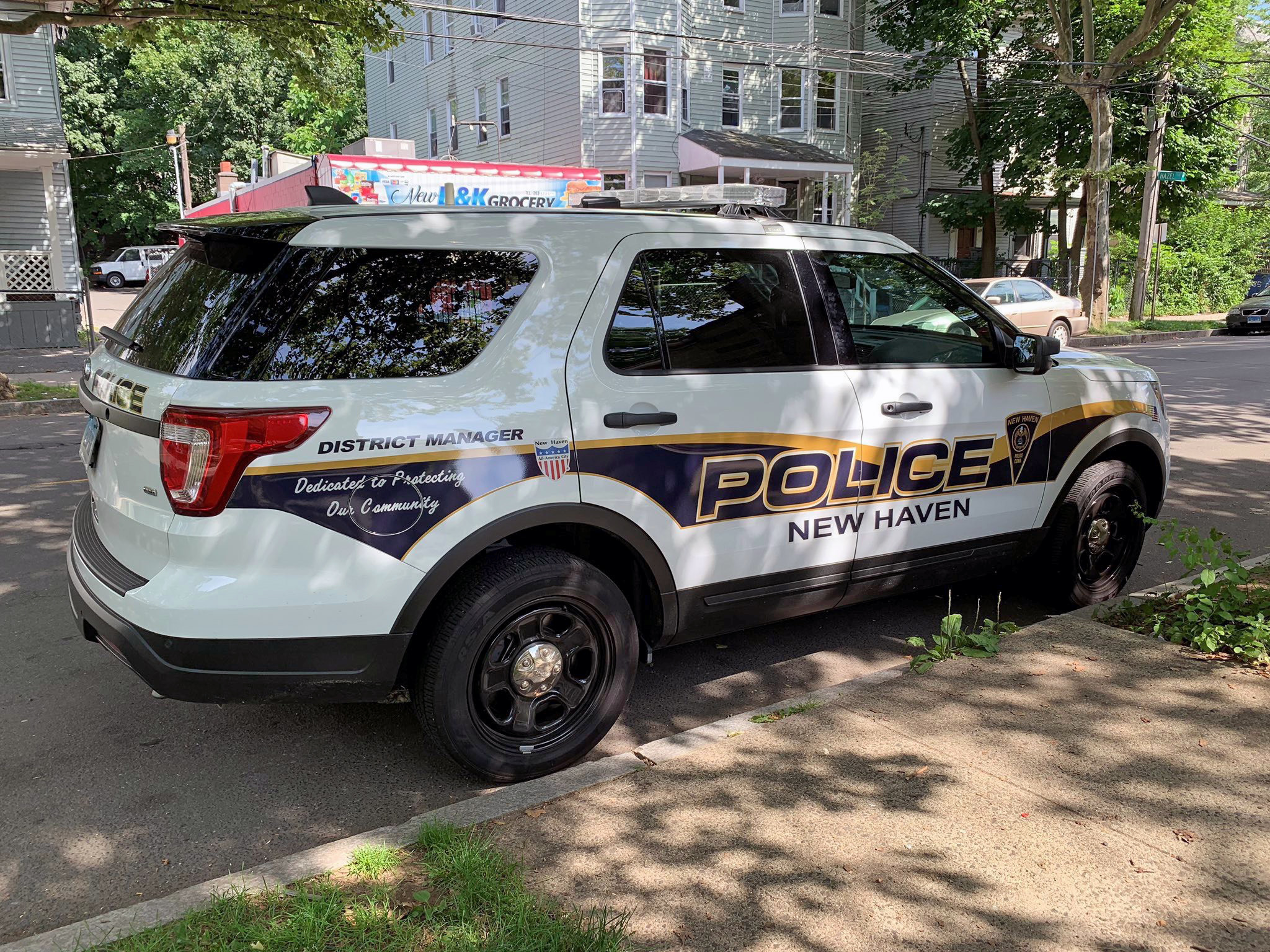
When an accident occurs within New Haven city limits, the legal process is governed by Connecticut state statutes, but local factors play a significant role. A New Haven car accident lawyer understands the specific procedures of the New Haven Police Department and the nuances of the Connecticut Superior Court located on Church Street. This local expertise is vital when gathering evidence, such as traffic camera footage from the New Haven Department of Transportation or responding to the specific reporting patterns of local law enforcement.
The Role of Connecticut’s Modified Comparative Negligence Law
Connecticut operates under a modified comparative negligence system, specifically the "51 percent rule" defined in Connecticut General Statutes § 52-572h. This law is a cornerstone of any car accident claim in New Haven. Under this rule, a plaintiff can recover damages as long as their percentage of fault does not exceed 50 percent.
However, the total compensation awarded is reduced by the plaintiff’s percentage of fault. For example, if a jury determines that a driver suffered $100,000 in damages but was 20 percent responsible for the crash (perhaps for failing to signal), the final award would be $80,000. If the plaintiff is found to be 51 percent or more at fault, they are barred from recovering any damages from other parties. Insurance adjusters frequently use this rule to devalue claims, making it imperative for victims to have a lawyer who can aggressively defend against unfair allocations of fault.
Immediate Steps After a Collision in New Haven
The actions taken in the minutes and days following a car accident in New Haven significantly impact the viability of a future legal claim. Because 2026 continues to see high volumes of traffic and digital documentation, preserving evidence immediately is more critical than ever.
1. Secure the Scene and Contact Authorities
Safety is the immediate priority. If possible, move vehicles out of the flow of traffic on busy New Haven streets. Contact the New Haven Police Department or the Connecticut State Police if the accident occurred on a highway. A formal police report is a foundational piece of evidence that documents the officer’s initial observations and the statements of those involved.
2. Seek Medical Attention Immediately
Even if injuries seem minor, visit a healthcare provider. New Haven is home to world-class facilities like Yale New Haven Hospital, which houses a Level 1 Trauma Center. Some injuries, such as whiplash, internal bleeding, or traumatic brain injuries (TBI), may not manifest symptoms for several days. Establishing a medical record immediately links the injuries directly to the accident, preventing insurance companies from claiming the injuries were pre-existing or occurred elsewhere.
3. Document the Environment
Use a smartphone to take high-resolution photos and videos of the scene. Capture vehicle positions, license plates, skid marks, property damage, and road conditions. Note the presence of any construction on New Haven roads, as this can sometimes contribute to liability. If there are witnesses, obtain their contact information independently; do not rely solely on the police to collect this data.
4. Avoid Direct Statements to Insurance Adjusters
Shortly after the accident, you will likely be contacted by insurance adjusters. While you have a duty to report the accident to your own insurer, you are not required to provide a recorded statement to the other driver's insurance company. These statements are often used to find inconsistencies that can be used to assign fault under the comparative negligence rule.
Types of Compensatory Damages in Connecticut
A New Haven car accident lawyer works to identify and quantify the full spectrum of damages available to a victim. In Connecticut, these are generally categorized into economic and non-economic damages.
Economic Damages
These are the quantifiable financial losses resulting from the accident. They include:
- Medical Expenses: Coverage for emergency room visits, surgeries, hospital stays, physical therapy, and future medical needs.
- Lost Wages: Compensation for time missed from work during recovery.
- Loss of Earning Capacity: If the injury results in a permanent disability that prevents the victim from returning to their previous profession.
- Property Damage: The cost of repairing or replacing the vehicle and any personal items destroyed in the crash.
Non-Economic Damages
These address the subjective, non-monetary impact of the accident:
- Pain and Suffering: Compensation for the physical pain endured due to the injuries.
- Emotional Distress: Coverage for anxiety, depression, or PTSD resulting from the trauma.
- Loss of Enjoyment of Life: When injuries prevent a victim from participating in hobbies or activities they once enjoyed.
- Loss of Consortium: Compensation for the impact the injury has on the victim's relationship with their spouse.
Comparing Legal Paths: Settlement vs. Litigation
Most car accident claims in New Haven are resolved through settlements with insurance companies. However, when an insurer refuses to offer a fair amount, litigation becomes necessary. The following table outlines the key differences between these two paths.
| Feature | Insurance Settlement | Personal Injury Litigation (Lawsuit) |
|---|---|---|
| Speed | Typically faster (months). | Can take 1–3 years or more. |
| Control | Both parties must agree on the amount. | A judge or jury decides the final award. |
| Costs | Lower legal and administrative costs. | Higher costs due to expert witnesses and court fees. |
| Finality | Release of liability prevents future claims. | Verdict is final, though subject to appeal. |
| Publicity | Private and confidential. | Public record (unless settled mid-trial). |
| Potential Award | Often limited by policy caps. | Can exceed policy caps if multiple parties are liable. |
The Statute of Limitations in Connecticut
Time is a critical factor in New Haven car accident cases. According to Connecticut General Statutes § 52-584, the statute of limitations for personal injury claims is generally two years from the date the injury is sustained.
Failure to file a lawsuit within this two-year window usually results in the permanent loss of the right to seek compensation. There are very few exceptions to this rule, such as cases involving "fraudulent concealment" of the cause of action. Additionally, if the accident involved a government vehicle (such as a City of New Haven public works truck), much shorter notice requirements—often as brief as 90 days—may apply under sovereign immunity statutes.
How a New Haven Lawyer Investigates Your Claim
A thorough investigation is the hallmark of a successful legal strategy. In 2026, this investigation involves both traditional methods and modern technological analysis.
- Electronic Data Recorders (EDR): Most modern vehicles are equipped with "black boxes" that record speed, braking, and steering inputs in the seconds leading up to a crash. A lawyer can subpoena this data to prove the other driver's negligence.
- Accident Reconstruction: Lawyers often hire forensic engineers to recreate the physics of the crash. This is particularly useful in multi-vehicle pileups common on I-95.
- Cell Phone Records: If distracted driving is suspected, a lawyer can seek records to determine if the at-fault driver was texting or using an app at the time of the collision.
- Surveillance Footage: Beyond traffic cameras, many New Haven businesses and residences use high-definition security systems (like Ring or commercial CCTV) that may have captured the incident.
Frequently Asked Questions
What if the other driver was uninsured?
Connecticut law requires all drivers to carry Uninsured/Underinsured Motorist (UM/UIM) coverage. If you are hit by a driver without insurance, or a driver whose policy limits cannot cover your total damages, you can file a claim against your own UM/UIM policy. Your New Haven car accident lawyer will treat your own insurance company as the defendant in these negotiations to ensure you receive the benefits you paid for.
How much does it cost to hire a car accident lawyer in New Haven?
Most personal injury attorneys in New Haven work on a contingency fee basis. This means there are no upfront costs for the client. The lawyer only receives payment if they successfully recover money for you through a settlement or verdict. Typically, the fee is a percentage of the total recovery (often around 33.3% to 40%).
Can I still recover compensation if I was partially at fault?
Yes, as long as you were not more than 50% responsible for the accident. Under Connecticut’s modified comparative negligence rule, your compensation will be reduced by your percentage of fault. If you are found to be 20% at fault and your damages are $50,000, you would receive $40,000.
How long does a typical car accident case take in New Haven?
A simple case with clear liability and straightforward injuries may settle in four to six months. However, cases involving severe injuries, disputed liability, or multiple defendants can take two years or longer, especially if the case proceeds to a trial in the New Haven Superior Court.
Should I accept the first settlement offer from the insurance company?
Generally, no. Initial offers from insurance companies are often "lowball" figures designed to settle the claim quickly and cheaply before the full extent of the victim's injuries and long-term costs are known. Always have a lawyer review any offer before signing a release.
Final Recommendation for Accident Victims
If you or a loved one has been involved in a collision, the most important action you can take—after securing medical stability—is to consult with a qualified New Haven car accident lawyer. Legal guidance ensures that your rights are protected against aggressive insurance tactics and that you adhere to the strict procedural deadlines required by Connecticut law. By conducting a prompt investigation and accurately calculating the long-term impact of your injuries, an experienced attorney provides the best opportunity for a recovery that reflects the true cost of the accident.
Image Gallery