Who Was Michael Myers Based On? The Real Inspiration Behind the Shape
Michael Myers was not based on a single historical serial killer, but rather a haunting real-life encounter director John Carpenter had during a college trip to a psychiatric institution. Carpenter witnessed a young boy with a "blank,...
Michael Myers was not based on a single historical serial killer, but rather a haunting real-life encounter director John Carpenter had during a college trip to a psychiatric institution. Carpenter witnessed a young boy with a "blank, pale, emotionless face" and "the blackest eyes," which became the psychological blueprint for the character.
Contents
Since the release of Halloween in 1978, Michael Myers—often referred to as "The Shape"—has become the definitive archetype of the unstoppable slasher. Unlike his contemporaries Leatherface (inspired by Ed Gein) or Freddy Krueger (inspired by a childhood bully and a disturbing news report), the origins of Michael Myers are more abstract, rooted in a terrifying visual experience rather than a specific criminal case. As of 2026, nearly five decades after his debut, the character remains a focal point of cinematic study precisely because his "lack" of humanity was drawn from a real, chilling observation of human detachment.
The Kentucky Psychiatric Visit: The Core Inspiration
The most significant inspiration for Michael Myers occurred while John Carpenter was a student at Western Kentucky University. During a class trip to a local psychiatric facility, Carpenter encountered a patient who would forever change his perspective on the nature of evil.
Carpenter has frequently recounted this story in interviews and documentaries. He described seeing a boy, roughly 12 or 13 years old, who possessed a stare that was utterly devoid of humanity. Carpenter noted that the boy’s eyes were "black" and "evil," not in a supernatural sense, but in their complete absence of emotion or empathy. This encounter deeply unsettled the future filmmaker, leading him to wonder what could cause a human being to become a hollow shell.
When Carpenter and co-writer Debra Hill began drafting the script for The Night He Came Home (the original title for Halloween), they channeled this experience into the character of young Michael Myers. This is why the 1978 film begins with a POV shot of a six-year-old Michael killing his sister; the goal was to present a child who looks normal on the outside but is "empty" on the inside. This specific brand of "blankness" became the foundation for the adult Michael’s behavior: he doesn't speak, he doesn't run, and he doesn't show remorse.
Cinematic Influences: The "Westworld" Connection
While the psychological spark came from a real-life encounter, the physical movement and "unstoppable" nature of Michael Myers were influenced by cinema. John Carpenter has cited the 1973 film Westworld as a major influence on how Michael carries himself.
In Westworld, Yul Brynner plays a robotic gunslinger that malfunctions and begins hunting the park's guests. Brynner’s performance was characterized by a stiff, mechanical gait and a complete lack of expression, even when being fired upon. Carpenter wanted Michael Myers to move with that same robotic precision—like a machine that cannot be bargained with, delayed, or stopped.
This influence transformed Michael from a mere "man with a knife" into a "force of nature." By stripping away human traits like fatigue, fear, or hesitation, Carpenter and actor Nick Castle (who played "The Shape" in the original film) created a character that felt more like a ghost or an entity than a human being. This is why the credits of the original film list the character as "The Shape" rather than "Michael Myers."
Debunking the Stanley Stiers Myth
In the decades following the film's release, several urban legends have surfaced claiming Michael Myers was based on a real person named Stanley Stiers. According to the legend, Stiers was a young boy in the 1920s who murdered his family on Halloween night after being told he couldn't go trick-or-treating.
However, there is no historical evidence that Stanley Stiers ever existed. No police records, newspaper archives, or genealogical documents from that era support the story. The Stiers legend is a "creepypasta"—an internet-born fabrication designed to add a layer of realism to the fictional character. John Carpenter and Debra Hill have never mentioned Stiers as an influence, maintaining that the character was a work of fiction inspired by the aforementioned psychiatric visit and the desire to create a "haunted house" movie on a grander scale.
The Evolution of the Mask: A Budget-Driven Design
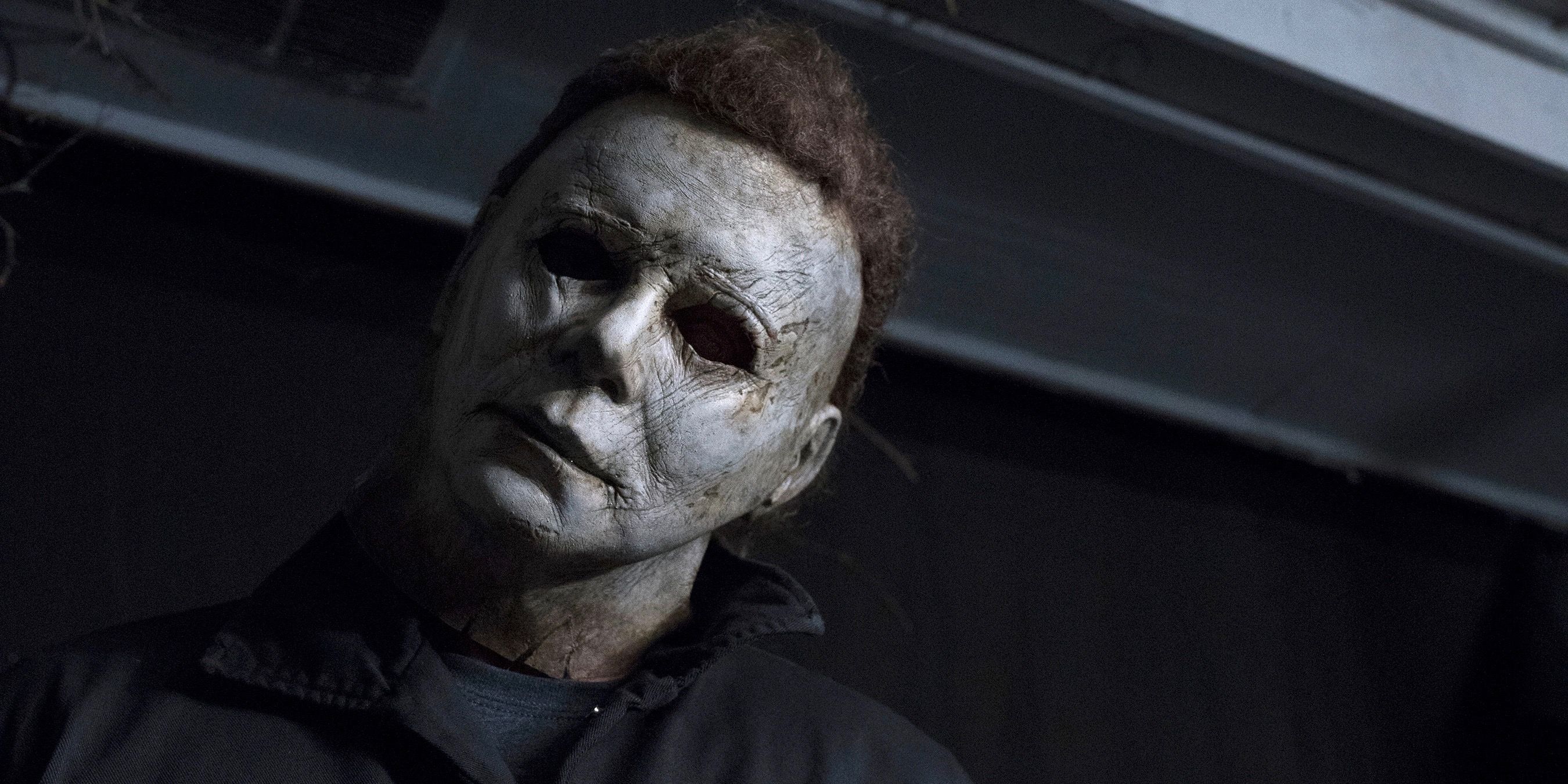
The literal "face" of Michael Myers—the iconic white mask—was not the result of a high-end design process, but rather a solution to a low-budget problem. The production of the 1978 film had a mere $300,000 budget, leaving very little for elaborate prosthetics or costumes.
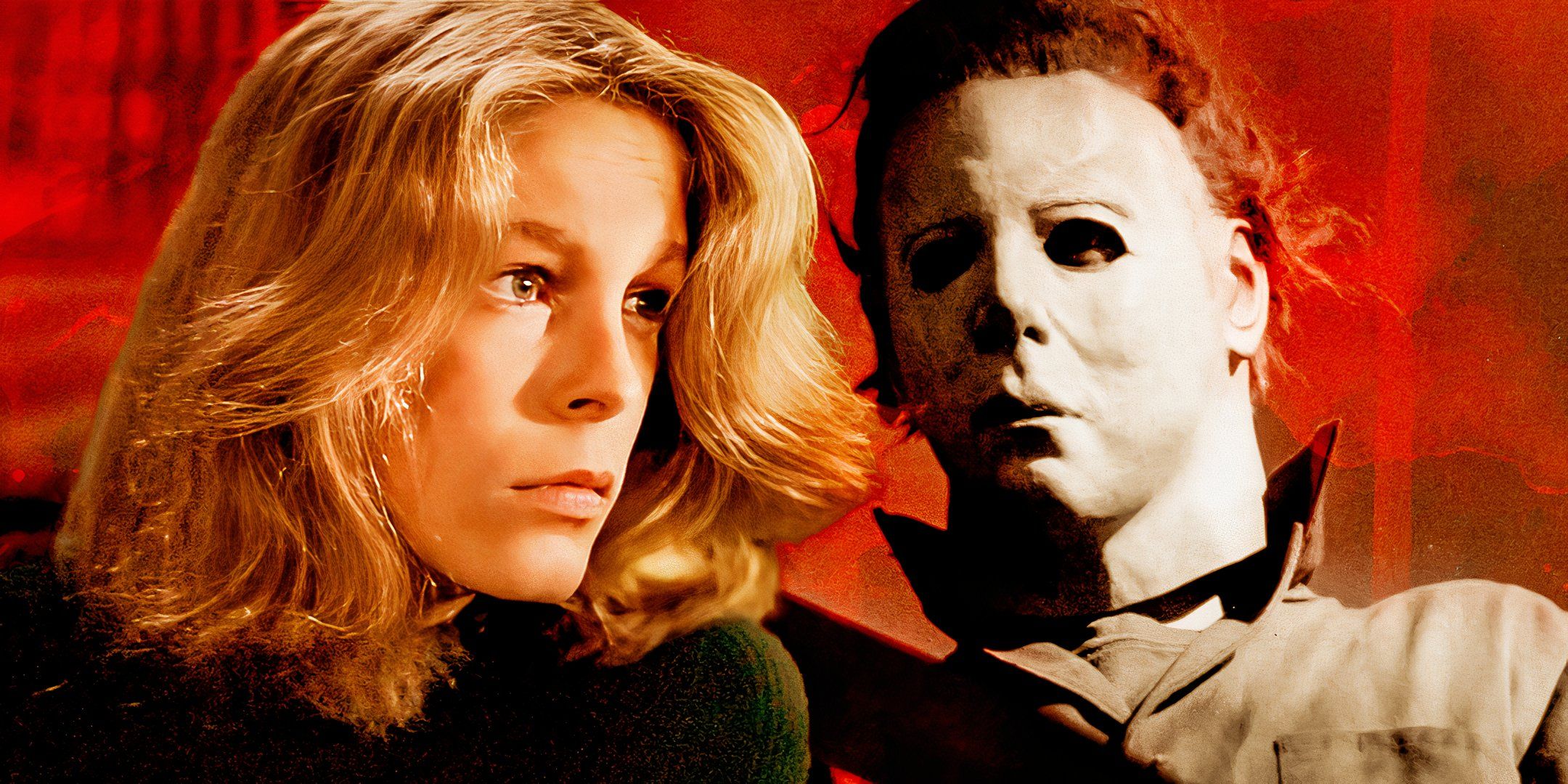
The film's production designer, Tommy Lee Wallace, was tasked with finding a mask that looked "creepy but neutral." He purchased two masks from a costume shop on Hollywood Boulevard: a Don Post studios Captain Kirk mask (William Shatner’s likeness) and a "Emmett Kelly" clown mask.
The clown mask was rejected for being too distracting. To transform the Captain Kirk mask into the face of Michael Myers, Wallace performed several modifications:
- Removed the sideburns: This helped streamline the face.
- Widened the eye holes: This made the wearer's eyes invisible in the shadows, contributing to the "blackest eyes" look.
- Spray-painted the skin white: This removed Shatner's human flesh tones, turning the mask into a blank, ghostly visage.
- Darkened the hair: To contrast with the pale face.
The result was a mask that reflected nothing. It allowed the audience to project their own fears onto the character, fulfilling Carpenter's goal of creating a "Shape" rather than a recognizable person.
Comparison of Horror Icon Origins
To understand how Michael Myers differs from other horror legends, it is helpful to look at the "real-world" inspirations for the "Big Three" of the slasher genre.
| Character | Primary Inspiration | Creative Intent | Physical Trait |
|---|---|---|---|
| Michael Myers | A boy in a psychiatric ward | To personify "Pure Evil" | Blank, white mask; robotic movements |
| Leatherface | Ed Gein (Real-life grave robber) | To explore rural isolation/insanity | Mask made of human skin; chainsaw |
| Freddy Krueger | A childhood bully / Disfigured man | To manifest subconscious trauma | Burnt skin; razor-fingered glove |
The Role of Debra Hill and the "Haddonfield" Influence
While John Carpenter provided the "evil" at the center of the character, co-writer and producer Debra Hill provided the setting and the human element. Hill grew up in Haddonfield, New Jersey, and she wanted to ground the horror in a relatable, middle-class environment.
The inspiration for the setting was the idea that "evil" could visit any neighborhood. By placing a motiveless, blank-faced killer in a peaceful suburban town, Hill and Carpenter tapped into a collective anxiety about the safety of the American home. This contrast is a key part of Michael Myers' identity; he is not a monster from a distant swamp or another planet, but a nightmare that has returned to a quiet street.
As we look at the franchise in 2026, this "suburban dread" remains the most potent aspect of the character. The inspiration wasn't just a boy in a hospital; it was the realization that such a person could exist behind any door in any town.
Common Myths vs. Verified Facts
Understanding "The Shape" requires separating decades of fan theories from the actual production history.
- Myth: Michael Myers was based on a real killer from Haddonfield.
- Fact: There was no Michael Myers in the history of Haddonfield. The name "Michael Myers" was actually chosen as a tribute to the British distributor who helped Carpenter’s previous film, Assault on Precinct 13, succeed in the UK.
- Myth: The character is supernatural and cannot die.
- Fact: In the original 1978 vision, the question of whether Michael is human or supernatural is left ambiguous. Carpenter intended for him to be "humanly" possible but "psychologically" impossible. Later sequels (and different timelines) leaned more heavily into Celtic curses or genetic mutations, but the original inspiration was purely psychological.
- Myth: The mask was a custom-sculpted design.
- Fact: As confirmed by the cast and crew, it was a $2 Captain Kirk mask purchased in a rush.
Recommendation for Further Exploration
To truly understand the nuances of who Michael Myers was based on, viewers should watch the 1978 original film with the director's commentary. Carpenter and Hill explain the "empty stare" concept in detail during the opening sequence. Additionally, the documentary Halloween: 25 Years of Terror provides extensive interviews regarding the Kentucky psychiatric facility visit that served as the catalyst for the character's creation. By studying the technical and psychological origins, one gains a deeper appreciation for why Michael Myers remains the most enduring figure in horror history.
FAQs
Did Michael Myers exist in real life?
No, Michael Myers is a fictional character. While his personality and "blank" stare were inspired by a real person John Carpenter met in a psychiatric hospital, the crimes, the name, and the specific events of the Halloween films are entirely invented for the screen.
Who was the boy John Carpenter saw in the psychiatric ward?
The boy's identity has never been made public. Carpenter has only described him as a 12 or 13-year-old patient with a disturbing, vacant stare. The encounter happened during a college trip to a facility in Kentucky in the late 1960s or early 1970s.
Is Michael Myers based on Ed Gein?
No. Ed Gein primarily inspired the characters of Norman Bates (Psycho), Leatherface (The Texas Chain Saw Massacre), and Buffalo Bill (The Silence of the Lambs). Michael Myers is distinct because he lacks the specific fetishes or biographical details associated with Gein’s real-life crimes.
Why is Michael Myers called "The Shape"?
The name "The Shape" was used in the original script and credits to emphasize that the character is an abstract representation of evil rather than a specific person with a complex history. It refers to his ability to blend into the shadows and his lack of a distinct human personality.
Was the original Michael Myers mask really William Shatner?
Yes. The production team used a 1975 Captain Kirk mask produced by Don Post Studios. They removed the hair, painted the skin white, and adjusted the eye holes to create the iconic look. William Shatner has famously stated in interviews that he was honored to have his face become a horror icon.
Image Gallery