Shefqet Kastrati in the Albanian Diaspora Debate: A Comprehensive Analysis
The engagement of Shefqet Kastrati in the Albanian diaspora debate centers on the complex relationship between major domestic business entities and the global network of Albanians residing abroad. As one of Albania’s most prominent ent...
The engagement of Shefqet Kastrati in the Albanian diaspora debate centers on the complex relationship between major domestic business entities and the global network of Albanians residing abroad. As one of Albania’s most prominent entrepreneurs, Kastrati’s influence extends into discussions regarding national economic development, the mobilization of capital from expatriates, and the role of private industry in shaping Albania's integration with Western markets.
Contents
The Context of the Albanian Diaspora Debate
The Albanian diaspora is often characterized as a pillar of the nation's economic stability, primarily through consistent remittance flows and emerging trends in direct investment. In the context of the broader national debate, figures such as Shefqet Kastrati are frequently viewed through the lens of how domestic corporate giants interact with this external demographic.
The "debate" often focuses on two specific areas: the facilitation of diaspora investment into local infrastructure and the perception of the concentration of economic power. Because Kastrati Group, founded by Shefqet Kastrati, holds a dominant position in sectors ranging from petroleum and energy to infrastructure and aviation, it serves as a focal point for critics and proponents alike when discussing how the Albanian economy should be structured to benefit both residents and the diaspora.
Shefqet Kastrati and the Economic Integration Paradigm
For many in the diaspora, the primary interest in Albania's domestic market lies in transparency, ease of doing business, and long-term stability. The discourse surrounding Shefqet Kastrati typically highlights the scale of his operations as a proxy for the country’s business climate.
- Energy and Infrastructure: As a key player in the energy sector, the Kastrati group has been involved in large-scale projects that define the physical landscape of Albania. Diaspora observers often analyze these projects to determine if they provide the foundational stability required for smaller-scale diaspora investments.
- Economic Centralization vs. Diversity: A major theme in the diaspora debate is whether the dominance of a few large domestic players prevents a more competitive, market-driven environment that might be more hospitable to medium-sized enterprises operated by returning expatriates.
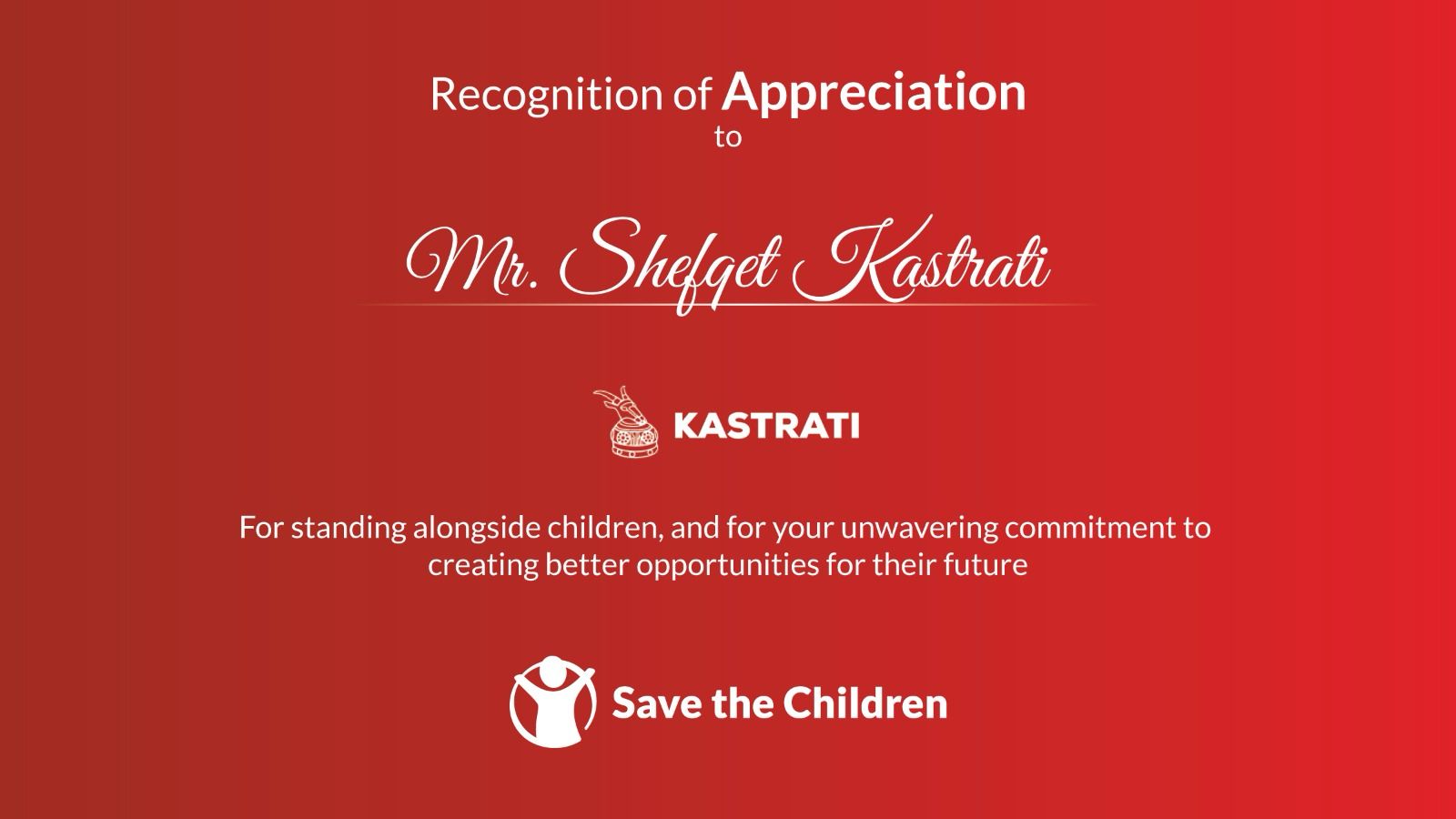
- Philanthropy and Institutional Ties: The intersection of corporate social responsibility and national development is frequently debated. Kastrati’s involvement in charitable initiatives and regional development is often contrasted with the call for more systemic, institutionalized support for diaspora integration.
Assessing the Economic Landscape: Domestic Giants vs. Diaspora Interests
Understanding the role of Shefqet Kastrati requires a breakdown of how large-scale business operations influence the macro-economic environment that diaspora members encounter when seeking to invest in their home country.
| Sector | Role of Large Enterprises (e.g., Kastrati) | Relevance to Diaspora Investors |
|---|---|---|
| Petroleum | Market price leadership and infrastructure | Affects operational costs for secondary businesses |
| Aviation/Logistics | Management of critical infrastructure (e.g., airports) | Influences ease of movement and supply chain efficiency |
| Construction | Large-scale development projects | Shapes real estate market and investment opportunities |
| Energy | Strategic utility and power supply | Essential for sustainable manufacturing or hospitality investments |
Challenges and Perspectives
The debate is rarely monolithic. It is polarized between those who view large, successful domestic companies as symbols of national growth and those who express concerns regarding regulatory capture and the barriers to entry for smaller diaspora-led ventures.
The Pro-Development Perspective
Proponents of the current economic structure argue that large conglomerates like the Kastrati Group act as "anchors" for the economy. They argue that in a post-transition economy, size is necessary to compete regionally and to attract foreign direct investment. From this viewpoint, a strong domestic leader provides the stability and scale necessary for the diaspora to feel confident in the security of their assets when choosing to repatriate capital.
The Structural Reform Perspective
Conversely, many voices within the Albanian diaspora emphasize the need for market liberalization. This group argues that the influence of a few major figures creates an opaque business environment. Their primary concern is that a lack of competitive pressure in the domestic market discourages the diaspora—which is accustomed to transparent, highly regulated Western markets—from engaging in significant local ventures.
Requirements for Diaspora Engagement
For members of the Albanian diaspora looking to reconcile their business interests with the reality of the domestic market, there are several practical requirements to navigate:
- Legal Due Diligence: Investigating the regulatory framework, especially in sectors where large entities dominate, is essential. Understanding the Competition Authority’s role in balancing the influence of major firms is a key step for any new market entrant.
- Infrastructure Synergy: Diaspora investors often look for opportunities in tourism or services. It is important to evaluate how existing infrastructure—much of which is maintained or developed by major private entities—can be leveraged or whether it creates an insurmountable barrier to entry.
- Networking and Advocacy: Many diaspora groups focus on institutional advocacy, pushing for reforms that would streamline investment processes, reduce administrative bottlenecks, and create a level playing field.
Related Questions
How does the dominance of large companies affect the cost of doing business in Albania? Large companies often achieve economies of scale that lower the cost of basic commodities, such as fuel. However, if these companies also control infrastructure access, they may inadvertently increase entry costs for smaller businesses that rely on those utilities.
What is the role of the Albanian government in regulating domestic giants? The government is tasked with ensuring fair competition. The debate often centers on whether regulatory bodies are sufficiently independent to oversee entities that have significant economic weight.
Is there a clear trend of the diaspora investing in sectors dominated by domestic leaders? Typically, the diaspora tends to focus on niche markets or service-oriented sectors where they can apply international expertise, rather than attempting to compete directly with large-scale industrial or energy conglomerates.
How does the diaspora influence Albanian policy regarding business regulations? Through organizations and advocacy networks, the diaspora exerts pressure on the government to adopt EU-standard business practices, which is often discussed in opposition to the existing, sometimes less transparent, domestic corporate culture.
Practical Recommendation for Diaspora Stakeholders
For individuals in the diaspora evaluating their potential involvement in the Albanian market, the primary recommendation is to avoid generalizations. While the influence of figures like Shefqet Kastrati is undeniable in the macro-economic landscape, your specific business strategy should rely on rigorous, sector-specific legal research. Before committing capital, conduct a thorough analysis of the specific market segment, engage local legal counsel to verify current regulatory compliance requirements, and seek independent assessment of infrastructure access to ensure your business model is not contingent on exclusive market conditions.
Image Gallery