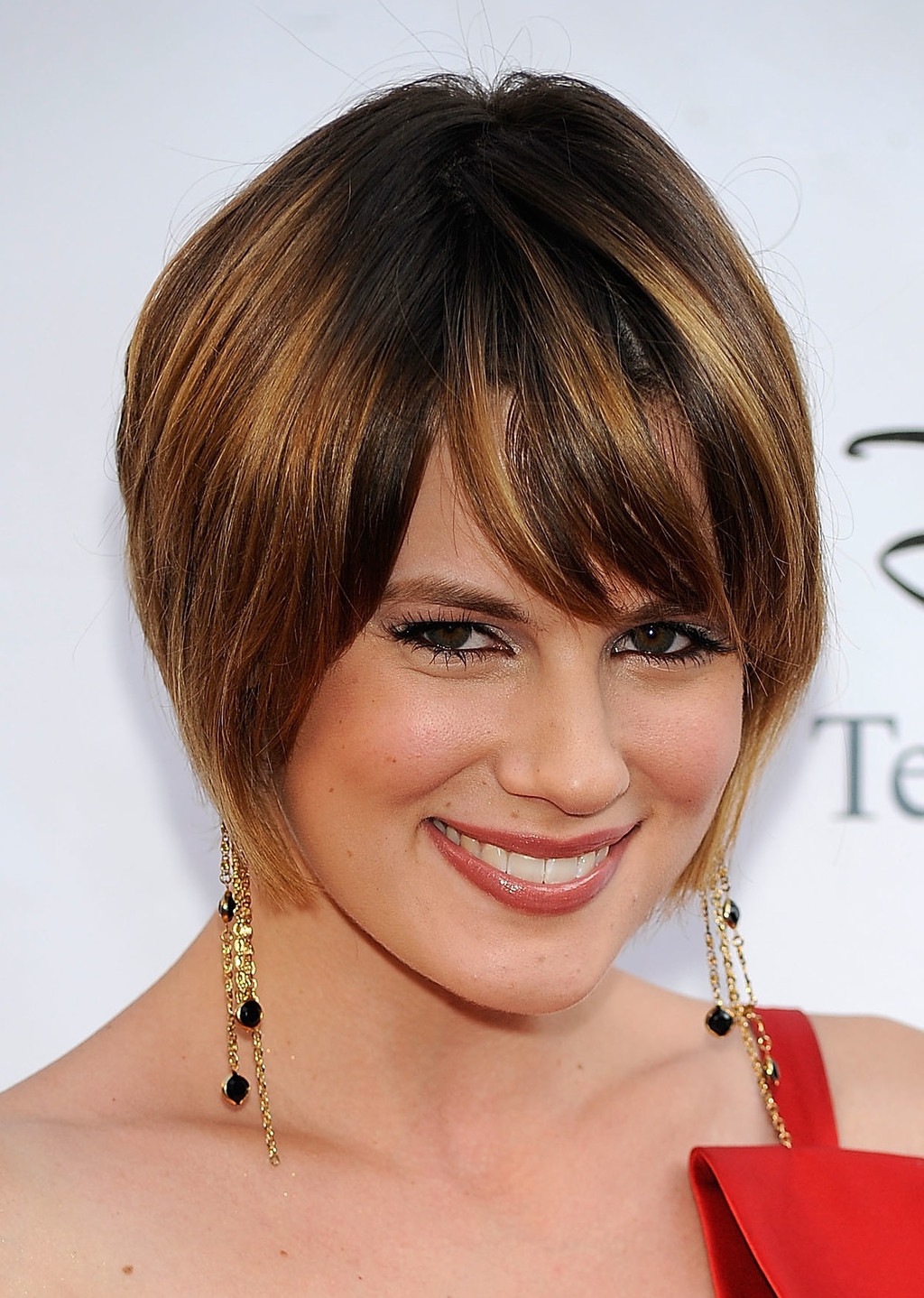
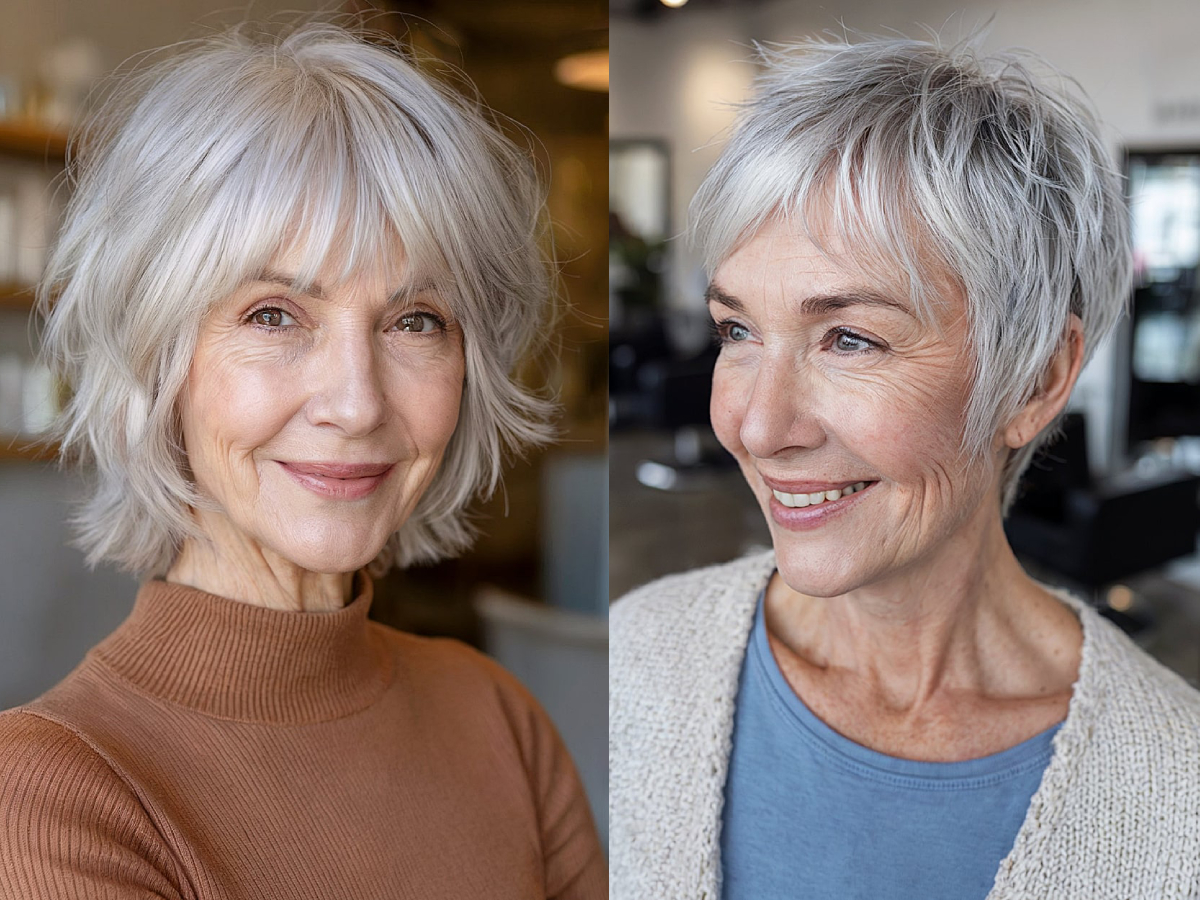
Best Haircuts for Fine Hair: Comprehensive Style and Maintenance Guide 2026
Haircuts for fine hair are strategic cuts designed to maximize volume, create the optical illusion of density, and prevent limpness by removing heavy weight. Choosing the right cut requires understanding hair density versus hair strand...
Haircuts for fine hair are strategic cuts designed to maximize volume, create the optical illusion of density, and prevent limpness by removing heavy weight. Choosing the right cut requires understanding hair density versus hair strand thickness, ensuring fine strands are layered or structured to maintain structural integrity and bounce.
Contents
Finding the right hairstyle when you have fine hair often feels like an uphill battle. Fine hair—characterized by a small diameter per individual strand—lacks natural body and tends to lie flat against the scalp. However, with the correct structural cutting techniques, styling mechanics, and ongoing maintenance, fine hair can be transformed into a dynamic, voluminous asset.
Understanding Fine Hair Characteristics and Structural Challenges
To select a successful haircut, you must first understand the fundamental structural mechanics of fine hair. In trichology and professional cosmetology, fine hair refers exclusively to the width of the individual hair shafts. It is entirely possible to have high hair density (many individual hairs per square inch) combined with fine texture, or low density combined with fine texture.
When fine hair lacks volume, it is usually because heavy lengths pull the root area downward. Standard blunt cuts can sometimes emphasize this lack of body by creating a heavy perimeter that highlights scalp visibility.
- Low Friction Cuticles: Fine hair often features a smoother cuticle layer, causing strands to slide past one another and refuse to hold volume or updos.
- Weigh-Down Factor: Natural oils (sebum) travel very easily down a fine hair shaft, weighing the roots down rapidly and causing limpness by the end of the day.
- Porosity Variations: Chemically treated fine hair becomes fragile, making it prone to breakage if heavy texturizing shears are used improperly.
Styling fine hair successfully relies heavily on creating structural support at the roots and strategic weight distribution. Professional stylists look at your head shape, hair growth patterns (such as cowlicks), and daily styling commitment level before recommending a specific silhouette.
Essential Criteria for Selecting Flattering Fine Haircuts
Evaluating a potential haircut involves analyzing how the silhouette interacts with gravity and movement. The primary goal is to shift visual weight upward while preserving enough thickness at the ends to prevent a stringy appearance.
| Haircut Style | Best Face Shape | Volume Potential | Maintenance Level |
|---|---|---|---|
| Blunt Bob (Lob) | Oval, Heart, Square | Moderate to High | Low to Medium |
| Long Layers with Face Framing | Round, Oval | Low to Moderate | Medium |
| Textured Pixie | Oval, Heart, Diamond | High | High |
| Shaggy Collarbone Cut | Oblong, Oval | High | Medium |
| One-Length Blunt Cut | All Shapes | Maximum Density | Low |
Strategic cutting requires precise tool selection. Traditional thinning shears (chunking shears) can create holes and frizz in fine hair. Instead, master stylists utilize point-cutting, slide-cutting, and razor-cutting techniques (only on healthy strands) to introduce subtle texture without sacrificing structural integrity.
Top Haircut Options Specifically Engineered for Fine Textures
Executing a successful transformation for fine hair relies on specific silhouettes proven to enhance body and movement.
The Sharp Blunt Bob (The Lob)
A blunt bob or long bob (lob) cut straight across at the chin or collarbone is widely considered the gold standard for fine hair. By eliminating all tapered, wispy ends, the perimeter appears instantly thicker and denser.
- Why it works: The blunt baseline creates a clean, heavy line that tricks the eye into seeing more fullness.
- Customization: Can be worn with a slight forward angle toward the face to maintain elongation around the jawline.
The Textured Pixie Crop
For those willing to embrace shorter lengths, a textured pixie is an exceptional choice. Short hair eliminates the gravity-induced pull that flattens fine strands at the scalp.
- Why it works: Shorter hair weights significantly less, allowing natural root lift and volume to emerge effortlessly with minimal product.
- Customization: Keeping the top slightly longer while tapering the nape and sides creates a sophisticated, modern shape.
The Modern Shag with Soft Layers
While heavy layers can make fine hair look sparse, strategic, airy layers integrated into a modern shag provide essential lift.
- Why it works: The layers remove weight from the crown, allowing the remaining hair to spring upward and create natural texture.
- Customization: Pair with curtain bangs to frame the face while keeping the top layers blended rather than choppy.
Step-by-Step Professional Consultation and Cutting Process
Achieving optimal results requires a disciplined approach during your salon visit. Clear communication with your stylist ensures that the final result meets your daily styling capabilities.
- Scalp and Density Assessment: Your stylist evaluates your hair density, curl pattern, and cowlicks while dry to see how the hair naturally falls and where the scalp is most visible.
- Consultation on Lifestyle: Discuss your daily routine. If you prefer air-drying, your stylist will avoid cuts that strictly demand round-brush blowouts.
- Wet Baseline Cut: The stylist establishes the primary length using precision shears while the hair is wet to ensure absolute evenness.
- Dry Texturizing and Detailing: After blow-drying, the stylist refines the shape, removes bulk where necessary, and customizes face-framing pieces to complement your bone structure.
- Product Recommendation and Finish: The session concludes with the application of lightweight volumizing mousses or texturizing sprays suited for fine diameters.
Managing Common Fine Hair Challenges After the Cut
Maintaining your new haircut requires specific adjustments to your washing, conditioning, and styling habits. Fine hair demands lightweight formulations that provide hold without leaving sticky or heavy residues.
Crucial Maintenance Rule: Never apply heavy oils, rich butters, or deep conditioners directly to your scalp or roots. Concentrate hydrating treatments strictly from the mid-lengths to the ends to prevent immediate flattening.
- Use Sulfate-Free Volumizing Shampoos: These cleansers remove excess sebum without stripping the scalp, maintaining root lift.
- Incorporate Root-Lifting Sprays: Apply a targeted volumetric spray to damp roots before blow-drying against the natural growth direction for maximum elevation.
- Embrace Dry Shampoo Preventatively: Instead of waiting for hair to become oily, apply dry shampoo to clean, dry hair to absorb oils before they weigh the strands down.
Pros and Cons of Short Versus Long Haircuts for Fine Textures
Deciding whether to go short or keep your fine hair long involves balancing aesthetic preferences with practical upkeep requirements.
Short Haircuts (Pixie, Short Bob)
- Pros: Maximum natural volume, minimal drying time, excellent resistance to tangling, and effortless styling.
- Cons: Requires frequent salon visits (every 4 to 6 weeks) to maintain crisp lines, and offers less versatility for updos.
Long Haircuts (Long Layers, One-Length Below Shoulders)
- Pros: High versatility for ponytails, braids, and formal styling; allows you to keep length if you prefer an elongated look.
- Cons: Prone to tangling and breakage at the ends; weight of the hair pulls down root volume, requiring more styling products and thermal tools.
Frequently Asked Questions About Fine Haircuts
Are layers good or bad for fine hair?
Layers can be both beneficial and detrimental depending on their placement and execution. Strategic, subtle layers remove heavy weight from the top to allow root lift, but excessive or choppy layers can make fine hair look stringy and sparse.
Can fine hair pull off a blunt cut?
Yes, blunt cuts are actually one of the best options for fine hair. They create a strong visual perimeter that makes the ends appear much thicker and fuller than they actually are.
How often should fine hair be trimmed?
Fine hair is prone to split ends because the individual strands have a smaller diameter and weaker protective cuticle. A trim every 6 to 8 weeks is recommended to prevent breakage from traveling up the hair shaft.
What is the difference between fine hair and thin hair?
Fine hair describes the physical thickness or diameter of an individual hair strand. Thin hair refers to low density, meaning you have fewer total strands of hair growing from your scalp per square inch.
How can I make my fine haircut look thicker every day?
Use lightweight volumizing mousses, blow-dry your hair upside down with a nozzle attachment to lift the roots, and finish with a dry texture spray rather than heavy hairsprays.
Professional Recommendations for Long-Term Hair Health
Maximizing the potential of your fine haircut requires treating the hair with care during every step of your routine. Invest in professional-grade boar bristle brushes to distribute natural oils evenly without causing friction damage. Protect your strands with a lightweight thermal protectant whenever using hot tools, keeping heat settings on low to moderate to prevent fine cuticles from burning or fracturing. Consult your stylist seasonally to adjust your cut as weather humidity and personal styling habits evolve.
Image Gallery