How Sperm Whales Sleeping Patterns Are Understood Today
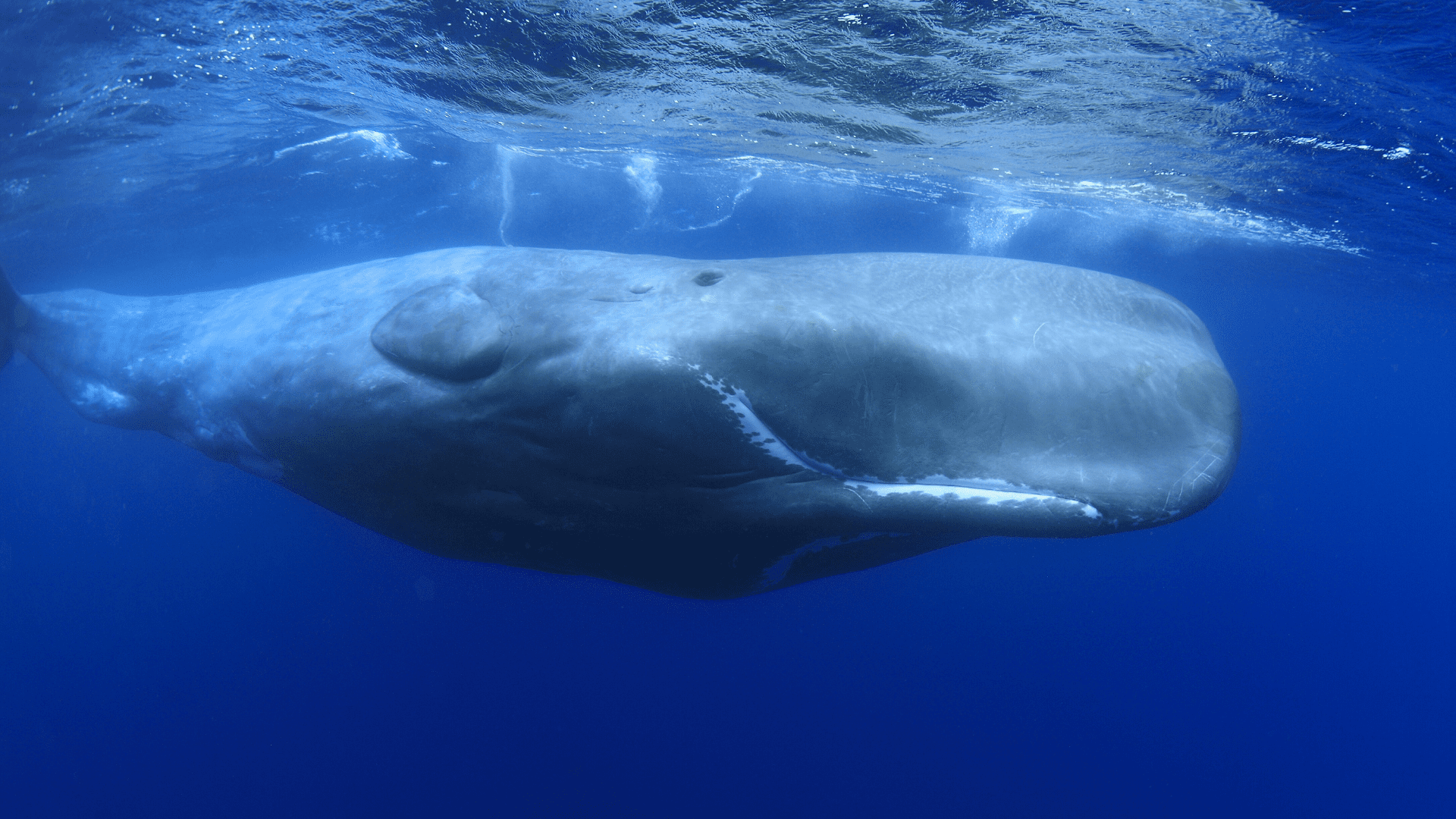
Sperm whales maintain a unique, upright resting posture near the surface, drifting vertically while unconscious for short intervals of 10 to 15 minutes. This behavior, first documented in the early 2000s, revolutionized marine science...
Sperm whales maintain a unique, upright resting posture near the surface, drifting vertically while unconscious for short intervals of 10 to 15 minutes. This behavior, first documented in the early 2000s, revolutionized marine science by revealing how large marine mammals balance the physiological necessity of sleep with the constant threat of predators, the requirement to breathe air, and the dynamics of unihemispheric slow-wave sleep.
Contents
The Evolutionary Puzzle of Cetacean Sleep
Marine mammals face a profound evolutionary paradox. Unlike terrestrial animals, cetaceans—including whales, dolphins, and porpoises—are conscious breathers. Every breath requires a deliberate neural command. If a marine mammal loses complete consciousness and drops into deep, uninterrupted slumber as land mammals do, it risks drowning.
For decades, scientists debated how massive odontocetes, or toothed whales, managed their rest cycles. Early observations of captive dolphins provided the foundational concept of unihemispheric slow-wave sleep. In this state, one cerebral hemisphere sleeps while the other remains awake, allowing the animal to maintain forward motion, monitor the environment for threats, and surface to breathe.
However, the massive size and social structure of Physeter macrocephalus—the sperm whale—presented distinct challenges. Researchers wondered whether these deep-diving carnivores practiced unihemispheric sleep exclusively while swimming slowly, or if their biology permitted a different resting strategy altogether. The breakthrough came when marine biologists outfitted free-swimming sperm whales with suction-cup satellite tags equipped with high-resolution motion sensors and time-depth recorders, unlocking insights into their elusive behavioral patterns.
The Discovery of Vertical Drifting Behavior
In 2008, a team of researchers led by marine biologist Stéphane Giraudeau and veteran cetacean expert Telex Goodman published landmark findings documenting the vertical resting posture of sperm whales. Using advanced digital tags that recorded pitch, roll, and heading data, the research team discovered that sperm whales spend a small percentage of their day—roughly 7%—resting in a completely immobile, vertical orientation just beneath the ocean surface.
During these resting episodes, the whales drift passively, resembling giant, floating logs or pillars of timber. They maintain neutral buoyancy at depths ranging from zero to fifteen meters. Because they are completely motionless, they do not swim, vocalize, or forage during these windows.
| Sleep Characteristic | Terrestrial Mammals (e.g., Humans) | Sperm Whales (Physeter macrocephalus) |
|---|---|---|
| Primary Posture | Horizontal (lying down) | Vertical (head-up, tail-down drifting) |
| Duration per Episode | 6 to 9 hours continuous | 10 to 15 minutes |
| Daily Sleep Volume | 33% to 50% of the day | Approximately 7% of the day |
| Level of Consciousness | Complete unconsciousness | Deep slow-wave sleep / paralysis-like stillness |
| Breathing Mechanism | Autonomous respiratory drive | Conscious, scheduled surfacing post-rest |
This behavioral adaptation caught scientists by surprise. Rather than moving slowly while resting, sperm whales completely shut down their forward momentum, entering a state that resembles deep sleep phases observed in terrestrial mammals.
Neurological Mechanics: Do Sperm Whales Experience REM Sleep?
The discovery of motionless, vertical drifting raised intense questions regarding brain activity and whether sperm whales experience Rapid Eye Movement (REM) sleep. In land mammals, REM sleep is characterized by muscle atonia—a temporary paralysis of skeletal muscles—which prevents the animal from acting out its dreams.
Because sperm whales enter total physical immobility during their vertical drifts, scientists hypothesize that these short, 15-minute windows represent instances of bilateral REM sleep or deep slow-wave sleep accompanied by muscular atonia. If true, sperm whales must tightly regulate these episodes. Drifting defenselessly near the surface makes them vulnerable to attacks from killer whale pods (Orcinus orca) and entanglement in commercial fishing gear.
To mitigate these risks, sperm whales exhibit remarkable synchronized social sleeping. When one member of a pod or social unit initiates a vertical drift, other pod members often mirror the behavior, clustering together in tight, parallel vertical formations known as "pots." This collective resting strategy likely provides mutual vigilance, as at least one whale in the vicinity may cycle out of rest to monitor the surroundings.
Field Research Methodologies and Technological Innovations
Understanding the sleeping patterns of an animal that spends up to 90% of its life beneath the surface required sophisticated technological interventions. Traditional visual observations from research vessels yielded incomplete data because sperm whales only surface to breathe between deep foraging dives, which can last up to 60 minutes and reach depths exceeding 2,000 meters.
Modern marine mammal science relies heavily on non-invasive archival tags. These suction-cup devices attach securely to the whale's flank without causing long-term harm or disrupting natural behaviors. Key technological components include:
- Tri-axial accelerometers: Measure the precise pitch, roll, and acceleration of the whale in three-dimensional space.
- Pressure and depth sensors: Track vertical displacement to confirm whether the animal is actively diving, ascending, or drifting near the surface.
- Hydrophones: Record acoustic environments, verifying that echolocation clicks and social codas cease entirely during vertical resting phases.
- GPS transponders: Log geographic drift, demonstrating how ocean currents carry resting pods over short distances.
Combining tag data with photogrammetry and drone-based aerial observations has allowed researchers to map out daily time budgets for various populations across the globe, from the Atlantic to the Pacific.
| Research Method | Primary Function | Limitation |
|---|---|---|
| Visual Surface Tracking | Monitoring pod structure and surface resting clusters | Limited to daylight hours and calm weather; misses underwater behavior |
| Suction-Cup Motion Tags | Recording pitch, roll, depth, and micro-movements | Tags eventually detach; limited battery life (typically 24 to 48 hours) |
| Acoustic Monitoring | Detecting silence intervals indicating non-foraging behavior | Cannot definitively prove sleep without posture data |
| Drone Aerial Imaging | Capturing top-down views of resting pods in the water column | Weather-dependent; restricted to shallow surface layers |
Ecological Vulnerabilities and Conservation Implications
The sleeping habits of sperm whales directly intersect with modern ocean conservation challenges. Because these resting pods float motionless near the surface for crucial intervals, they face significant anthropogenic hazards that did not exist during their evolutionary history.
Maritime traffic poses a severe threat. Container ships and high-speed ferries operating in shipping lanes often collide with cetaceans. A sperm whale floating vertically in a semi-comatose state is entirely unresponsive to approaching vessel noise until it is too late to execute an avoidance dive. Similarly, these surface-level resting zones overlap with high-density areas for commercial fishing and aquaculture, increasing the risk of fatal line entanglements.
Understanding these patterns allows conservation groups and maritime regulatory bodies, such as the International Whaling Commission (IWC), to advocate for seasonal vessel speed restrictions and mandatory re-routing in critical sperm whale habitats. Recognizing when and where whales are vulnerable transforms theoretical marine biology into actionable protection policies.
Frequently Asked Questions
Do sperm whales sleep underwater or at the surface?
Sperm whales sleep near the surface of the water. While they spend most of their lives underwater hunting in the deep ocean, their deep resting behavior occurs exclusively within the upper fifteen meters of the water column.
How long do sperm whales sleep each day?
Sperm whales sleep for remarkably short periods compared to terrestrial mammals. Total resting time accounts for only about 7% of their day, broken into short, 10-to-15-minute vertical drifting episodes.
Are sperm whales conscious while they sleep?
During their vertical drifting episodes, sperm whales enter a state of deep physical immobility that suggests unconsciousness or profound slow-wave sleep. They do not swim, vocalize, or react to minor environmental disturbances during these brief intervals.
Why don't sperm whales drown when they sleep?
Sperm whales consciously plan their sleep cycles around their breathing requirements. They wake up after 10 to 15 minutes, perform a sequence of breaths at the surface, and resume normal activity or deep foraging dives.
Do all whales sleep the same way?
No. Different cetacean species exhibit diverse sleeping adaptations. While smaller dolphins and some whales practice unihemispheric sleep while swimming, sperm whales are unique among large cetaceans for their synchronized, vertical drifting behavior.
Conclusion and Next Actions
Modern marine biology has dismantled the long-standing mystery of sperm whale rest, confirming that these apex predators utilize short, vertical, motionless drifting episodes to satisfy their sleep requirements. For researchers, conservationists, and wildlife enthusiasts, staying informed about ongoing bio-logging studies helps support science-based maritime policies. To explore this topic further, review published open-access papers in journals such as Marine Mammal Science or support international organizations working to establish vessel slow-down zones in critical cetacean habitats.
Image Gallery