3 Days of Genesis Creation on Day Three: Exegetical Analysis and Chronological Framework
The phrase "3 days of genesis creation on day three" references the structural partitioning of the Genesis creation narrative in biblical literature, specifically examining the division of creative acts across the initial trio of days...
The phrase "3 days of genesis creation on day three" references the structural partitioning of the Genesis creation narrative in biblical literature, specifically examining the division of creative acts across the initial trio of days and the specific cosmic and botanical developments ascribed exclusively to the third day.
Contents
Introduction to the Genesis Creation Week
The opening chapters of Genesis present a structured, symmetrical narrative of cosmic origins. For centuries, exegetes, theologians, and historians have analyzed the architectural framework of this creation account. The text describes a sequence divided into two parallel triads: the first three days establish cosmic realms, while the subsequent three days populate those realms with inhabitants and celestial markers.
Within this framework, the third day occupies a pivotal structural and theological position. It marks the culmination of the foundational physical environment and introduces organic life to the terrestrial sphere. Understanding what occurs on this specific day requires examining the linguistic cues of the original Hebrew text, the relationship between the days preceding it, and the broader literary architecture of the creation narrative.
The Structural Framework: The First Two Days
Before analyzing the events of the third day, it is necessary to establish the foundation laid during the first two days of the Genesis account. The creation narrative utilizes a recurring literary pattern characterized by divine fiat ("And God said"), execution ("And it was so"), evaluation ("And God saw that it was good"), and a chronological marker ("And there was evening and there was morning, a [first, second] day").
Day One: Light and the Division of Time
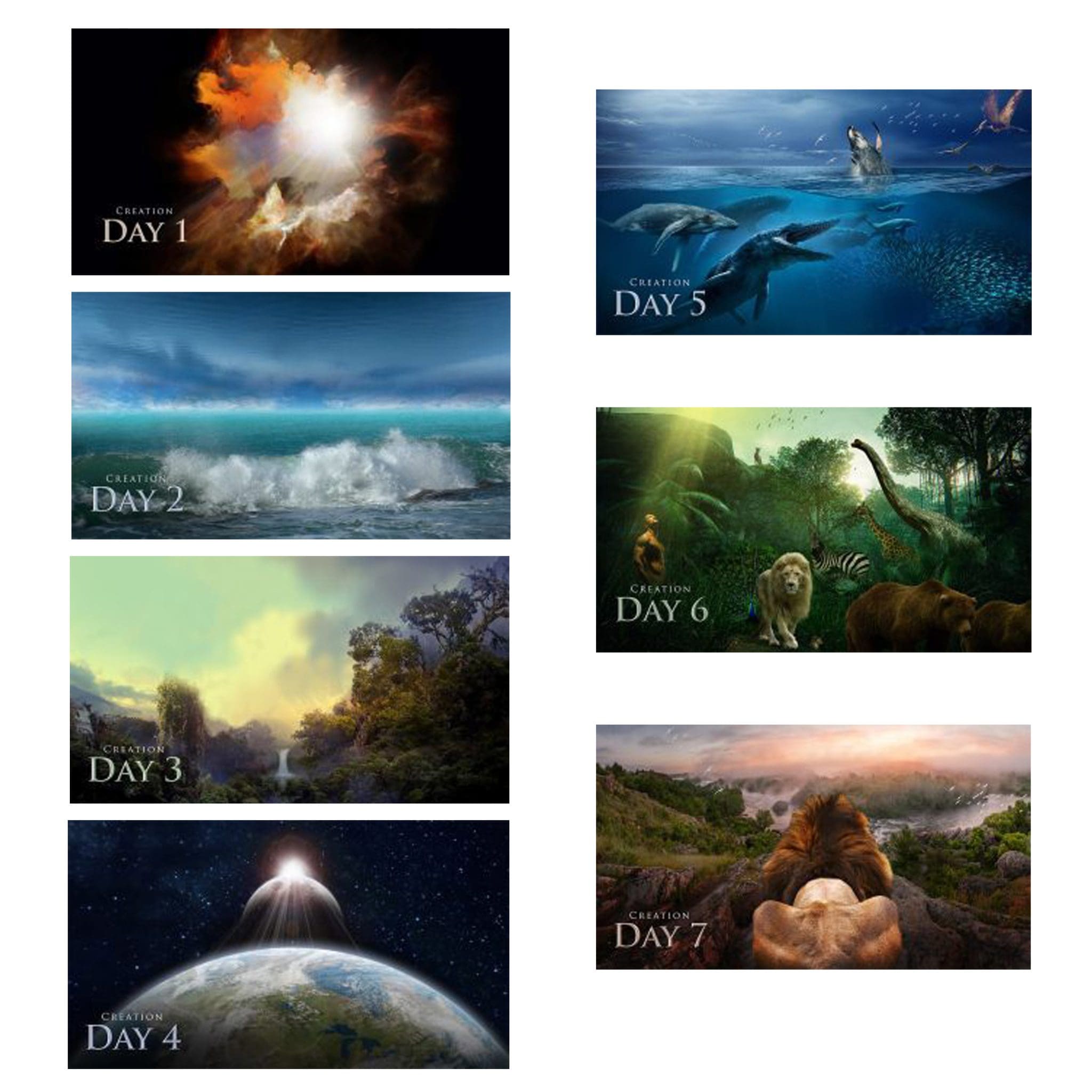
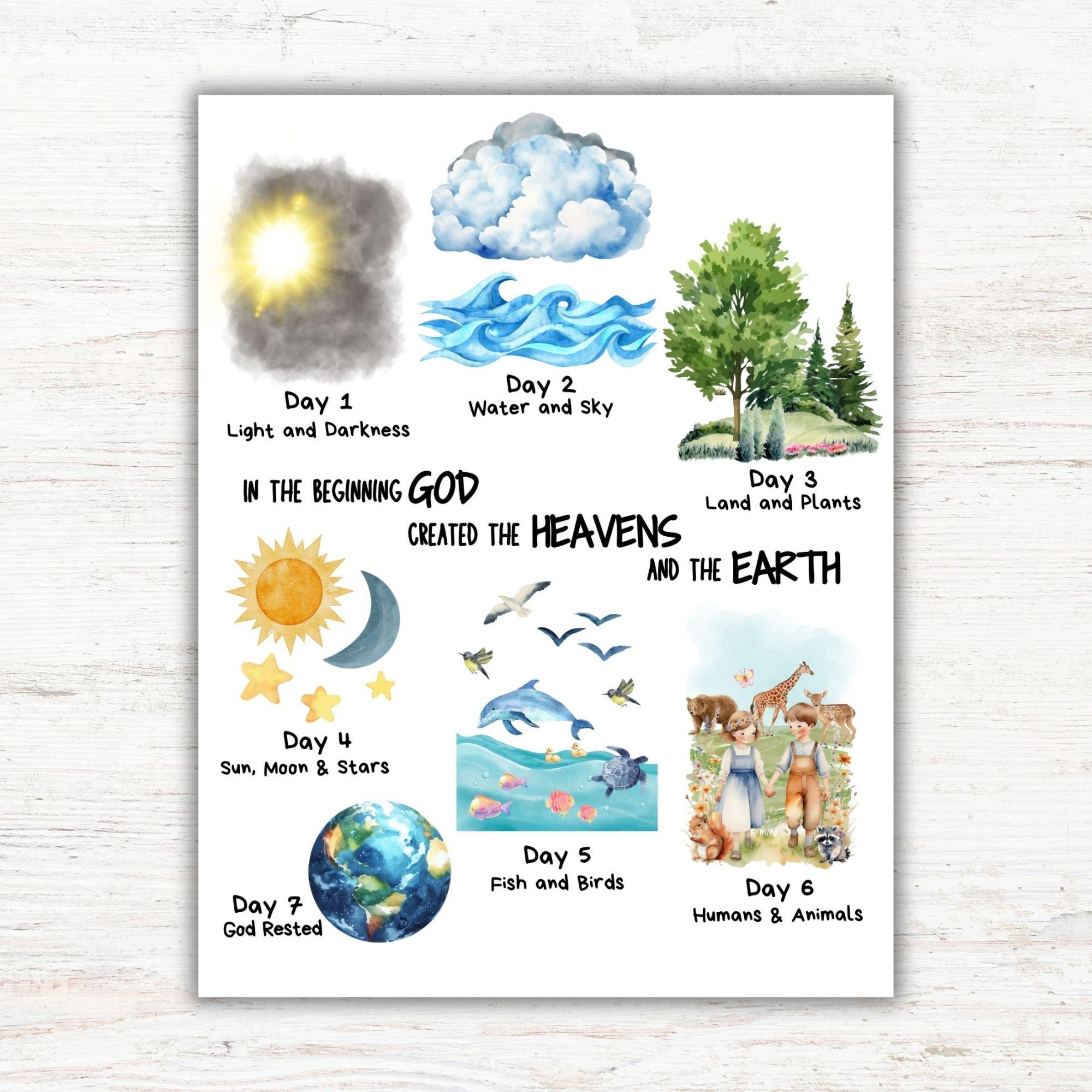
On the first day, God addresses the primordial state of the earth—described as tohu wa-bohu (formless and void)—by speaking light into existence. Rather than creating a luminous celestial body (which appears later on the fourth day), the text establishes a fundamental dichotomy: the separation of light from darkness. This act institutes the alternating cycle of day and night, establishing temporal boundaries for the created order.
Day Two: The Firmament and the Waters
On the second day, the divine command creates the raqia (commonly translated as "firmament" or " expanse"). This expanse acts as a structural divider separating the waters above from the waters below. This architectural intervention forms the atmospheric and oceanic domains, preparing a stable physical medium where life can eventually be sustained. However, at the close of day two, the terrestrial surface remains entirely submerged under a universal aqueous canopy.
Detailed Examination of Day Three
Day three introduces a dual movement: the reconfiguration of the physical geography of the planet and the initiation of biological life. This day is unique in the early sequence because it contains two distinct divine fiats, both pronounced as "good" by the Creator.
The Gathering of Waters and the Appearance of Dry Land
The first major act of the third day involves subduing the waters beneath the heavens. The text states:
"Let the waters under the heavens be gathered together into one place, and let the dry land appear." (Genesis 1:9, ESV)
This action resolves the watery chaos of day two, establishing permanent boundaries for the oceans and allowing topography to emerge. The appearance of dry land (yabbashah) creates the spatial platform required for terrestrial animals and human civilization in subsequent verses. The separation of land and sea forms the foundation of terrestrial geography within the ancient cosmological framework.
The Genesis of Plant Life
Following the emergence of dry land, the second divine command of the third day focuses on botany:
"Let the earth sprout vegetation, plants yielding seed, and fruit trees bearing fruit in which is their seed, each according to its kind, on the earth." (Genesis 1:11, ESV)
This introduces biological life into the narrative for the first time. The text categorizes vegetation into two primary classes: herbs yielding seed (deshe) and fruit-bearing trees (etz peri). A critical theological and biological emphasis in this verse is reproduction "according to its kind" (le-minno), establishing the principle of biological continuity and boundaries within created species.
Comparative Analysis of the First Three Days
To understand the structural logic of the creation account, scholars frequently utilize a parallelism model. This framework contrasts the form-forming acts of days one through three with the filling acts of days four through six.
| Day | Realm Formed (Days 1–3) | Counterpart Populated (Days 4–6) |
|---|---|---|
| Day One | Light and Darkness (Time) | Celestial Luminaries: Sun, Moon, Stars (Day Four) |
| Day Two | Waters and Sky (Space) | Fish and Birds (Day Five) |
| Day Three | Land and Vegetation (Habitat) | Land Animals and Humans (Day Six) |
This table illustrates how the third day provides the terrestrial habitat that corresponds directly to the inhabitants created on the sixth day. Without the topography and vegetation established on day three, the land-dwelling creatures and humanity introduced later would lack sustenance and a physical footing.
Theological and Exegetical Interpretations
Different theological traditions interpret the chronology and nature of the third day through distinct hermeneutical lenses.
Literal-Historical Interpretation
Proponents of a literal or strict historical reading view the days as consecutive, twenty-four-hour periods. In this view, the third day represents an actual geological and biological event where an omnipotent deity instantly shapes topography and brings mature plant life into existence without requiring secondary natural causes over long epochs.
Framework Hypothesis
Formulated by twentieth-century scholars, the Framework Hypothesis argues that the six-day structure is a literary and topical arrangement rather than a strictly chronological timeline. In this reading, the author of Genesis uses the familiar workweek of human experience to present theological truths about God as the sole sovereign creator, organizing the cosmos logically (form versus filling) rather than historically chronologically.
Analogical Day View
Another perspective suggests that the "days" of Genesis operate analogously to God's work cycle versus rest cycle, functioning as divine work-periods that do not necessarily map directly onto standard twenty-four-hour earth days, while still affirming real historical acts of creation.
Common Misconceptions Regarding Day Three
When studying the narrative mechanics of day three, several common points of confusion arise among readers and researchers:
- The Source of Light: A frequent question concerns how plants could grow on day three when the sun, moon, and stars are not created until day four. Exegetes note that the primary light source was established on day one, and many ancient Near Eastern texts portray light as an independent entity prior to being localized in luminous bodies.
- Scientific Conciliation: Attempts to harmonize day three with modern geological timelines often debate whether the "gathering of waters" aligns with the formation of primeval supercontinents or the cooling of the earth's crust, though literary analysts caution against reading modern empirical science into an ancient Near Eastern theological text.
- Seed-Bearing Permanence: The emphasis on seeds yielding after their own kind is sometimes misconstrued as a rigid biological taxonomy, whereas ancient texts utilized these categories primarily to emphasize divine order versus primordial chaos.
Conclusion and Next Actions
Examining the three days of Genesis creation—and focusing specifically on the third day—reveals a carefully constructed narrative that moves from formlessness to structured habitability. For researchers, theologians, and students of ancient literature, analyzing the text requires balancing linguistic analysis of the Hebrew vocabulary (yabbashah, deshe, le-minno) with an understanding of ancient cosmological frameworks.
To further investigate this subject, readers should consult standard Hebrew lexicons (such as Brown-Driver-Briggs) for word studies on Genesis 1:9–13, review commentaries comparing ancient Near Eastern creation myths (like the Enuma Elish) with biblical literature, and examine systematic theology texts regarding creation ex nihilo versus formative creation.
Image Gallery