The Real Reason Tua Isn’t Playing: Understanding Concussion History, Health Protocols, and Long-Term NFL Decisions
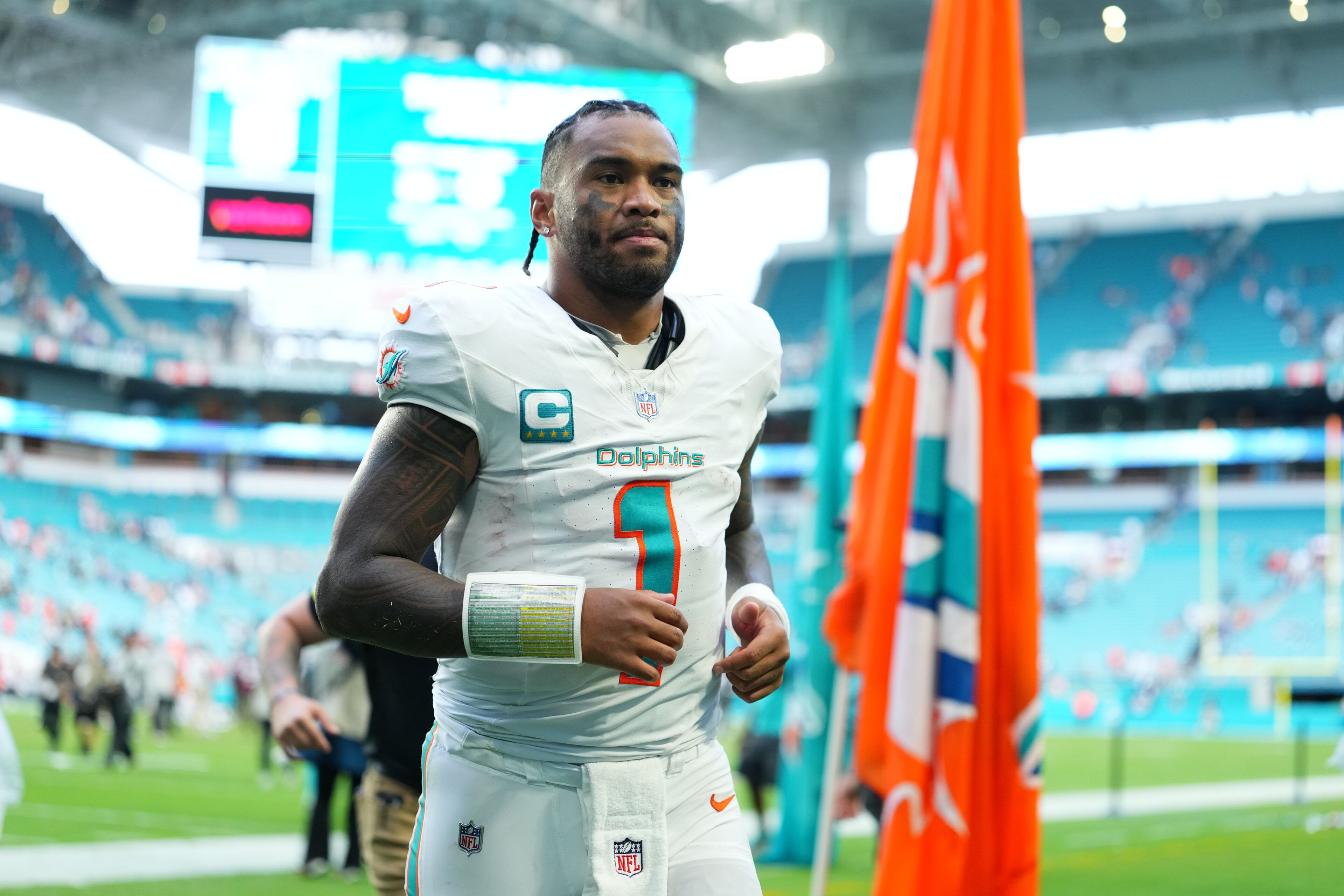
Tua Tagovailoa’s absence from the gridiron centers primarily on a deeply evaluated history of traumatic head injuries, strict NFL concussion protocols, and an organizational commitment to his long-term neurological health. While compet...
Tua Tagovailoa’s absence from the gridiron centers primarily on a deeply evaluated history of traumatic head injuries, strict NFL concussion protocols, and an organizational commitment to his long-term neurological health. While competitive drive pushes athletes to return immediately, independent medical evaluations and specialized neurological consultations dictate a cautious timeline to prevent catastrophic secondary brain injuries.
Contents
The Medical Reality: Concussion History and Neurological Health
To understand why Miami Dolphins quarterback Tua Tagovailoa is sidelined or facing extended absence periods during his career, one must examine the specific nature of his medical history. Traumatic brain injuries (TBIs) in professional football are subject to intense scrutiny, and Tagovailoa's medical chart includes multiple high-profile concussions sustained in rapid succession.
When a player suffers a concussion, the brain undergoes a temporary impairment of function characterized by stretching and shearing of axons (nerve fibers). While many athletes recover within a standard one-to-two-week window, subsequent impacts before the brain has fully healed can lead to Second Impact Syndrome—a rare but potentially fatal swelling of the brain. For Tagovailoa, medical staff and independent neurologists look beyond the immediate resolution of symptoms (such as headaches, dizziness, or light sensitivity) to evaluate the cumulative metabolic and structural stress on his central nervous system.
Furthermore, medical technology and monitoring in the National Football League have evolved significantly. Advanced imaging, neurological baseline testing, and continuous biomarker tracking allow team physicians and unaffiliated neuro-trauma consultants (UNCs) to detect subtle cognitive deficits that standard visual examinations might miss. When the data indicates that an athlete's brain remains vulnerable to re-injury, medical experts recommend prolonged rest, regardless of the team's standing in the playoff race or immediate competitive needs.
The NFL Concussion Protocol: Step-by-Step Return-to-Participation
The NFL and the NFL Players Association (NFLPA) maintain a stringent, multi-step concussion protocol designed to remove subjectivity from the clearance process. When an athlete enters the protocol following a diagnosed concussion or the manifestation of specific symptoms, they must progress sequentially through five distinct phases before returning to full contact practices or games.
- Phase 1: Symptom-Limited Activity
- Phase 2: Aerobic Exercise
- Phase 3: Football-Specific Exercise
- Phase 4: Club-Based Non-Contact Training Drills
- Phase 5: Full Football Activity / Independent Clearance
- Phase 4: Club-Based Non-Contact Training Drills
- Phase 3: Football-Specific Exercise
- Phase 2: Aerobic Exercise
Each phase requires a minimum of 24 hours, meaning the absolute fastest an asymptomatic player can clear the protocol is five days, though players frequently take much longer.
- Phase 1 (Symptom-Limited Activity): The player rests physically and cognitively until all symptoms resolve. Light stretching or stationary cycling may be permitted if it does not exacerbate symptoms.
- Phase 2 (Aerobic Exercise): The player engages in increased cardiovascular exercise (e.g., riding a stationary bike or treadmill) under the direct supervision of the medical staff to monitor heart rate and check for the return of symptoms.
- Phase 3 (Football-Specific Exercise): The player adds movement drills, throwing, and catching, increasing the complexity of physical exertion without direct helmet or body contact.
- Phase 4 (Club-Based Non-Contact Training Drills): The player participates in non-contact football drills, such as passing routes, reviewing playbooks on-field, and throwing against air, while wearing full equipment.
- Phase 5 (Full Football Activity / Independent Clearance): The player is cleared by the team physician. Crucially, they must also be examined by an Independent Neurological Consultant (INC) approved by both the league and the NFLPA. If the INC disagrees with the team physician's assessment, the player remains sidelined.
Tagovailoa's situations have often required rigorous reviews at Phase 5, where independent experts demand absolute certainty of recovery before signing off on full contact return.
Comparative Analysis: Immediate Return vs. Extended Recuperation
Navigating quarterback health requires balancing short-term performance pressures against long-term athletic longevity and quality of life. The table below outlines the core differences in philosophy between rushing an athlete back to play and prioritizing an extended recovery window.
| Decision Factor | Accelerated Return Philosophy | Extended Recuperation Philosophy |
|---|---|---|
| Primary Focus | Immediate team success, offensive continuity, and game-day readiness. | Long-term neurological health, neuroplasticity, and post-career quality of life. |
| Medical Standard | Symptom resolution verified by baseline standard tests. | Normalization of metabolic brain function and multi-specialist consensus. |
| Re-injury Risk | Elevated if sub-clinical cognitive deficits remain unhealed. | Substantially minimized through prolonged physical and cognitive rest. |
| Player Longevity | Risks shortening the athlete's career due to compounding trauma. | Protects the athlete's ability to play multiple subsequent seasons. |
Organizational Strategy and Player Safety
Beyond the medical staff, the front office, coaching staff, and ownership group play a vital role in determining when and if an injured quarterback returns to the field. In the modern era of professional sports, protecting a franchise asset represents both a legal and a financial imperative.
When a player of Tagovailoa's stature signs a major contract extension, the organization makes a multi-year investment in his athletic capabilities. Exposing a franchise quarterback to unnecessary risks without full medical clearance undermines long-term team strategy. Coaches must adapt their offensive schemes, utilize backup quarterbacks, and manage locker room morale while trusting the medical process.
Moreover, public relations and legal liability heavily influence these decisions. The NFL has faced intense scrutiny and class-action litigation regarding chronic traumatic encephalopathy (CTE) and the long-term management of concussions. Consequently, teams, league officials, and medical spotters lean heavily toward conservatism. If there is even a marginal doubt regarding a player's neurological stability, the default organizational stance is to hold the player out of competition until consensus is reached among all reviewing physicians.
Frequently Asked Questions
Did Tua Tagovailoa consider retiring from football?
Following a series of high-profile concussions, Tagovailoa consulted with independent neurological specialists across the country to discuss his long-term health. While retirement was evaluated as a serious precaution, specialists ultimately cleared him to continue playing after he implemented protective measures, such as specialized helmet modifications and altered sliding techniques to minimize head contact.
How do modern helmets protect quarterbacks from concussions?
Quarterbacks frequently hit the turf head-first when sacked. Modern helmet technology includes specialized exterior shells and interior padding designed to mitigate rotational and linear acceleration forces—the primary mechanical triggers for concussions. Tagovailoa adopted specific positional helmet models tailored to absorb high-impact ground collisions.
Can a player return to the field on the same day they suffer a concussion?
Under current NFL rules, any player who exhibits gross motor instability, loss of consciousness, or other definitive neurological symptoms is immediately ruled out for the remainder of the game and cannot return under any circumstances that day, regardless of subsequent tests.
What is an Independent Neurological Consultant (INC)?
An INC is a board-certified physician specializing in neurology or neurosurgery who has no financial or professional ties to any NFL franchise. They are jointly selected by the league and the players' association to provide an unbiased, objective evaluation before a concussed player can be cleared for full contact.
Practical Guidance and Next Actions
For sports analysts, fans, and medical observers tracking player health in modern football, understanding that player safety protocols supersede competitive urgency is essential.
- Monitor Official Injury Reports: Rely exclusively on official designations issued by team medical staffs and mandated NFL injury report disclosures rather than speculative media commentary.
- Understand Independent Oversight: Recognize that team physicians do not have unilateral authority; clearance requires sign-off from unaffiliated specialists.
- Prioritize Long-Term Health: Acknowledge that modern sports medicine focuses heavily on post-athletic quality of life, making cautious, extended recovery timelines the gold standard for neurological injuries.
Image Gallery