How to Get Rid of a Bat Outside: Step-by-Step Guide
To safely remove bats roosting on the exterior of your home, first verify local wildlife laws and ensure it is not maternity season (typically May through August). Identify roosting crevices under eaves, rooflines, or shutters, install...
To safely remove bats roosting on the exterior of your home, first verify local wildlife laws and ensure it is not maternity season (typically May through August). Identify roosting crevices under eaves, rooflines, or shutters, install one-way exclusion devices over active gaps, seal remaining exterior cracks greater than 3/8 inch, and safely clean guano using personal protective equipment.
Contents
Understanding Exterior Bat Behavior and Legal Regulations
Discovering a bat roosting under your roofline, behind window shutters, or beneath a porch ceiling can be concerning. However, before taking action to remove or deter bats from your property's exterior, it is essential to understand why they are there and the strict legal framework protecting them.
LEGAL & SAFETY DISCLAIMER Wildlife control regulations vary by jurisdiction. Bats are protected species in many areas. This guide provides general informational steps. Always check local laws and consult certified wildlife experts for specialized infestations or health exposures.
Why Bats Roost on Exterior Walls and Rooflines
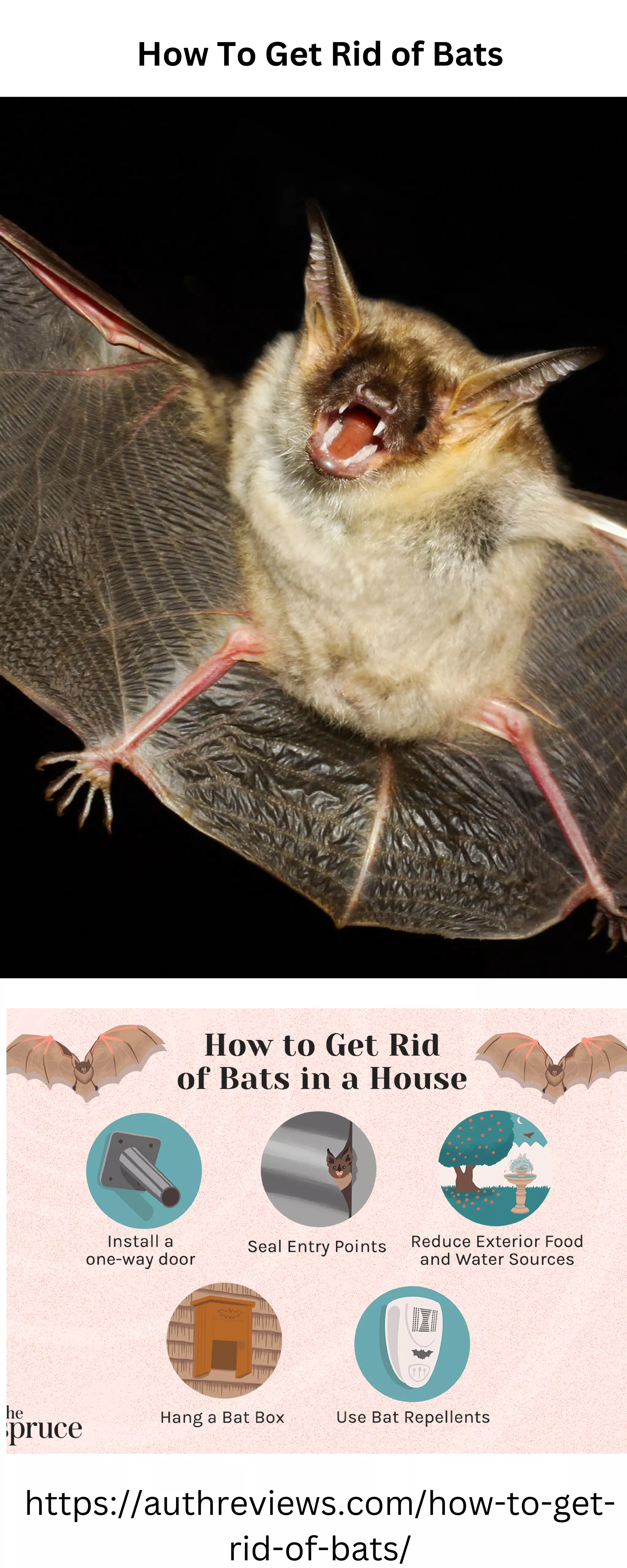
Bats choose exterior roosting sites based on microclimate conditions, safety from predators, and proximity to feeding grounds. Common exterior roosting spots include:
- Under eaves and soffits: High elevation provides protection from ground predators, while structural overhangs shield bats from rain and wind.
- Behind decorative window shutters: Narrow gaps behind shutters replicate natural bark crevices or cliff fissures.
- Porch ceilings and alcoves: These sheltered outdoor spaces capture radiant heat from the home during cool evenings.
- Fascia boards and chimney gaps: Unsealed gaps behind wooden fascia or chimney flashing provide ideal temporary staging areas before bats emerge to hunt nocturnal insects.
Exterior roosting often increases during late spring and summer when bats seek warm vertical surfaces to regulate their body temperature. In many cases, exterior roosting is temporary—bats may use your home as a night roost to rest and digest insects between feeding flights.
Legal Protections and Maternity Season Constraints
In the United States, Canada, the United Kingdom, and the European Union, bats are protected by federal, state, and provincial conservation laws. Under the U.S. Endangered Species Act, species such as the Indiana bat (Myotis sodalis) and the Northern long-eared bat (Myotis septentrionalis) receive strict protection. Furthermore, most U.S. state wildlife agencies prohibit killing, trapping, or poisoning any bat species.
The most critical legal restriction is the maternity season blackout window:
May, June, July, August: MATERNITY SEASON BLACKOUT
- Flightless pups present. Exclusion strictly prohibited by law.
Maternity Season Period: Generally runs from May 1 through August 15 (exact dates vary by geographic region and local wildlife agency guidelines).
Why Exclusion Is Prohibited: Female bats gather in maternity colonies during late spring to give birth. Bat pups are flightless for several weeks after birth. Performing an exclusion during this window traps helpless pups inside or causes mother bats to abandon their young on exterior walls, resulting in pup mortality and severe secondary odor or insect infestation issues.
Permitted Actions: Exterior deterrents (such as light or visual repellents) that do not trap bats can sometimes be deployed, but physical exclusion devices that block entry or exit points must wait until maternity season ends.
For guidance on federally protected species and local conservation mandates, consult the U.S. Fish and Wildlife Service or your local state department of natural resources before taking physical action.
Step-by-Step Guide to Removing Exterior Bats
Removing bats from exterior structures requires a methodical approach that combines observation, physical exclusion, structural sealing, and environmental modification. Follow these step-by-step instructions to clear exterior roosts humanely and permanently.
STEP-BY-STEP OVERVIEW
- Step 1: Locate Roosts
- Step 2: Check Calendar (Maternity Window)
- Step 3: Apply Deterrents
- Step 4: Install Exclusion Devices
- Step 5: Seal Perimeter Gaps
- Step 6: Sanitize Guano & Decontaminate
Step 1: Identify External Roosting Spots and Entry Gaps
Before applying deterrents or exclusion hardware, you must pinpoint exactly where the bats rest and how they navigate your exterior wall.
- Conduct a Dusk Watch: Stand outside your home approximately 15 minutes before sunset on a warm, clear evening. Watch your exterior walls, roofline, gable vents, and eaves for 30 to 45 minutes to observe where bats emerge.
- Look for Biological Signs: Inspect high walls, window sills, siding, and porch floors for bat sign:
- Guano accumulations: Small, dark, oblong droppings that crumble into dry insect fragments when crushed with a gloved tool (unlike rodent droppings, which are hard and rubbery).
- Rub marks: Dark, oily grease stains left by natural oils on bat fur around narrow entry slits or resting alcoves.
- Urine staining: Milky or cloudy streak marks running down siding, brickwork, or exterior glass.
- Measure the Openings: Bats can squeeze through gaps as small as 3/8 inch by 3/4 inch (approximately 9.5 mm by 19 mm)—roughly the size of a human thumb. Note every gap along fascia boards, soffit vents, utility penetrations, and roof flashing within 10 feet of the roost site.
Step 2: Time Your Intervention Appropriately
Verify that your planned work falls outside the local maternity season.
- Optimal Window: Early spring (March to mid-April) before maternity colonies form, or late summer into autumn (late August through October) after young bats are fully capable of flight.
- Winter Considerations: In colder climates, bats either hibernate in caves/mines (hibernacula) or migrate south. If bats have already left for winter hibernation, autumn is the ideal time to complete permanent exterior sealing without risking trapping animals.
Step 3: Deploy Non-Lethal Exterior Repellents and Light Tactics
If bats are merely clinging to an open exterior wall, under a porch roof, or behind open decorative elements (where physical trapping is not a risk), non-injurious environmental modifications can encourage them to relocate voluntarily.
- Illuminate the Roosting Zone: Bats prefer dark roosts. Mount a weatherproof, bright LED floodlight or motion-activated light directed at the specific exterior wall or porch nook where they hang. Leave the light on continuously overnight for 3 to 7 days.
- Increase Airflow: Set up a weatherproof exterior fan aimed directly at the sheltered alcove or eave. High air movement disturbs bat roosting microclimates and prompts them to seek alternative shelter.
- Install Visual and Tactile Repellents: Hang strip curtains of reflective mylar tape, bird-deterrent flash tape, or commercial noise-making foil strips near the roosting zone. The movement and light reflection break up the quiet darkness bats favor.
Step 4: Install One-Way Exclusion Devices for Covered Exterior Crevices
When bats are roosting inside semi-enclosed exterior gaps—such as behind exterior window shutters, inside hollow columns, or within soffit gaps—use one-way exclusion devices rather than sealing them in.
- Select the Device: Use dedicated bat exclusion cones, one-way exit tubes, or heavyweight poly exclusion netting (1/6-inch mesh size).
- Mount the Exclusion Valve: Fasten the tube or cone over the primary exit gap using exterior painter's tape or removable screws. Ensure the tube points downward at a 45-degree angle. Bats can drop down out of the tube to fly away at dusk, but the smooth interior walls and narrow bottom opening prevent them from crawling back up inside.
- Secure Netting Alternative: If using exclusion netting over a wider eave gap, attach the net along the top and sides of the opening, extending it at least 2 feet below the bottom of the gap. Leave the bottom edge completely unattached. Bats will push out under the bottom to exit, but when they return, they land on the outside surface of the netting and cannot push back underneath.
- Leave in Place: Keep exclusion devices active for at least 5 to 7 consecutive days of clear, warm weather to guarantee every bat has departed to forage.
Step 5: Seal All Alternative Exterior Crevices and Gaps
While exclusion devices are active, seal every other potential exterior entry point around the structure. If you fail to seal secondary gaps, bats exiting through the one-way cone will simply relocate to an adjacent crack 3 feet away.
- Materials Needed:
- 100% silicone or polyurethane exterior caulk.
- Expandable polyurethane foam (use closed-cell, pest-resistant formulations).
- 1/4-inch galvanized steel hardware cloth (wire mesh).
- Copper mesh or stainless steel wool (for narrow structural joints).
- Application Procedure:
- Stuff copper mesh or hardware cloth into wide open gaps, then cap with exterior caulk or pest-grade expanding foam. The metal mesh prevents bats and rodents from chewing through cured sealant.
- Seal all siding joints, wall-to-roof junction lines, chimney flashing gaps, and utility pipe penetrations.
- Install fine metal screen netting behind soffit vents and gable louvers.
Step 6: Verify Departure and Perform Final Sealing
After 5 to 7 days of active observation:
- Perform two consecutive dusk watches to confirm zero bats emerge from or land near the exclusion device.
- Carefully detach the one-way exclusion tubes, cones, or netting.
- Immediately seal the final primary exit gap using permanent building materials (caulk, backing rod, custom metal flashing, or wooden trim replacement).
Safe Exterior Clean-Up: Removing Guano and Decontaminating
Once bats have left your exterior walls, you must safely clean up accumulated guano, urine, and grease stains. Bat droppings can harbor the fungal pathogen Histoplasma capsulatum, which causes the respiratory infection histoplasmosis when airborne spores are inhaled.
REQUIRED PERSONAL PROTECTIVE EQUIPMENT
- N95 or HEPA-filtered respirator mask
- Non-porous rubber or nitrile gloves
- Protective eye goggles (unvented)
- Disposable protective coveralls or long sleeves
Step-by-Step Exterior Decontamination
- Don PPE: Put on your N95/HEPA respirator, protective goggles, disposable coveralls, and heavy rubber gloves before approaching dry guano.
- Dampen the Area (NEVER Dry Sweep): Never use a broom, leaf blower, or dry vacuum on bat guano, as this disperses microscopic fungal spores into the air. Lightly mist the dry droppings with water or a household bleach solution (1 part household bleach to 9 parts water) to bind dust particles.
- Scoop and Bag: Use a plastic scraper or disposable trowel to scoop up damp guano. Place the material in a heavy-duty plastic trash bag, seal it tightly with a zip tie, double-bag it, and dispose of it according to local municipal waste guidelines.
- Scrub and Wash Exterior Surfaces:
- Apply an enzymatic outdoor cleaner or household bleach solution to siding, masonry, or decking where urine stains or grease rub marks exist.
- Allow the solution to sit for 10 to 15 minutes to break down organic proteins and neutralize odors.
- Scrub vigorously with a stiff-bristled deck brush, then rinse thoroughly with warm water or a low-pressure hose.
- Sanitize Tools: Wash all reusable scrapers and brushes in a disinfectant solution, carefully remove coveralls, and thoroughly wash your hands and face.
For detailed health guidelines on spore safety and respiratory protection, review the Centers for Disease Control and Prevention (CDC) Histoplasmosis Guide.
Long-Term Exterior Bat Deterrence Strategies
Preventing bats from returning to your exterior walls requires modifying the surrounding environment so your building becomes unattractive compared to natural habitats.
BALANCING PRESERVATION AND PREVENTION Bats are crucial ecological allies that consume thousands of insects nightly. The goal of exterior management is exclusion from human dwellings—not population eradication. Mounting alternative bat houses diverts colonies safely away from your living spaces.
Mounting Alternative Bat Houses
If bats regularly frequent your property, installing a purpose-built bat house offers them an alternative shelter away from your home's exterior walls.
- Location: Mount the bat house on a dedicated pole or an outbuilding (such as a shed or barn) at least 15 to 20 feet above the ground. Do not mount it directly on your home's exterior walls or near active doorways.
- Sun Exposure: Choose a location that receives 6 to 8 hours of direct daily sunlight (usually facing south or southeast in Northern latitudes) to maintain internal temperatures suitable for roosting.
- Clear Flight Path: Ensure an unobstructed clearance of at least 20 feet around the entrance landing board, free of tree branches or overhead wires.
Architectural Modifications and Surface Treatments
- Smooth Surface Coverings: Bats prefer rough wood, porous brick, or textured siding that allows their claws to grip easily. If bats regularly hang on a smooth exterior corner or under an alcove, cover the surface with smooth Plexiglas, slick metal flashing, or vinyl sheeting to eliminate footholds.
- Bird Netting Under Eaves: Install 1/4-inch commercial bird netting tightly stretched beneath structural eaves or porch rafters where bats try to roost. Ensure the netting is taut so bats cannot become entangled.
- Insect Population Management: Reduce exterior lighting near your home's main structural walls. Swap standard white exterior light bulbs for yellow insect-repellent LED lights or bug-zapper alternatives to minimize the concentration of night-flying moths and beetles around your roofline.
Comparing Exterior Bat Deterrence and Removal Methods
The following comparative table evaluates common methods for managing exterior bat activity, detailing their effectiveness, cost profiles, and appropriate applications.
| Method | Effectiveness | Typical Cost Range | Primary Application | Key Advantages | Operational Limitations |
|---|---|---|---|---|---|
| One-Way Exclusion Valves / Cones | Very High | $20 – $75 (DIY) / $300 – $900 (Pro) | Enclosed exterior gaps, soffits, and shutter cavities. | Humanely evacuates active roosts without physical contact or legal violations. | Must not be used during maternity season (May–August). |
| Perimeter Caulk & Hardware Cloth Sealing | Very High | $15 – $60 (DIY materials) | Open structural cracks, fascia gaps, soffit joints (<3/8 inch). | Provides permanent protection against bats, mice, and large insects. | Requires complete inspection; missing a single 3/8-inch gap renders it ineffective. |
| High-Intensity Outdoor LED Lighting | Moderate | $25 – $100 | Open exterior porch ceilings, covered entryways, outer walls. | Non-invasive; can be safely deployed year-round without trapping risks. | May attract nocturnal insects if incorrect bulb spectrum is chosen; high energy use if left on continuous. |
| Mylar Flash Tape / Visual Streamers | Low to Moderate | $10 – $25 | Under roof overhangs, exposed open eaves, balcony corners. | Low cost, simple installation, zero structural modification required. | Bats may become accustomed to visual movement over several weeks. |
| Alternative Exterior Bat Houses | High (as a secondary tool) | $45 – $180 | Outer yard perimeter, high poles, barn structures (>15 ft high). | Diverts colonies away from human structures while preserving insect-control benefits. | Requires careful placement and sun exposure; may take several seasons for bats to colonize. |
| Ultrasonic Sound Emitters | Very Low | $30 – $80 | Exterior walls, open patios. | Easy plug-and-play setup; marketed as clean and non-lethal. | Scientifically proven ineffective; sound waves degrade rapidly outdoors and fail to penetrate structural gaps. |
Frequently Asked Questions
Can I use mothballs or chemical repellents to drive away exterior bats?
No. Using mothballs (naphthalene) or chemical sprays against bats is ineffective, unsafe, and often illegal. Naphthalene releases toxic fumes that pose serious health risks to humans and pets when inhaled near doors or windows. Furthermore, applying unregistered pesticides or chemical poisons against bats violates state and federal environmental protection laws.
Will outdoor ultrasonic pest repellers keep bats away from my roofline?
No. Independent scientific studies conducted by wildlife management universities have consistently shown that consumer ultrasonic pest devices do not effectively deter bats over extended periods. Bats quickly adapt to ambient ultrasonic noise, and high-frequency sound waves cannot travel around architectural corners or penetrate structural crevices where bats hide.
What should I do if a bat lands on the ground outside my door?
If you find a bat on the ground during daylight, do not touch it with bare hands. A bat on the ground is often injured, sick, dehydrated, or young. Place a plastic box or bucket over the bat, slide a stiff piece of cardboard underneath to trap it safely, and contact a local licensed wildlife rehabilitator or animal control officer. If direct human or pet contact occurred, contact your local public health department immediately to evaluate rabies exposure risks.
How do I know if bats are roosting inside my attic or just hanging outside?
Examine the exterior structure at dusk. If bats fly directly out from gaps along the roof ridge, soffit joints, or chimney flashing, they are likely nesting inside the attic void. If they fly in from surrounding trees, land briefly on your exterior wall or porch beam, rest for 30 minutes, and then fly back out to hunt, they are using your building as an exterior night roost.
When is the absolute best month to seal my home against bats?
In most temperate climates across North America and Europe, the optimal time to seal your exterior structure is during early autumn (September through October). During this window, maternity season has concluded, young bats can fly, and bats have not yet entered deep winter hibernation or departed for winter roosting caves.
Professional Guidance and Next Actions
Managing exterior bats requires balancing property preservation, legal compliance, and personal safety. If your exterior bat issue involves any of the following scenarios, hire a certified professional wildlife control operator:
WHEN TO CALL A CERTIFIED PROFESSIONAL
- High multi-story rooflines requiring specialized ladder/rigging gear.
- Large maternity colonies roosting in hard-to-reach soffits.
- Direct bat-to-human physical contact or potential rabies exposure.
- Heavy, historic guano accumulations requiring hazardous abatement.
To find qualified, licensed wildlife management experts near you, consult the professional registry at the National Wildlife Control Operators Association (NWCOA). When selecting an operator, ensure they utilize non-lethal exclusion protocols, provide written warranty guarantees on structural sealing, and hold valid state wildlife management permits.
For standard home maintenance, start by inspecting your property's roofline, securing hardware cloth over open exterior gaps outside the maternity season blackout, and establishing alternative bat housing to maintain your local ecosystem safely.
Image Gallery