Dust Storm in Kansas Today: Daily Life Impacts, Safety Risks, and Protection Measures
A severe dust storm in Kansas significantly disrupts daily routine by causing sudden zero-visibility driving conditions on major transit corridors, elevating airborne particulate matter to hazardous levels, interrupting power service,...
A severe dust storm in Kansas significantly disrupts daily routine by causing sudden zero-visibility driving conditions on major transit corridors, elevating airborne particulate matter to hazardous levels, interrupting power service, and threatening agricultural operations. Residents must limit outdoor activity, secure property, adjust HVAC filtration, and follow essential roadside safety protocols during active warnings.
Contents
How Kansas Dust Storms Form and Disrupt Daily Routines
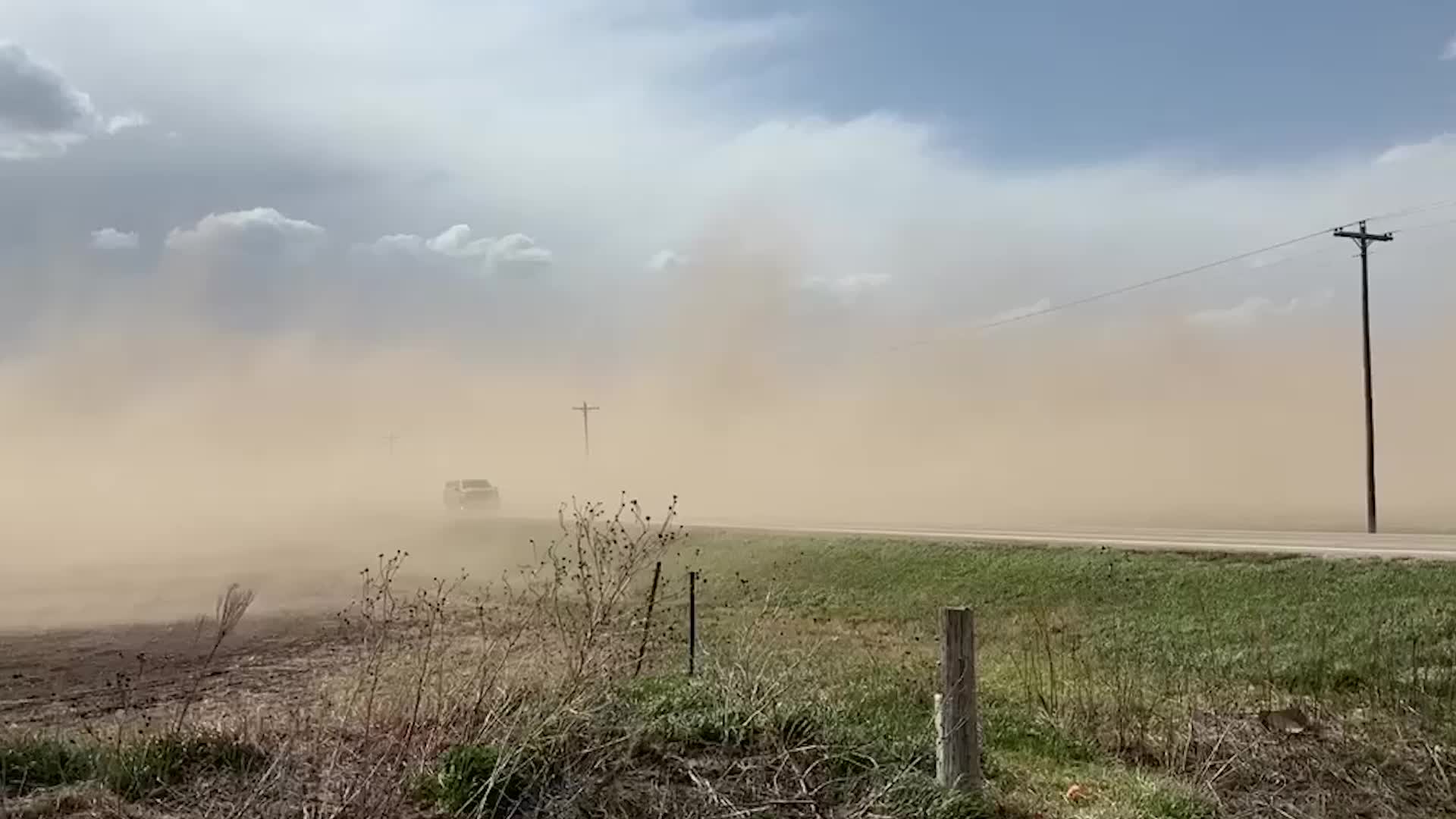
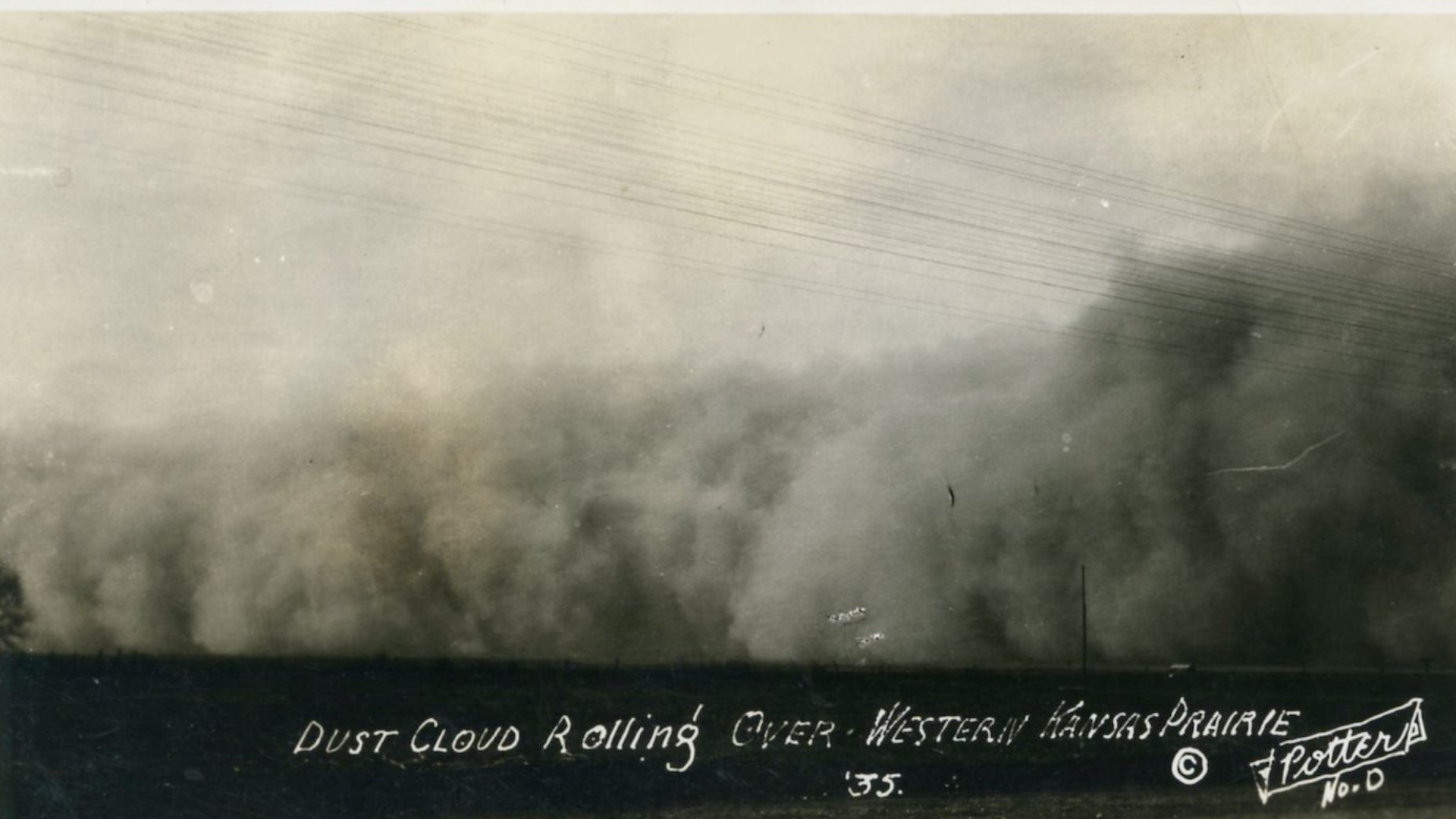
Dust storms in Kansas occur when strong, turbulent winds blow across exposed dry topsoil, pushing loose soil particles into the atmosphere. While common in arid and semi-arid regions, the High Plains of western and central Kansas are particularly vulnerable due to regional agricultural practices, localized dry spells, and intense atmospheric pressure gradients. When powerful cold fronts or mesoscale high-wind events move across the plains, they pull topsoil upward, creating sweeping plumes of dust that can extend across multiple counties.
These events range from generalized high-wind blowing dust to dramatic, concentrated walls of dust known as haboobs. Haboobs typically form along the leading edge of thunderstorm outflow boundaries, where cold, dense air rushes downward and sweeps out ahead of a storm cell, picking up immense volumes of surface dirt.
- High-Wind Outflow / Cold Front
- Exposed Dry Topsoil
- Suspended Dust Cloud (Haboob)
- Transport Disruptions & Health Risks
When a severe dust event moves through Kansas, daily life changes rapidly:
- Schools and Childcare: Outdoor activities, physical education classes, and athletic practices are immediately canceled to prevent airborne dust exposure. School districts may delay dismissal or shelter in place if visibility renders bus travel unsafe.
- Commercial and Municipal Services: Construction sites, roofing operations, and municipal road repairs suspend outdoor operations due to high wind speeds, flying debris, and severe respiratory risks.
- Retail and Outdoor Business: Drive-through services, outdoor dining, and agricultural supply yards halt operations to protect workers and prevent property damage.
- Utility Operations: Line crews are put on standby as gale-force winds and falling limbs threaten overhead power lines and electrical substations.
High-Visibility Transportation Hazards Across Kansas Transit Corridors
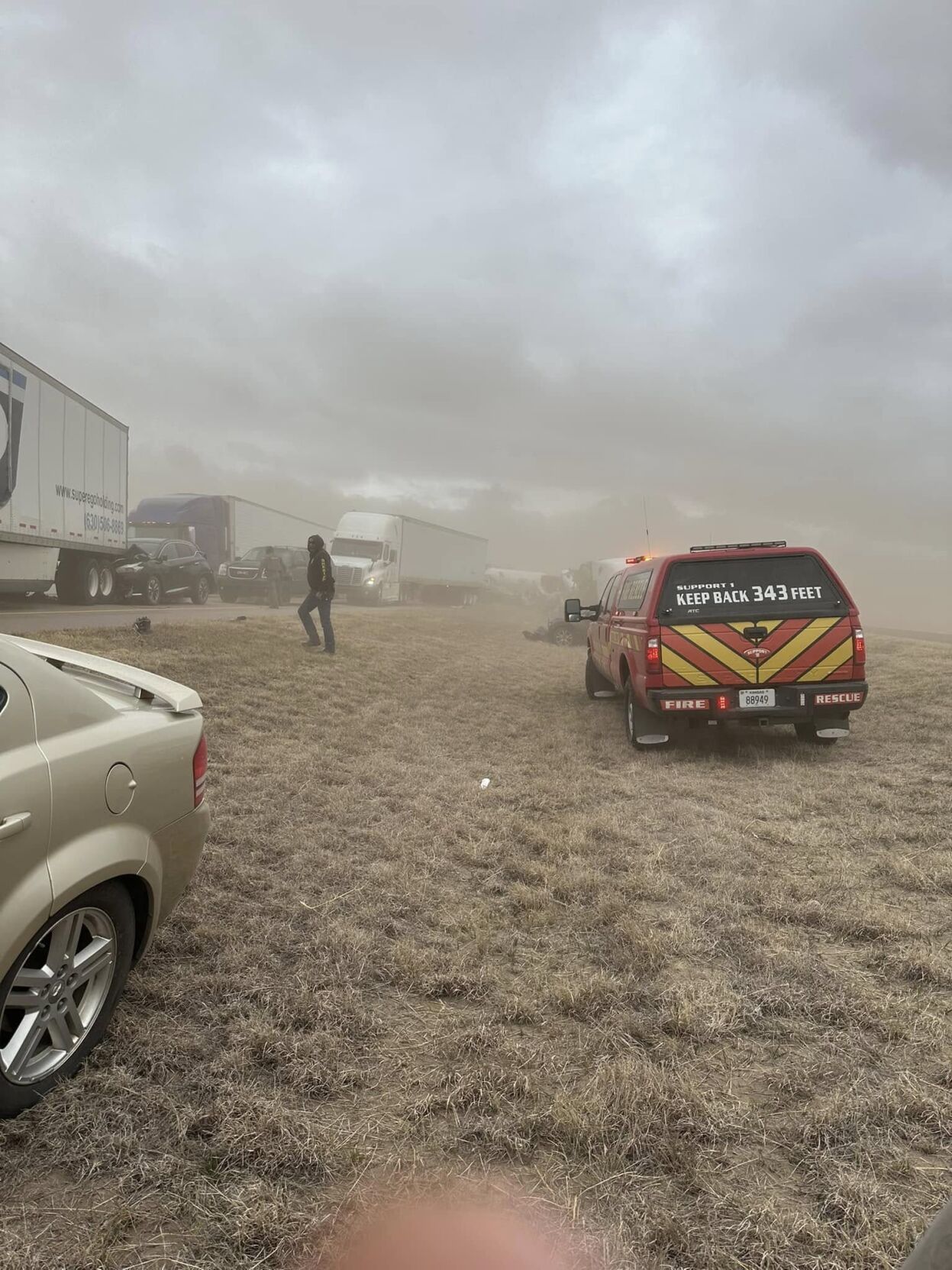
The primary immediate hazard during a Kansas dust storm is the rapid drop in highway visibility. Major east-west and north-south transit corridors—including Interstate 70 (I-70), US Route 50, US Route 54, and US Route 83—are particularly susceptible to sudden "brownout" conditions. In a brownout, windborne soil reduces visibility to near zero in seconds, blinding drivers traveling at highway speeds.
| Visibility Distance | Driving Hazard & Impact Level |
|---|---|
| > 1 Mile | Moderate blowing dust; light vehicle sway. |
| 0.25 to 1 Mile | Reduced reaction times; headlights required. |
| < 0.25 Mile (Dust Storm Warning) | Severe hazard; chain-reaction pileup risk high. |
| 0 Feet (Whiteout / Brownout) | Zero visibility; immediate roadside pull-off vital. |
Crosswinds exacerbate these driving hazards, especially for high-profile vehicles such as semi-trucks, recreational vehicles, and towed trailers. A wind gust exceeding 50 mph can force a commercial truck out of its lane or tip a light-load trailer, creating multi-lane blockages.
The Kansas Department of Transportation (KDOT) routinely monitors roadway sensors and deploys dynamic message signs to warn travelers of dust hazards. When conditions deteriorate beyond safe operating thresholds, KDOT and the Kansas Highway Patrol may close extended stretches of I-70 or state highways to prevent multi-vehicle pileups. Drivers caught in these corridors face severe delays, mandatory detours, or overnight strandings in rural communities.
Severe Health Hazards: Airborne Particulate Matter
Dust storms create elevated atmospheric concentrations of coarse particulate matter (PM10, particles 10 micrometers or smaller in diameter) and fine particulate matter (PM2.5). According to the U.S. Environmental Protection Agency (EPA), inhaling elevated levels of airborne dust poses immediate threats to human respiratory and cardiovascular systems.
- Human Hair (70 µm diameter)
- PM10 (Coarse Dust, Soil, Mold: ≤10 µm)
- PM2.5 (Combustion, Fine Dust: ≤2.5 µm)
Affected Populations and Symptoms
While healthy individuals may experience minor eye irritation, nasal congestion, and throat dryness, vulnerable groups face elevated risks:
- Asthma and COPD Patients: Inhaling fine soil particles triggers airway inflammation, bronchospasm, and severe asthma attacks.
- Cardiovascular Patients: Microscopic particles entering the bloodstream elevate systemic inflammation, increasing the risk of acute cardiac events.
- Elderly Adults and Children: Lower lung capacities and developing respiratory systems make these demographics susceptible to localized lung infections.
- Outdoor Agricultural and Industrial Workers: Prolonged exposure without respiratory protection can cause mechanical injury to upper respiratory tracts and exacerbate chronic lung conditions.
Indoor Air Safety Protocols
To prevent outdoor dust from invading residential homes, commercial office spaces, and schools, occupants should implement several key measures:
- HVAC System Configuration: Switch central heating and cooling systems from "Fresh Air" or outdoor intake to "Recirculate." Turn off whole-house attic fans.
- High-Efficiency Filtration: Install air filters rated MERV 13 or higher, which capture fine sub-micron particles, or run standalone High-Efficiency Particulate Air (HEPA) filtration units in high-occupancy rooms.
- Structural Sealing: Keep all doors and windows tightly closed. Place damp towels along door sweeps and unsealed window sills if wind pushes dust through structural gaps.
- Personal Protective Equipment (PPE): If outdoor travel is unavoidable, wear a properly fitted N95 or N100 NIOSH-approved respirator. Standard cloth masks or surgical masks do not filter fine PM10 or PM2.5 dust particles effectively.
Weather Alerts: Dust Storm Warning vs. Blowing Dust Advisory
The National Weather Service (NWS) issues standardized alerts based on forecasted wind speeds, soil moisture, and expected visibility. Understanding the distinction between these alerts helps residents take appropriate action.
| Alert Type | Issuance Criteria | Expected Impacts on Daily Life | Action Required |
|---|---|---|---|
| Blowing Dust Advisory | Visibility reduced to 0.25 to 1 mile; sustained winds 25–35 mph. | Minor travel delays; blowing dirt across open fields; light outdoor annoyance. | Exercise caution while driving; secure lightweight lawn items; sensitive groups stay indoors. |
| Dust Storm Warning | Visibility drops below 0.25 miles; high winds >40 mph; sudden, severe dust accumulation. | Severe brownout conditions; extreme travel hazards; potential structural wind damage; elevated health risk. | Postpone all travel; pull off roadways immediately if driving; remain indoors with doors/windows sealed. |
| High Wind Warning | Sustained winds ≥40 mph or gusts ≥58 mph, with or without dense dust. | Power outages from downed utility poles; downed trees; damage to roofs, fences, and outbuildings. | Secure loose outdoor property; stay away from windows; avoid driving high-profile vehicles. |
Step-by-Step Safety Guide: Driving During a Dust Storm
If a dust storm develops while you are driving, immediate action is necessary to avoid high-speed rear-end collisions. The National Weather Service emphasizes the official "Pull Off, Lights Off, Foot Off" protocol.
- Dust Storm Approaches
- Check Mirrors & Signal
- Pull Completely Off Roadway
- Beyond pavement/shoulder line
- TURN OFF ALL VEHICLE LIGHTS
- Prevents rear-end collisions
- Set Emergency Brake & Wait
- Take foot completely off brake pedal
Detailed Execution Steps
- Assess Surrounding Traffic: Check your rearview and side mirrors immediately. Signal your intent to pull over well before slowing down drastically.
- Exit the Traveled Way: Carefully pull your vehicle off the paved roadway as far as safely possible. Do not stop in a travel lane or on a narrow shoulder if a wide grass area or designated turnout is available.
- Turn Off ALL Vehicle Lights: Once parked, turn off your headlights, taillights, and hazard lights.
- Critical Safety Note: Driving in zero visibility leads following motorists to look for vehicle taillights to navigate. If your lights remain on while parked near the road, trailing drivers may follow your lights directly into your stationary vehicle.
- Set the Emergency Brake: Put your transmission in Park (or Neutral for manual transmissions) and engage your parking brake.
- Remove Your Foot from the Brake Pedal: Ensure your brake lights are completely unlit so other vehicles do not target your location.
- Stay Inside with Seatbelts Fastened: Keep your seatbelt securely buckled and remain inside the protective frame of your vehicle until the dust storm passes and visibility improves.
Agricultural and Property Vulnerabilities in Kansas
Dust storms present economic challenges for Kansas agricultural operations and property owners. High winds strip nutrient-rich topsoil from cropland, damaging emerging crops and diminishing soil fertility for future planting cycles.
| Vulnerability Sector | Operational & Economic Impact |
|---|---|
| Soil Health & Erosion | Loss of organic matter, topsoil depletion, fertilizer runoff loss. |
| Crop Damage | Abrasion/sandblasting of young winter wheat, corn, or sorghum seedlings. |
| Livestock Operations | Risk of dust pneumonia in cattle; stress from high winds and particulate intake. |
| Infrastructure & Equipment | Air filter clogging in farm equipment; dust buildup in electrical panels. |
Protecting Agricultural Assets and Livestock
Farmers and ranchers across Kansas utilize targeted soil conservation and livestock management strategies to limit damage during severe wind and dust events:
- Livestock Protection: Move cattle and sheep into wind-sheltered pastures, barns, or wooded draws to minimize dust inhalation and protection from wind chill. Ensure stock tanks have clear water, as dust accumulation can foul open water troughs.
- Conservation Tillage and Cover Crops: Maintain crop residue (stubble) from previous harvests or establish winter cover crops (such as rye or wheat) to anchor surface soil against high winds.
- Equipment Protection: Store tractors, combines, and heavy implements in enclosed machine sheds. If machinery must remain outdoors, seal air intakes and exhaust pipes to prevent grit from damaging internal engine components.
Home and Commercial Property Defense
High winds carrying heavy dust loads can damage structural property and surrounding utility lines.
- Power Outage Preparedness: Heavy dust, when combined with light moisture or humidity, can coat electrical insulators on power poles, leading to electrical arcing and localized power outages. Charge essential mobile devices, verify flashlight batteries, and keep backup generators well-ventilated outside the home.
- Outdoor Object Containment: Fasten down loose outdoor items including patio furniture, trash receptacles, trampolines, and temporary shade structures, which can turn into airborne projectiles.
- Roof and Structural Inspection: Clean out gutters filled with accumulated windborne dirt once weather conditions normalize, and inspect roof shingles or metal paneling for wind displacement.
Frequently Asked Questions
What causes severe dust storms in Kansas?
Dust storms in Kansas are caused by a combination of high atmospheric winds, dry soil conditions, and steep temperature gradients associated with strong cold fronts or convective thunderstorm outflows (haboobs). Western and central Kansas are particularly vulnerable due to open agricultural landscapes and dry High Plains weather patterns.
How long does a typical Kansas dust storm last?
A convective dust storm (haboob) associated with a fast-moving storm front may last from 15 to 45 minutes as it passes a specific location. However, widespread blowing dust caused by large-scale, high-wind atmospheric pressure systems can persist for several hours, continuing until surface winds drop below blowing thresholds.
Is it safe to run a home HVAC system during a dust storm?
Yes, provided your HVAC system is set to recirculate indoor air rather than drawing in fresh air from outdoors. Ensure your system uses a high-efficiency filter (such as a MERV 13 rated filter) to capture fine dust particles that enter through small structural gaps.
Why should I turn off my car lights if I pull off the road during a dust storm?
Leaving your vehicle's headlights, taillights, or hazard lights on can cause other motorists to mistake your parked vehicle for a moving car in the traffic lane. They may attempt to follow your lights, resulting in a high-speed rear-end collision.
What face mask works best for protection against airborne farm dust and PM10?
An N95, N99, or N100 NIOSH-approved respirator mask provides effective protection against airborne particulate matter. Standard surgical masks, dust bandanas, and cloth face coverings do not create a tight seal around the face and fail to filter microscopic dust particles effectively.
Practical Action Plan: Preparing for Impending Dust Storms
To prepare for severe blowing dust events in Kansas, implement this immediate checklist:
- Monitor Official Weather Updates: Track local National Weather Service forecasts via NOAA Weather Radio, the NWS website, or reliable weather apps.
- Stock Indoor Emergency Supplies: Keep bottled water, non-perishable food, eye drops, saline nasal sprays, and extra MERV-rated HVAC filters on hand.
- Secure Vehicle Emergency Kits: Keep work gloves, protective goggles, N95 respirators, a flashlight, and extra drinking water inside your vehicle in case you become stranded on Kansas highways.
- Review Driving Safety Steps: Ensure all family members understand the "Pull Off, Lights Off, Foot Off" procedure before traveling across rural or highway corridors during wind advisories.
Image Gallery