Navigating Auto Insurance Laws in Wisconsin: Requirements, Penalties, and Coverage Options
Wisconsin auto insurance laws mandate that all drivers maintain specific minimum liability coverage limits, carry proof of insurance while operating a motor vehicle, and adhere to a fault-based system for financial accountability after...
Wisconsin auto insurance laws mandate that all drivers maintain specific minimum liability coverage limits, carry proof of insurance while operating a motor vehicle, and adhere to a fault-based system for financial accountability after a collision. Understanding these statutory requirements helps drivers avoid severe penalties, ensures adequate protection against unexpected roadway liabilities, and clarifies the legal obligations established by the Wisconsin Office of the Commissioner of Insurance and the Wisconsin Department of Transportation.
Contents
The Foundation of Wisconsin Auto Insurance Requirements
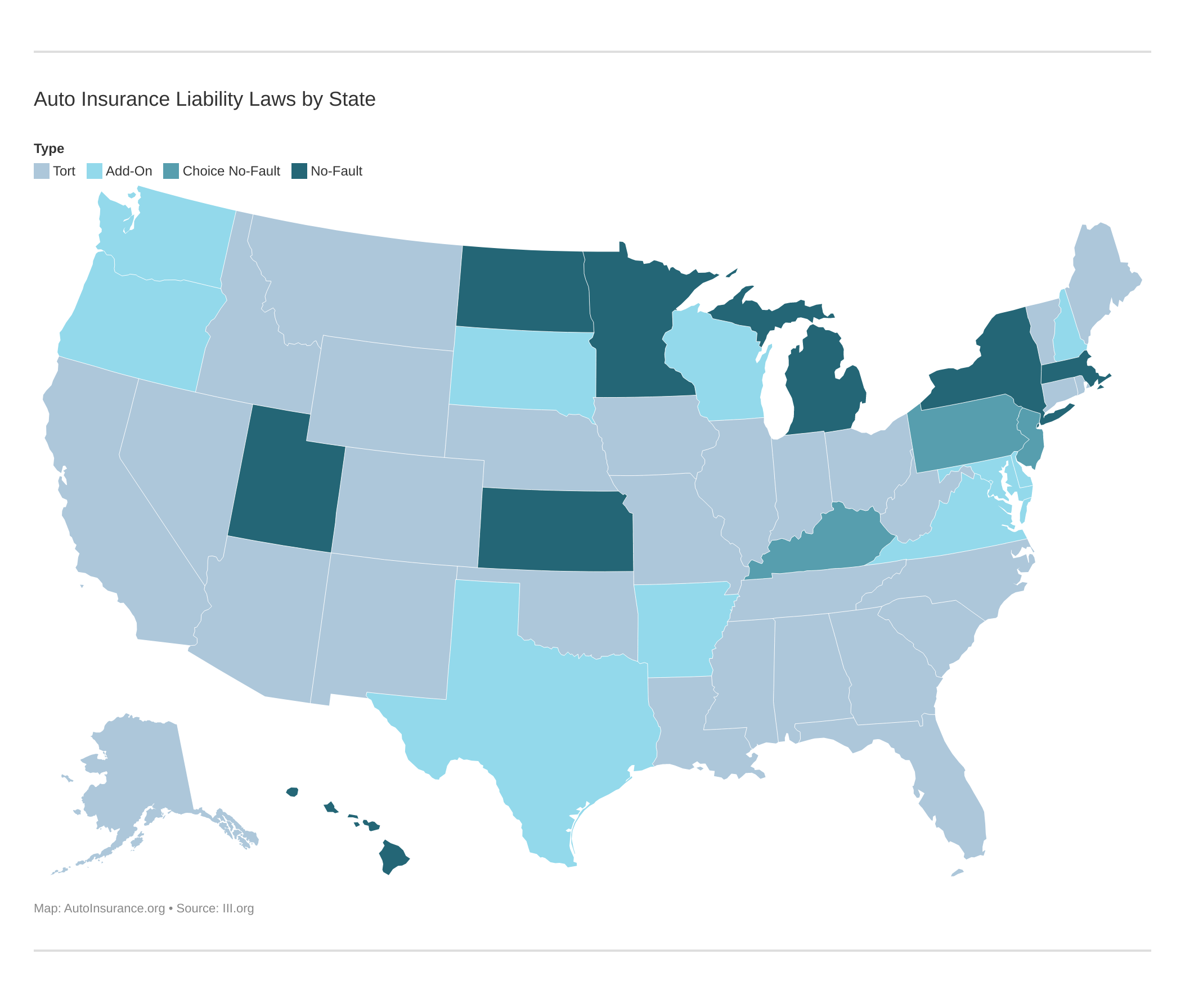
Wisconsin operates under a traditional fault-based tort system for motor vehicle accidents. Unlike no-fault states where injured parties turn immediately to their own insurers regardless of who caused the crash, Wisconsin law dictates that the driver at fault—and consequently their insurance provider—bears financial responsibility for resulting injuries, property damage, and other losses. This system makes carrying reliable, robust liability coverage a critical legal and financial safeguard for every motorist on the road.
To legally operate a motor vehicle on public roadways in the state, vehicle owners and primary drivers must purchase and maintain mandatory liability insurance policies that meet or exceed specific statutory minimum limits. Driving without this required coverage exposes motorists to immediate administrative sanctions, monetary fines, and personal liability for any damages caused during an accident.
Furthermore, Wisconsin statutes require continuous insurance maintenance. Letting a policy lapse, even for a short period while the vehicle is parked or temporarily out of service, can trigger enforcement actions by state monitoring systems unless official notification of cancellation or storage is properly filed.
Mandatory Liability Limits
The state legislature establishes baseline coverage thresholds that every auto insurance policy issued in Wisconsin must satisfy. As detailed in the state statutes, these minimum limits are commonly expressed as three figures representing bodily injury protection per person, total bodily injury protection per accident, and property damage liability per accident.
- Bodily Injury Liability Per Person: A minimum of $25,000 to cover medical expenses, rehabilitation, lost wages, and pain and suffering for a single individual injured in an accident caused by the policyholder.
- Bodily Injury Liability Per Accident: A minimum of $50,000 total pool available for all injured parties combined when a single accident involves multiple victims.
- Property Damage Liability Per Accident: A minimum of $10,000 to pay for repairs or replacement of another person's vehicle, public infrastructure, or private property damaged by the insured driver.
While these statutory figures represent the absolute legal minimum required to register and drive a vehicle, insurance professionals and legal advisors routinely recommend purchasing higher limits. A single serious collision can easily exceed $50,000 in medical bills and vehicle replacement costs, leaving the at-fault driver personally responsible for any financial judgment exceeding their policy limits.
Proof of Insurance Mandates
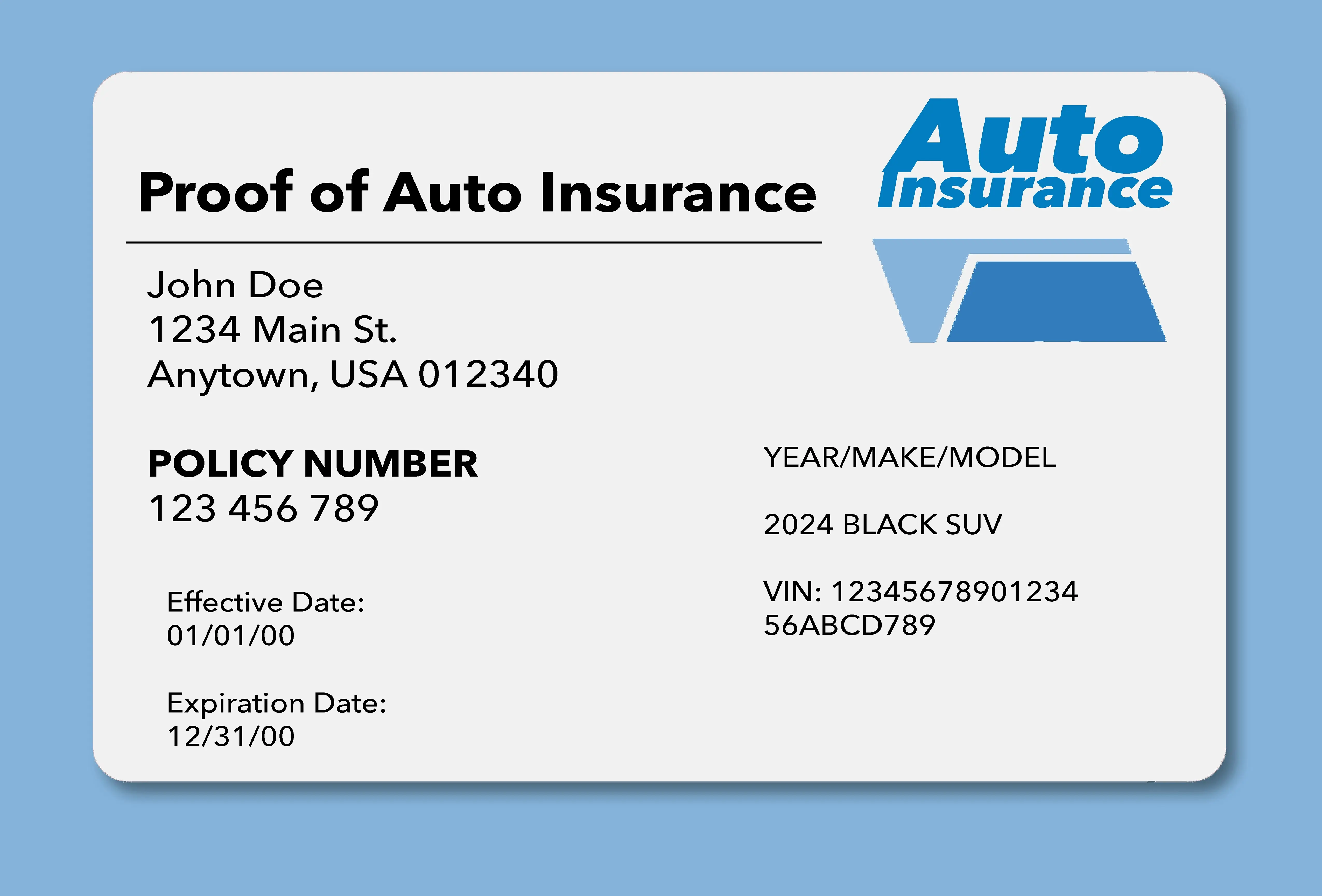
Wisconsin law mandates that proof of insurance must be presented upon request by law enforcement officers during traffic stops, routine checks, or immediately following any reportable motor vehicle accident. Drivers may present this proof in either traditional paper format or via acceptable electronic devices, such as a smartphone displaying an official digital insurance identification card issued by their provider.
Failure to provide valid proof of insurance when requested can result in citations, fines, and mandatory follow-up verification with the Wisconsin Department of Transportation. Law enforcement agencies utilize electronic verification tools and database queries to cross-reference active policy statuses, minimizing the prevalence of uninsured motorists on state highways.
Uninsured and Underinsured Motorist Coverage
Despite mandatory liability laws, a percentage of motorists drive without valid insurance. To protect responsible drivers from bearing the financial burden of collisions caused by uninsured or inadequately insured parties, Wisconsin law mandates specific additions to standard auto policies.
Uninsured Motorist (UM) Coverage
Wisconsin insurance statutes require every auto policy to include Uninsured Motorist coverage. This specific protection pays for bodily injury damages sustained by the policyholder, resident family members, and vehicle passengers when they are injured in a crash caused by a driver who carries no liability insurance at all, or by a verified hit-and-run driver.
The mandatory minimum limits for Uninsured Motorist bodily injury coverage in Wisconsin are:
- $25,000 for injury to any one person in an accident.
- $50,000 for injuries to two or more people in a single accident.
Policyholders retain the legal right to purchase higher UM limits to ensure comprehensive personal protection in the event of severe injuries caused by financially irresponsible motorists.
Underinsured Motorist (UIM) Coverage
Unlike UM coverage, Underinsured Motorist coverage is not automatically mandatory at high limits under standard baseline laws, but insurers must offer it, and policyholders must consciously elect or reject it in writing. UIM coverage steps in when an at-fault driver has liability insurance, but their policy limits are too low to fully cover the medical bills and related damages of the injured victim.
Purchasing robust UIM coverage bridges the gap between the negligent driver's meager policy maximums and the actual costs required for complete medical recovery and loss compensation.
Comparison of Wisconsin Auto Insurance Coverage Types
To navigate the insurance market effectively, drivers should understand the distinctions between mandatory baseline protections and optional physical damage coverages.
| Coverage Type | Legal Status in Wisconsin | Primary Purpose | What It Protects |
|---|---|---|---|
| Bodily Injury Liability | Mandatory | Pays for injuries caused to others | Third-party medical bills, lost wages, and legal fees |
| Property Damage Liability | Mandatory | Pays for property damage caused to others | Other drivers' vehicles, guardrails, buildings, and structures |
| Uninsured Motorist (UM) | Mandatory | Protects against uninsured at-fault drivers | Your medical expenses and injuries from uninsured or hit-and-run drivers |
| Underinsured Motorist (UIM) | Required to be offered | Covers gaps when at-fault limits are too low | Additional injury costs exceeding the negligent driver's policy limits |
| Collision Coverage | Optional (often required by lenders) | Pays for damage to your own vehicle | Repairs or replacement of your car after a crash, regardless of fault |
| Comprehensive Coverage | Optional (often required by lenders) | Protects against non-collision incidents | Theft, fire, vandalism, animal strikes, weather, and falling objects |
Penalties for Driving Without Insurance
Operating a motor vehicle without complying with Wisconsin auto insurance laws carries strict administrative penalties and financial liabilities. The state enforces these rules to maintain highway safety and ensure that accident victims have access to recourse.
When law enforcement or the Department of Transportation discovers that a driver was operating without valid insurance, or if a driver fails to provide proof following an accident report, several penalties apply:
- Monetary Fines: Drivers caught without insurance face court-issued forfeitures and fines, often ranging upwards of $500, plus additional administrative court costs.
- License and Registration Suspension: The state can suspend the vehicle registration, driving privileges, or driver's license of uninsured motorists until they provide proof of future financial responsibility.
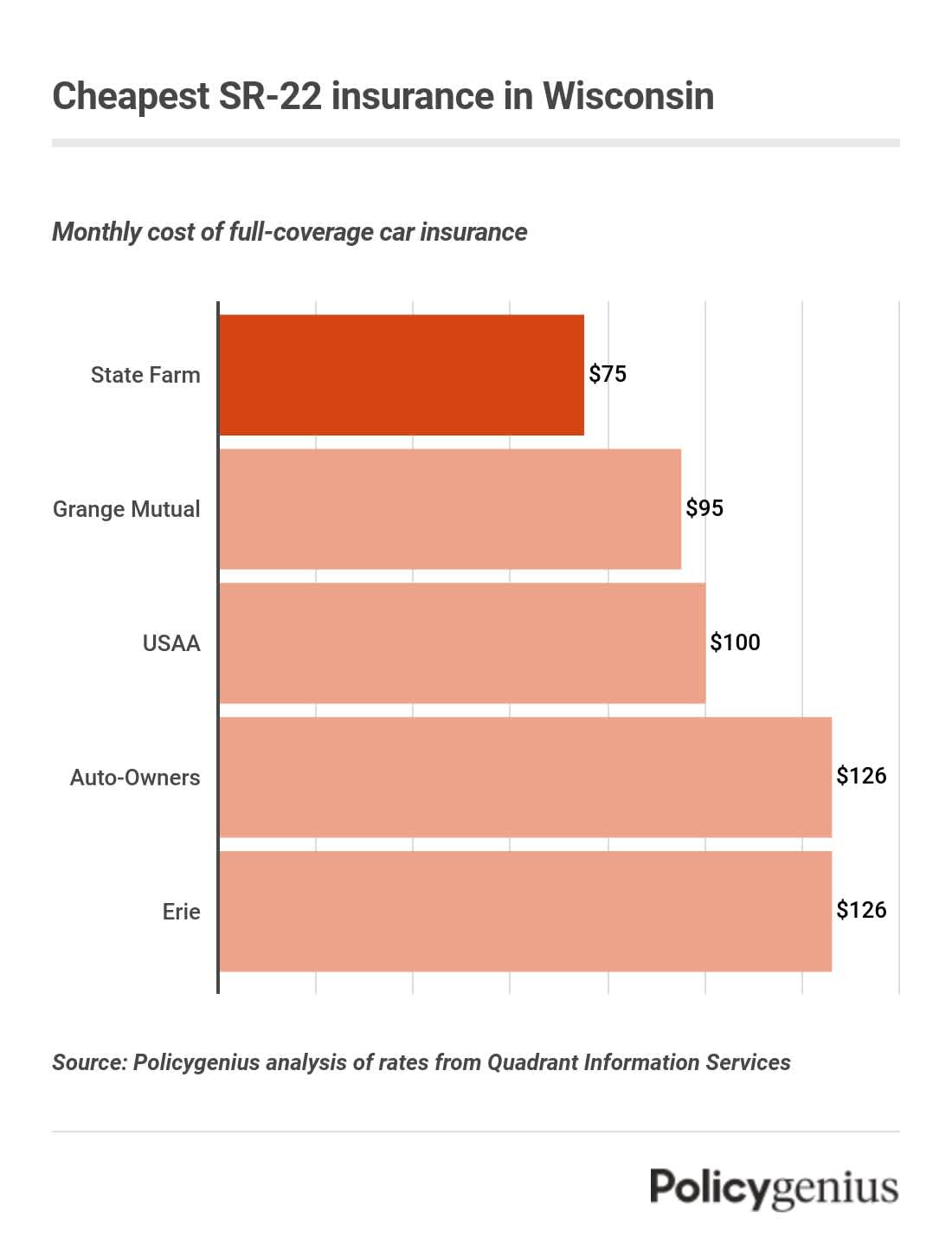
- SR-22 Filing Requirement: Individuals caught driving uninsured or involved in uninsured accidents may be required to file an SR-22 form (Certificate of Financial Responsibility) with the state for a mandatory period, usually three years. This document forces insurance providers to notify the state immediately if the policy lapses or cancels, leading to immediate license revocation.
- Personal Financial Liability: Beyond state fines, an uninsured driver remains personally liable for all property damage and medical costs resulting from an accident they caused, which can lead to wage garnishment, asset seizure, or civil judgments.
At-Fault Rules, Comparative Negligence, and Claims
Because Wisconsin follows a fault-based tort system, determining liability is the central mechanism for resolving insurance claims after a motor vehicle accident. Insurance adjusters, investigators, and courts examine police reports, witness statements, physical evidence, and traffic laws to establish fault percentages.
Wisconsin applies a modified comparative negligence rule under state statute (Wis. Stat. § 895.045). Under this legal doctrine, an injured party can recover damages from another negligent party only if their own assigned share of fault is not greater than 50%.
Furthermore, if an injured driver is found partially at fault—for example, 20% responsible for speeding while the other driver ran a red light—their total financial recovery award is reduced proportionally by their percentage of fault. If a court or insurer determines a claimant is 51% or more at fault for the collision, they are barred entirely from recovering damages from the other driver.
Statute of Limitations for Claims
Navigating insurance claims and legal actions requires strict adherence to statutory time limits. In Wisconsin, the statute of limitations for filing a personal injury lawsuit resulting from a motor vehicle accident is generally three years from the date of the accident (Wis. Stat. § 893.54). For property damage claims, the limit is typically six years (Wis. Stat. § 893.52). Failing to settle an insurance claim or file a formal lawsuit within these prescribed windows permanently forfeits the right to seek legal compensation.
Frequently Asked Questions About Wisconsin Auto Insurance Laws
What is the minimum auto insurance required in Wisconsin?
Wisconsin requires minimum liability limits of $25,000 for bodily injury per person, $50,000 for total bodily injury per accident, and $10,000 for property damage per accident. Additionally, drivers must carry Uninsured Motorist bodily injury coverage of at least $25,000 per person and $50,000 per accident.
Can I show proof of insurance digitally in Wisconsin?
Yes. Wisconsin law permits drivers to display proof of insurance on a smartphone or other electronic mobile device during traffic stops or accident investigations.
What happens if I am in an accident with an uninsured driver?
If an uninsured driver causes an accident, you can file a claim through your own Uninsured Motorist (UM) coverage, which is mandatory on all Wisconsin policies. Your UM coverage handles your bodily injury expenses up to your policy limits. For vehicle damage, you would rely on your own optional collision coverage if you purchased it.
How does Wisconsin's comparative negligence law affect my insurance claim?
If you are involved in an accident, your compensation can be reduced by your percentage of fault. Under Wisconsin's modified comparative negligence rule, you can recover damages only if your share of fault is 50% or less. If you are 51% or more at fault, you cannot recover damages from the other party.
Do I need to purchase collision and comprehensive insurance in Wisconsin?
Collision and comprehensive coverages are not legally required by the state of Wisconsin. However, if you are financing or leasing your vehicle, your lender or leasing company will almost certainly contractually require you to maintain both types of physical damage coverage until the loan is fully paid off.
What is an SR-22 and when is it required?
An SR-22 is a certificate of financial responsibility that proves you carry the state's minimum liability insurance. Wisconsin courts or the Department of Transportation may require you to file an SR-22 for a multi-year period following serious driving offenses, major traffic violations, or driving without insurance.
Conclusion and Next Actions
Ensuring compliance with Wisconsin auto insurance laws protects you from costly legal penalties, administrative license suspensions, and devastating personal financial liabilities. Review your current insurance declarations page today to verify that your liability limits exceed the state minimums and that you carry adequate Uninsured and Underinsured Motorist protections. If your policy falls short of these recommended safety thresholds, contact a licensed insurance professional or your current provider immediately to update your coverage and drive with complete legal and financial peace of mind.
Image Gallery