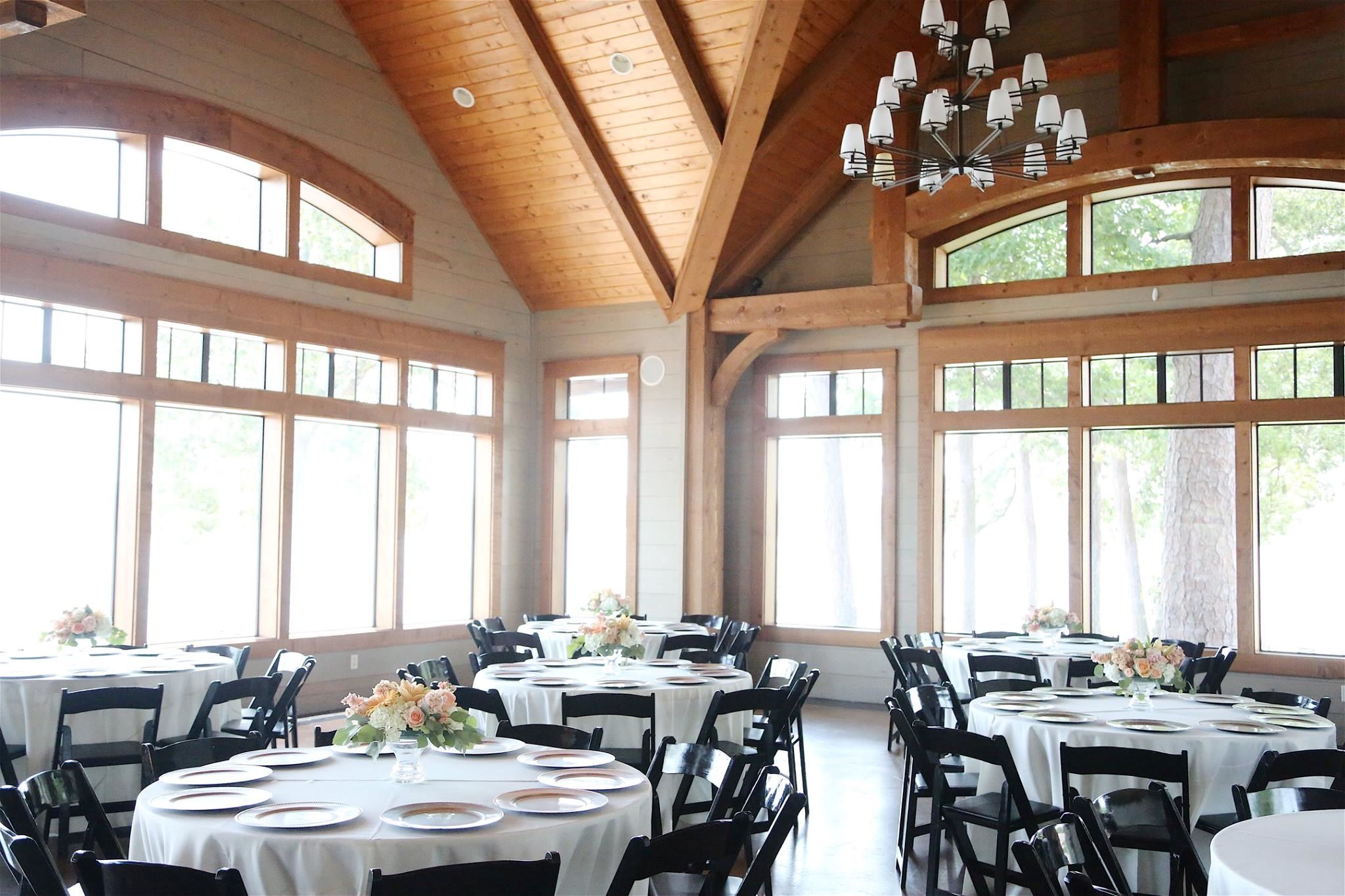
Understanding the Legacy and Context of the Lake Tyler Petroleum Club
The Lake Tyler Petroleum Club represents a notable intersection of local history, social gathering, and regional industry culture in East Texas, serving as a landmark tied to the heritage of petroleum development and community life aro...
The Lake Tyler Petroleum Club represents a notable intersection of local history, social gathering, and regional industry culture in East Texas, serving as a landmark tied to the heritage of petroleum development and community life around Lake Tyler.
Contents
The Lake Tyler Petroleum Club is a historical and geographical reference point in East Texas, historically associated with social gatherings, industry networking, and waterfront events linked to the region's prominent oil and gas heritage. While specific operational statuses and physical structures can evolve over time, the name evokes the mid-century boom era when petroleum executives, local professionals, and community members converged on the shores of Lake Tyler for recreation and business networking.
Understanding the context of the Lake Tyler Petroleum Club requires examining its historical roots, its physical setting near Tyler, Texas, and the broader socioeconomic impact of the petroleum industry on local real estate and social institutions.
Historical Context of the East Texas Petroleum Culture
To understand why a venue like a petroleum club would exist on the shores of Lake Tyler, one must examine the profound impact of the East Texas oil field discovery in 1930. The massive oil boom transformed Tyler and surrounding Smith County from a quiet agricultural market into a bustling hub of commerce, engineering, and corporate headquarters.
During the mid-20th century, industry associations and private clubs played a central role in business transactions. Petroleum clubs were established in major energy hubs—such as Houston, Dallas, Midland, and Tyler—to provide private dining, meeting spaces, and networking environments for geologists, landmen, independent operators, and investors.
- Networking and Deal-Making: In an era before instantaneous digital communication, physical clubs served as the primary boardrooms away from the office where handshake agreements and geological insights were exchanged.
- Corporate Hospitality: Companies utilized these facilities to entertain visiting executives, regulatory officials, and financial partners.
- Community Integration: Petroleum clubs often anchored local philanthropy and civic leadership, as the leaders of the oil boom reinvested their capital into regional infrastructure, education, and social amenities.
Geographical Setting and the Lake Tyler Environment
Lake Tyler and Lake Tyler East form a major municipal water reservoir and recreational focal point situated roughly 12 miles east of downtown Tyler, Texas. Constructed in the late 1940s and expanded in the 1960s, the lake system covers thousands of acres and provides both municipal water supply and extensive recreational opportunities, including boating, fishing, and lakeside residential development.
The proximity of Lake Tyler to the active oil plays of East Texas made its shoreline an attractive location for private retreats, executive homes, and social clubs. Waterfront properties along the lake historically attracted successful professionals from the petroleum, medical, and legal sectors based in Tyler.
- Waterfront Accessibility: The lake's irregular shoreline features numerous coves and peninsulas, ideal for private clubs and marinas requiring boat docks and scenic vistas.
- Regional Proximity: Its short driving distance from Tyler allowed business leaders to transition quickly from downtown office towers to lakeside leisure.
- Evolving Land Use: Over the decades, areas surrounding Lake Tyler have shifted from industrial and private club retreats toward suburban residential neighborhoods, public parks, and commercial marinas.
Evolution of Private Petroleum Clubs in Texas
The trajectory of the Lake Tyler Petroleum Club mirrors a broader national and regional trend regarding the evolution of private social and business clubs. Across the United States, traditional industry-specific clubs have faced shifting economic models, changing generational preferences in networking, and the decentralization of corporate offices.
In major cities, many historic petroleum clubs have either closed, merged with broader business clubs, or transitioned into public event venues. In smaller regional hubs like Tyler, facilities once dedicated exclusively to industry insiders have frequently transitioned through various ownership phases, becoming private residences, boutique hospitality venues, or event centers catering to weddings and community functions.
Comparative Evolution of Regional Industry Clubs
| Club Type / Era | Primary Function | Membership Criteria | Modern Status |
|---|---|---|---|
| Mid-Century Petroleum Club | Exclusive business deals, private dining, executive networking | Industry executives, independent operators, professionals | Frequently transitioned to public event spaces, private residences, or closed |
| Modern Business Lounge | Flexible workspace, digital connectivity, casual networking | Open corporate tiers, entrepreneurs, remote professionals | Integrated into boutique hotels, co-working spaces, and urban centers |
| Lakeside Recreational Venue | Waterfront leisure, social galas, community gatherings | Local residents, event clients, private members | Operated as commercial marinas, event halls, or private estates |
Real Estate and Land Use Implications
The real estate footprint surrounding Lake Tyler is governed by strict municipal guidelines managed by the City of Tyler, as the lake serves as a primary municipal drinking water source. Consequently, commercial development, shoreline modification, and septic or sewage standards are heavily regulated to protect water quality.
When historical commercial or club properties along Lake Tyler change hands, buyers and developers must navigate complex zoning laws, lease agreements with the city (as the city owns significant portions of the surrounding shoreline buffer), and environmental protection mandates.
- City Leases: Portions of land immediately surrounding Lake Tyler are subject to City of Tyler lease agreements for docks, bulkheads, and shoreline maintenance.
- Environmental Compliance: Strict regulations prohibit hazardous runoff, requiring upgraded wastewater management for any commercial or high-density hospitality venue operating near the water.
- Property Valuations: Waterfront parcels in Smith County, particularly those with deep-water access or historical structures, command significant market interest from residential developers and custom homebuilders.
Frequently Asked Questions
What was the original purpose of the Lake Tyler Petroleum Club?
The venue historically served as a private social and networking club for individuals involved in the East Texas oil and gas industry, offering dining, meeting facilities, and recreational access along the shores of Lake Tyler.
Is the Lake Tyler Petroleum Club currently open to the public?
Operational statuses for specific historical club properties change frequently. Many former private petroleum facilities in the region have transitioned into private ownership, event venues, or residential properties rather than functioning as active private clubs.
Where is Lake Tyler located in relation to Tyler, Texas?
Lake Tyler and Lake Tyler East are located approximately 12 miles east of downtown Tyler, accessible primarily via Texas State Highway 64 and surrounding county roads.
How does the City of Tyler regulate property development around Lake Tyler?
Because Lake Tyler functions as a municipal water supply reservoir, the City of Tyler enforces strict watershed protection ordinances, shoreline lease rules, and environmental compliance standards for all surrounding real estate.
Are there other historical petroleum clubs in Texas?
Yes. Prominent historic petroleum clubs were established in major energy centers such as Houston, Dallas, Fort Worth, Midland, and Beaumont, many of which have adapted to modern economic conditions by altering their membership models or venue functions.
Next Steps for Researchers and Visitors
For those researching the local history of Tyler, Texas, or investigating property records around Lake Tyler, consulting local archives at the Tyler Public Library, Smith County historical records, or municipal planning departments will yield the most accurate, property-specific documentation. Visitors interested in recreational activities at the lake should review current City of Tyler parks and recreation guidelines regarding public boat ramps, fishing regulations, and shoreline use permits.
Image Gallery