RaceTrac Distribution Center: Operations, Supply Chain Network, and Facilities Overview
A RaceTrac distribution center functions as a centralized supply chain hub responsible for managing inventory, bulk storage, and regional freight dispatch to support hundreds of convenience store locations across the southeastern Unite...
A RaceTrac distribution center functions as a centralized supply chain hub responsible for managing inventory, bulk storage, and regional freight dispatch to support hundreds of convenience store locations across the southeastern United States. These facilities integrate advanced warehouse management systems with temperature-controlled logistics to ensure consistent fuel, food service, and retail product availability.
Contents
Understanding the RaceTrac Supply Chain Framework
The operational backbone of RaceTrac relies heavily on the seamless coordination between corporate procurement, regional distribution facilities, and individual retail storefronts. Unlike traditional grocery supply chains, convenience store logistics require high-frequency, smaller-batch deliveries encompassing high-margin foodservice items, fresh pastry goods, packaged snacks, and automotive necessities.
Supply chain strategies within this network focus heavily on cross-docking efficiencies and reducing lead times. Inventory moves rapidly from manufacturer freight trucks through the distribution node directly onto route delivery vehicles. This velocity prevents inventory stagnation, particularly for perishable items designated for the company's proprietary fresh food programs.
Core Functions of the Distribution Network
- Inventory Consolidation: Receiving bulk shipments from national manufacturers and breaking them down into store-ready allocations.
- Temperature-Controlled Storage: Maintaining dedicated ambient, refrigerated, and frozen zones to preserve perishable cold-vault inventory.
- Reverse Logistics Management: Processing vendor returns, damaged goods, and recycling materials returned from retail locations.
- Fleet Routing and Dispatch: Optimizing delivery schedules to minimize fuel consumption and meet strict store replenishment windows.
Facility Infrastructure and Technical Specifications
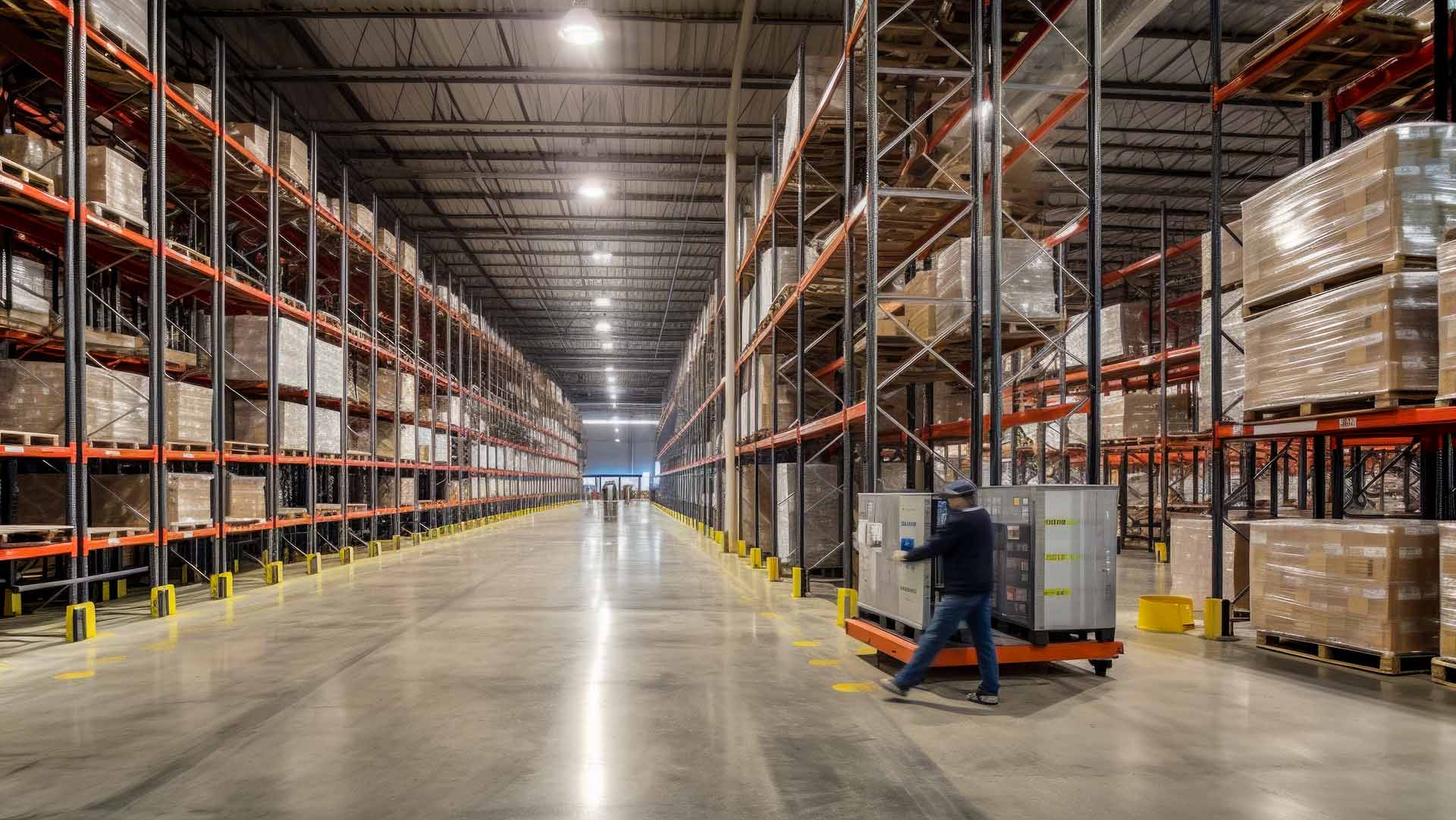
A modern RaceTrac distribution center incorporates robust infrastructural design to handle high-throughput material handling. These buildings span hundreds of thousands of square feet, partitioned into distinct climatic zones to safeguard product integrity.
The integration of Warehouse Management Software (WMS) allows facility managers to track stock levels down to the exact shelf location using barcode scanning and RFID technology. Automated conveyor systems, high-reach fork trucks, and voice-picking technology minimize human error during the order assembly process.
Facility Environmental Zones
| Zone Classification | Temperature Range | Primary Inventory Types |
|---|---|---|
| Ambient Storage | 55°F to 85°F (Controlled) | Packaged snacks, automotive fluids, dry goods, paper products |
| Refrigerated Storage | 34°F to 38°F | Dairy, fresh sandwiches, produce, packaged beverages |
| Freezer Storage | -10°F to 0°F | Frozen novelties, breakfast sandwiches, ice cream |
| Secure Hazmat / Tobacco | Climate-Controlled & Locked | Tobacco products, high-value electronics, restricted merchandise |
Logistics Operations and Fleet Management
Executing daily dispatches requires a synchronized fleet of heavy-duty semi-trucks and specialized multi-temperature trailers. Logistics planners utilize algorithmic route optimization to account for traffic patterns, driver Hours of Service (HOS) regulations, and delivery time windows dictated by local municipal ordinances.
Safety compliance remains a top operational priority. Drivers and warehouse personnel adhere strictly to Occupational Safety and Health Administration (OSHA) guidelines, alongside Federal Motor Carrier Safety Administration (FMCSA) regulations regarding commercial vehicle maintenance and pre-trip inspections.
Operational Safety Protocols: Warehouse Safety Compliance: All facility workers must wear high-visibility vests, steel-toe footwear, and mandated personal protective equipment while operating industrial lift trucks or navigating loading dock bays. Fleet Maintenance Standards: Commercial transport vehicles undergo rigorous weekly mechanical diagnostics to prevent en-route failures and ensure supply chain continuity across all serviced regions.
Technological Integration in Warehouse Management
Efficiency within a RaceTrac distribution center relies heavily on modern warehouse execution software (WES) that synchronizes order data from retail point-of-sale systems with warehouse picking queues. Predictive analytics tools analyze historical purchasing data, seasonal weather trends, and local promotional events to forecast inventory demands accurately.
Order pickers utilize wearable wrist-mounted computers and headset-based voice direction systems. This hands-free configuration allows operators to move faster through warehouse aisles, confirming item picks verbally and reducing the physical strain associated with clipboard-based picking methods.
Economic and Regional Impact
Distribution facilities serve as major economic anchors within their host municipalities. Beyond direct employment for warehouse associates, logistics coordinators, and fleet mechanics, these facilities generate secondary economic activity through fuel consumption, equipment maintenance contracts, and local property taxes.
Strategic placement of distribution nodes helps minimize overall carbon emissions by shortening the transit distance between the warehouse and the furthest retail outlet. This regional decentralization supports corporate sustainability initiatives while maintaining high on-shelf availability for store guests.
Frequently Asked Questions
What types of products are stored in a RaceTrac distribution center?
These facilities store a wide variety of convenience store merchandise, including packaged snacks, beverages, tobacco products, automotive supplies, and temperature-controlled fresh food items. Bulk items are consolidated and redistributed to support daily store operations.
How does the supply chain handle perishable fresh food items?
Perishable goods are stored in specialized refrigerated or frozen zones within the warehouse and loaded into multi-temperature delivery trucks to maintain the cold chain from the facility to the retail storefront.
Are RaceTrac distribution centers open to the general public?
No, these facilities operate exclusively as B2B supply chain hubs, handling wholesale inventory storage, freight management, and distribution logistics for corporate retail stores.
What technology is used to track inventory inside the warehouse?
Facilities utilize advanced Warehouse Management Systems (WMS) paired with barcode scanners, automated conveyor systems, and voice-directed picking technology to maintain real-time inventory accuracy.
How are delivery routes optimized for store replenishment?
Logistics planners use specialized routing software that calculates the most efficient delivery sequences based on store location, order volume, traffic forecasts, and driver compliance regulations.
Strategic Outlook and Operational Resilience
Maintaining a resilient supply network requires continuous adaptation to shifting consumer demands, labor market dynamics, and technological advancements. RaceTrac distribution centers continue to prioritize scalable infrastructure, automated material handling solutions, and data-driven inventory management. By focusing on precision logistics, workforce safety, and technological integration, these facilities ensure that retail stores remain consistently stocked with the quality products and food service options customers expect.
Image Gallery