Understanding US Post Office Timing and Operational Hours
The United States Postal Service (USPS) operates on a decentralized scheduling model where post office timing is determined by local demand, operational logistics, and regional processing requirements. While standardized window hours o...
The United States Postal Service (USPS) operates on a decentralized scheduling model where post office timing is determined by local demand, operational logistics, and regional processing requirements. While standardized window hours often exist for retail services in urban areas, there is no single national closing time for all facilities. Customers should verify specific location hours via the official USPS Facility Locator tool or the mobile application to avoid arriving during non-operational periods.
Contents
The Logic Behind USPS Operational Schedules
The USPS functions as an independent agency of the executive branch of the United States federal government, tasked with universal service obligations. Because of this mandate, its operational footprint is massive, covering thousands of zip codes with vastly different population densities. Consequently, post office timing is not dictated by a rigid federal statute, but rather by operational efficiency and local postmaster assessments.
Retail window hours—the times when a clerk is available to accept packages, sell stamps, or process passport applications—are distinct from lobby hours. In many locations, the lobby remains accessible 24/7 for P.O. Box holders, even if the retail counter is shuttered. Understanding the difference between these two service tiers is the most common point of confusion for postal patrons.
Factors Influencing Retail Window Hours
Several operational constraints dictate when a specific branch will close its doors to the public. These factors are reviewed periodically by district management to balance service quality with budgetary constraints.
- Location Density: Urban post offices in high-traffic corridors often maintain standardized hours (e.g., 9:00 AM to 5:00 PM) to accommodate professional commuters. Conversely, rural offices may operate on reduced "split shifts," opening for a few hours in the morning and closing for lunch, or operating on a shortened total workday to optimize labor costs.
- Mail Processing Deadlines: The "collection time" printed on a blue collection box or the final acceptance time at a retail counter is tethered to the local distribution center's dispatch schedule. If a facility must finalize its outgoing mail by 4:00 PM to hit the truck for the sorting facility, the retail window often closes at that same time.
- Staffing Availability: Regional labor shortages or local emergency protocols can temporarily alter posted hours. When an office lacks sufficient personnel to cover both retail window duties and back-office sorting, management may prioritize sorting to ensure that incoming mail delivery schedules are not delayed.
- Federal Holidays: As a government agency, the USPS observes all federal holidays. On these days, regular mail delivery is suspended, and retail lobbies are closed, with few exceptions for Priority Mail Express services in high-volume metropolitan hubs.
How to Verify Timing for Your Specific Location
Rather than relying on general search engine results, which may be outdated or based on cached data, utilize official USPS resources. In 2026, the digital infrastructure provided by the USPS remains the most accurate source of truth for scheduling.
- USPS Facility Locator: Access the official USPS website and input your zip code or city. This tool provides granular detail for each branch, including:
- Retail hours for the current day.
- Self-service kiosk availability (which can often process standard mailings even when the counter is closed).
- Last collection times for the day.
- Passport appointment availability.
- The USPS Mobile Application: For mobile users, the official app provides push notifications for service alerts, which may include emergency office closures due to weather or technical outages.
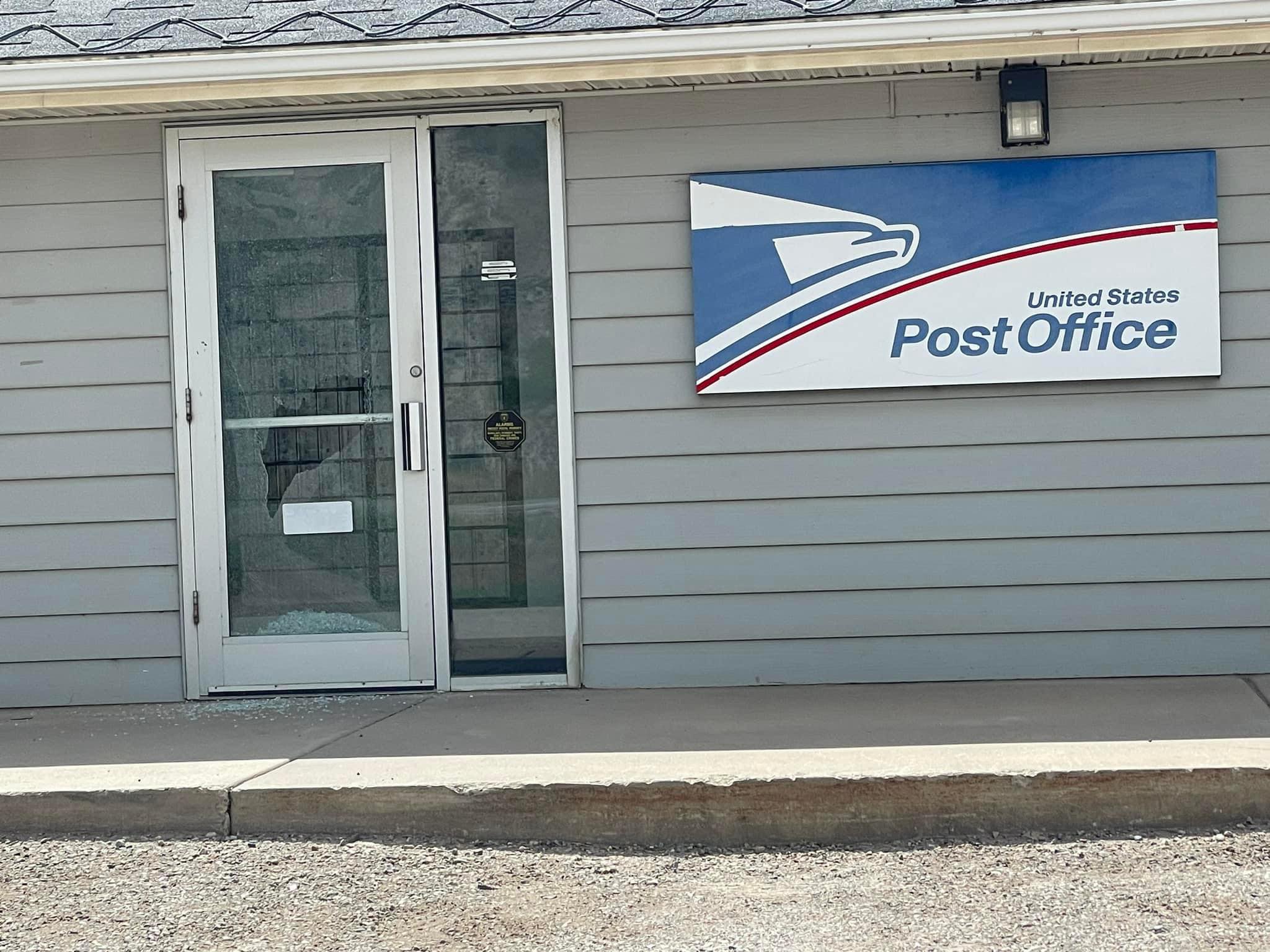
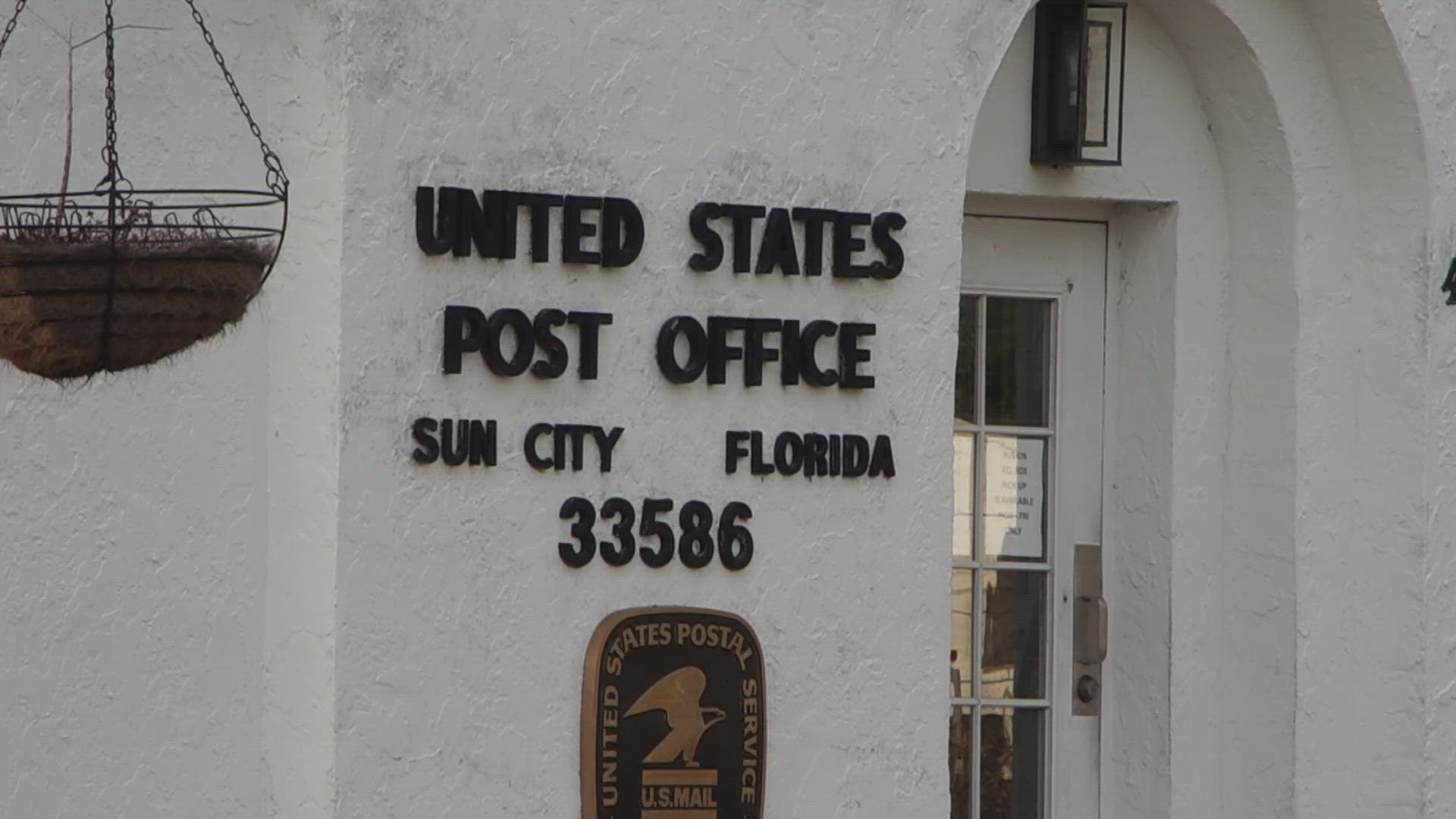
- Physical Signage: Every USPS facility is legally required to post its retail window hours on the entrance door. If you are already at a location and the door is locked, check the posted schedule. If the hours are contradicted by an official online status, the signage on the door typically reflects the most immediate operational reality.
Comparing Service Access Points
Not all locations marked as "Post Office" offer the same services or operate on the same timeline. Differentiating between a Main Post Office and a Contract Postal Unit (CPU) is essential for effective planning.
| Facility Type | Service Scope | Typical Hours |
|---|---|---|
| Main Post Office | Full retail, P.O. Boxes, Passport, PO Box access | Consistent, standard business hours |
| Contract Postal Unit | Limited retail (stamps, shipping) | Matches host business hours (e.g., grocery store) |
| Self-Service Kiosk | Label printing, weighing, postage | Often available 24/7 in lobby |
| Village Post Office | Basic drop-off/pickup | Varies significantly by location |
Common Challenges and Troubleshooting
If you encounter issues regarding post office timing, it is important to address them through the correct channels to avoid wasted trips.
Addressing Discrepancies If the online tool indicates that a branch is open, but you arrive to find it closed, first check for a "Notice of Temporary Closure." These are usually posted on the door if the closure is due to unexpected staffing shortages or facility maintenance. If no notice is present, verify if the date is a federal holiday.
The "Last Collection" Misconception Many customers confuse the closing time of the retail lobby with the last collection time for mail. If you drop a package in the lobby bin after the posted "Last Collection" time, it will not be processed until the following business day. Always check the sign directly above the collection bin or the specific drop-off slot for the authoritative cutoff time.
Self-Service Kiosks as a Backup If you need to ship a package but the retail window is closed, look for a Self-Service Kiosk (SSK). These kiosks are located in the lobbies of many larger offices. They allow users to weigh items, purchase shipping labels, and pay for postage using a credit or debit card. Once the label is printed and attached, you can deposit the package into the designated "Drop Ship" bin. This essentially extends your "post office timing" by several hours beyond the retail window closing.
Frequently Asked Questions
Are all Post Offices closed on Saturdays? No. Many post offices remain open on Saturdays, though they often operate with reduced hours compared to weekdays. Some smaller offices may close at noon, while larger facilities might maintain normal business hours. Always check the Facility Locator for Saturday-specific schedules.
Why does my local post office close for lunch? In smaller rural communities, a single postmaster or clerk may be responsible for all operations. Under these conditions, the office must close for a lunch break as there is no secondary staff to cover the window. This is a common and standard practice in low-volume, single-staffed locations.
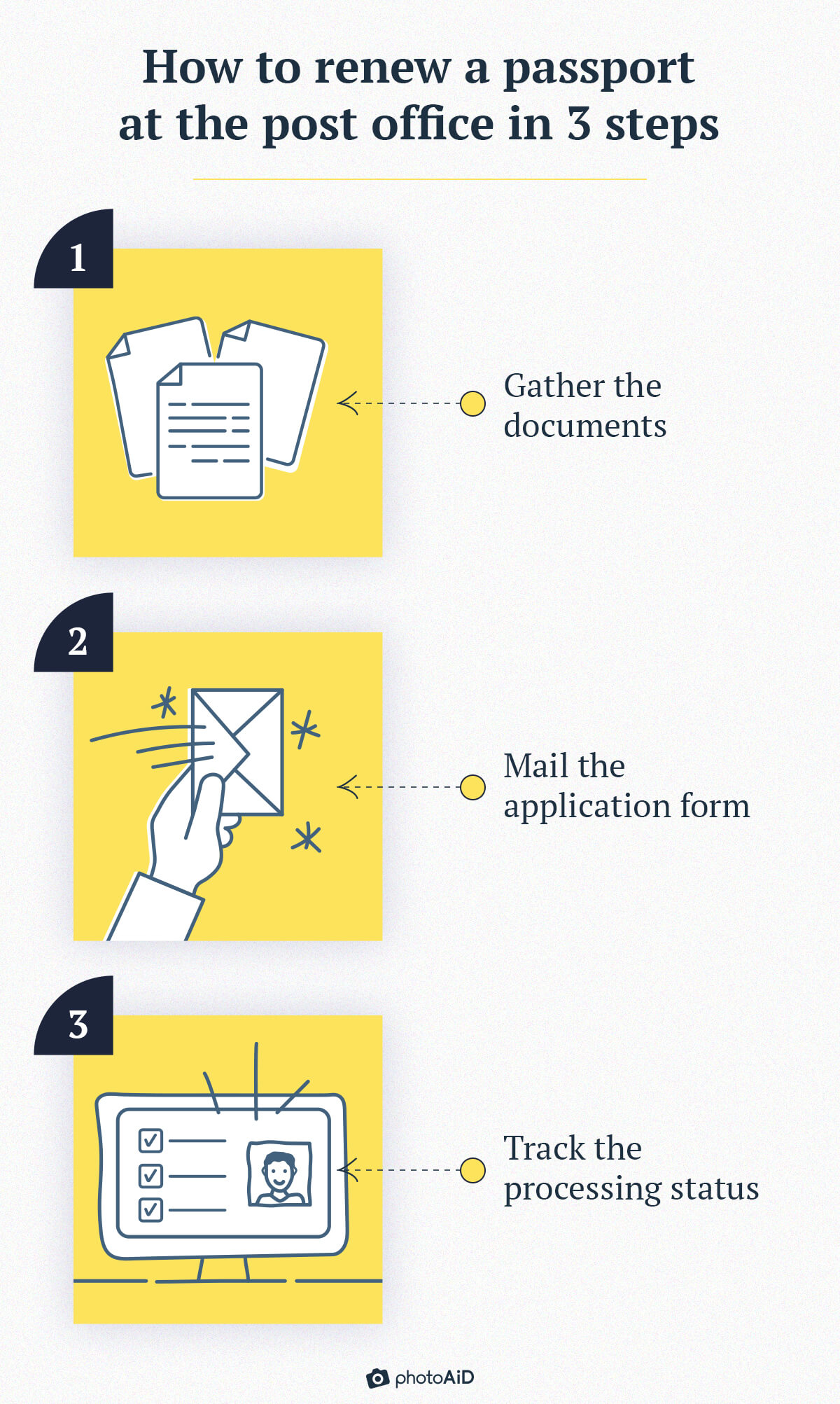
Can I get passport services outside of regular hours? Generally, no. Passport applications require an in-person acceptance agent, which is a specialized task. These appointments are almost exclusively handled during standard retail window hours. You should book your appointment well in advance through the official USPS scheduling system to ensure a clerk is available.
Does a "Holiday" mean no mail is delivered at all? On federal holidays, standard mail delivery (First-Class Mail, Standard Mail) is paused. However, Priority Mail Express is a 365-day service and may still be delivered depending on the specific holiday and local courier capacity. Retail windows will always be closed on these days.
How do I report an incorrect schedule online? If you notice that a post office’s online hours are consistently inaccurate, you can provide feedback via the "Contact Us" section on the USPS website. This information is funneled to district managers who are responsible for maintaining data accuracy for their specific service areas.
Recommendation for Success
To ensure your interaction with the postal service is seamless, perform a "pre-flight check" by visiting the USPS Facility Locator one hour before your departure. If you are shipping time-sensitive documents or packages, aim to arrive at the facility at least 30 minutes before the stated last collection time to account for unforeseen queues or technical delays at the counter. For recurring needs, such as frequent package drop-offs, observe the patterns of your local branch during your first few visits to build a reliable schedule for your shipping needs.
Image Gallery