DUI Checkpoint Riverside: What to Expect and Your Rights in 2026
Navigating a DUI checkpoint in Riverside requires understanding California vehicle codes, law enforcement procedures, and your constitutional rights under both the United States and California Constitutions. Sobriety checkpoints deploy...
Navigating a DUI checkpoint in Riverside requires understanding California vehicle codes, law enforcement procedures, and your constitutional rights under both the United States and California Constitutions. Sobriety checkpoints deployed by the Riverside Police Department or the California Highway Patrol (CHP) must adhere to strict legal guidelines to remain constitutional, balancing public safety against individual Fourth Amendment protections.
Contents
Understanding Riverside Sobriety Checkpoints and Legal Framework
Sobriety checkpoints, commonly referred to as DUI checkpoints, are legally sanctioned temporary roadblocks set up by law enforcement agencies to intercept impaired drivers. In Riverside, these operations are typically funded by grants from the California Office of Traffic Safety (OTS) and administered by the Riverside Police Department or Riverside County Sheriff's Department.
For a DUI checkpoint to be legally valid in California, it must satisfy specific constitutional criteria established by both state and federal supreme court rulings, notably Profitt v. State and Ingersoll v. Palmer. Law enforcement cannot randomly select drivers based on arbitrary biases; instead, operations must follow a neutral, systematic plan.
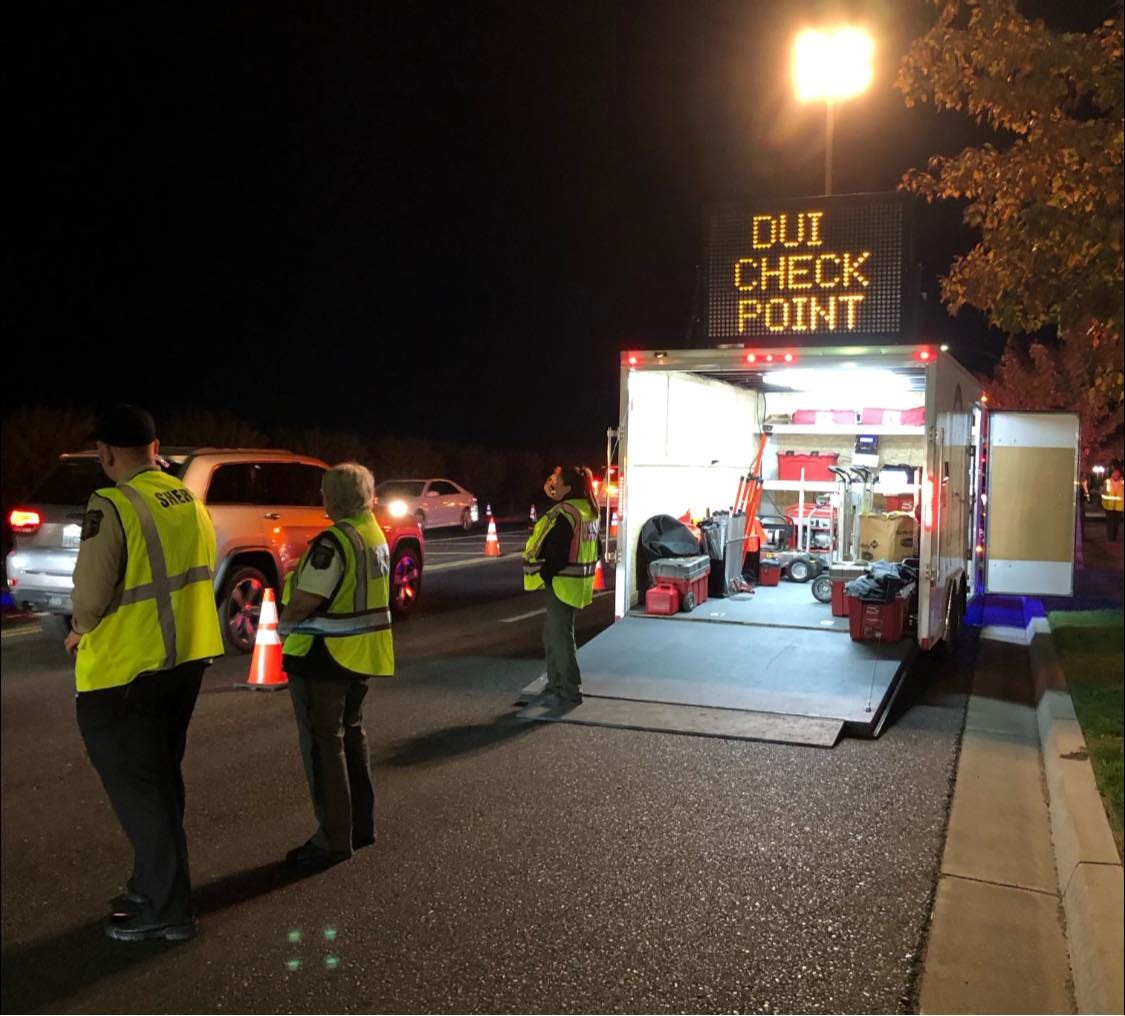
Operational Standards for Law Enforcement Law enforcement agencies operating checkpoints in Riverside must ensure supervisory personnel make all operational decisions, including the timing, location, and formula for stopping vehicles. Furthermore, the public must be given advance notice of the checkpoint, typically through local media releases or social media announcements, to minimize motorist anxiety and maintain transparency.
Key Legal Requirements for Riverside Checkpoints
- Supervisory Authority: Field officers do not have the discretion to set up checkpoints independently; senior officers must approve the operational plan.
- Safety Precautions: Adequate lighting, warning signs, flashing lights, and marked police vehicles must be present to ensure motorist safety.
- Minimal Intrusion: The detention of each driver must be kept as brief as possible unless observable signs of impairment or other violations emerge.
- Neutral Formula: Officers must stop every vehicle or a predetermined mathematical sequence of vehicles, such as every third or fifth car.
The Operational Process at a Riverside DUI Checkpoint
When you approach a DUI checkpoint in Riverside, understanding the standard sequence of events helps prevent misunderstandings and protects your rights. Officers look for objective symptoms of alcohol or drug consumption, such as the odor of alcohol, slurred speech, watery or bloodshot eyes, and erratic behavior.
The interaction generally follows a structured protocol from initial approach to potential field sobriety testing.
- Initial Approach and Stop: You arrive at the checkpoint, guided by cones, flares, and uniformed officers. An officer will signal you to stop your vehicle.
- Brief Contact: The officer will greet you, ask you to lower your window, and observe your demeanor and the interior of the vehicle.
- Document Verification: You will typically be asked to produce your valid driver's license, vehicle registration, and proof of auto insurance.
- Assessment for Impairment: If the officer suspects no impairment, you will be waved through quickly. If indicators of impairment are detected, you will be directed to a secondary screening area.
- Secondary Screening: Officers will conduct preliminary evaluations, which may include standardized field sobriety tests (FSTs) and a preliminary alcohol screening (PAS) breathalyzer test.
Your Constitutional Rights at a Riverside Checkpoint
While law enforcement has the authority to conduct sobriety checkpoints, motorists retain fundamental constitutional rights during the encounter. Knowing these rights prevents unnecessary escalation and ensures you do not inadvertently incriminate yourself.
Drivers are not required to answer questions regarding where they are coming from or where they are going. While you must provide identification, registration, and insurance upon lawful request, you have the right to remain silent regarding self-incriminating details.
Rights and Limitations Summary
| Right / Action | Your Legal Standing | Practical Guidance |
|---|---|---|
| Right to Remain Silent | Protected under the Fifth Amendment. You do not have to answer intrusive interrogation questions. | Politely state that you prefer to remain silent beyond providing required identification and documents. |
| Field Sobriety Tests (FSTs) | Generally voluntary in California (with specific exceptions for those on probation or under 21). | You may politely decline physical coordination tests without immediate legal penalty, though officers may use refusal to justify further detention. |
| PAS Breathalyzer Test | Voluntary prior to a formal DUI arrest (unless under 21 or on DUI probation). | You can legally refuse the preliminary handheld breath test at the roadside without facing DMV license suspension penalties. |
| Chemical Test (Post-Arrest) | Mandatory under California's Implied Consent Law (California Vehicle Code 23612) after a lawful DUI arrest. | Refusing a blood or breath test after being arrested results in mandatory driver's license suspension and heavier court penalties. |
What Happens If You Are Arrested at a Riverside Checkpoint
If field evaluations establish probable cause that you are driving under the influence of alcohol or drugs, officers will place you under arrest. The procedure involves transporting you to a local law enforcement facility or jail, such as the Riverside Police Department or the Robert Presley Detention Center, for chemical testing.
Under California's Implied Consent Law, operating a motor vehicle constitutes your consent to chemical testing of your blood or breath if arrested for a DUI. Choosing a breath test versus a blood test depends on the circumstances, though blood samples are often sent to independent forensics laboratories for analysis.
Following the arrest, you will be served with an administrative suspension order (Form DS 360), which initiates an automatic suspension of your driving privileges by the California Department of Motor Vehicles (DMV) after 30 days unless you request a DMV Administrative Per Se hearing within 10 days of the arrest.
Frequently Asked Questions About Riverside DUI Checkpoints
Are DUI checkpoints legal in Riverside, California?
Yes, DUI checkpoints are legal in Riverside and throughout California, provided they comply with state and federal constitutional standards established by the California Supreme Court and United States Supreme Court. Law enforcement agencies must ensure safety, advance publicity, and neutral selection criteria.
Do I have to answer police questions at a Riverside DUI checkpoint?
You are required by California law to provide your driver's license, vehicle registration, and proof of insurance upon request. However, you have the right to remain silent regarding investigative questions such as where you have been or whether you have consumed alcohol.
Can I legally turn around to avoid a DUI checkpoint in Riverside?
You can legally turn around or make a U-turn to avoid a checkpoint only if you can do so safely and without violating any traffic laws (such as unsafe lane changes or illegal turns). If your avoidance maneuver violates a traffic code, officers have legal grounds to pull you over.
Are preliminary breath tests (PAS) mandatory at checkpoints?
No, the preliminary alcohol screening (PAS) breath test administered at the roadside is voluntary for drivers over 21 who are not on active DUI probation. Refusing the PAS test before arrest does not trigger automatic DMV license suspension penalties.
What is the timeframe to contest a Riverside DUI DMV suspension?
You have exactly 10 calendar days from the date of your DUI arrest to contact the California DMV Driver Safety Office and request an Administrative Per Se hearing. Failing to request this hearing within the 10-day window results in an automatic driver's license suspension.
How does law enforcement announce Riverside DUI checkpoints?
The Riverside Police Department and CHP typically publish press releases detailing the approximate geographic area and operational window of scheduled checkpoints through local news outlets and official social media channels prior to deployment.
Conclusion and Next Steps
Encountering a DUI checkpoint in Riverside requires a calm demeanor, clear understanding of your legal boundaries, and strict compliance with document verification requirements. If you or a loved one has been arrested at a Riverside checkpoint, acting quickly is critical to protect your driving privileges and legal standing. Contact a qualified California DUI defense attorney immediately to navigate both court proceedings and the mandatory DMV administrative hearing process.
Image Gallery