Fact-Checking the Rumors: Is Freddie Mercury Still Alive?
Freddie Mercury, the legendary lead singer of the rock band Queen, is not alive. He passed away on November 24, 1991, at his home in Kensington, London, at the age of 45. His death was officially attributed to bronchial pneumonia resul...
Freddie Mercury, the legendary lead singer of the rock band Queen, is not alive. He passed away on November 24, 1991, at his home in Kensington, London, at the age of 45. His death was officially attributed to bronchial pneumonia resulting from complications of AIDS. Despite persistent internet conspiracy theories and "sightings" that continue to circulate in 2026, these claims lack any factual basis.
Contents
The enduring fascination with Freddie Mercury often leads to the resurgence of "death hoaxes" or survival theories, similar to those surrounding Elvis Presley or Michael Jackson. However, the historical record, medical documentation, and testimonies from those closest to him provide a clear and definitive account of his passing and the subsequent handling of his remains.
The Official Record of Freddie Mercury’s Passing
To understand why the "Freddie Mercury is alive" theory persists, one must first look at the meticulously documented events of late 1991. Mercury’s health had been a subject of intense media speculation for several years prior to his death. Despite his thinning appearance and the band's cessation of touring after 1986, Mercury remained intensely private about his diagnosis.
On November 23, 1991, Mercury issued a formal public statement confirming that he had tested HIV positive and was suffering from AIDS. He explained that he had kept this information private to protect those around him but felt it was time for his fans and friends to know the truth. Less than 24 hours after this announcement, he passed away.
The medical cause of death was bronchial pneumonia, a common opportunistic infection for those with severely compromised immune systems during the height of the HIV/AIDS epidemic. His death was confirmed by his doctor and his long-time partner, Jim Hutton, as well as his close friend Mary Austin and his personal assistant Peter Freestone, all of whom were present at his home, Garden Lodge, during his final days.
Why the "Freddie Mercury is Alive" Theory Persists in 2026
In the year 2026, digital misinformation travels faster than ever. Several factors contribute to the ongoing belief—or the hopeful myth—that Freddie Mercury might have staged his death and moved into a life of seclusion.
The Influence of AI and Deepfake Technology
As of 2026, generative AI has reached a level of sophistication where "new" Freddie Mercury songs and videos are produced daily by fans and creators. High-fidelity voice models can replicate his four-octave range with haunting accuracy. This has led to confusion among casual listeners who encounter "unreleased" tracks on social media, mistakenly believing they are proof of Mercury’s ongoing creative activity in a secret location.
The "Elvis Syndrome" and Celebrity Sightings
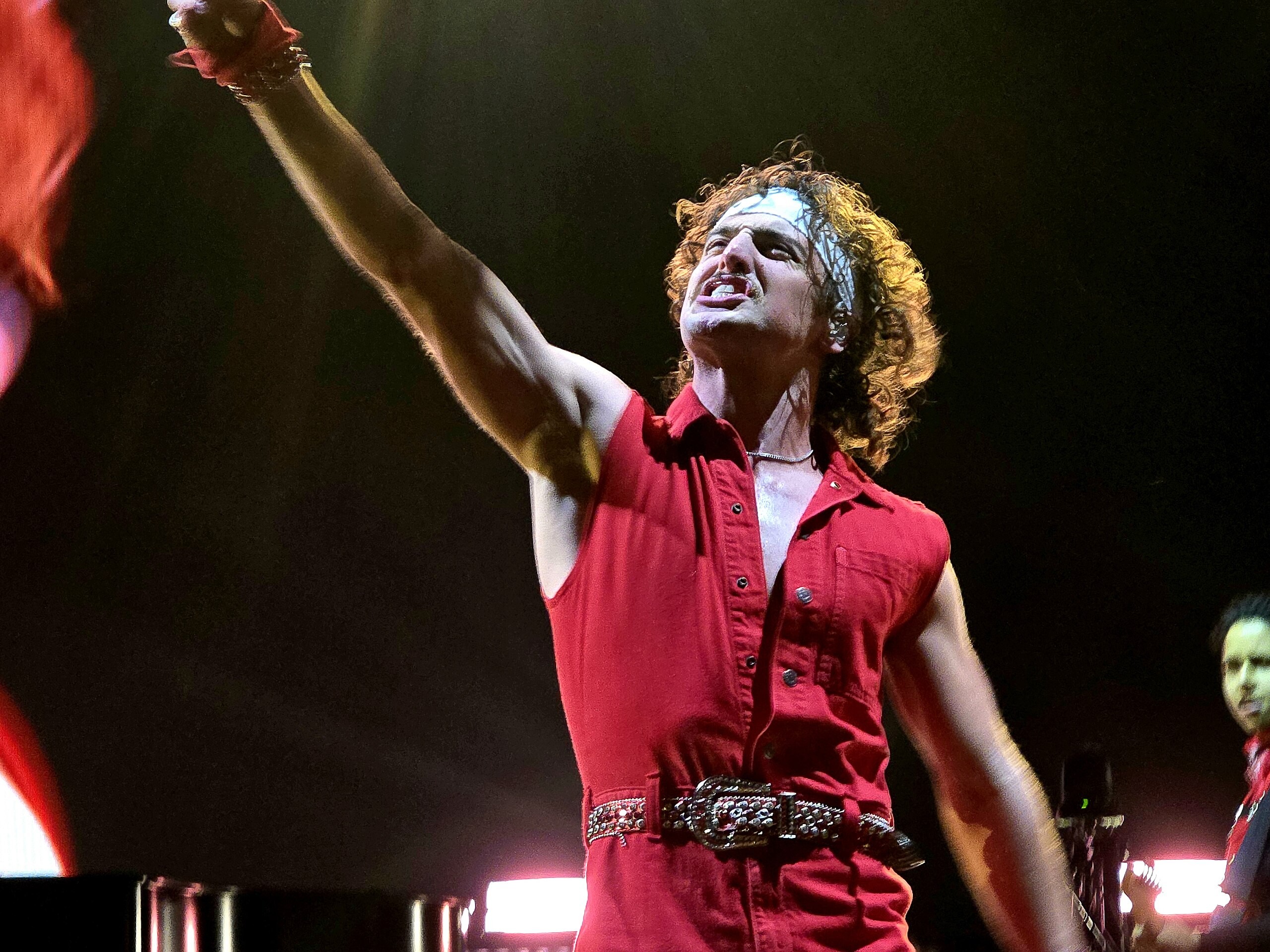
Like many cultural icons who died young or at the height of their fame, Mercury has become a victim of the "Elvis Syndrome." Fans who are unable to process the grief of losing a transformative figure often look for signs that the individual is still among us. Reported sightings usually involve look-alikes or professional tribute artists, of which there are hundreds globally. In 2026, the high quality of professional impersonators, such as those performing in sanctioned Queen productions, often fuels accidental rumors when they are spotted in public in partial costume or makeup.
The Mystery of the Final Resting Place
One of the primary drivers of conspiracy theories is the mystery surrounding Mercury's ashes. Per his final wishes, his lifelong friend Mary Austin took possession of his cremated remains. To this day, the exact location of his burial or the scattering of his ashes remains a secret known only to Austin. This lack of a public gravesite (unlike the highly visited sites of other stars) creates a vacuum that theorists fill with stories of a secret island or a hidden life in Zanzibar or Montreux.
Fact vs. Fiction: Analyzing Common Claims
The following table compares the most common claims made by conspiracy theorists with the verified historical facts regarding Freddie Mercury’s status.
| Claim/Theory | Reality | Verified Evidence |
|---|---|---|
| He staged his death to escape fame. | Staging a death of that magnitude would involve dozens of co-conspirators. | Death certificate registered in Kensington/Chelsea (Dec 1991). |
| He is living in Zanzibar/Switzerland. | No credible evidence or photography has emerged in over 30 years. | Official statements from Queen bandmates Brian May and Roger Taylor. |
| New AI songs prove he is recording. | These are "generative" works created using neural networks and old samples. | Metadata and disclosures from AI music platforms and creators. |
| The "missing" ashes mean he isn't dead. | Mary Austin follows his strict instruction to prevent the site from being defaced. | Interviews with Mary Austin regarding the 1993 disposal of ashes. |
| He was seen at a 2025 Queen concert. | This was likely a hologram or a high-end digital projection. | Queen + Adam Lambert tour production notes regarding "digital Freddie." |
The Role of Digital Residue and Holograms
In 2026, the distinction between a living person and a digital legacy has blurred significantly. Queen has been a pioneer in using technology to keep Mercury "present" on stage. Since the early 2010s, and increasingly with more advanced volumetric capture in the 2020s, Queen concerts have featured high-definition projections of Mercury performing "Bohemian Rhapsody" or leading the "Ay-Oh" vocal calls.
These technological marvels are intended as tributes, but for younger generations or those less familiar with the band's history, these lifelike appearances can be misinterpreted. The use of optical illusions like the "Pepper's Ghost" effect or modern 2026-era AR (Augmented Reality) during live events creates a visceral sense of presence that keeps the "alive" narrative circulating in the darker corners of the internet.
The Physical Evidence of His Passing
Beyond the emotional testimony of friends, there is substantial administrative evidence. Following his death on November 24, 1991, a private funeral service was held on November 27. It was conducted by Zoroastrian priests, honoring his family’s Parsi heritage. The service was attended by his parents (Bomi and Jer Bulsara), his sister (Kashmira Cooke), and his bandmates.
His body was subsequently transported to Kensal Green Cemetery in West London for cremation. The administrative records of the crematorium confirm the processing of the remains of Farrokh Bulsara (Mercury’s birth name). The legal transfer of his massive estate—including the majority of his future royalties and his home, Garden Lodge—to Mary Austin was a multi-year legal process that would have been impossible to execute had there been any legal ambiguity regarding his death.
The Cultural Significance of the Conspiracy
The "Freddie Mercury is alive" myth is more than just a misunderstanding of facts; it is a testament to his impact on the world. Mercury was a figure of immense vitality, vocal power, and theatricality. The idea that such a force of nature could be extinguished by a virus is, for many, harder to accept than the idea of a complex, decades-long cover-up.
However, continuing to spread these rumors often undermines the very real tragedy of the AIDS crisis in the 1990s. Mercury’s death was a pivotal moment that galvanized global awareness of the disease, leading to increased funding for research and the eventual development of life-saving antiretroviral therapies. To claim he is "alive" is to inadvertently erase his role as one of the most prominent faces of the epidemic and the bravery he showed in his final public statement.
Frequently Asked Questions
Where is Freddie Mercury buried?
Freddie Mercury was cremated, and his ashes were given to Mary Austin. She has never revealed their final location, stating that Freddie wanted his resting place to remain undisturbed and secret to avoid fans and the media descending upon it. There is a memorial plaque at Kensal Green Cemetery, but it does not contain his remains.
Did Freddie Mercury have a secret family?
No. While Mercury had several significant relationships throughout his life—most notably with Mary Austin and Jim Hutton—he did not have children. He often referred to his cats as his "children" and left a significant portion of his estate to Mary Austin and his family members.
Is there a "secret" twin or body double?
There is no evidence that Freddie Mercury had a twin. He had one younger sister, Kashmira. While there are many highly skilled look-alikes who perform in tribute bands, none are biologically related to him or have been part of any "body double" scheme to fake his death.
Are the 2026 AI-generated songs legal?
The legality of AI-generated music depends on the jurisdiction and the specific use of Mercury's likeness and voice. Queen’s estate (Queen Productions Ltd.) and Hollywood Records maintain strict control over his intellectual property. Most AI songs found on public platforms are unauthorized fan creations that are frequently removed due to copyright strikes.
Why do some people say he died in 1992?
This is a common chronological error. The "Freddie Mercury Tribute Concert for AIDS Awareness" was held on April 20, 1992, at Wembley Stadium. Because this massive televised event happened in 1992, some casual observers associate that year with his death, even though he actually passed away in November of the previous year.
Summary of Next Steps for Researchers
If you are researching the life and death of Freddie Mercury, it is recommended to rely on primary sources:
- Biographies: Look for "Mercury and Me" by Jim Hutton or "Freddie Mercury: The Definitive Biography" by Lesley-Ann Jones.
- Official Statements: Review the press releases issued by Queen's manager, Jim Beach, in November 1991.
- Medical History: Research the "Mercury Phoenix Trust," an organization founded by the remaining members of Queen to fight HIV/AIDS in his honor.
- Legacy Sites: Visit the official Queen website for verified information regarding unreleased tracks (like the 2022 release "Face It Alone") to distinguish them from AI-generated content.
By focusing on these verified records, fans can appreciate the true genius of Freddie Mercury’s life without the distraction of unfounded rumors.
Image Gallery