A Comprehensive Guide to Collecting Police Patches
Collecting police patches—often referred to as shoulder sleeve insignia (SSI)—is a specialized hobby that bridges the gap between historical preservation, local civic pride, and international diplomacy. Enthusiasts curate collections t...
Collecting police patches—often referred to as shoulder sleeve insignia (SSI)—is a specialized hobby that bridges the gap between historical preservation, local civic pride, and international diplomacy. Enthusiasts curate collections that reflect the visual history of law enforcement agencies, ranging from small-town municipal departments to federal bureaus and international police organizations. By acquiring, verifying, and preserving these embroidered artifacts, collectors contribute to the documentation of law enforcement identity and the evolution of departmental heraldry.
Contents
The Scope of Police Patch Collecting
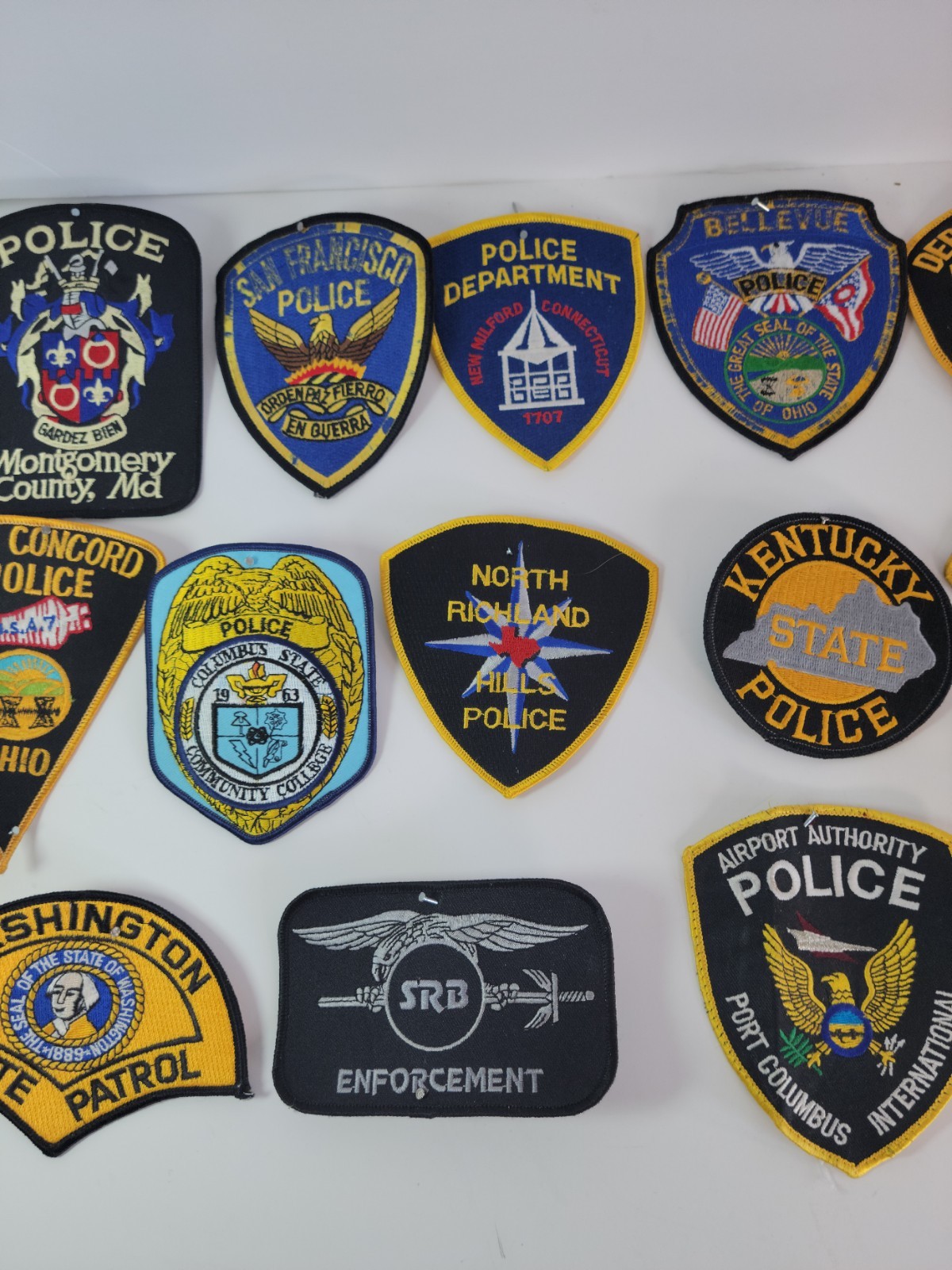
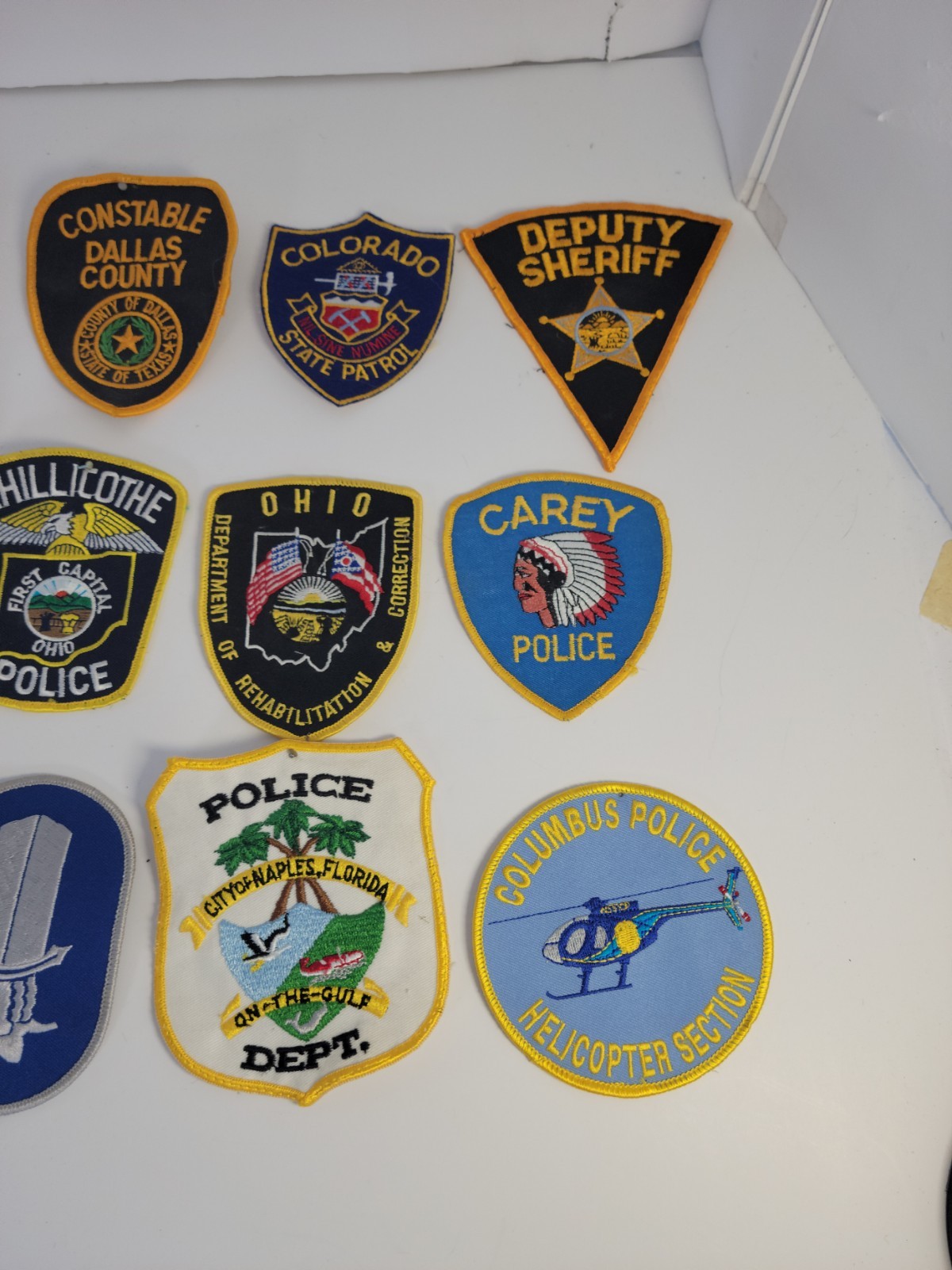
For the uninitiated, police patches may appear to be simple uniform accessories. However, to the seasoned collector, each patch serves as a unique data point. The design, color scheme, and material composition of a patch often incorporate local symbols, regional landmarks, or historical motifs that define the identity of the department.
The hobby is categorized into several primary focal points:
- Geographic Specialization: Collecting patches from a specific state, county, or country.
- Thematic Collections: Focusing on specific agency types, such as state police, sheriff departments, federal agencies, or specialized units like K-9, SWAT, and marine patrol.
- Historical Eras: Tracing the transition from bullion-wire patches to modern merrowed-edge embroidered or PVC styles.
- International Exchange: Building a collection through global trade with officers and collectors in other nations.
Ethical Considerations and Legal Boundaries
The most critical aspect of collecting police patches is maintaining strict adherence to legal and ethical standards. Unlike collecting stamps or coins, police insignia represents the official authority of a government entity.
In many jurisdictions, it is illegal to wear, impersonate, or possess police insignia with the intent to deceive or commit fraud. While owning patches for the purpose of a private collection is generally legal, collectors must ensure that their acquisition practices do not facilitate identity theft or illegal impersonation. It is standard professional practice among serious collectors to ensure that any patch obtained is removed from service—meaning it is no longer being utilized as an active identifier on a uniform—before it enters the hobbyist market. Never attempt to purchase an active, issued badge or patch currently in use for official duty.
Building Your Collection: Acquisition Strategies
Building a high-quality collection requires a combination of networking, research, and careful verification.
- Direct Communication: Many collectors contact public information officers (PIOs) or community relations offices of specific departments. A polite, formal request for an agency patch (often offering to pay for the patch and the associated postage) can be successful, though many departments have strict policies against gifting insignia to civilians.
- Collector Exchanges: Online forums, dedicated Facebook groups, and specialized trade shows serve as the primary venues for the exchange of surplus insignia. These spaces allow collectors to trade duplicates and network with others who share specific regional interests.
- Third-Party Auctions: While major auction houses occasionally feature police memorabilia, collectors must be wary of "fantasy patches"—unofficial designs created by private vendors that were never actually worn by law enforcement personnel. Always cross-reference designs against known departmental uniform standards.
Essential Tools for Preservation and Documentation
Once a collection reaches a certain size, proper storage and documentation become essential. Unlike casual displays, professional-grade preservation prevents material degradation.
- Display Boards: Acid-free foam core boards are the industry standard for pinning patches. Avoid adhesives, which can permanently damage the backing material of vintage patches.
- Climate Control: Moisture and direct sunlight are the primary enemies of embroidery. High humidity can lead to mold or mildew, while constant UV exposure will cause thread colors to fade. Keep your collection in a climate-controlled room away from direct sunlight.
- Digital Inventory: Use a spreadsheet or a dedicated cataloging app to track your items. Record the department name, the era the patch was in use, the material type, and the acquisition date. This documentation increases the value of the collection and ensures that historical context is not lost over time.
Comparing Patch Types
Understanding the construction of a patch is vital for verification. The table below outlines the primary types encountered in modern and historical collections.
| Patch Type | Construction | Period of Prevalence | Collector Notes |
|---|---|---|---|
| Bullion Wire | Hand-embroidered with metallic wire | Pre-1970s | Highly valued; fragile; susceptible to corrosion. |
| Flat Embroidery | Machine stitched on felt or cotton | 1950s–1980s | Classic aesthetic; look for fraying edges. |
| Merrowed Edge | Embroidered with a heavy border | 1980s–Present | Most common; durable; easy to mount. |
| PVC/Rubber | Molded plastic | 2010s–Present | Modern tactical look; fade-resistant; waterproof. |
Addressing Common Challenges
The primary challenge for any collector is the rise of low-quality reproductions and mass-produced items sold as "collectibles." Distinguishing between a genuine issued patch and a commercially produced novelty is a skill developed through experience. Genuine patches often feature specific backing textures (such as plasticized coatings for stiffness) and high-density thread counts that budget-conscious manufacturers cannot replicate. If a patch looks too pristine or possesses a design that lacks a clear historical or geographical basis, conduct a reverse image search and check against official departmental press releases or archives.
Frequently Asked Questions
How do I verify if a patch is authentic? Authenticity is best verified by checking the patch against official department photos. Contact the agency’s historical society or look for photographic evidence of the patch being worn on a uniform during the specified era.
Is it legal to trade police patches? Yes, in the United States and most other countries, it is legal to trade police patches provided they are not being used for illegal impersonation. Ensure that the transaction is for the physical item as a historical artifact and not for official status or authority.
What is the best way to clean dirty patches? Do not machine wash patches. Use a soft, dry brush to remove dust. For significant grime, consult a professional textile conservator. Attempting to wash vintage patches can cause the threads to bleed or the backing to disintegrate.
Why do some departments refuse to send patches? Many departments have strict internal controls over their insignia to prevent unauthorized use. A refusal is not a personal slight; it is a security protocol designed to protect the integrity of the agency’s identity.
Next Steps for Collectors
To advance your collection, focus on a specific niche. Rather than collecting indiscriminately, dedicate your resources to completing a set—for example, every municipal police department patch within a single county. Establish a relationship with local historical societies, which often maintain records of past uniform designs. By acting as a steward of these symbols, you preserve a tangible piece of local history while ensuring the hobby remains respected and responsible.
Image Gallery