How Much Is Shower Installation?
Shower installation typically costs between $1,500 and $4,500 for a standard replacement, while custom tile showers or complete bathroom overhauls can range from $5,000 to over $15,000. Total expenses depend on labor rates, plumbing mo...
Shower installation typically costs between $1,500 and $4,500 for a standard replacement, while custom tile showers or complete bathroom overhauls can range from $5,000 to over $15,000. Total expenses depend on labor rates, plumbing modifications, material choices, and whether the project involves a simple swap or a custom build from the studs up.
Contents
Understanding the Scope of Shower Installation Costs
Embarking on a bathroom remodeling project requires a clear financial roadmap. When homeowners ask about the cost of putting in a new shower, the answer rarely comes down to a single flat fee. Shower installation expenses are heavily fragmented into labor, materials, and unforeseen structural adjustments. Whether replacing an old, leaking fiberglass stall or designing a luxurious custom walk-in tile shower with multiple body jets, understanding the breakdown of these costs helps prevent budget overruns.
For most residential properties, a shower replacement involves removing an existing unit, inspecting the subfloor and wall studs for water damage, ensuring the plumbing lines align with the new model, and securing the enclosure. Contractors generally charge by the project scope or split their billing between hourly labor and material markups. Knowing what drives these prices allows property owners to negotiate effectively with plumbing contractors and general contractors.
Average Cost Breakdown by Shower Type
The style and manufacturing method of the shower unit dictate the majority of the material costs and a significant portion of the labor time. Prefabricated units are generally inexpensive and fast to install, whereas custom masonry requires skilled tile setters and extended cure times for waterproof membranes.
Prefabricated Modular Units and Inserts
Prefabricated showers—often referred to as one-piece acrylic or fiberglass units, or multi-piece sectional kits—are the most budget-friendly option. A standard fiberglass insert typically costs between $400 and $1,500 for the materials alone, with professional installation adding another $800 to $2,000. These units are lightweight, straightforward to seal, and ideal for secondary bathrooms or rental properties.
However, multi-piece units require careful silicone caulking at the seams to prevent moisture infiltration over time. While they lack the bespoke aesthetic of tile, their smooth surfaces make them exceptionally easy to clean and maintain.
Custom Tile Showers
Custom tile showers represent the high end of residential bathroom renovations. Because every tile must be hand-cut, laid, and grouted, labor costs escalate dramatically. A custom tile shower installation typically ranges from $4,000 to $12,000 or more, depending on the square footage and tile material.
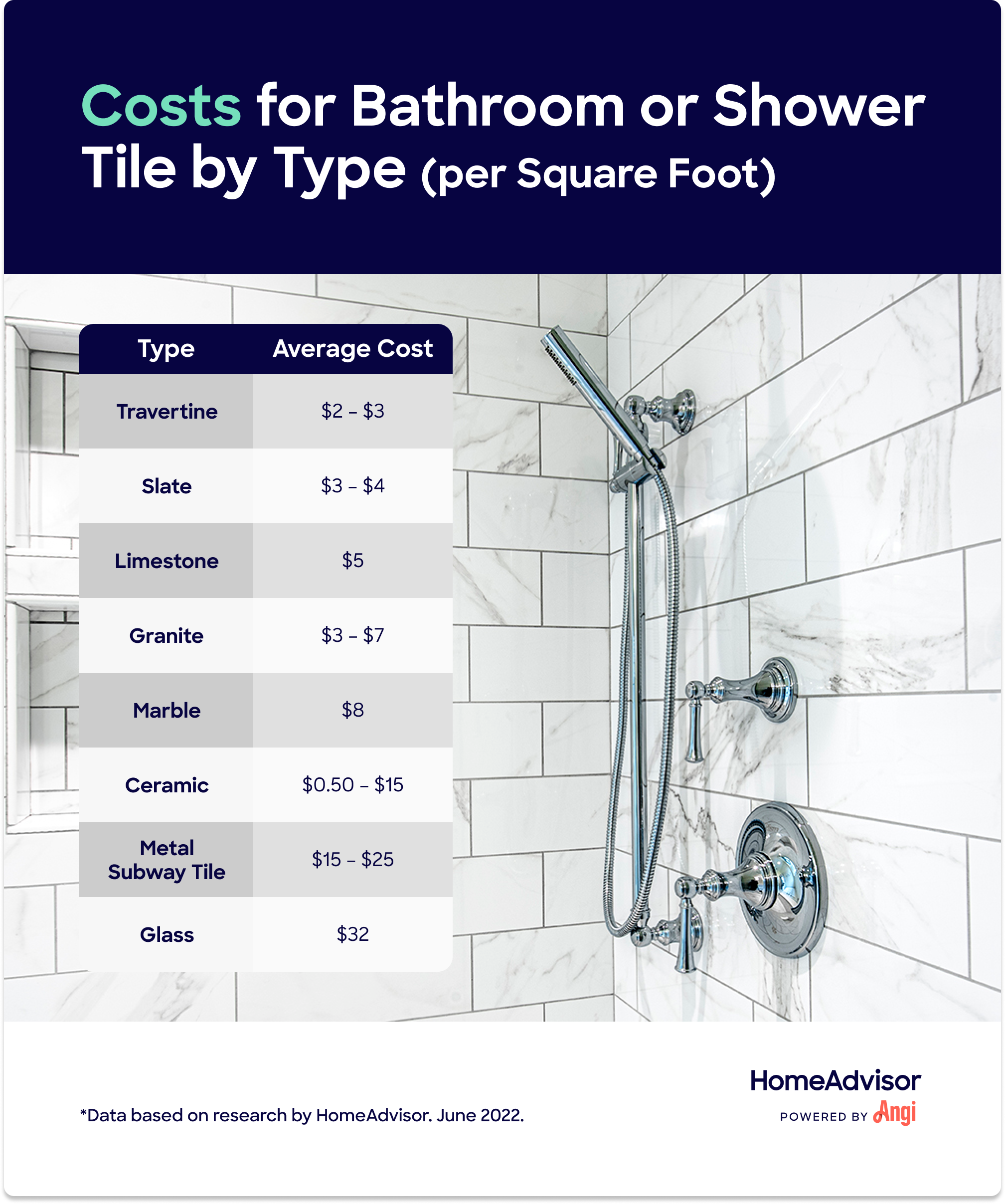
Ceramic and porcelain tiles remain cost-effective and durable, while natural stone, marble, or intricate mosaic patterns require specialized cutting tools and premium sealing agents. Furthermore, custom builds require multi-layered waterproof backing systems, such as liquid membranes or sheet membranes like Schluter-Systems, to protect underlying framing from water damage.
| Shower Type | Average Material Cost | Average Labor Cost | Total Estimated Cost |
|---|---|---|---|
| Prefabricated Fiberglass Insert | $400 – $1,500 | $800 – $2,000 | $1,200 – $3,500 |
| Prefabricated Multi-Piece Kit | $600 – $2,500 | $1,000 – $2,500 | $1,600 – $5,000 |
| Custom Tile Walk-In Shower | $1,500 – $4,500 | $3,500 – $8,500 | $5,000 – $13,000+ |
| Luxury Walk-In (Glass & Body Jets) | $3,000 – $8,000 | $5,000 – $10,000+ | $8,000 – $18,000+ |
Labor, Plumbing, and Structural Factors
Labor represents the largest variable in bathroom remodeling. Plumbers, tile setters, and general contractors bill at different rates depending on geographic region, licensing requirements, and project complexity. In metropolitan areas with a high cost of living, labor rates can easily exceed $100 to $200 per hour, while rural contractors may charge significantly less.
Plumbing Modifications and Relocation
If a new shower is going into the exact same footprint as the old one, plumbing expenses remain minimal. The contractor simply connects the new mixing valve, showerhead, and drain to existing supply and waste pipes.
However, relocating a shower drain or moving water supply lines to accommodate a larger layout requires breaking through concrete slabs or cutting floor joists. Major plumbing rerouting can add $1,000 to $3,000 to the total bill, as it requires specialized tools, pressure testing, and adherence to local municipal plumbing codes.
Structural Repairs and Waterproofing
Hidden water damage is a common surprise during bathroom demolition. If previous leaks caused wood rot in wall studs or subfloor degradation, contractors must sister new lumber to compromised studs or replace subfloor sections before installing the new shower pan.
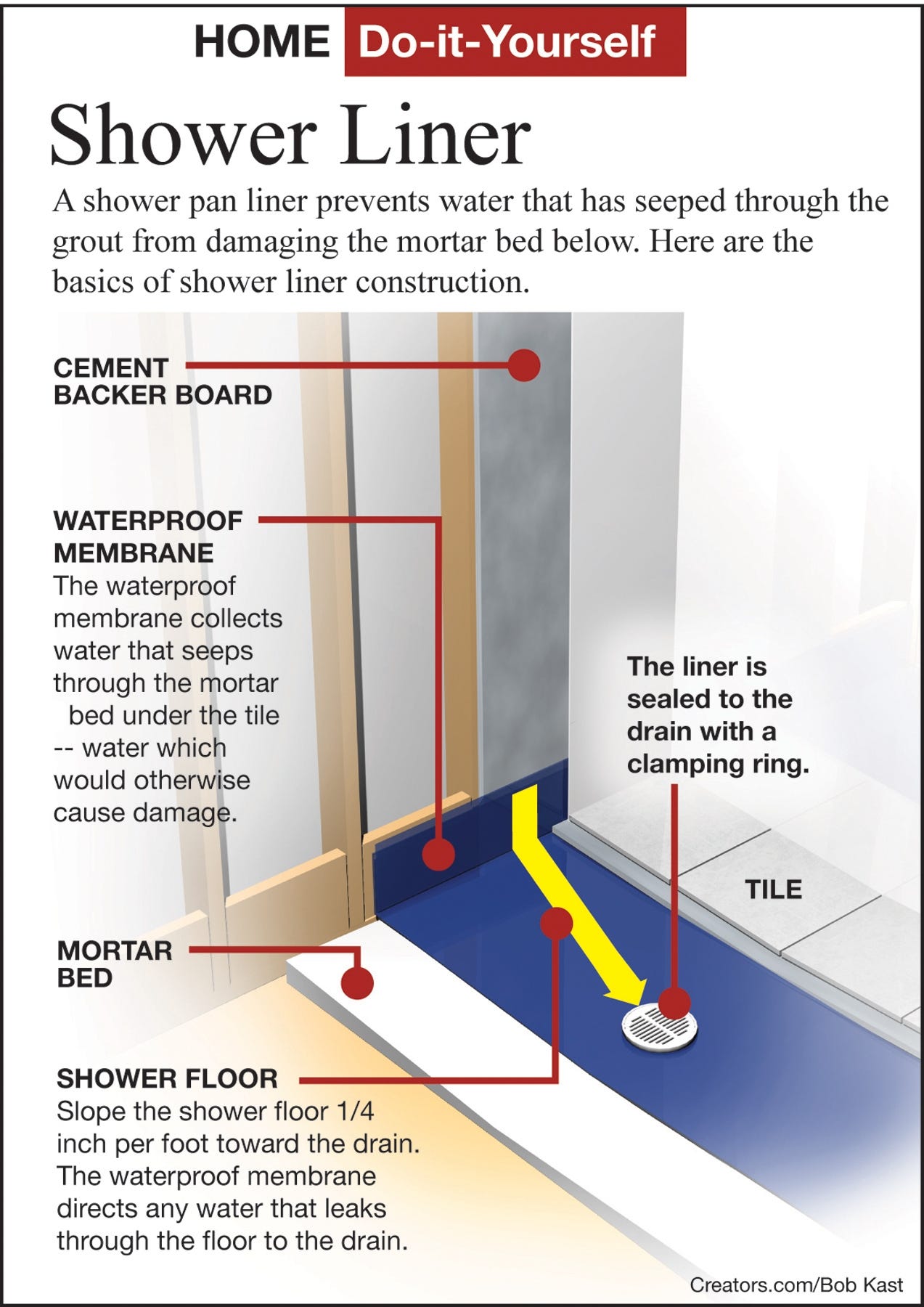
Waterproofing is another critical non-negotiable step. Failing to install an adequate shower pan liner, pre-slope mortar bed, and wall vapor barrier leads to catastrophic structural decay and mold growth within months. Professional waterproofing systems add to the upfront installation expense but protect the integrity of the entire home.
Material Selection and Fixture Upgrades
Beyond the enclosure itself, the choice of fixtures and hardware dramatically shifts the overall project cost. Standard chrome showerheads and pressure-balanced valves are budget-friendly and reliable. Conversely, high-end thermostatic valves, digital shower systems, rainfall showerheads, and multi-port body sprayers require complex behind-the-wall plumbing manifolds and expensive trim kits.
Glass enclosures also vary widely in price. A basic framed glass sliding door might cost $300 to $600, whereas heavy, custom frameless tempered glass panels with specialized hardware and protective coatings can range from $1,500 to $3,500 installed. Frameless glass requires precise measurements and robust wall anchors to support the weight of the thick glass panels safely.
Permits, Regulations, and Professional Hiring
Most municipalities require building and plumbing permits for a complete shower installation, especially when adding new plumbing lines or altering structural framing. Permit fees generally range from $100 to $500 depending on local government fee structures. Skipping permits can create legal and insurance liabilities, particularly when selling the home later, as unpermitted work may fail home inspections.
When vetting contractors, property owners should verify active licenses, general liability insurance, and workers' compensation coverage. Requesting multiple itemized bids helps clarify discrepancies in pricing and ensures that every contractor is quoting the same scope of work—including demolition, debris removal, drywall repair, and painting.
Frequently Asked Questions
How long does a standard shower installation take?
A straightforward replacement of a prefabricated shower unit typically takes 2 to 4 days, assuming no unexpected plumbing or structural issues arise. A custom tile shower requires significantly more time due to the installation of mortar beds, waterproof membranes, tile setting, grouting, and multi-day curing phases for thin-set mortar and grout. A custom tile project generally spans 1 to 3 weeks from demolition to completion.
Can I install a shower myself to save money?
DIY shower installation is possible for experienced remodelers comfortable with basic carpentry and plumbing soldering or PEX fitting. However, mistakes in plumbing connections or waterproofing can lead to severe water damage, rotting floor joists, and expensive mold remediation. For most homeowners, hiring a licensed professional for plumbing and waterproofing ensures the work complies with local building codes and protects property value.
What is the difference between a shower pan and a shower base?
While the terms are often used interchangeably, a shower base typically refers to a prefabricated, factory-molded acrylic, fiberglass, or cast-polymer receptor that includes integrated walls or a floor with a built-in drain slope. A shower pan specifically refers to the waterproof bottom liner and sloped mortar bed constructed on-site beneath a tiled shower floor to direct water safely toward the drain.
How much does it cost to convert a bathtub into a walk-in shower?
Converting an existing bathtub into a walk-in shower usually costs between $3,000 and $8,000. The primary expense involves removing the heavy tub, modifying the waste and overflow drain to fit a standard shower drain size (which requires a larger diameter pipe in many older homes), and patching surrounding wall surfaces where the tub enclosure met the drywall.
Does a new shower increase home resale value?
Upgrading an outdated, stained, or damaged bathroom significantly improves home appeal and resale value. Modern walk-in showers with clean glass enclosures and contemporary tile are highly desirable among home buyers. While homeowners rarely recoup 100% of a luxury bathroom remodel cost at sale, a clean, functional bathroom is a major asset in real estate appraisals.
Next Steps for Your Project
Begin your shower installation project by establishing a realistic budget that includes a 15% contingency fund for unexpected structural issues like water damage or outdated plumbing. Collect at least three detailed, written estimates from licensed local contractors who provide clear warranties on their labor. Verify all required local permits with your municipal building department before scheduling demolition day.
Image Gallery