The Richest Hip Hop Artists in 2026: Rankings of Music’s Top Business Moguls
In 2026, the wealthiest hip hop artist is Jay-Z, with a net worth estimated at over $3.2 billion. He is followed by industry titans like Berner, whose cannabis empire has reached new heights, and Dr. Dre, who continues to benefit from...
In 2026, the wealthiest hip hop artist is Jay-Z, with a net worth estimated at over $3.2 billion. He is followed by industry titans like Berner, whose cannabis empire has reached new heights, and Dr. Dre, who continues to benefit from tech investments. This wealth is primarily driven by spirit brands, cannabis licensing, and private equity rather than music streaming.
Contents
The financial landscape of hip hop in 2026 has transitioned from a focus on "record deals" to "equity plays." For the elite tier of artists, music serves as a high-leverage marketing tool to build brand equity in consumer goods, luxury retail, and technology. As we look at the definitive list of the richest figures in the genre this year, it is clear that the gap between the "billionaire club" and the rest of the industry continues to widen based on diversified asset portfolios.
The Billionaire Tier: Institutional Wealth in Hip Hop
By 2026, the distinction between a "rapper" and a "global conglomerate" has become blurred. The individuals at the top of this list are no longer dependent on the Billboard charts to maintain their status; instead, their net worth is tied to the valuation of international brands and private equity holdings.
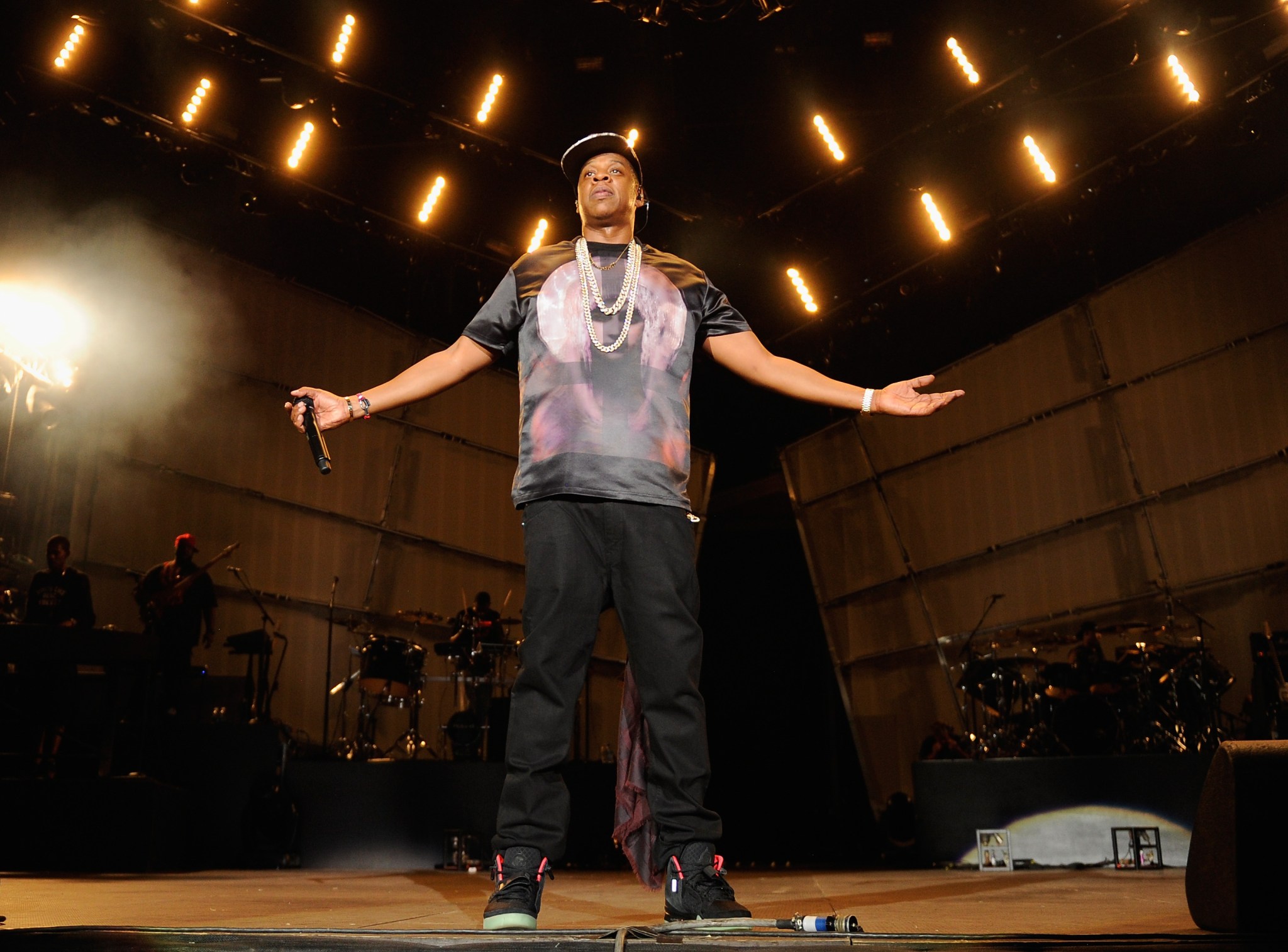
Jay-Z (Shawn Carter) - $3.2 Billion
Jay-Z remains the undisputed leader of hip hop’s financial elite. His wealth is a masterclass in asset diversification. While his music catalog is legendary, his 2026 valuation is anchored by Marcy Venture Partners, which has successfully exited several high-profile tech startups over the last three years.
Furthermore, his remaining stakes in Armand de Brignac (Ace of Spades) and D'Ussé (following his high-profile legal settlement and partial sale to Bacardi) continue to generate massive cash flow. Jay-Z has shifted his focus toward fine art and high-end real estate, with a collection that is estimated to be worth hundreds of millions of dollars on the global market.
Berner (Gilbert Milam Jr.) - $1.2 Billion
One of the most significant climbs in the mid-2020s belongs to Berner. As the founder of Cookies, he has transformed a local cannabis brand into a global lifestyle empire. With the continued wave of legalization and the expansion of Cookies-branded clothing and lifestyle products into international markets, Berner’s equity in the company has solidified his billionaire status. His success represents a new blueprint for artists: using a niche culture to dominate a multi-billion dollar regulated industry.
Dr. Dre (Andre Young) - $950 Million to $1.1 Billion
Dr. Dre’s wealth remains remarkably stable due to the long-tail dividends from the sale of Beats by Dre to Apple and his savvy investments in real estate. In 2026, Dre continues to earn significant royalties from his production catalog, but his primary wealth driver is his involvement in high-tech audio and philanthropic ventures that have increased the value of his personal brand as a pioneer of premium sound.
The Multi-Millionaire Moguls: 2026 Projections
While the billionaire club is exclusive, the "centimillionaire" tier is populated by artists who have mastered the art of the modern partnership. These artists leverage their massive social media footprints to secure equity-heavy deals.
Drake (Aubrey Graham) - $500 Million
Drake’s wealth in 2026 is a combination of a massive touring engine and his multifaceted partnership with Nike through the Nocta line. Additionally, his partnership with the crypto-betting platform Stake remains one of the most lucrative endorsement deals in entertainment history. Unlike Jay-Z, Drake remains highly active in the music industry, with his "It’s All A Blur" era tours setting records for the highest-grossing hip hop tours of the decade.
Travis Scott (Jacques Webster) - $350 Million
Travis Scott’s Cactus Jack brand has become a cultural phenomenon that rivals traditional fashion houses. By 2026, Scott has expanded beyond footwear and apparel into entertainment production and large-scale event organization. His ability to sell out physical products within seconds of a drop has made him the preferred partner for legacy brands looking to capture the youth demographic.
Kanye West (Ye) - $400 Million to $600 Million (Estimated)
The valuation of Ye’s wealth remains a subject of intense debate among financial analysts in 2026. Following the collapse of his major corporate partnerships earlier in the decade, his net worth relies heavily on his independent Yeezy ventures and his extensive real estate holdings in Wyoming and California. While he no longer commands the multi-billion dollar valuation he once held during the Adidas era, his independent infrastructure for apparel and music keeps him firmly in the top ranks.
2026 Financial Comparison: Primary Wealth Sources
The following table outlines the primary drivers of wealth for the top five richest hip hop artists as of early 2026.
| Artist | Estimated Net Worth | Primary Wealth Source | Notable Secondary Asset |
|---|---|---|---|
| Jay-Z | $3.2 Billion | Spirits (D'Ussé, Ace of Spades) | Marcy Venture Partners |
| Berner | $1.2 Billion | Cannabis (Cookies SF) | Clothing & Lifestyle Retail |
| Dr. Dre | $1.0 Billion | Tech Exit (Beats) | Music Catalog & Production |
| Drake | $500 Million | Touring & Nike Partnership | Stake Endorsement Deal |
| Ye (Kanye West) | $450 Million | Yeezy Apparel (Independent) | Real Estate & Catalog |
The Mechanics of Modern Hip Hop Wealth
Understanding how these artists reached these heights in 2026 requires an analysis of the shift from royalty-based income to ownership-based income.
The Death of the Traditional Record Deal
By 2026, the richest artists have largely moved away from traditional "360 deals." Instead, they treat major labels as distribution partners for their own independent labels. This allows them to retain ownership of their master recordings, which have become increasingly valuable as "alternative assets" sold to investment firms like Hipgnosis or Blackstone.
Liquidity and Luxury Goods
A common thread among the top three (Jay-Z, Berner, Dre) is the ownership of physical products.
- Spirits: Alcohol offers high margins and a clear path to acquisition by giants like LVMH or Diageo.
- Cannabis: As federal policies shifted in the mid-2020s, early movers like Berner saw their valuations skyrocket as they became "institutional" players.
- Apparel: Fashion remains the most common way for artists like Travis Scott to monetize their "cool factor" without the overhead of a touring schedule.
The Role of Real Estate
High-net-worth artists have increasingly parked their liquid cash in commercial real estate. In 2026, the portfolios of artists like Drake and Jay-Z include luxury hotels, office spaces in emerging tech hubs, and vast tracts of land. This serves as a hedge against the volatility of the music streaming market.
Legal Impacts and Market Volatility
It is important to note that net worth is not a static number. In the years leading up to 2026, we saw how legal challenges can drastically alter a mogul's standing. For instance, Sean "Diddy" Combs, once a perennial top-three contender, saw a significant decline in his estimated net worth and brand partnerships due to high-profile legal battles and the divestment of key assets in 2024 and 2025. This serves as a reminder that "reputational equity" is a critical component of financial stability in the luxury brand space.
Future Outlook: Who is Next?
As we look toward the latter half of the 2020s, several "dark horse" candidates are emerging. Artists like J. Cole and Kendrick Lamar have maintained smaller, leaner operations that prioritize ownership and longevity over flash. While they may not hit the billion-dollar mark by 2026, their lack of debt and high-margin business models make them incredibly stable. Meanwhile, younger artists are increasingly looking toward AI-driven tech startups and gaming as their path to the nine-figure club.
Frequently Asked Questions
Does music streaming make rappers rich in 2026?
Streaming contributes a small fraction of the net worth of the artists on this list. While it provides a steady stream of "mailbox money," the real wealth is generated through brand ownership, equity in startups, and large-scale touring. For example, an artist might earn $10 million from streaming but $100 million from a single brand exit or a multi-year apparel partnership.
Who is the youngest artist on the 2026 list?
Travis Scott remains one of the youngest artists in the top tier. His ability to merge music with consumer products through his Cactus Jack imprint has allowed him to build a net worth that many artists don't achieve until much later in their careers.
Why isn't Diddy on the top of the list in 2026?
Following a series of legal settlements and the termination of several key partnerships (including his long-standing relationship with Diageo) in the mid-2020s, Sean Combs' net worth saw a substantial reduction. While he remains wealthy, he is no longer in the top three of the hip hop financial rankings as of 2026.
How does Berner's wealth compare to Jay-Z's?
While Jay-Z has a more diversified portfolio (venture capital, art, spirits), Berner's wealth is more concentrated in a single, high-growth industry: cannabis. Berner's "Cookies" brand has a higher potential for rapid valuation spikes as new markets open, whereas Jay-Z’s wealth is more institutionalized and stable.
Is Kanye West still a billionaire in 2026?
Most financial trackers, including Forbes and Bloomberg, do not list Ye as a billionaire in 2026. Without the massive infrastructure and guaranteed minimums of the Adidas partnership, his net worth is based on his liquid assets, real estate, and the valuation of his independent Yeezy clothing line, which is significantly lower than his peak valuation in 2021.
Final Recommendation for Aspiring Moguls
For those looking to replicate the success of the richest hip hop artists in 2026, the lesson is clear: prioritize equity over salary. The artists at the top of this list all own the "pipes" through which their products flow. Whether it is a distribution network for cannabis, a proprietary fashion line, or a venture capital firm, the path to billionaire status in hip hop is now firmly rooted in traditional business ownership and diversified investment.
Image Gallery