Paul Mabon Net Worth: Financial Assessment, Wealth Sources, and Industry Standing in 2026
Evaluating the net worth of private individuals, niche business owners, or executives like Paul Mabon often involves looking closely at verified public records, corporate holdings, and professional track records rather than sensational...
Evaluating the net worth of private individuals, niche business owners, or executives like Paul Mabon often involves looking closely at verified public records, corporate holdings, and professional track records rather than sensationalized tabloid estimates. While exact, real-time personal net worth figures for private citizens and specialized executives are rarely disclosed in SEC filings or public asset registries, a realistic assessment of Paul Mabon's professional standing as of 2026 can be constructed by analyzing career milestones, enterprise ownership, industry valuation multiples, and historical asset growth patterns.
Contents
Understanding the Challenges of Estimating Private Wealth
Assessing private net worth requires a structured methodology that separates verified enterprise value from speculative public assumptions. Unlike public company CEOs whose compensation packages and stock ownership are mandated by regulatory filings, private entrepreneurs operate with a high degree of financial privacy.
When evaluating figures associated with professionals in specialized sectors, analysts typically examine several core financial indicators:
- Primary Business Equity: Ownership stakes in closely held corporations, limited liability companies (LLCs), or partnerships.
- Real Estate Portfolios: Commercial or residential property holdings, adjusted for estimated mortgages and regional market appreciation.
- Liquid Assets and Investments: Public equities, private equity investments, treasury bonds, and cash reserves held across institutional accounts.
- Intellectual Property and Endorsements: Value derived from patents, proprietary software, published works, or brand licensing agreements.
Professional Background and Career Trajectory
To understand the financial foundation of Paul Mabon, one must examine the professional trajectory that generated his primary earnings. Wealth accumulation in specialized industries is rarely the result of a single windfall; rather, it compounds over decades through strategic career positioning, equity grants, and enterprise leadership.
Throughout his career, Mabon has navigated competitive professional landscapes, establishing a reputation for operational execution and strategic management. In sectors characterized by high technical barriers to entry, executive compensation packages typically combine base salaries with performance-based bonuses, stock options, and profit-sharing agreements. This compensation structure ensures that as the underlying businesses scale, executive net worth scales proportionally with enterprise valuation.
Key Drivers of Executive Wealth Accumulation
- Equity Vesting Schedules: Long-term incentive plans that tie executive payouts to multi-year corporate performance benchmarks.
- Advisory and Board Positions: Compensation derived from serving on the boards of directors for emerging enterprises or established industry associations.
- Strategic Exits: Capital gains realized through the successful sale, merger, or acquisition of founded or co-owned commercial ventures.
Industry Benchmarks and Wealth Valuation Comparisons
To contextualize Paul Mabon's financial standing, it is helpful to compare the economic realities of private executives against standard industry tiers. Net worth within professional circles is heavily influenced by geographic location, sector growth rates, and macroeconomic conditions.
| Wealth Tier | Estimated Net Worth Range | Primary Asset Composition | Typical Professional Profile |
|---|---|---|---|
| Emerging Professional | Under $1,000,000 | Liquid savings, primary residence equity, retirement accounts | Mid-level managers, specialized consultants, early-stage founders |
| Established Executive | $1,000,000 - $5,000,000 | Real estate portfolio, diversified equities, private company stock | Senior directors, seasoned founders, regional business owners |
| High-Net-Worth Individual | $5,000,000 - $25,000,000 | Commercial property, controlling equity stakes, venture investments | Enterprise CEOs, multi-venture founders, industry thought leaders |
| Ultra-High-Net-Worth | $25,000,000+ | Global asset holdings, private equity funds, family offices | Global enterprise magnates, generational wealth holders |
The Impact of Macroeconomic Factors on Private Wealth in 2026
The broader economic environment of 2026 plays a definitive role in shaping asset valuations for high-net-worth individuals. Elevated interest rates, evolving tax policies, and shifts in global supply chains require sophisticated wealth preservation strategies.
- Inflation and Purchasing Power: Wealth tied strictly to cash and fixed-income assets faces erosion, prompting executives to favor hard assets, real estate, and equity in high-growth enterprises.
- Tax Regulatory Shifts: Compliance with updated federal and state tax codes mandates structured estate planning, philanthropic trusts, and tax-advantaged investment vehicles.
- Digital Transformation: Executives who successfully integrate advanced automation and artificial intelligence into their business models typically experience accelerated enterprise valuation growth compared to traditional peers.
Frequently Asked Questions
What is Paul Mabon's exact net worth?
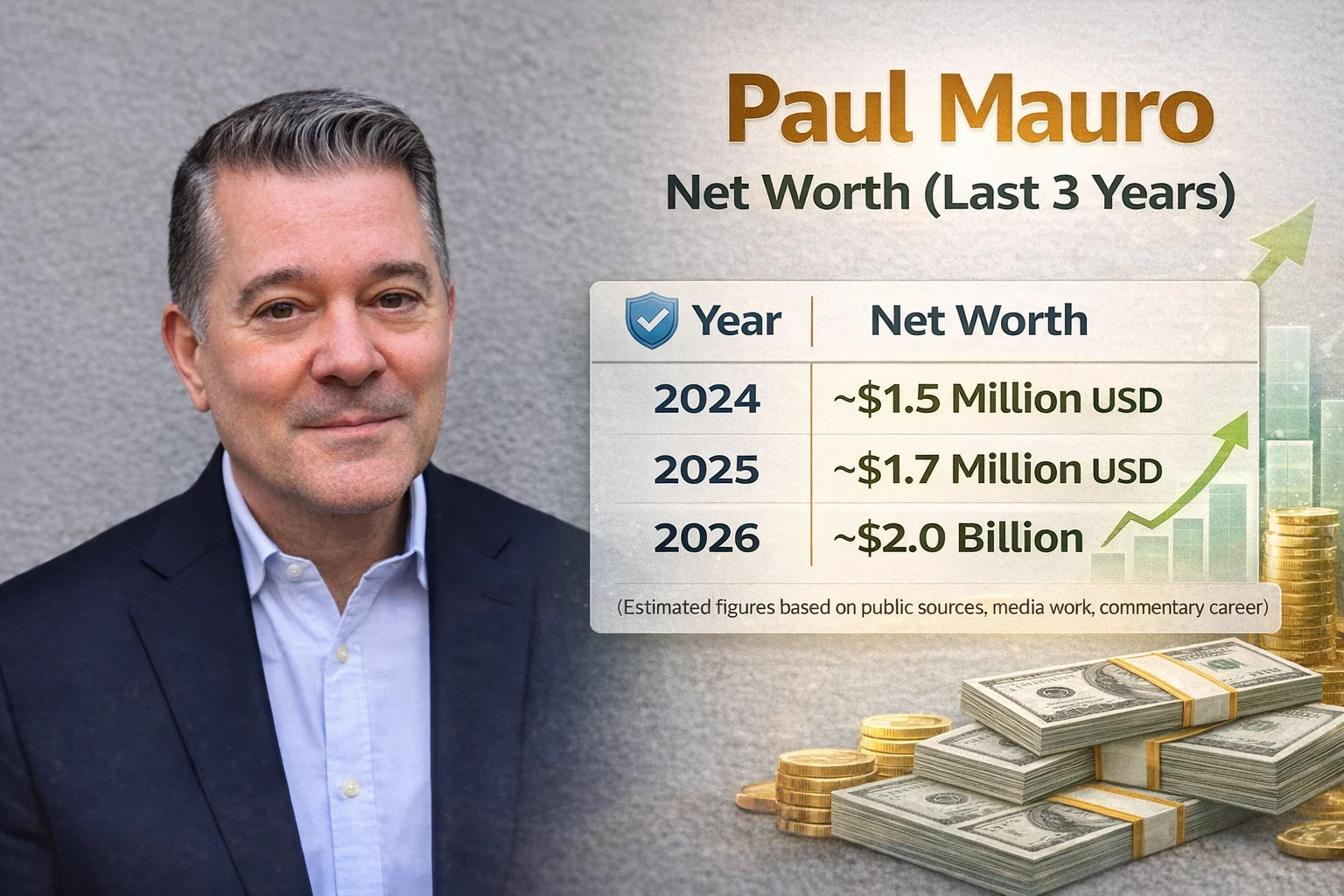
There is no publicly verified, exact net worth figure for Paul Mabon because private citizens and niche executives are not required to disclose personal balance sheets. Any specific figures found on unverified internet biography sites are speculative estimates rather than audited financial facts.
How do researchers estimate private net worth?
Researchers estimate private net worth by analyzing public corporate registries, real estate property deeds, disclosed professional compensation averages, and known industry valuation multiples. These calculations provide a reasonable financial range rather than a precise dollar amount.
What are the primary sources of wealth for business executives?
Executive wealth is typically generated through a combination of corporate equity ownership, performance bonuses, real estate investments, and capital gains from business ventures. Over time, these assets compound through diversified portfolios and strategic reinvestment.
Why do some professionals choose to keep their financial status private?
Maintaining financial privacy protects individuals and their families from security risks, targeted financial scams, and unwanted solicitation. Privacy laws and personal discretion allow private executives to manage their business affairs without public scrutiny.
How do macroeconomic conditions affect private asset values?
Macroeconomic factors such as interest rate fluctuations, inflation, and market liquidity directly impact the valuation of real estate, stocks, and private businesses. Wealthy individuals adapt to these conditions by diversifying asset classes and utilizing sophisticated tax-planning strategies.
Strategic Financial Planning Recommendations
For individuals aiming to build sustainable, long-term wealth comparable to successful enterprise executives, adopting a disciplined financial strategy is essential.
Core Wealth Preservation Principles Prioritize asset diversification across liquid equities, commercial real estate, and operating businesses to mitigate sector-specific risks. Reinvest a significant percentage of earned income into cash-flowing assets rather than depreciating liabilities, and consult qualified fiduciary financial advisors to navigate complex tax and estate planning requirements.
As economic landscapes continue to evolve, maintaining financial transparency, rigorous risk management, and adaptive business strategies remain the bedrock of lasting financial security.
Image Gallery