The Strategic Importance of Egypt: A Global Nexus of History, Trade, and Diplomacy
Egypt is important because it serves as the primary geostrategic bridge between Africa, Asia, and Europe, controlling the Suez Canal—a waterway responsible for over 12% of global trade. Historically, it provided the foundations for mod...
Egypt is important because it serves as the primary geostrategic bridge between Africa, Asia, and Europe, controlling the Suez Canal—a waterway responsible for over 12% of global trade. Historically, it provided the foundations for modern civilization, while today it acts as a critical diplomatic mediator and a burgeoning regional energy hub.
Contents
For millennia, Egypt has occupied a position of central importance on the world stage. Whether through the lens of ancient history, modern maritime logistics, or regional security, the "Gift of the Nile" remains an indispensable actor in international affairs. As of 2026, Egypt’s relevance has only intensified due to its expanding role in the global energy market and its strategic position within the BRICS+ alliance, which it joined in 2024. Understanding Egypt’s importance requires a multi-dimensional analysis of its geography, its historical legacy, and its contemporary economic trajectory.
The Geopolitical Gateway: The Suez Canal and Maritime Trade
The most immediate reason for Egypt’s global importance is its control of the Suez Canal. This artificial waterway connects the Mediterranean Sea to the Red Sea, providing the shortest sea link between Europe and the lands lying around the Indian and western Pacific Oceans. In 2026, despite the development of alternative land routes and the potential of Arctic shipping lanes, the Suez Canal remains the lifeblood of global logistics.
Without the canal, ships traveling between the North Atlantic and the Indian Ocean would have to circumnavigate the entire African continent via the Cape of Good Hope, adding approximately 6,000 miles and 10 to 15 days to the journey. This delay would result in massive increases in fuel costs, carbon emissions, and global commodity prices. Egypt’s management of this waterway gives it significant leverage in international trade negotiations and makes its internal stability a matter of global economic security.
Furthermore, Egypt has consistently invested in the Suez Canal Economic Zone (SCZONE). By 2026, this area has transformed into a global logistics and manufacturing hub, attracting billions in foreign direct investment. The zone is not merely a passage for ships but a center for "green bunkering"—providing sustainable fuels to the global shipping fleet—and high-tech manufacturing that utilizes the canal's proximity to European and Asian markets.
A Pillar of Regional Stability and Diplomacy
Egypt is often described as the "heart of the Arab world." With a population exceeding 115 million in 2026, it is the most populous country in the Middle East and North Africa (MENA) region. This demographic weight, combined with its historical leadership, allows Egypt to act as a stabilizing force in a traditionally volatile neighborhood.
Mediator of Conflict
Egypt’s diplomatic importance is most visible in its role as a perennial mediator. It maintains unique, albeit complex, relationships with both Israel and Palestinian factions, making it an essential partner for any peace negotiations in the Levant. Beyond its immediate borders, Egypt is a critical stakeholder in the stability of Libya to its west and Sudan to its south. In 2026, Egyptian diplomacy remains the primary mechanism for preventing localized conflicts from escalating into broader regional wars.
Counter-Terrorism and Security
The Egyptian military is one of the largest and most capable in the region. Its efforts in securing the Sinai Peninsula and monitoring the Suez Canal are vital for preventing the spread of extremist ideologies and ensuring that maritime trade routes remain safe from piracy or asymmetrical threats. For Western powers, particularly the United States and the European Union, Egypt is a non-negotiable security partner in the fight against transnational terrorism.
The Cradle of Civilization: Historical and Cultural Soft Power
The historical importance of Egypt cannot be overstated. It is the site of one of the world's oldest and most influential civilizations. The innovations of the ancient Egyptians in mathematics, architecture, medicine, and governance provided the blueprint for subsequent Western and Near Eastern cultures.
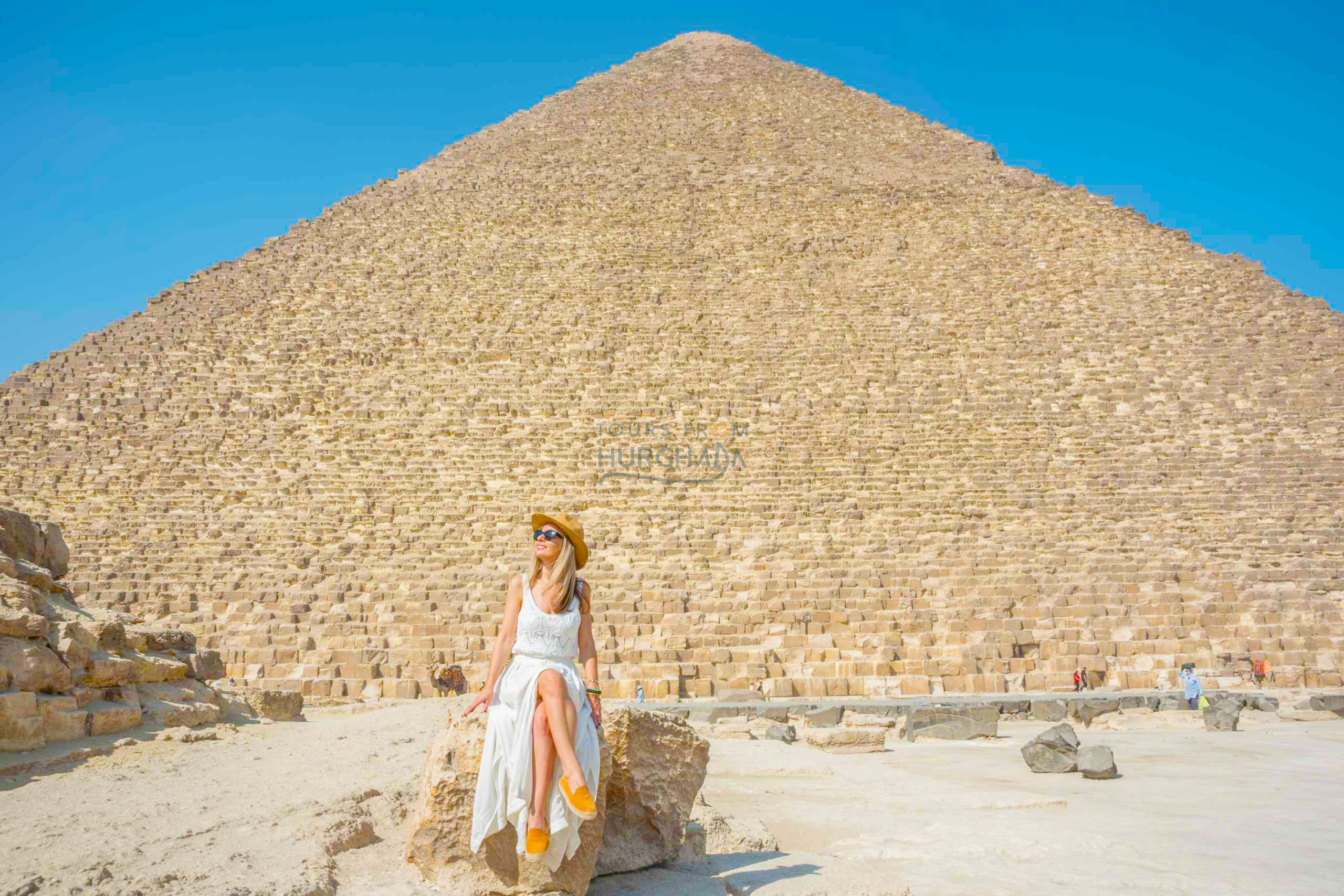
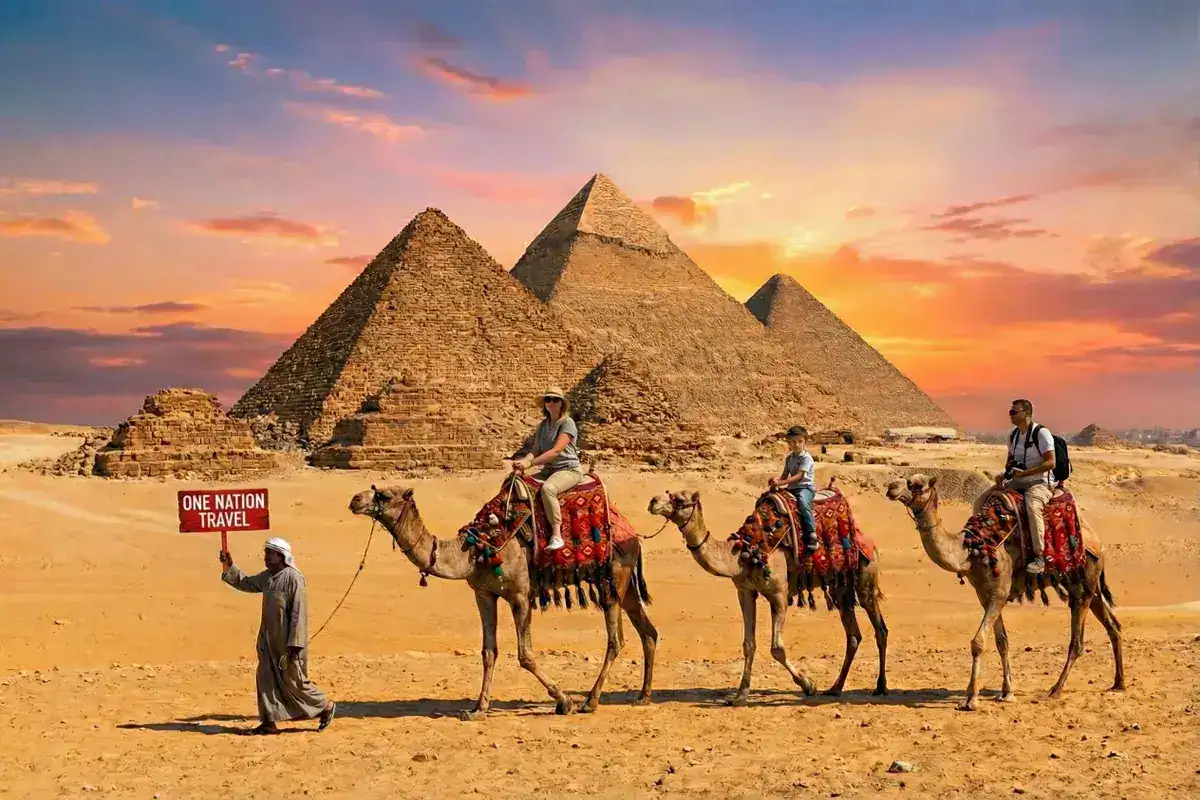
The Great Pyramids of Giza, the Valley of the Kings, and the temples of Luxor are more than just tourist attractions; they are symbols of human ingenuity that define our global heritage. This "soft power" gives Egypt an international prestige that few other nations possess. In 2026, the Grand Egyptian Museum (GEM) stands as the world's largest archaeological institution, serving as a global center for research and preservation.
Culturally, Egypt dominates the Arab world’s media landscape. For decades, Egyptian cinema, music, and literature have been the standard-bearers for the Arabic-speaking world. The Egyptian dialect is the most widely understood across the Middle East, ensuring that Egyptian values, humor, and political discourse resonate from Morocco to Iraq.
Egypt as an Energy Hub for the 21st Century
In recent years, Egypt has pivoted from being an energy importer to a significant regional exporter, particularly of natural gas. The discovery of the Zohr gas field—the largest in the Mediterranean—has allowed Egypt to become a central node in the East Mediterranean Gas Forum (EMGF).
| Strategic Asset | Primary Function | Global/Regional Impact |
|---|---|---|
| Suez Canal | Maritime Logistics | Controls 12% of world trade; reduces shipping costs. |
| Zohr Gas Field | Energy Production | Supplies LNG to Europe, reducing reliance on other sources. |
| BRICS+ Membership | Geopolitical Alignment | Increases South-South cooperation and non-dollar trade. |
| Grand Egyptian Museum | Cultural Tourism | Preserves 100,000+ artifacts; drives global tourism revenue. |
| New Administrative Capital | Governance/Urbanism | Modernizes state functions; serves as a tech-hub model. |
By 2026, Egypt has also emerged as a leader in green hydrogen production. Utilizing its vast solar and wind resources in the Eastern Desert and along the Red Sea coast, Egypt is positioning itself as a primary supplier of clean energy to Europe. The "GREGY" interconnection project, which links the Egyptian and Greek power grids, is a testament to Egypt's importance in the European Union’s energy diversification strategy.
The New Administrative Capital (NAC) and Modernization
To address the challenges of overpopulation and aging infrastructure in Cairo, Egypt embarked on the construction of the New Administrative Capital. In 2026, the NAC is the fully operational seat of government. This project is important not just for Egypt's internal governance but as a massive engineering and urban planning case study.
The NAC represents Egypt's move toward a digital economy. It houses "Knowledge City" and various innovation hubs designed to transition the country’s economy from labor-intensive sectors to technology and services. This modernization effort is crucial for maintaining the country's economic competitiveness and providing jobs for its large youth population.
Religious Significance and Educational Leadership
Egypt is a center of religious gravity for both Muslims and Christians. Al-Azhar University in Cairo, founded in the 10th century, remains the world's most prestigious institution for Sunni Islamic learning. Its scholars provide the theological framework that influences millions of Muslims globally, often promoting a moderate interpretation of Islam that counters extremist narratives.
Simultaneously, Egypt is home to the Coptic Orthodox Church, one of the oldest Christian denominations in the world. The historical flight of the Holy Family to Egypt and the country's rich monastic tradition make it a site of immense spiritual importance for the global Christian community. This religious pluralism, though sometimes tested, remains a cornerstone of Egypt's national identity and its role as a cultural bridge.
Frequently Asked Questions
Why is the Suez Canal so important to the world economy?
The Suez Canal is the most efficient link between the manufacturing hubs of Asia and the consumer markets of Europe. By eliminating the need to sail around Africa, it saves trillions of dollars in shipping costs annually. In 2026, its role is even more critical as global "just-in-time" supply chains rely on the canal's predictability to prevent inflationary spikes.
How does Egypt influence Middle Eastern politics?
Egypt influences the region through "weight of numbers" and historical prestige. It possesses the largest standing army in the Arab world and has a long history of diplomatic leadership within the Arab League. Its unique position as a country that has a peace treaty with Israel while maintaining deep ties with Arab nations makes it the "indispensable mediator" in regional crises.
What is Egypt's role in the global energy market?
Egypt has become a major exporter of Liquefied Natural Gas (LNG) and is rapidly becoming a hub for green energy. Through subsea electricity cables and pipelines, Egypt acts as a conduit for energy flowing from the Eastern Mediterranean and Africa into the European grid, assisting in global energy security and the transition to renewables.
Is Egypt a safe place for international investment in 2026?
Egypt has implemented significant economic reforms under its "Vision 2030" plan, including currency liberalization and new investment laws. While regional tensions occasionally create headwinds, the Egyptian government’s focus on mega-projects like the New Administrative Capital and its membership in BRICS+ have created a more structured and attractive environment for foreign direct investment (FDI).
What makes Ancient Egypt's history still relevant today?
Ancient Egyptian history is the foundation of many modern sciences, including chemistry (khemeia), medicine, and engineering. Furthermore, Egyptology remains one of the world's most popular academic and tourist interests, driving millions of visitors to Egypt every year, which supports the global travel industry and fosters international cultural exchange.
Practical Recommendations for Engaging with Egypt
For businesses, researchers, or travelers looking to engage with Egypt in 2026, the following steps are recommended:
- Monitor the Suez Canal Economic Zone: Investors should look toward the SCZONE for manufacturing opportunities, particularly in green energy and logistics, as tax incentives and streamlined regulations are at their peak.
- Leverage Cultural Tourism: For those in the travel sector, the full opening of the Grand Egyptian Museum and the revitalization of historic Cairo offer unprecedented opportunities for high-end cultural experiences.
- Energy Partnerships: European and Asian energy firms should prioritize partnerships with the Egyptian Ministry of Petroleum and Mineral Resources as the country expands its role in the Mediterranean gas and green hydrogen markets.
- Academic Collaboration: Scholars and institutions should engage with Al-Azhar and the New Administrative Capital’s universities, which are becoming regional hubs for both theological and technological research.
Egypt’s importance is a permanent fixture of geography and history. As the world moves further into the 21st century, the nation's ability to evolve while maintaining its role as a strategic crossroads ensures that Egypt will remain central to the global narrative for centuries to come.
Image Gallery