Understanding and Addressing a Securian Life Insurance Rejection
Receiving a rejection notice from Securian Life Insurance can be a distressing experience, but it does not necessarily mark the end of your options. A denial is often based on specific underwriting criteria, medical history, or adminis...
Receiving a rejection notice from Securian Life Insurance can be a distressing experience, but it does not necessarily mark the end of your options. A denial is often based on specific underwriting criteria, medical history, or administrative errors. By identifying the root cause of the rejection, communicating with the insurer, and exploring alternative pathways, you can often clarify the situation or pursue a viable remedy.
Contents
Dissecting the Decision: Why Policies Are Denied
When an insurance company like Securian issues a rejection, it is almost never a random decision. Life insurance underwriting is a rigorous, data-driven process designed to assess the risk the applicant poses to the insurer. Understanding the "why" is the first step toward resolution.
Medical Underwriting and Health Records
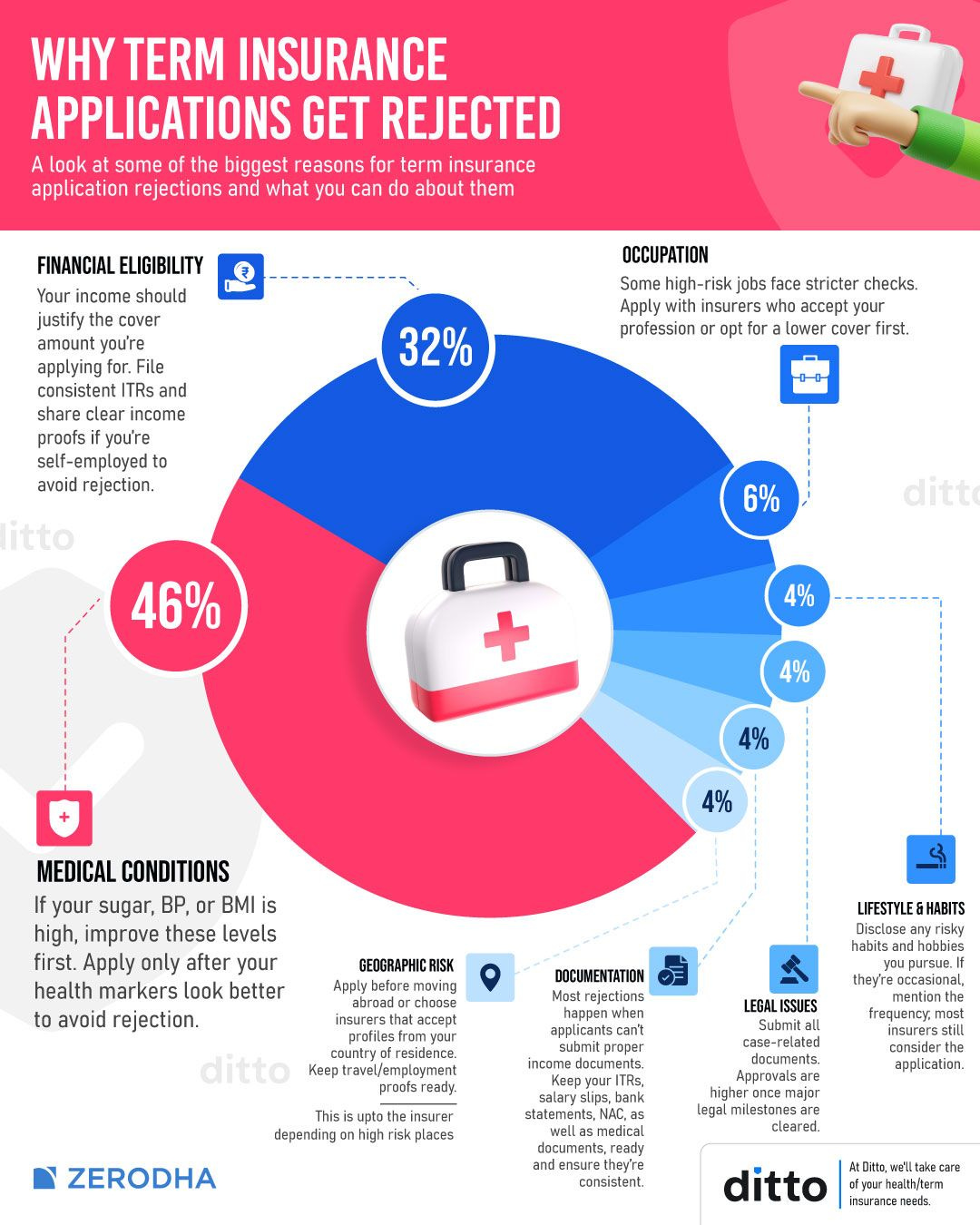
The most frequent cause for a life insurance rejection is a mismatch between the applicant’s health profile and the insurer’s risk tolerance. During the application process, Securian reviews medical records, prescription drug databases, and paramedical exam results. If an applicant has a history of chronic conditions—such as heart disease, uncontrolled diabetes, or certain cancers—the company may determine that the risk exceeds their internal guidelines for the requested policy type.
It is important to recognize that "rejected" does not always mean "uninsurable." Different policies have different thresholds for risk. A rejection for a fully underwritten preferred-rate policy might not apply to a simplified-issue or guaranteed-issue policy, which may carry higher premiums but fewer health requirements.
Administrative Discrepancies and Omissions
Sometimes, a rejection is not driven by medical factors but by administrative friction. If an application contains inconsistent information, missing signatures, or unexplained gaps in employment or financial data, the insurer may issue a denial to protect against fraud or errors. In these cases, the rejection acts as a placeholder while the insurer awaits clarification. If you suspect an administrative error, requesting your underwriting file is a crucial step to identify the specific missing or conflicting data.
Lifestyle and Occupational Hazards
Securian, like other major insurers, assesses "avocation" and occupation risks. If your profession involves high-risk activities—such as commercial aviation, deep-sea diving, or professional motor racing—or if your personal lifestyle involves hazardous hobbies, the insurer may classify you as a high-risk applicant. If these factors were not disclosed correctly, or if the insurer deems the risk unmanageable within their standard policy framework, a rejection may be the automatic result of their internal algorithms.
Comparing Life Insurance Underwriting Outcomes
| Outcome Category | Primary Cause | Typical Resolution |
|---|---|---|
| Declined | High medical risk or unverified data | Appeal with new evidence or seek alternative carriers |
| Rated/Table Rating | Moderate health issues | Acceptance of higher premiums |
| Postponed | Recent medical event or surgery | Re-apply after a defined stability period |
| Incomplete | Missing forms or medical records | Submit requested documentation to reopen |
Steps to Take After Receiving a Rejection
If you receive a letter stating that your Securian life insurance application has been rejected, do not discard the correspondence. The letter serves as your formal notice and usually contains vital information regarding the reason for the decision.
1. Request the Formal Reasons for Denial
Under the Fair Credit Reporting Act (FCRA), if an insurance company takes an "adverse action" based on information from a consumer reporting agency (like the MIB Group), they must provide you with a notice. This notice entitles you to a free copy of the report used to make the decision. Reviewing this document helps you identify if the denial was based on factual errors, such as a misdiagnosed condition or a record belonging to another person with your name.
2. Consult Your Insurance Producer
If you applied through an independent agent or a financial advisor, contact them immediately. These professionals act as intermediaries and can often provide insight into why the underwriter made their decision. They may have a direct line to the underwriting department to discuss whether a "reconsideration" is possible if you can provide additional medical records or context that was missing during the initial review.
3. Determine if an Appeal is Viable
An appeal is appropriate only when you believe the insurer has made a factual error. For example, if the rejection was based on a blood pressure reading that you have since corrected through medication or lifestyle changes, or if a medical record used to deny you was outdated, you have grounds to challenge the decision. You will need to collect current medical evaluations from your primary care physician and submit them formally to Securian’s underwriting department.
Exploring Alternatives When Rejection Is Final
If Securian confirms that you do not qualify for the policy you applied for, it does not mean you cannot obtain life insurance elsewhere or through a different product structure.
- Simplified Issue Policies: These policies often involve fewer medical questions and no medical exam. While the coverage amount might be lower and the cost higher, they provide a path to coverage for those with minor health concerns.
- Guaranteed Issue Life Insurance: Designed for individuals with significant health issues, these policies do not require a medical exam or health questions. However, they typically come with a "graded death benefit," meaning the full payout may not be available until a certain number of years have passed.
- Group Life Insurance: Check your employer’s benefits package. Group life insurance provided through an employer often has "guaranteed issue" amounts that do not require medical underwriting. This is often the most accessible path for individuals who have been declined by private individual insurers.
Common Pitfalls to Avoid
When navigating a rejection, it is tempting to rush into a new application with another company. However, be cautious:
- Do Not Lie on New Applications: Any material misrepresentation on a new application can lead to a denial of future claims for your beneficiaries.
- Avoid "Shopping" Too Quickly: Every time you apply for life insurance, it may be recorded in the MIB Group database. Multiple rejections in a short period can raise "red flags" for future underwriters. Work with a broker who can perform a "pre-screen" or "informal inquiry" with multiple companies before submitting a formal application.
Frequently Asked Questions
Does a rejection from Securian go on my permanent record? Yes, information regarding your application status is often reported to the MIB Group. Other insurance companies may see that an application was made and declined. However, they do not necessarily see the confidential medical details unless you authorize the release of that information.
Can I re-apply for a policy with Securian later? Yes. If the reason for your rejection was related to a temporary health issue or a missing medical record, you can re-apply once your health has stabilized or once you have gathered the necessary documentation. Most carriers recommend waiting at least six to twelve months before re-applying to demonstrate health stability.
Will I get a refund of my initial deposit? If you submitted a premium payment with your application, Securian is required to refund that amount if the application is declined. Check your original application receipt to confirm the status of any funds held in escrow or deposit.
Should I hire a lawyer if I am rejected? In most cases, legal counsel is unnecessary unless you believe the insurer is acting in bad faith, violating state insurance regulations, or discriminating against you illegally. Most issues can be resolved through your insurance agent or by providing updated medical evidence.
What is an "informal inquiry"? An informal inquiry is a method used by brokers to check your eligibility with an insurer’s underwriting department without creating a formal application record. It is a highly effective way to gauge your chances of approval before committing to a full application.
Moving Forward
If your application has been rejected, remain proactive. Review the specific reasons provided by the insurer, consult with your primary healthcare provider to ensure your medical records are accurate, and speak with your insurance agent about the possibility of an appeal or an alternative policy type. Life insurance is a critical component of financial planning; while a rejection is a setback, it is frequently a manageable hurdle rather than a permanent barrier to securing coverage.
Image Gallery