How to Find and Open the Hood Release in a Honda Pilot
To find the hood release in a Honda Pilot, locate the primary release handle inside the cabin on the driver’s side, typically situated low on the kick panel near the door or under the dashboard. Pull the handle until you hear the hood...
To find the hood release in a Honda Pilot, locate the primary release handle inside the cabin on the driver’s side, typically situated low on the kick panel near the door or under the dashboard. Pull the handle until you hear the hood click. Then, go to the front of the vehicle, reach under the center edge of the hood, and slide the secondary safety latch to the side to lift the hood fully.
Contents
Understanding the Honda Pilot Hood Release System
The Honda Pilot, throughout its four generations leading into 2026, has maintained a relatively consistent design philosophy regarding interior ergonomics. However, for new owners or those who have recently transitioned from a different vehicle manufacturer, the specific placement and operation of the hood release can be a point of minor confusion. Knowing how to access the engine bay is a fundamental skill for routine maintenance, such as checking engine oil levels, refilling windshield washer fluid, or inspecting the battery.
Every Honda Pilot utilizes a two-stage locking mechanism. This is a critical safety feature designed to prevent the hood from accidentally flying open while the vehicle is in motion. The first stage is controlled from inside the cabin, while the second stage is a manual latch located at the front of the vehicle. Understanding both components is essential for safely and efficiently accessing the engine compartment.
Locating the Interior Hood Release Handle
In virtually all Honda Pilot models—from the original 2003 versions to the redesigned 2026 models—the interior hood release handle is located on the driver's side. You will find it tucked away in the lower area of the dashboard or on the side kick panel near the floor.
Step-by-Step Interior Location
- Open the Driver's Side Door: To get the best view and reach, ensure the driver's door is fully open.
- Look Near the Left Footwell: Position your eyes toward the area where your left foot rests while driving (the "dead pedal" area).
- Identify the Handle: Look for a plastic handle, usually black, featuring an icon of a car with its hood raised.
- The Release Action: Grip the handle firmly with your fingers and pull it toward you (outward from the wall of the car). You should feel a distinct resistance followed by a "pop" sound as the primary latch disengages.
Potential Variations and Confusion
In some Honda Pilot trim levels, particularly older models, the fuel door release lever is located on the floor right next to the driver's seat. It is important not to confuse the two. The hood release is almost always mounted on the vertical surface of the kick panel or the underside of the dash, whereas the fuel release is often a floor-mounted pull-tab. If you pull a lever and the hood doesn't move, check the floor for a secondary lever that you may have grabbed by mistake.
Operating the Exterior Secondary Safety Latch
Once the interior handle has been pulled, the hood will pop up approximately one to two inches, but it will remain held in place by the safety latch. This secondary mechanism is the only thing preventing the hood from opening further.
Finding the Latch
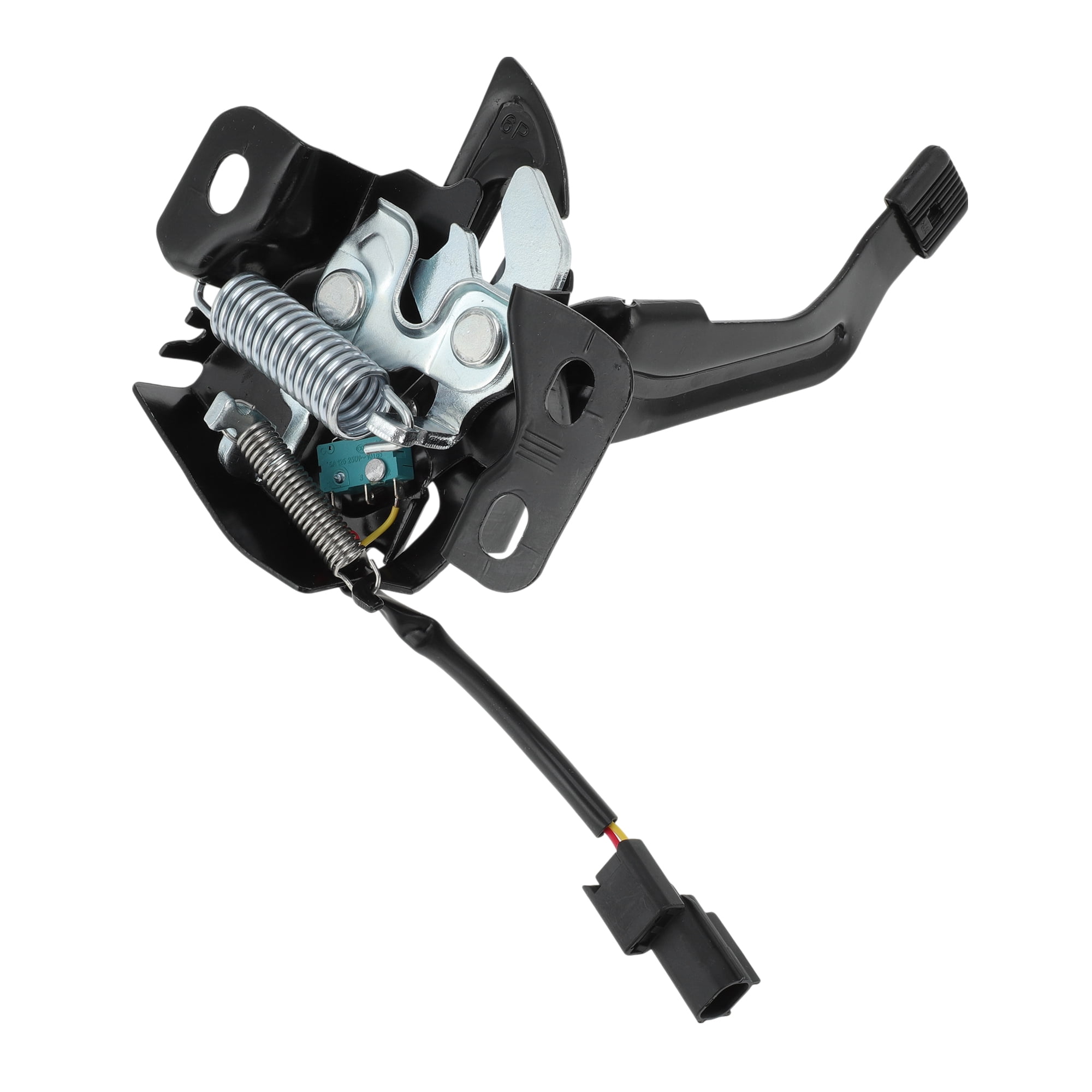
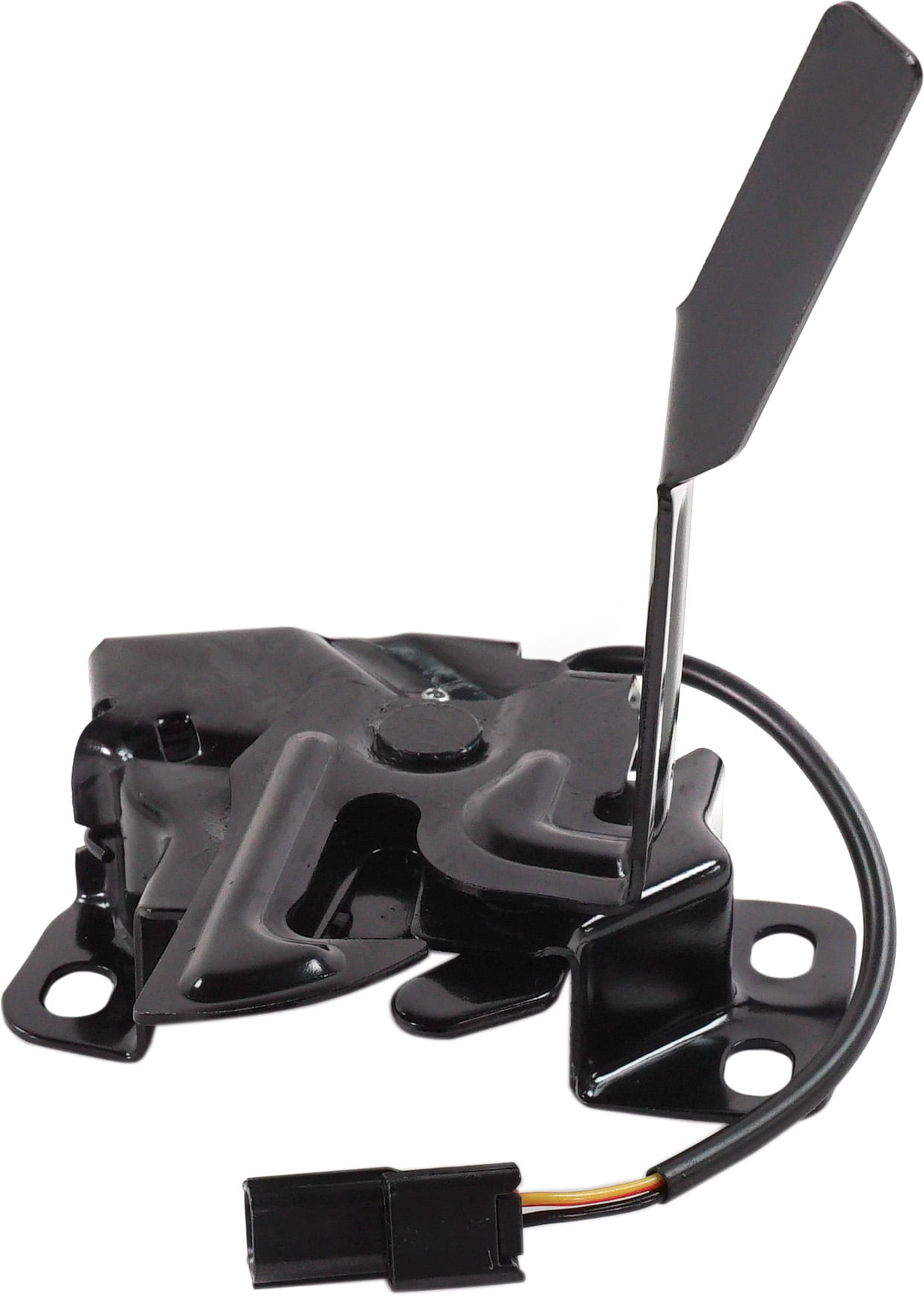
Stand at the front of the vehicle, facing the Honda "H" emblem on the grille. Insert your hand into the gap between the hood and the grille, slightly to the center or just a few inches toward the driver's side (depending on the specific model year). You are feeling for a small metal or plastic lever.
Releasing the Latch
On most Honda Pilots, the secondary latch must be pushed to the side (usually to the left or right) or squeezed upward. For the 2023–2026 generations, the motion is typically a sideways slide. While holding this lever in the released position, use your other hand to lift the hood.
Securing the Hood: Prop Rods vs. Hydraulic Struts
Once the hood is open, it must be secured so it does not fall and cause injury. The method for securing the hood varies significantly depending on the age and trim level of your Honda Pilot.
The Manual Prop Rod
Most standard Honda Pilots use a manual prop rod. This is a long metal bar usually resting along the front radiator support or clipped to the underside of the hood itself.
- Deployment: Unclip the rod and swing it upward.
- Insertion Point: Look for a designated hole on the underside of the hood, often marked with an arrow or the word "UP." Insert the end of the rod into this hole securely.
Hydraulic Gas Struts
Higher-end trims or modified Honda Pilots may use hydraulic gas struts. In this case, you simply lift the hood, and the pressurized struts will hold the weight of the hood automatically. If your Pilot is equipped with these, ensure they are in good condition; if the hood feels heavy or starts to "creep" downward, the struts may be failing and require replacement for safety.
Technical Specifications and Differences by Generation
To help you identify the specific nuances of your vehicle, the following table outlines the hood release characteristics across the major Honda Pilot production cycles.
| Generation | Model Years | Interior Release Location | Support Type | Latch Motion |
|---|---|---|---|---|
| First Gen | 2003–2008 | Driver Side Kick Panel | Manual Prop Rod | Upward/Side |
| Second Gen | 2009–2015 | Lower Left Dash | Manual Prop Rod | Side Slide |
| Third Gen | 2016–2022 | Lower Left Dash | Manual Prop Rod | Side Slide |
| Fourth Gen | 2023–2026 | Kick Panel (Near Door) | Prop Rod (Standard) | Side Slide |
Troubleshooting Common Hood Release Issues
Occasionally, the hood release mechanism may fail. This can be frustrating, especially if you need to jump-start the battery or check fluids in an emergency.
The Handle Feels Loose
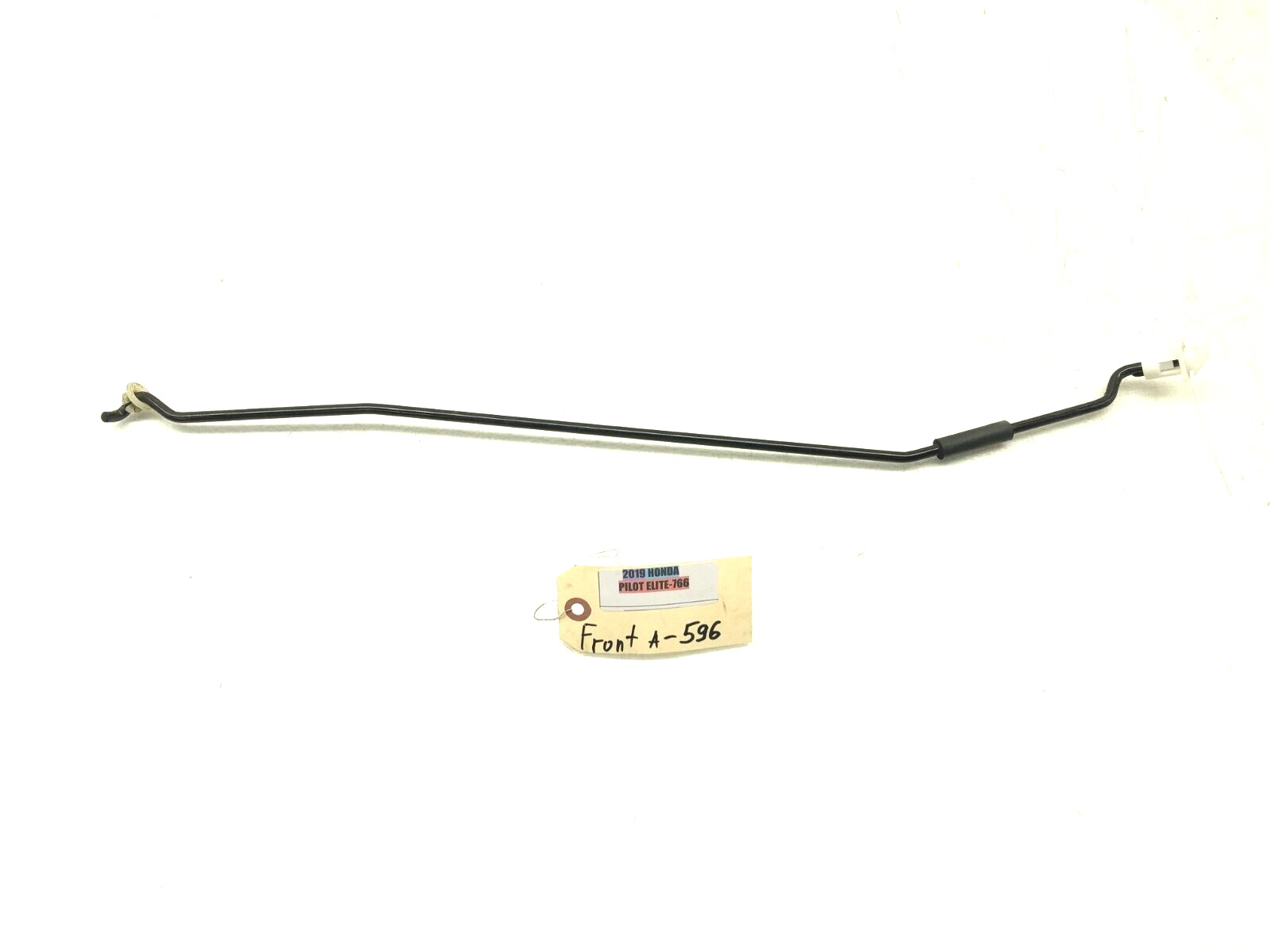
If you pull the interior handle and there is no resistance, the release cable may have snapped or become detached from the handle. In this scenario, you may need to use pliers to grasp the inner wire of the cable (if accessible) to pull it manually. If the cable is broken deep within the dash, a professional technician will be needed to bypass the interior release.
The Hood is Stuck or "Frozen"
In colder climates, ice can build up around the edges of the hood, or the latch itself can become "frozen" with road salt and grime.
- The Two-Person Technique: Have one person sit in the driver's seat and hold the release handle in the "pulled" position. While they hold it, a second person should gently but firmly press down on the front of the hood. This can often relieve the pressure on a jammed latch and allow it to pop open.
- Lubrication: If the latch is sticky, once you do get it open, clean it with a degreaser and apply a high-quality white lithium grease to the moving parts.
Stretched Cable
Over years of use, the Bowden cable (the metal cable inside the plastic sheath) can stretch. This means that pulling the handle all the way doesn't quite pull the latch far enough to release it. You can often temporarily fix this by adding a small spacer at the end of the cable or by having the cable tension adjusted at a service center.
Safety Precautions and Maintenance
Working under the hood involves certain risks. Always follow these safety guidelines:
- Engine Temperature: Never attempt to open the hood if you see steam or smoke pouring out. Wait for the engine to cool down significantly before touching any components.
- Closing the Hood: To close the hood properly, lower it until it is about 10–12 inches from the latch, then let it drop. Avoid "pressing" the hood closed with your palms, as modern aluminum or thin-steel hoods can easily dent. Always check that it is fully latched by trying to lift it without using the interior release.
- Cleanliness: Keep the latch area free of leaves, twigs, and debris. Debris can trap moisture, leading to premature corrosion of the safety mechanism.
Related Maintenance Requiring Hood Access
Finding the hood release is the first step in several critical maintenance tasks. For the 2026 Honda Pilot, regular inspections are key to longevity:
- Checking Oil: Locate the orange or yellow dipstick. Ensure the vehicle is on level ground.
- Brake Fluid: The reservoir is typically located near the back of the engine bay on the driver's side.
- Battery Inspection: Check for corrosion on the terminals. The Honda Pilot battery is usually positioned on the front left or right of the engine compartment.
Frequently Asked Questions
What should I do if the interior hood release handle breaks off?
If the plastic handle breaks, you can often see the end of the metal cable. You can use a pair of needle-nose pliers to firmly grip the lead or "slug" at the end of the cable and pull it toward the rear of the vehicle to trigger the latch. It is recommended to replace the handle assembly as soon as possible to avoid damaging the cable itself.
Is the hood release in the same spot for right-hand drive Honda Pilots?
Yes, in right-hand drive markets, the hood release is still located on the driver's side (the right side of the vehicle). Honda typically mirrors the interior release location to ensure it is always accessible to the operator of the vehicle.
Can I open the hood from the outside if the cable is broken?
Opening the hood from the outside without the cable is difficult by design to prevent theft. However, it can often be done by reaching through the front grille with a long screwdriver or hook tool to manually trip the primary latch. This requires specific knowledge of the latch orientation and should usually be left to a mechanic to avoid damaging the grille or radiator.
Why is there a second latch under the hood?
The secondary latch is a safety requirement. If the primary interior release were to be pulled accidentally while driving at high speeds, or if the primary latch failed due to a mechanical error, the secondary latch ensures the hood only moves an inch or two rather than flying up and obscuring the driver's vision entirely.
Final Recommendations
For the best experience with your Honda Pilot, familiarize yourself with the hood release location before you actually need it. Periodically applying a spray lubricant to the exterior latch will ensure it remains easy to operate, especially in regions with harsh winters. If you find that the hood requires excessive force to open or close, consult your local Honda service department to have the latch and cable tension inspected, as this is a vital safety component of your vehicle.
Image Gallery