The Anatomy of the Cable Television Decline: Market Shifts and Consumer Migration
The systemic decline of cable television stems from a broad migration toward subscription video-on-demand (SVOD) and free ad-supported streaming television (FAST), driven by escalating subscription fees, inflexible bundling, and a wide...
The systemic decline of cable television stems from a broad migration toward subscription video-on-demand (SVOD) and free ad-supported streaming television (FAST), driven by escalating subscription fees, inflexible bundling, and a widespread demand for on-demand convenience. This structural shift has permanently altered media consumption habits, financial models, and telecommunication infrastructure requirements globally.
Contents
The Evolution of Pay-TV and the Catalyst for Change
For decades, traditional pay-TV—comprising analog and digital cable alongside satellite television—served as the primary conduit for home entertainment. Households subscribed to expansive channel lineups packed with sports, news, and entertainment networks. However, the economic model of traditional television relied heavily on bundling. Consumers were forced to pay for dozens of networks they never watched to access the few they desired.
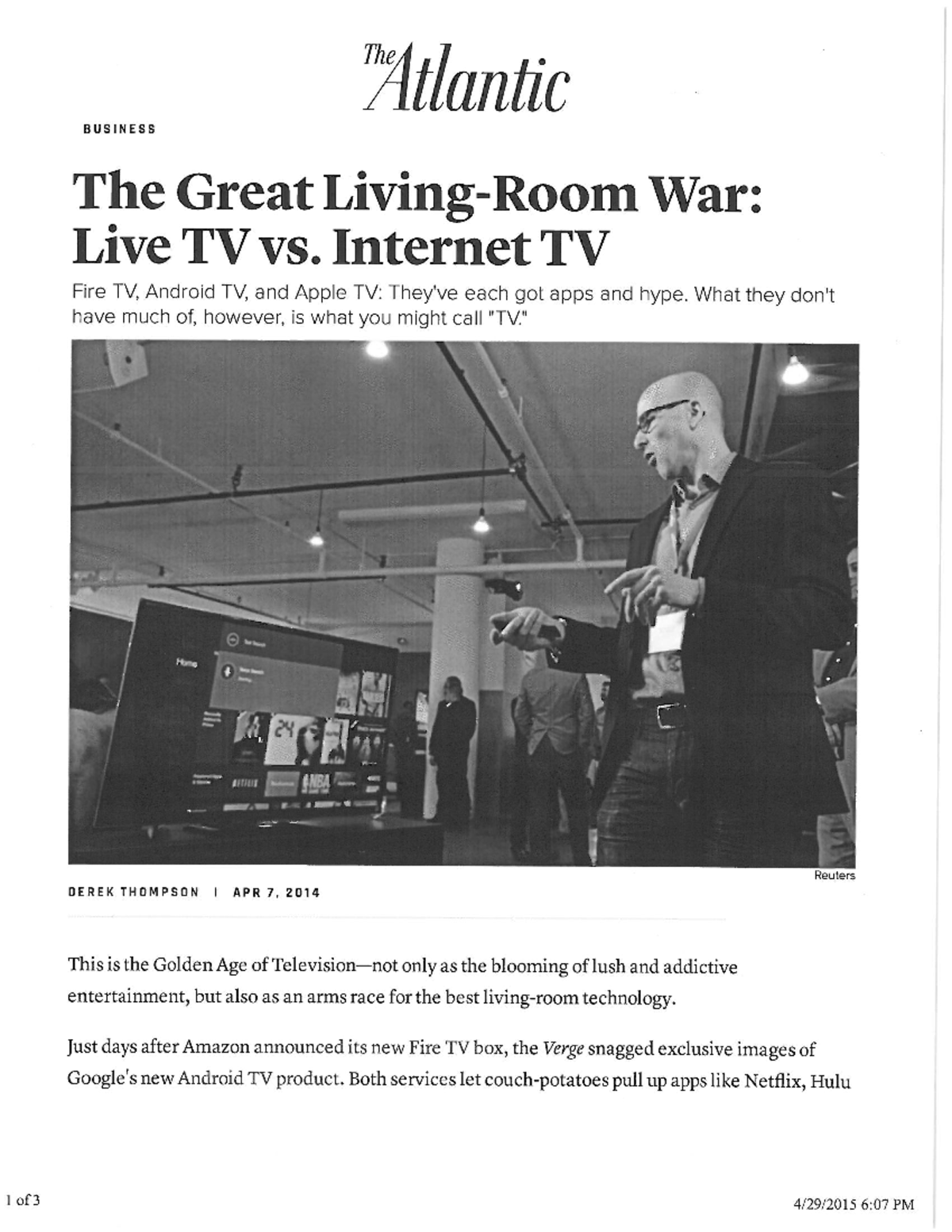
As broadband internet penetration matured, alternative distribution mechanisms emerged. High-speed internet enabled video delivery directly to connected devices, bypassing proprietary cable infrastructure. Consumers quickly realized that streaming services offered granular control over their viewing habits without long-term service contracts or equipment rental fees. This realization ignited a multi-year wave of "cord-cutting," where households systematically canceled their traditional pay-TV packages in favor of internet-delivered alternatives.
Economic Pressures: Rising Costs and Value Perceptions
One of the most powerful drivers behind the decline of cable television is the relentless escalation of consumer costs. Over the past fifteen years, monthly cable bills outpaced general inflation. Telecommunications operators layered on supplementary charges, including broadcast TV fees, regional sports surcharges, and high-definition set-top box rental fees. These hidden costs often inflated an advertised base price by thirty to fifty percent.
Concurrently, the perceived value of cable eroded. While cable operators maintained rigid linear schedules—forcing viewers to tune in at specific times or rely on complex digital video recorder (DVR) configurations—streaming platforms popularized asynchronous, on-demand viewing. Consumers balked at paying upwards of one hundred dollars per month for scheduled programming punctuated by commercial breaks, especially when cheaper streaming alternatives offered immediate access to complete series catalogs.
Traditional Cable Versus Modern Streaming Models
| Feature | Traditional Cable Television | Modern Streaming Services (SVOD/FAST) |
|---|---|---|
| Delivery Mechanism | Coaxial cable, fiber-to-the-home (RF), or satellite dish | Broadband internet connection (Wi-Fi or Ethernet) |
| Pricing Structure | Bundled tiers with equipment rentals and hidden surcharges | Tiered monthly subscriptions (ad-free vs. ad-supported) or free ad-supported models |
| Flexibility | Rigid programming schedules; multi-year contracts common | On-demand access; month-to-month cancel-anytime terms |
| Hardware Requirements | Dedicated set-top box, cable cards, or specialized satellite dishes | Smart TVs, streaming sticks (Roku, Fire TV), or mobile devices |
| Content Discovery | Electronic Program Guide (EPG) and channel surfing | Algorithmic recommendations and searchable catalogs |
The Impact of Cord-Cutting on Telecommunication Infrastructure
The flight from linear television has forced cable operators and telecommunication companies to fundamentally restructure their business models. Historically, television subscriptions and high-speed internet operated as a dual-revenue engine, with video margins subsidizing network maintenance and expansion.
As video subscriber counts dwindle, cable operators now position themselves primarily as internet service providers (ISPs). To offset lost video revenue, many ISPs implement data caps or increase broadband-only pricing. This dynamic has accelerated network upgrades, as operators shift capital expenditure away from QAM (Quadrature Amplitude Modulation) broadcast spectrum toward fiber-optic deployment and DOCSIS (Data Over Cable Service Interface Specification) technological advancements designed to maximize upstream and downstream data throughput.
Furthermore, traditional media conglomerates that once relied exclusively on cable affiliate fees have been forced to launch their own direct-to-consumer streaming applications. This transition has proven financially turbulent, as the high cost of content production and platform infrastructure often fails to match the high-margin profitability of the legacy cable bundle.
The Proliferation of Alternatives: SVOD, MVPDs, and FAST
The fragmentation of the television landscape introduced several distinct categories of video distribution that collectively replaced traditional cable:
- Subscription Video-on-Demand (SVOD): Premium platforms requiring a recurring monthly fee for ad-free or light-ad viewing of original series, movies, and licensed content. Examples include Netflix, Max, and Disney+.
- Virtual Multichannel Video Programming Distributors (vMVPDs): Services that deliver live linear television networks over the internet rather than through proprietary cables. Platforms like YouTube TV and Hulu + Live TV replicate the traditional channel guide and live sports experience with cloud DVR functionality.
- Free Ad-Supported Streaming Television (FAST): Linear-style channels delivered over the internet at no cost to the viewer, sustained entirely by targeted advertising. Services such as Pluto TV and Tubi mimic traditional channel surfing without financial commitment.
This diverse ecosystem allows consumers to mix and match services, though critics note that subscribing to multiple SVOD platforms can eventually equal or exceed the cost of a traditional cable bill—a phenomenon sometimes referred to as "streamflation."
Frequently Asked Questions
What is driving the ongoing decline of cable television?
The decline is driven by rising subscription costs, mandatory channel bundling, inflexible programming schedules, and the superior convenience and personalization offered by on-demand streaming services and high-speed broadband internet.
Is traditional cable television expected to disappear entirely?
While millions of households continue to cancel traditional packages, complete extinction is unlikely in the near term. Cable television maintains a niche among older demographics, commercial establishments like sports bars and hotels, and rural areas where reliable broadband infrastructure remains limited.
What are vMVPDs, and how do they differ from cable?
Virtual Multichannel Video Programming Distributors (vMVPDs) deliver live television networks over the internet rather than through dedicated coaxial or fiber cables. They offer similar channel lineups to cable but provide contract-free, month-to-month billing and cloud-based storage without set-top box rental fees.
How are traditional cable companies surviving the loss of TV subscribers?
Cable operators have shifted their primary business focus to high-speed internet delivery. As video revenue declines, operators monetize broadband connectivity, capitalizing on the surging data demands of streaming households.
Does streaming save money compared to a traditional cable subscription?
Streaming can save money if consumers selectively subscribe to one or two platforms at a time. However, subscribing to numerous SVOD services, live sports add-ons, and high-tier broadband plans can rival or exceed the cost of legacy cable packages.
Next Actions for Consumers
Evaluating household media spending requires a systematic audit of current entertainment expenses. Consumers looking to optimize their digital subscriptions should review their monthly bank statements to identify active SVOD, vMVPD, and broadband bills. Assessing actual viewing habits will reveal redundant services that can be canceled or rotated on a seasonal basis. Prioritizing robust, high-speed internet connectivity ensures seamless performance across whichever streaming platforms best align with household preferences.
Image Gallery