What the Weber State Respiratory Therapy Program Offers Today: A Comprehensive Guide
The Weber State University (WSU) Respiratory Therapy program offers a robust, multi-tiered educational pathway designed to prepare students for the complexities of modern cardiopulmonary care. Through a combination of rigorous clinical...
The Weber State University (WSU) Respiratory Therapy program offers a robust, multi-tiered educational pathway designed to prepare students for the complexities of modern cardiopulmonary care. Through a combination of rigorous clinical rotations, state-of-the-art simulation labs, and flexible delivery models, the program provides students with the critical diagnostic and therapeutic skills required for professional practice in hospitals, clinics, and specialized respiratory care units.
Contents
Understanding the Scope of the WSU Respiratory Therapy Program
The Weber State Respiratory Therapy program stands as a cornerstone of the university’s Dumke College of Health Professions. As of 2026, the program is recognized for its commitment to the National Board for Respiratory Care (NBRC) standards, ensuring that graduates are prepared for both the Therapist Multiple-Choice (TMC) and the Clinical Simulation Examination (CSE).
Respiratory therapists serve as essential frontline healthcare providers, specializing in the evaluation and treatment of patients with cardiopulmonary disorders. Whether managing mechanical ventilation in an Intensive Care Unit (ICU), administering aerosolized medications, or conducting diagnostic pulmonary function tests, these professionals play a vital role in critical care teams. Weber State’s curriculum is structured to integrate these responsibilities into a cohesive, evidence-based learning environment.
Program Pathways and Academic Structure
Weber State University distinguishes itself by offering various entry points into the profession. Students may pursue an Associate of Applied Science (AAS) degree, which serves as the foundational requirement for professional licensure and credentialing, or a Bachelor of Science (BS) degree in Respiratory Therapy.
The AAS Degree
The Associate of Applied Science in Respiratory Therapy is designed for students seeking entry-level proficiency. This path emphasizes core competency in respiratory physiology, medical terminology, and clinical application. Students spend significant time in local clinical facilities, applying theory to real-world patient scenarios under the supervision of seasoned clinical preceptors.
The Bachelor of Science Degree
For students aiming for leadership, management, or specialized clinical roles, the Bachelor of Science program provides a deeper exploration of critical care management, research methodology, and patient education. The BS program is particularly advantageous for those who intend to transition into management positions or pursue advanced degrees in healthcare administration or clinical medicine.
Online and Hybrid Modalities
Recognizing the diverse needs of modern students, the program has incorporated flexible learning formats. While the hands-on clinical portion remains strictly in-person to ensure patient safety and competency, many didactic courses are offered through hybrid or online platforms, allowing working students to balance professional responsibilities with their academic requirements.
Clinical Training and Simulation Facilities
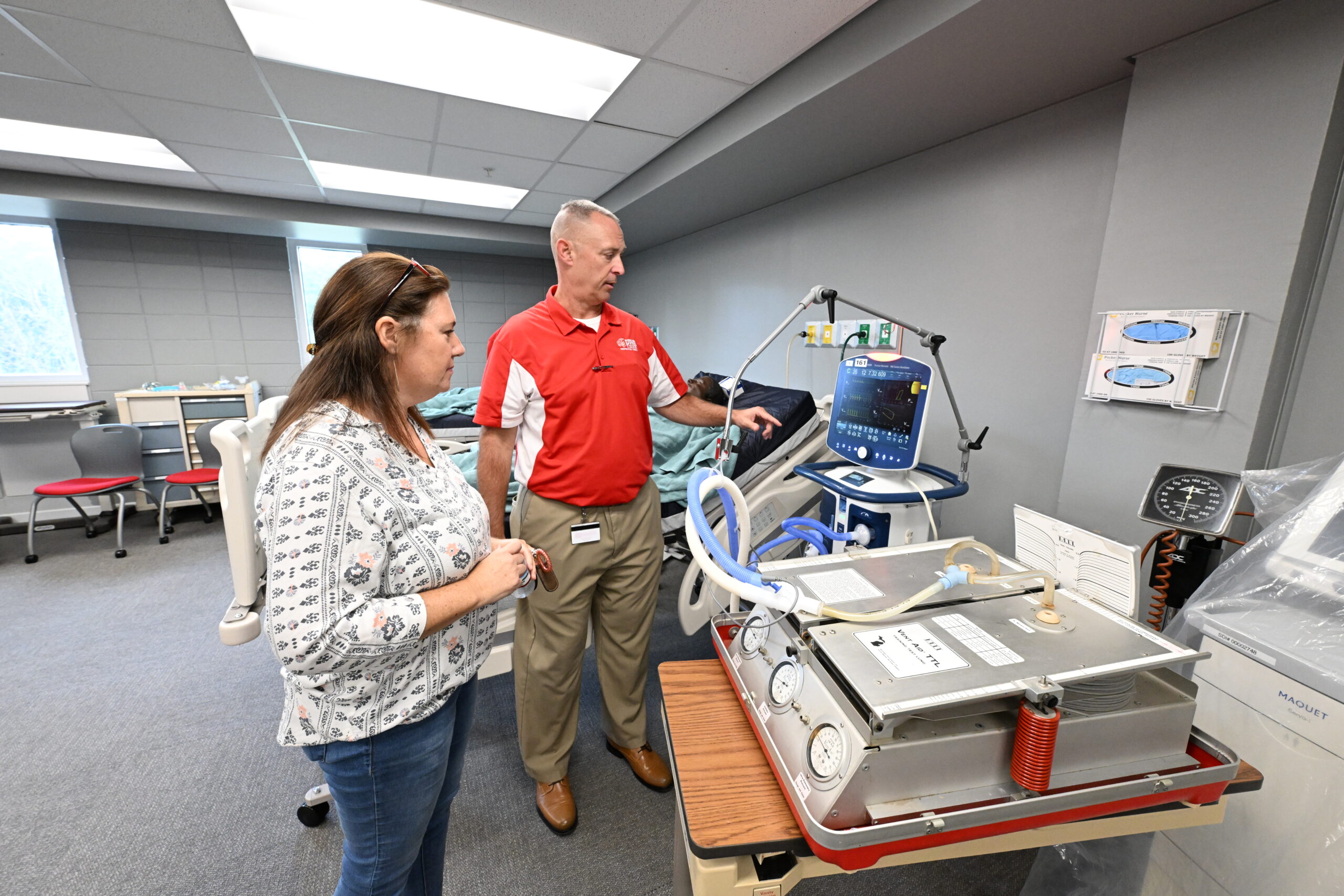
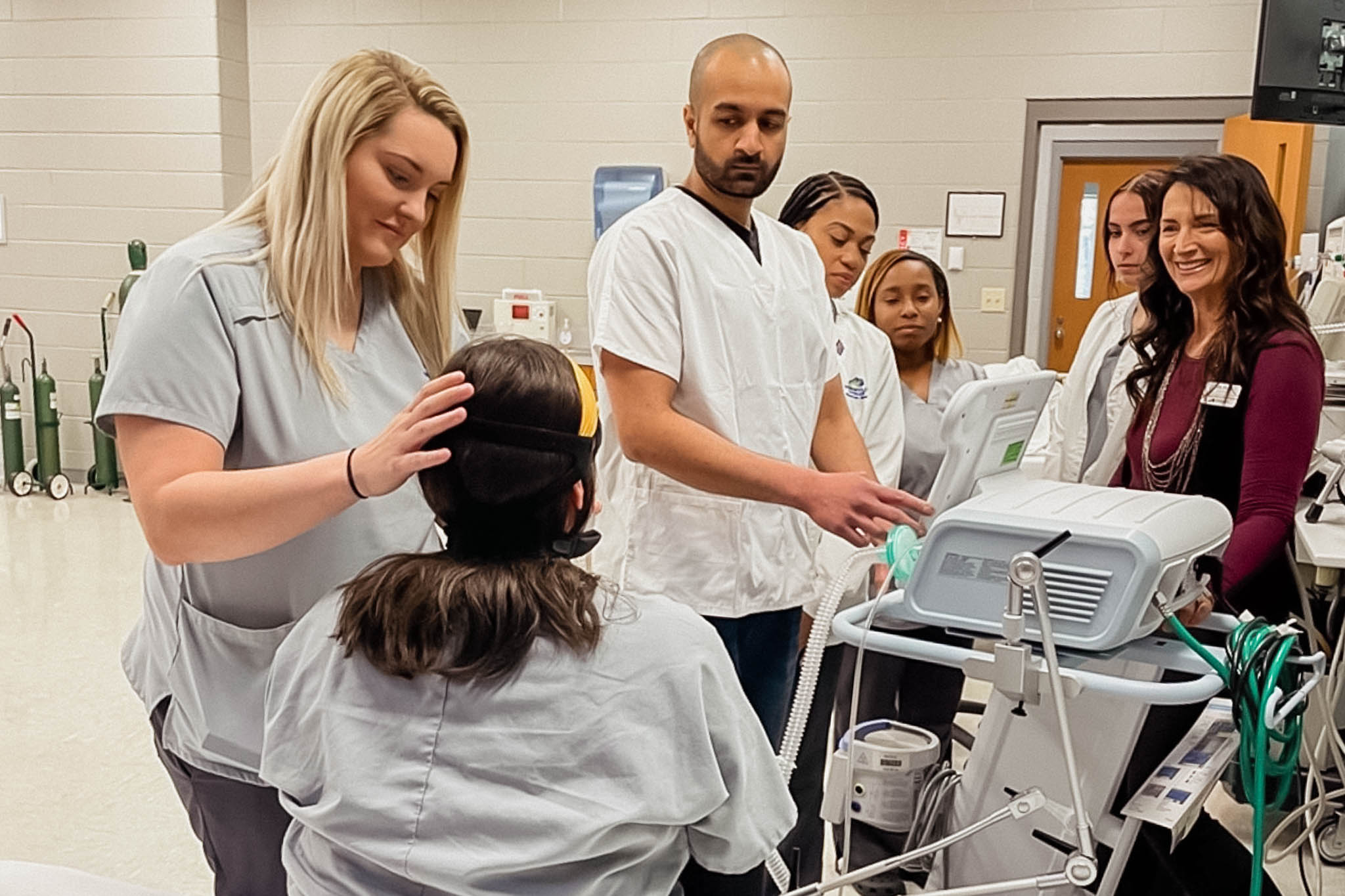
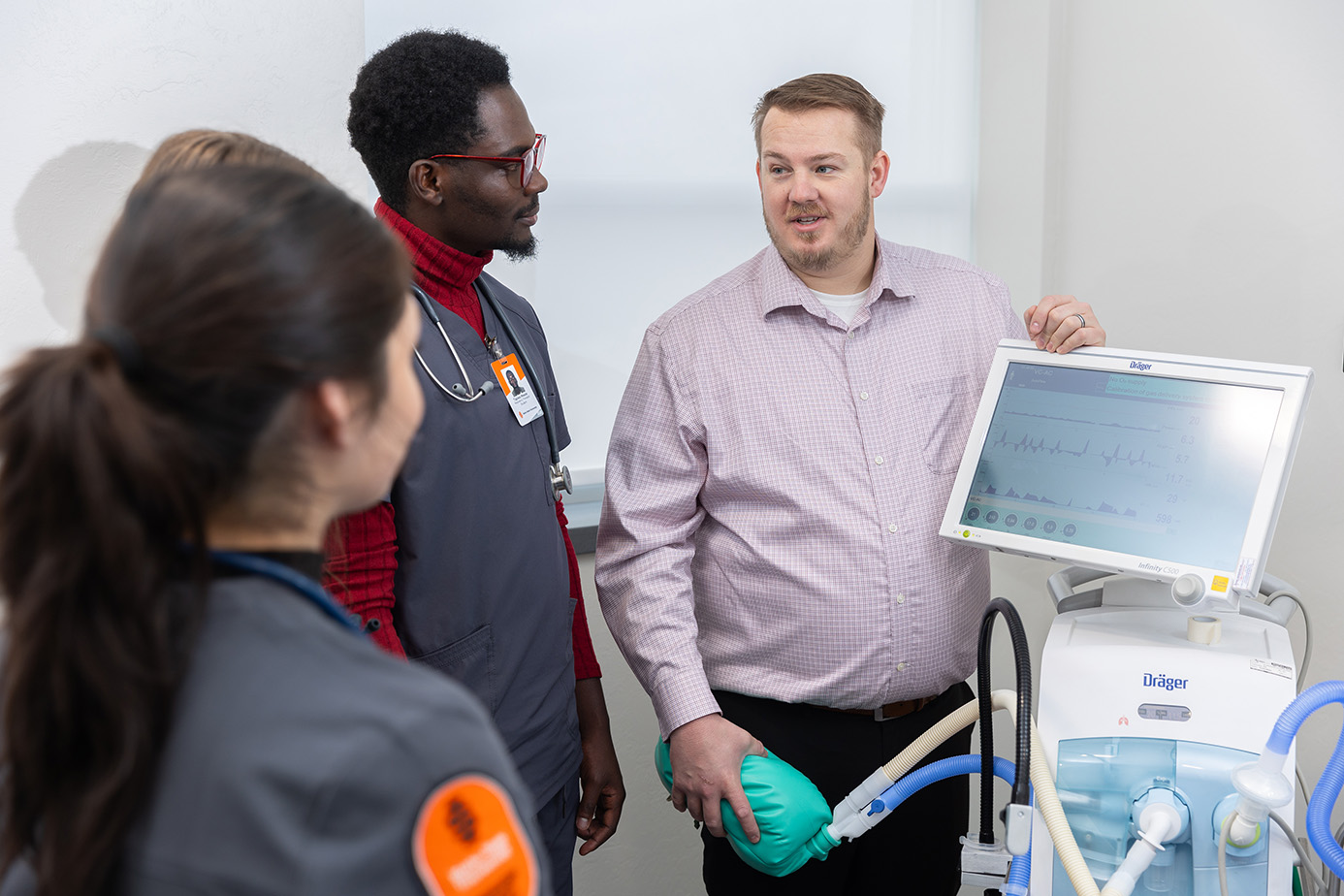
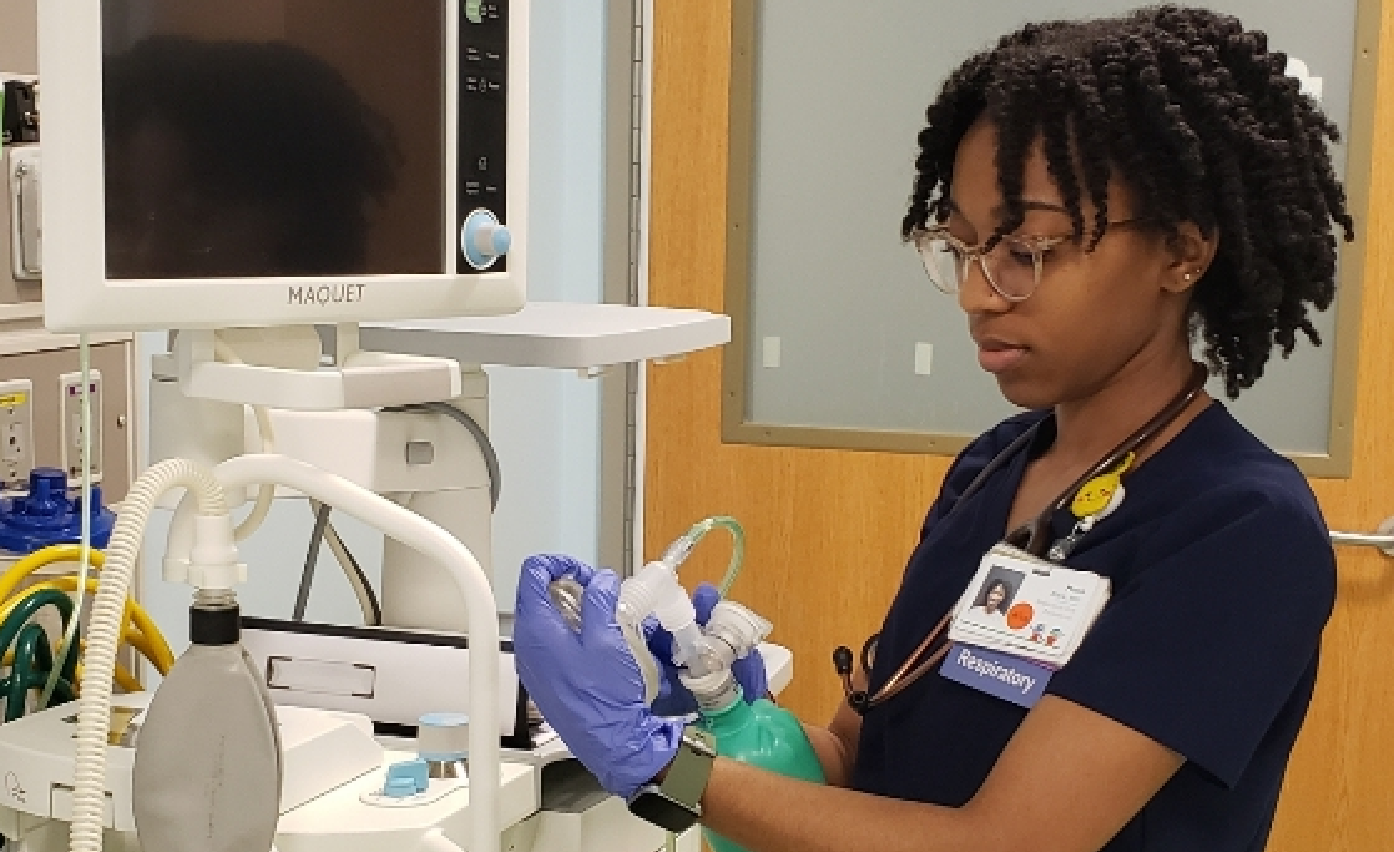
A defining feature of the Weber State experience is the emphasis on high-fidelity clinical simulation. The university operates advanced simulation labs that replicate hospital environments, including emergency rooms and intensive care units. These labs allow students to practice life-saving techniques—such as intubation, arterial blood gas sampling, and ventilation management—in a controlled setting before encountering actual patients.
Clinical Rotations
The clinical training component is integrated throughout the program. Weber State maintains partnerships with major healthcare systems across the Intermountain West. These rotations are not merely observational; students act as student therapists, rotating through various departments including:
- Adult Critical Care: Management of ventilators and hemodynamic monitoring.
- Neonatal and Pediatric Care: Specialized interventions for infants and children with respiratory distress.
- Pulmonary Rehabilitation: Long-term management of patients with chronic diseases like COPD.
- Diagnostic Labs: Performance of bronchoscopies and pulmonary function tests (PFTs).
Admission Requirements and Prerequisites
Entry into the WSU Respiratory Therapy program is competitive, requiring a dedicated application process. Applicants must first meet general university admission requirements before applying specifically to the health professions program.
- Prerequisite Coursework: Completion of foundational sciences including human anatomy, physiology, chemistry, and microbiology. Maintaining a specific GPA in these courses is typically required to ensure student success in the rigorous professional curriculum.
- Health Screening and Background Checks: Because students work in clinical environments, they must pass health screenings, including immunization verification and mandatory background checks.
- Application Cycles: The program adheres to specific application deadlines. Prospective students are encouraged to consult the Dumke College of Health Professions website annually to review the most recent application cycles and cohort start dates.
- Professionalism and Communication: Given the nature of healthcare, candidates are often evaluated on their ability to communicate effectively and display the emotional maturity required for stressful clinical settings.
Comparing Entry Points
To help prospective students determine the right path, the following table outlines the structural differences between the two primary degree options offered at Weber State.
| Feature | Associate of Applied Science (AAS) | Bachelor of Science (BS) |
|---|---|---|
| Primary Focus | Technical clinical competency | Clinical, research, and leadership |
| Typical Duration | 2 years (post-prerequisites) | 4 years (combined) |
| Career Goal | Staff Respiratory Therapist | Management, Education, Specialized Care |
| Credentialing | RRT (Registered Respiratory Therapist) | RRT and advanced clinical training |
| Flexibility | Rigid schedule due to labs | Increased elective options |
Career Outlook and Professional Development
Graduates of the Weber State program enter a workforce with significant demand. With the aging population and the increasing prevalence of chronic respiratory diseases, the Bureau of Labor Statistics continues to project favorable growth for the respiratory care field. Weber State’s strong reputation in the healthcare industry often provides graduates with an edge during the hiring process.
Professional development does not end at graduation. Weber State emphasizes the importance of continuing education. The program encourages graduates to pursue certifications beyond the basic RRT, such as:
- Neonatal/Pediatric Specialist (NPS)
- Adult Critical Care Specialty (ACCS)
- Sleep Disorders Testing and Therapeutic Intervention (SDS)
Common Challenges and How to Succeed
The transition into a clinical program like the one at Weber State can be demanding. Students often report that the sheer volume of material, combined with the stress of clinical rotations, is the primary hurdle.
- Time Management: Developing a rigorous study schedule early in the semester is essential. Students who treat their education like a full-time job are generally more successful.
- Clinical Integration: Do not wait until the final semester to start networking. Clinical rotations are an excellent opportunity to demonstrate professional competency to potential employers.
- Resource Utilization: Utilize the tutoring centers, peer study groups, and faculty office hours. Weber State provides extensive support services that many students fail to leverage fully.
Frequently Asked Questions (FAQ)
1. Is the Weber State Respiratory Therapy program accredited? Yes, the program is accredited by the Commission on Accreditation for Respiratory Care (CoARC). This ensures that the curriculum meets the national standards for quality education and prepares students for all necessary professional board exams.
2. Can I transfer credits from another institution? Weber State maintains a comprehensive transfer credit process. Students should work with a health professions advisor to evaluate existing transcripts, as science prerequisites often must meet specific currency requirements to be accepted.
3. What is the difference between an RRT and a CRT? An RRT (Registered Respiratory Therapist) is the advanced, professional-level credential awarded after passing the national board exams. A CRT (Certified Respiratory Therapist) was a lower-level credential; however, modern clinical standards now overwhelmingly require the RRT credential for employment in most hospital settings.
4. How does the program support clinical placement? The university manages the clinical placement process, assigning students to approved partner hospitals and clinics. Students are provided with the necessary documentation and clinical site orientations to ensure they meet the specific requirements of each facility.
5. Does the program offer financial aid specifically for health professions? While general university financial aid applies, students should look for specialized scholarships offered through the Dumke College of Health Professions. These are often awarded based on academic merit and intent to serve in high-need rural or underserved areas.
Next Actions for Prospective Students
If you are considering a career in respiratory therapy, the next step is to schedule an appointment with an academic advisor within the Dumke College of Health Professions. Request a transcript evaluation to see how your current credits align with the program’s science prerequisites. Simultaneously, begin preparing for the entrance requirements by ensuring your vaccinations are up to date and reviewing the current application submission portal. Taking these proactive steps will ensure you are ready to meet the deadlines for the upcoming academic cycle.
Image Gallery