Gladiator II: The 2024 Sequel and the Legacy of the Roman Arena
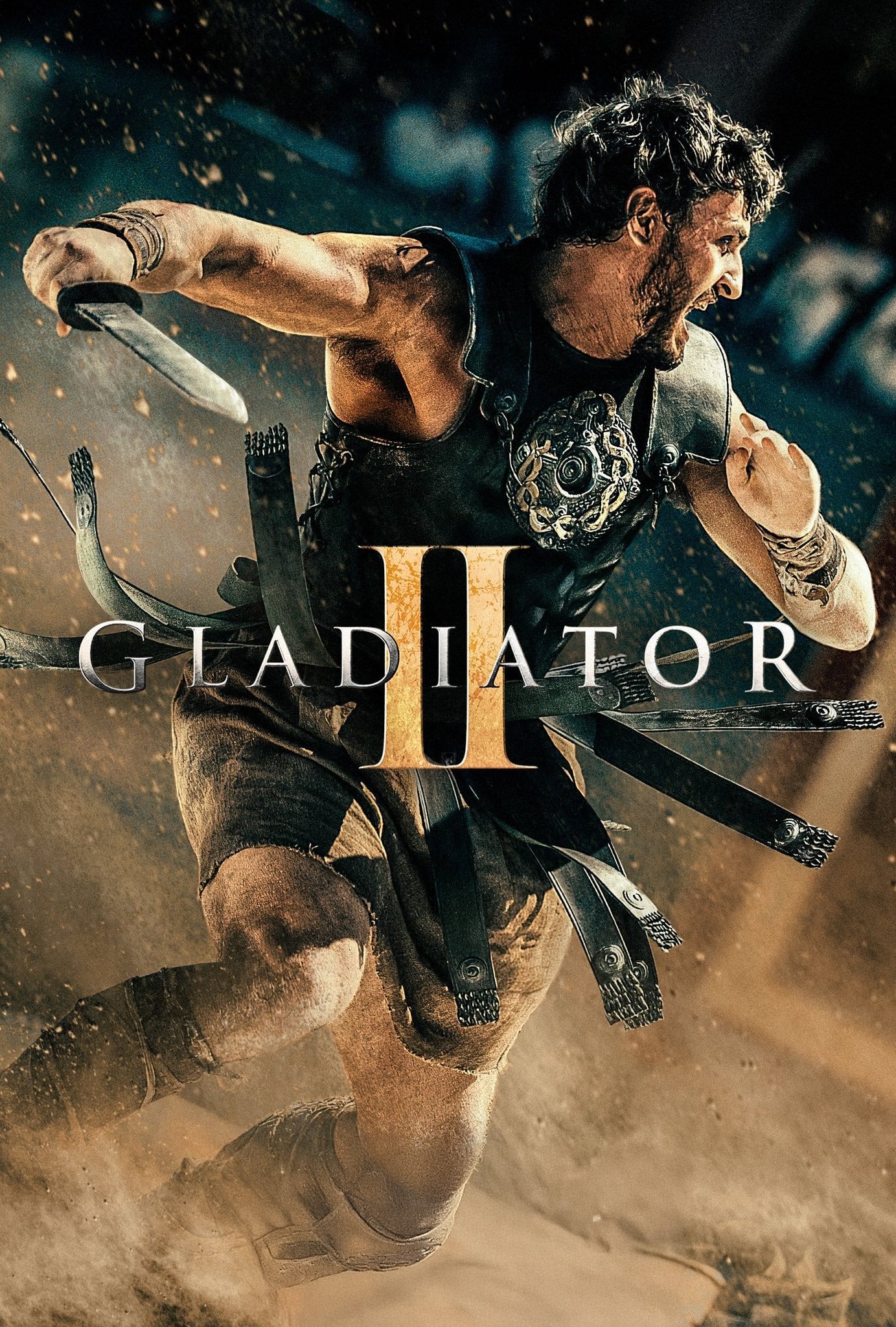
Gladiator II (2024), directed by Ridley Scott, serves as a narrative continuation of the 2000 epic Gladiator, focusing on Lucius Verus, the son of Lucilla, decades after the death of Maximus Decimus Meridius. Released theatrically in N...
Gladiator II (2024), directed by Ridley Scott, serves as a narrative continuation of the 2000 epic Gladiator, focusing on Lucius Verus, the son of Lucilla, decades after the death of Maximus Decimus Meridius. Released theatrically in November 2024, the film bridges the gap between historical drama and high-stakes blockbuster action, exploring the socio-political decay of Rome under the duumvirate of emperors Geta and Caracalla.
Contents
Narrative Context and Cinematic Evolution
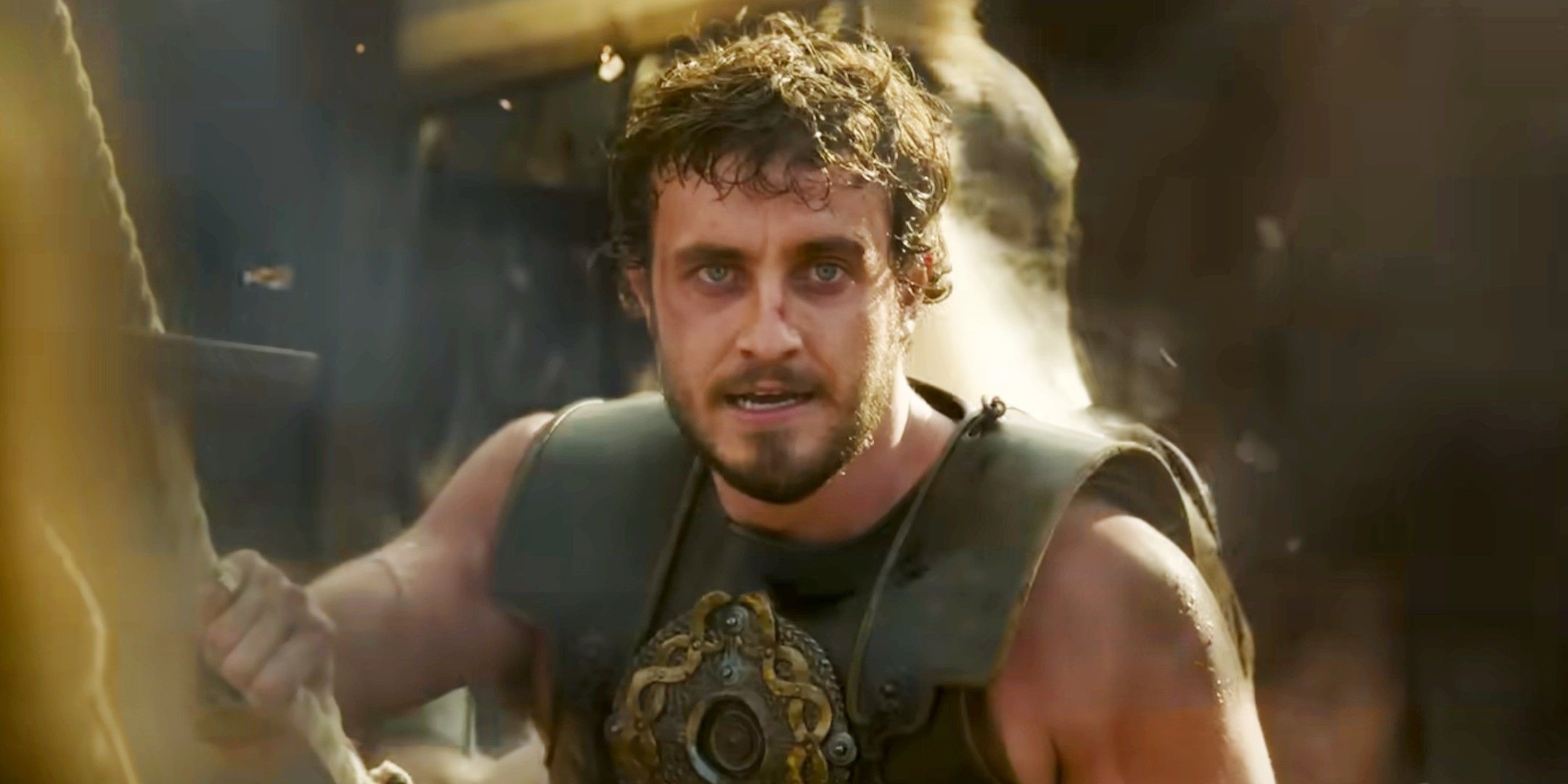
The transition from the original Gladiator to the 2024 sequel represents a significant shift in both storytelling perspective and technical production. While the original film centered on the displacement and vengeance of a Roman general, the sequel shifts its lens toward the next generation of leadership and the enduring influence of Maximus's sacrifice. Lucius, now a man living in the North African region of Numidia, finds his life upended by the return of the Roman legions, led by General Acacius.
The sequel operates within a fictionalized historical framework, much like its predecessor. By 2026, the film is analyzed not just as a standalone story but as a continuation of Ridley Scott’s signature visual language. The production design emphasizes the scale of the Colosseum and the claustrophobic brutality of naval combat simulations—the naumachia—which provide a distinct visual departure from the ground-based combat of the first film.
Technical Production and Visual Realism
The production of Gladiator II involved extensive use of practical sets and on-location filming in Malta and Morocco, designed to recreate the scale of ancient Rome. For audiences evaluating the film’s technical merit, the most notable aspect is the evolution of digital set extension and practical effects coordination.
The film utilizes a mix of traditional stunt choreography and advanced visual effects to maintain the visceral quality of the original. The depiction of the Colosseum in the 2024 sequel is notably more expansive, incorporating verticality that allows for complex crowd dynamics and diverse arena configurations. This technical shift ensures that the sequel feels like a modern iteration of the "sword and sandal" genre, adhering to the pacing and visual standards expected in 2026 cinema while honoring the aesthetic roots of the 2000 original.
Historical Context and Creative Liberties
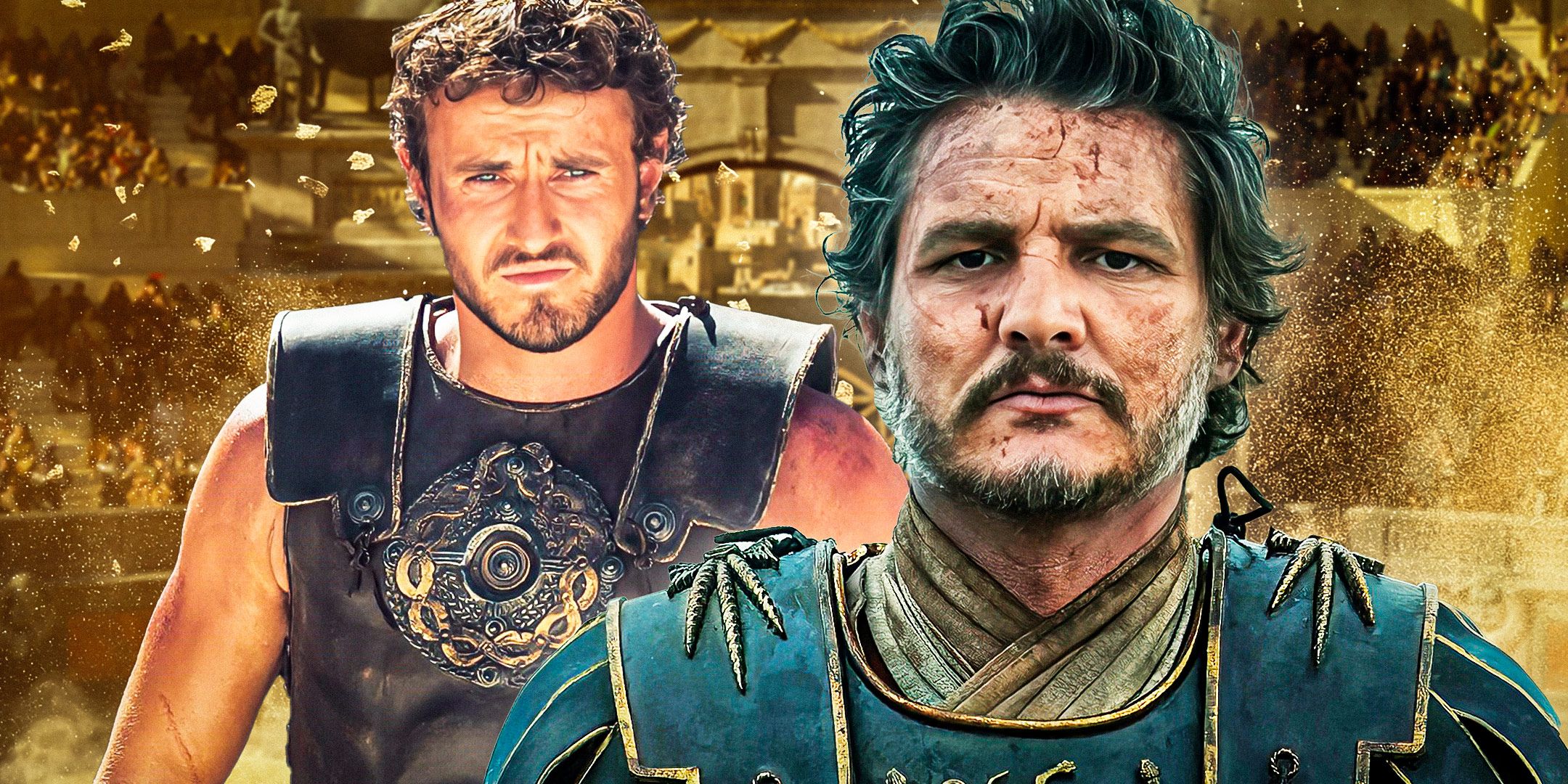
While Gladiator II is categorized as an epic historical drama, it is essential to distinguish between the film’s narrative arcs and the historical realities of the Severan dynasty. The film features the co-emperors Geta and Caracalla, who were indeed historical figures, yet their depiction in the film is heavily stylized for the purpose of cinematic antagonism.
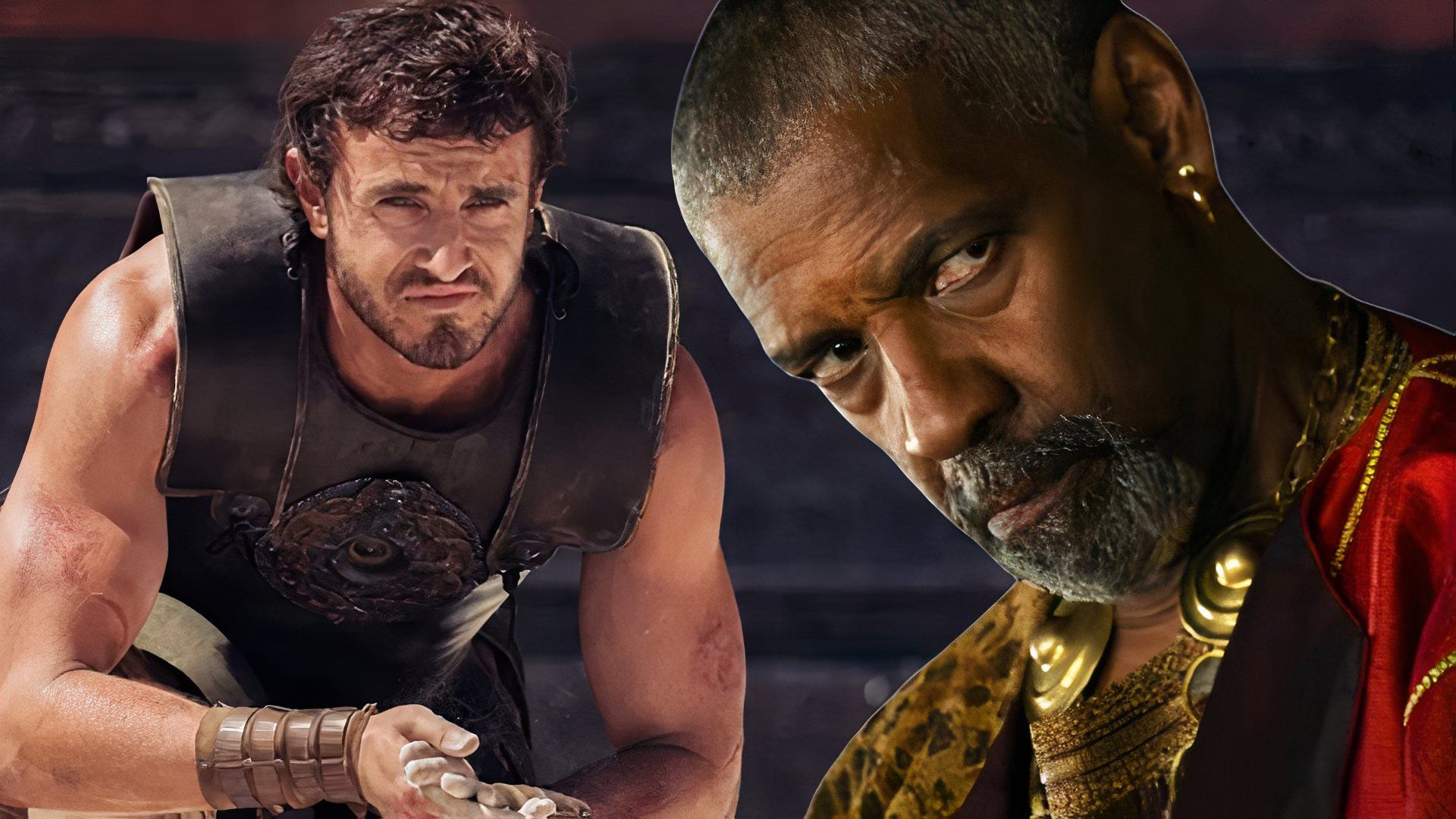
In history, the two brothers shared a volatile relationship following the death of their father, Septimius Severus. The film uses this historical tension as a backdrop for the political instability that allows the character of Macrinus—a power broker and gladiator owner—to rise in influence. Viewers seeking a literal historical account will find the film departs significantly from the timeline of the Roman Empire, prioritizing thematic continuity with the first film over academic accuracy.
Comparative Analysis: Gladiator and Gladiator II
| Feature | Gladiator (2000) | Gladiator II (2024) |
|---|---|---|
| Primary Protagonist | Maximus Decimus Meridius | Lucius Verus |
| Antagonistic Force | Commodus | Geta and Caracalla / Macrinus |
| Central Setting | Rome / The Colosseum | Rome / Numidia / The Colosseum |
| Director | Ridley Scott | Ridley Scott |
| Primary Conflict | Betrayal of a General | Survival and Legacy of an Heir |
| Technological Focus | Practical Combat / Realism | Large-scale Practical Sets / Enhanced VFX |
Access and Viewing Options
As of 2026, Gladiator II is widely available through various digital platforms and physical media. Understanding the best way to view the film depends on the reader's technical requirements and available hardware.
- Digital Streaming: Most major subscription services offer the film in 4K UHD with HDR (High Dynamic Range) support. For the most immersive experience, ensure your display device supports Dolby Vision or HDR10+.
- Physical Media: The 4K Blu-ray release remains the preferred choice for enthusiasts due to higher bitrate audio (typically Dolby Atmos) and video, which preserves the film’s intentional grain and lighting nuances that streaming compression often degrades.
- Hardware Considerations: To truly replicate the theater experience, a soundbar or dedicated home theater receiver with a 5.1 or 7.1 channel speaker configuration is recommended to properly convey the film’s expansive orchestral score and the chaotic soundscape of the arena.
Frequently Asked Questions
Is it necessary to watch the 2000 film before viewing Gladiator II? While Gladiator II functions as a standalone epic, watching the 2000 film is highly recommended. The emotional stakes of the sequel, particularly regarding the legacy of Maximus and the motivations of the character Lucilla, are deeply rooted in the events and character dynamics established in the first film.
How historically accurate is the depiction of the emperors in the 2024 sequel? The film is a dramatic interpretation rather than a documentary. While Geta and Caracalla were historical co-emperors, the film’s depiction of their personalities, their court, and the events surrounding their rule is significantly fictionalized for dramatic pacing and thematic resonance.
What is the significance of the Naumachia in the film? The naumachia refers to the staging of mock naval battles in flooded arenas. The film uses these sequences to showcase the decadence of the Roman Empire and the extremes to which the emperors would go to entertain the Roman populace, contrasting with the more traditional gladiatorial combat seen in the first film.
Is Gladiator II suitable for all ages? Gladiator II is rated for mature audiences. It contains intense sequences of graphic violence, combat, and thematic material consistent with the tone of the original film. Parental guidance is advised.
Where was the film primarily shot? The film utilized extensive sets constructed in Malta, which allowed the production to recreate large sections of the Roman Forum and the interior of the Colosseum, complemented by location work in Morocco to establish the North African settings.
Strategic Recommendation
To gain the most from Gladiator II, approach it as a thematic successor rather than a strict historical continuation. Focus on the production design and the evolution of the gladiator archetype—how the role has shifted from a tool of the state to a potential catalyst for political change. For the best visual experience, view the film on a high-refresh-rate 4K display in a darkened environment to appreciate the high-contrast lighting and complex color grading utilized by Ridley Scott’s cinematography team.
Image Gallery