San Francisco Escape Room Theme Comparison: Choosing Your 2026 Experience
San Francisco offers a diverse landscape of escape rooms, ranging from high-immersion narrative-driven quests to logic-heavy puzzle chambers. Choosing the right experience for 2026 requires balancing group technical skill, preferred na...
San Francisco offers a diverse landscape of escape rooms, ranging from high-immersion narrative-driven quests to logic-heavy puzzle chambers. Choosing the right experience for 2026 requires balancing group technical skill, preferred narrative themes—such as noir detective mysteries, historical heists, or psychological horror—and the specific level of mechanical interaction required within the facility.
Contents
Navigating the San Francisco Escape Room Landscape
The San Francisco metropolitan area hosts a concentrated density of boutique and franchise-based escape room providers, primarily clustered in the SoMa, Fisherman’s Wharf, and Financial District neighborhoods. In 2026, the industry has shifted away from simple padlock-and-key puzzles toward sophisticated sensor-based automation and non-linear narrative arcs.
When evaluating themes, players must distinguish between "Generation 1" rooms, which rely heavily on physical locks and numerical codes, and "Generation 3" rooms, which utilize hidden actuators, RFID triggers, and integrated digital storytelling. Selecting the right theme depends on whether your team prioritizes collaborative problem-solving, cinematic atmosphere, or high-octane physical activity.
Analytical Comparison of Popular Escape Room Themes
Selecting a theme involves assessing the "Room Flow," which refers to how puzzles are sequenced. Linear rooms require groups to solve tasks in a specific order, whereas non-linear rooms allow multiple players to work on disparate puzzles simultaneously.
| Theme Category | Technical Depth | Primary Mechanic | Ideal Group Profile |
|---|---|---|---|
| Historical Heist | Moderate | Pattern Matching | High-cooperation groups |
| Psychological Horror | High | Sensory Disruption | Experienced, calm under pressure |
| Sci-Fi/Tech Lab | Very High | Logic & Sequencing | Engineering/STEM-focused groups |
| Noir Mystery | Moderate | Deduction & Inquiry | Story-focused, narrative fans |
| Adventure/Quest | Low-Moderate | Physical Manipulation | Mixed skill levels, beginners |
Historical and Heist Narratives
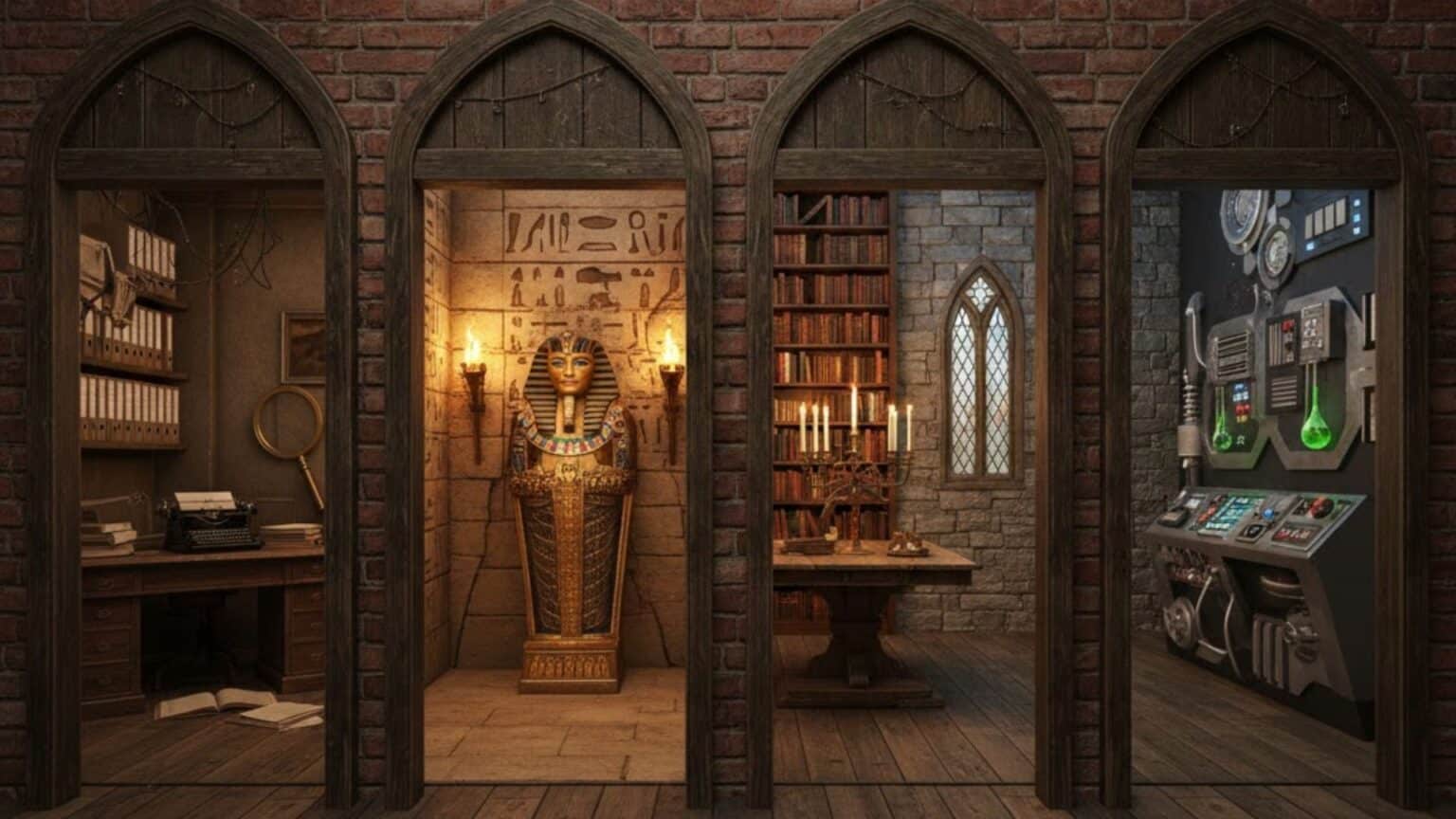
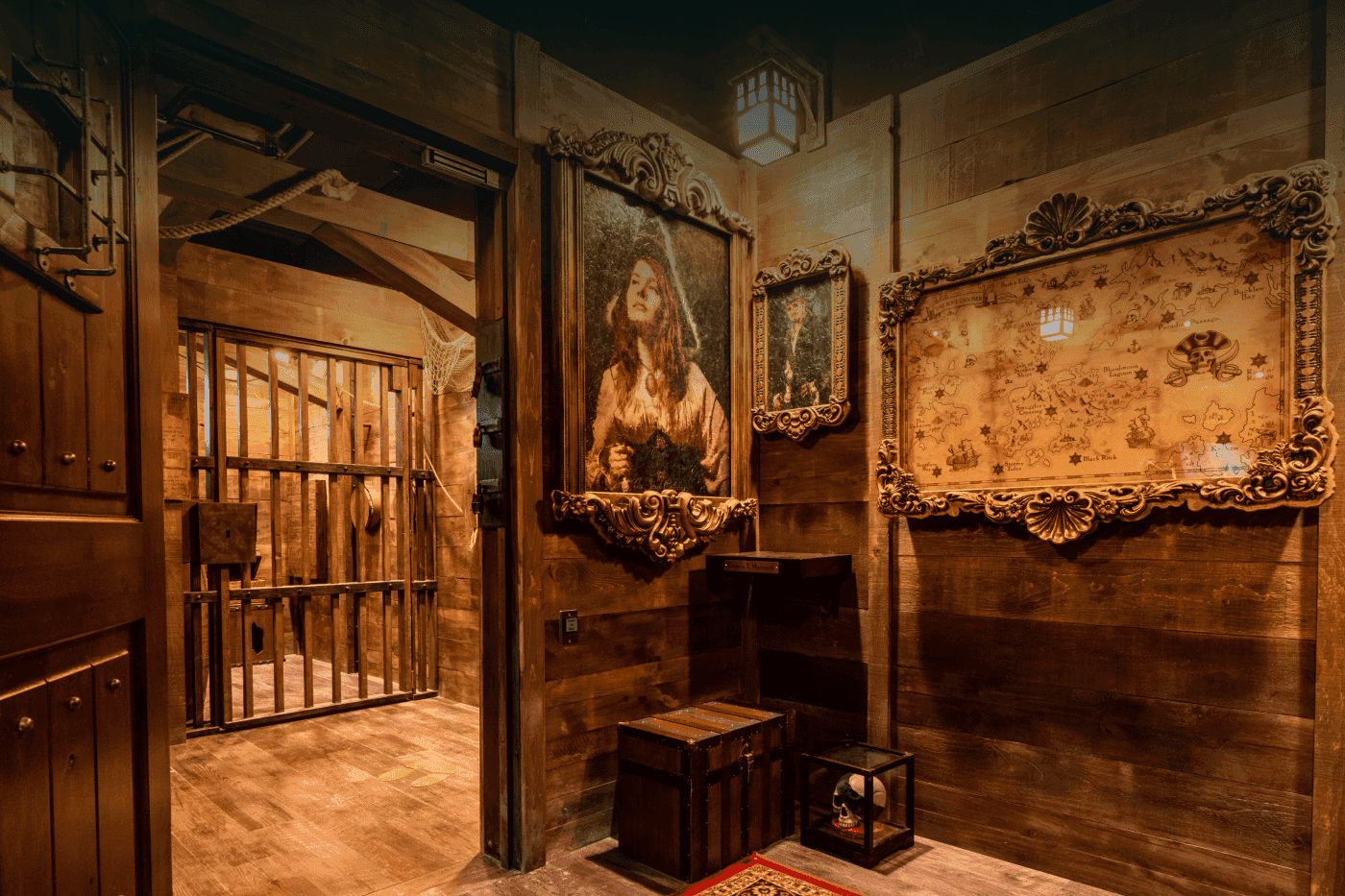
These themes remain the most popular in the San Francisco market for corporate team-building events. These rooms typically feature high-fidelity set design meant to replicate specific eras—often the 1920s or mid-century San Francisco. The success rate in these rooms is generally higher because the puzzle logic follows intuitive historical tropes, making them the safest choice for first-time players.
Psychological and Immersive Horror
Horror-themed rooms in the city have evolved significantly by 2026. Modern designs now incorporate wearable haptic technology and proximity-based sound triggers. Unlike standard rooms, these experiences often involve "actor-in-the-room" dynamics. If you choose this category, verify the facility's safety protocols regarding physical contact, which remains strictly prohibited in all licensed SF-based entertainment venues.
Sci-Fi and Technical Laboratory Themes
These rooms are designed for enthusiasts who enjoy complex logical frameworks. Expect puzzles involving circuit building, laser redirection, or advanced cryptographic ciphers. These are generally the most difficult rooms in the city and often require a minimum of four participants to manage the high volume of simultaneous tasks required to "escape" within the 60-minute industry-standard window.
Critical Selection Criteria for 2026 Players
Before booking, you must evaluate the operational standards of the venue. The San Francisco entertainment market is highly competitive, and facilities that fail to maintain their props or update their software reach "end-of-life" status quickly.
- Generation Level: Always confirm if the room has been updated since 2024. Older rooms often suffer from "puzzle fatigue" where sensors may trigger inconsistently.
- Narrative Integration: Assess whether the theme is "pasted on" or "fully integrated." A high-quality room uses the narrative to justify the existence of every puzzle. If a puzzle feels disconnected from the story, it is a sign of lower-tier design.
- Group Size Optimization: Every room has a "sweet spot" for headcount. A room designed for 6 people will feel chaotic with 10 and empty with 2. Always check the official capacity vs. the recommended optimal group size.
Operational Standard: The 60-Minute Benchmark
In 2026, the industry standard for an escape room experience in San Francisco remains a 60-minute active gameplay window. Facilities that offer significantly longer sessions (90-120 minutes) typically categorize these as "multi-room" experiences, which involve traversing between different physical spaces. Ensure your group is prepared for sustained cognitive effort, as high-difficulty rooms in the city do not typically allow for mid-game breaks without disqualification from leaderboard status.
Addressing Common Player Concerns
Do I need to be tech-savvy to enjoy a sci-fi room?
While these rooms use advanced hardware, they are designed to be intuitive. You do not need formal programming or engineering skills, but you do need an aptitude for identifying cause-and-effect relationships within the environment.
Are horror rooms accessible for everyone?
Most horror-themed rooms in San Francisco offer a "low-intensity" mode. If your group includes members who are uncomfortable with jump scares or darkness, contact the venue at least 48 hours in advance to request a "lights-on" or "no-actor" configuration.
How are leaderboard rankings calculated?
Rankings in 2026 are determined by "Time Remaining" plus "Clues Used." A team that finishes in 40 minutes with zero clues is objectively ranked higher than a team that finishes in 30 minutes with five clues. Strategy dictates that you should exhaust your own internal group logic before requesting a hint from the game master.
Can I book a room for a large corporate party?
Most downtown San Francisco facilities can accommodate groups of 20 to 50 people by splitting them across multiple concurrent rooms with the same or similar themes. It is highly recommended to book these events at least three weeks in advance to ensure slot availability.
Strategic Recommendations for Your Booking
To ensure the best experience, prioritize venues that explicitly detail their maintenance schedules. For groups consisting of a mix of skill levels, prioritize "Heist" or "Mystery" themes over "Tech Lab" themes. If you are a veteran player seeking a challenge, specifically search for "High-Difficulty" or "Non-Linear" labels on booking sites. Always aim to arrive 15 minutes early to complete the mandatory safety briefing, as late arrivals may result in a truncated gameplay experience, preventing your team from reaching the final puzzle sequence.
Image Gallery