Understanding the Right to Name Your Beneficiary in Life Insurance
The right to name a beneficiary in life insurance is a fundamental contractual power that allows policyholders to designate the specific individuals or entities who will receive the death benefit proceeds. By exercising this right, pol...
The right to name a beneficiary in life insurance is a fundamental contractual power that allows policyholders to designate the specific individuals or entities who will receive the death benefit proceeds. By exercising this right, policyowners ensure their assets are distributed according to their personal wishes, bypassing the probate process and providing direct financial support to their chosen recipients upon their death.
Contents
The Legal Framework of Beneficiary Designation
When you purchase a life insurance policy, you enter into a legal contract with an insurance carrier. One of the most significant features of this contract is the ability to control the disposition of the policy's proceeds. The right to name a beneficiary is rooted in contract law, which generally supersedes an individual’s Last Will and Testament regarding the disbursement of insurance funds.
Because life insurance is a non-probate asset, the money is paid directly to the designated beneficiary by the insurance company. This bypasses the executor of an estate, legal proceedings, and potential delays associated with settling a will. However, this power comes with responsibility. You must clearly identify the intended recipients to ensure the insurance carrier can process the claim without interpleader or legal disputes.
Types of Beneficiary Designations
Understanding how to structure your beneficiary designations is essential for effective estate planning. Most insurance policies offer two primary categories for beneficiaries:
Primary Beneficiary
The primary beneficiary is the first person or entity in line to receive the death benefit. If the primary beneficiary is alive and able to accept the funds at the time of the insured's death, they receive the full proceeds (or their designated percentage).
Contingent (Secondary) Beneficiary
A contingent beneficiary receives the death benefit only if all primary beneficiaries have predeceased the insured or are unable to claim the benefit. Naming a contingent beneficiary is a vital safeguard; without one, the proceeds may revert to the policyowner's estate, thereby becoming subject to probate and creditor claims.
Revocable vs. Irrevocable Designations
It is crucial to understand the distinction between revocable and irrevocable beneficiary designations, as this choice significantly impacts your control over the policy.
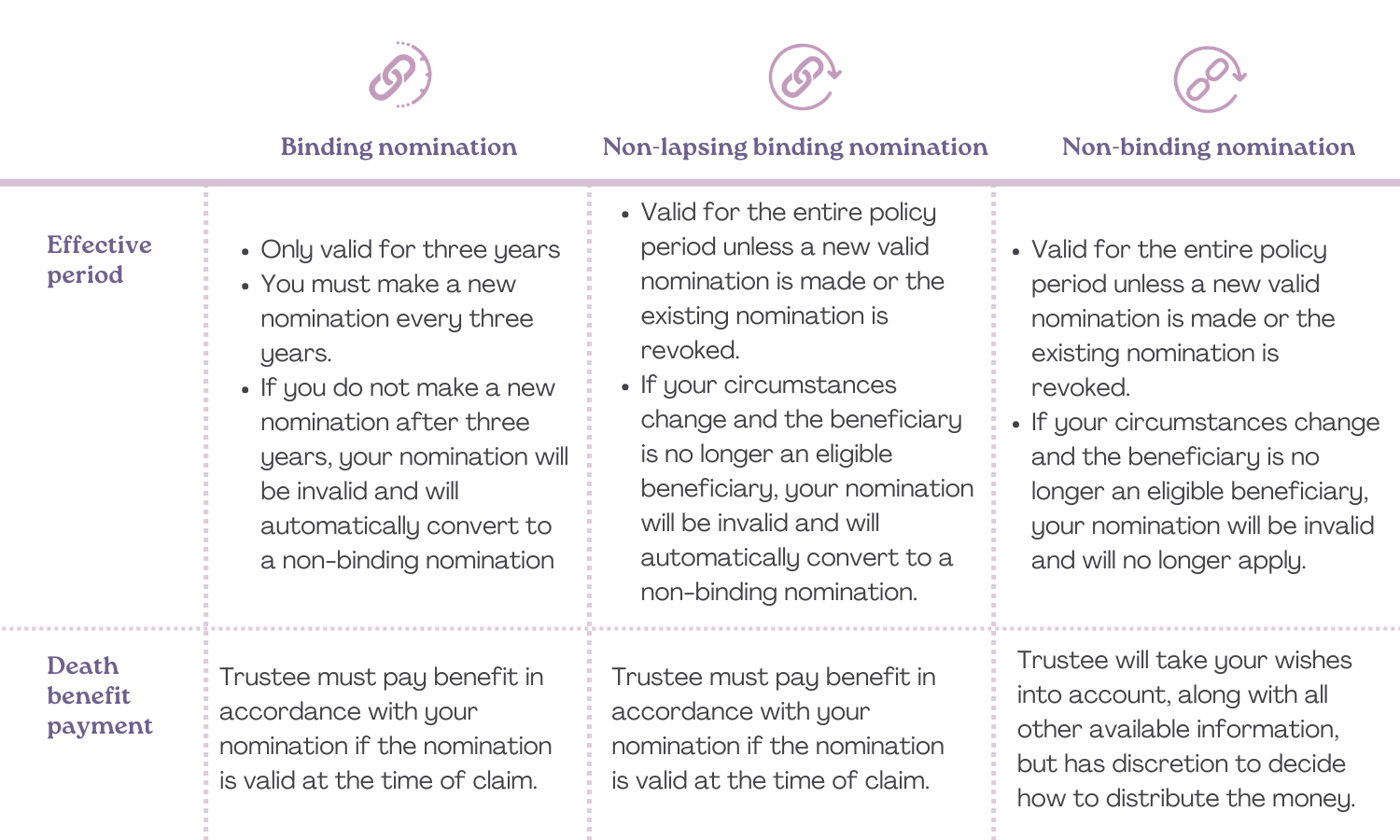
- Revocable Beneficiaries: In most cases, designations are revocable. This means the policyowner retains the right to change or remove beneficiaries at any time throughout the life of the policy without the need for their consent.
- Irrevocable Beneficiaries: An irrevocable designation grants the beneficiary a vested interest in the policy. You cannot change the beneficiary, borrow against the policy's cash value (in permanent life insurance), or surrender the policy without the explicit written consent of the irrevocable beneficiary. This is often used in divorce settlements or sophisticated tax planning strategies.
Comparison Table: Beneficiary Designation Considerations
| Consideration | Revocable Beneficiary | Irrevocable Beneficiary |
|---|---|---|
| Control | Full control to change at any time | No changes allowed without consent |
| Flexibility | High; adapts to life changes | Low; fixed agreement |
| Common Use | Standard personal planning | Divorce, tax, or business obligations |
| Asset Access | Policyowner can access cash value | Beneficiary consent often required |
Navigating Common Designee Scenarios
Naming an individual is straightforward, but other scenarios require more precise legal and technical language to avoid complications.
Naming Minors
Insurance companies typically will not pay a death benefit directly to a minor. If a minor is named, the court may be required to appoint a legal guardian to manage the funds until the child reaches the age of majority. A more efficient strategy often involves setting up a trust and naming the trust as the beneficiary. This allows a trustee to manage the funds according to the specific instructions provided in the trust document.
Naming a Trust
Naming a trust as a beneficiary is an effective way to manage how and when beneficiaries receive their inheritance. This is particularly useful for protecting assets from creditors, ensuring money is spent for specific purposes like education, or staggering distributions to keep a large payout from being misused.
Naming Multiple Beneficiaries
You may split the proceeds between multiple parties by designating percentages. It is imperative that these percentages add up to exactly 100%. If they do not, insurance carriers may face delays in verification, potentially requiring additional documentation to determine your true intent.
Periodic Review and Verification
The right to name your beneficiary is not a "set it and forget it" task. Life events such as marriage, divorce, birth of a child, the death of a beneficiary, or the acquisition of new assets should trigger a review of your policy.
In many jurisdictions, a divorce may automatically revoke a former spouse as a beneficiary, but relying on state law is risky. It is far safer to update the beneficiary designation form directly with the insurance carrier immediately following any major life change. Furthermore, if you lose your copy of the policy, you should request a current "Beneficiary Confirmation" from your insurance agent or the company's customer service department to ensure the records on file match your current intentions.
Common Mistakes to Avoid
- Omitting Contingent Beneficiaries: As noted, this can lead to the proceeds falling into the estate, causing unnecessary probate costs and exposure to estate taxes.
- Using Vague Language: Avoid using phrases like "my children" without specific identifying information. Using full legal names, dates of birth, and Social Security numbers helps the insurer verify the identity of the recipient and prevents delays in payout.
- Failing to Update After Divorce: Even if a divorce decree dictates that a former spouse is no longer entitled to the benefits, the insurance company is generally bound by the beneficiary form on file. If you fail to update that form, the former spouse could legally receive the funds.
- Naming the Estate as Beneficiary: While occasionally necessary, naming your estate as the beneficiary brings the death benefit into probate. This subjects the money to claims by the estate’s creditors and typically increases legal fees associated with settling the estate.
Professional Guidance and Limitations
While the process of naming a beneficiary is often as simple as completing a form, the implications—especially regarding trusts, estate taxes, and legal disputes—can be complex.
This information is provided for educational purposes and does not constitute legal or financial advice. Because beneficiary laws can vary significantly by state and country, you should consult with an estate planning attorney or a qualified financial advisor. They can help you integrate your life insurance beneficiary designations into your broader financial plan to ensure that your goals are met and your heirs are protected.
Frequently Asked Questions
Can I name my business as a beneficiary of my life insurance? Yes. Business owners often name a business partner or the business entity itself as a beneficiary. This is common in "key person" insurance or buy-sell agreements to provide the necessary liquidity to keep the business running or to purchase the interest of a deceased partner.
Does my will override my life insurance beneficiary designation? Generally, no. Life insurance proceeds are governed by the contract with the insurance company, not by the provisions of your will. The beneficiary named on the policy form is the person or entity who will receive the funds, regardless of what your will states.
What happens if all my named beneficiaries die before I do? If no surviving beneficiaries are named, the policy proceeds will typically be paid into your estate. Once in the estate, the funds will be distributed according to the instructions in your will or, if you have no will, by the laws of intestate succession in your jurisdiction.
Should I provide my beneficiary with a copy of the policy? While you are not required to do so, it is highly recommended. At the very least, your beneficiary should be aware that the policy exists, know the name of the insurance company, and know where to find the policy document. This significantly simplifies the claims process during an already difficult time.
Can I change my beneficiary designation online? Many modern insurance carriers provide secure web portals that allow you to update your beneficiary information electronically. If an online portal is not available, you must request a "Change of Beneficiary" form from the insurer, complete it, and return it to them to formally update your policy.
What is an interpleader? An interpleader is a legal action brought by an insurance company when there is a dispute regarding who is entitled to the death benefit. If you provide ambiguous or conflicting instructions, or if multiple parties claim a right to the money, the insurer may pay the funds into a court, which then decides who is the rightful recipient. This process is costly, slow, and often depletes the proceeds.
Image Gallery