Changes and Disagreements at Columbia University Commencement 2023: Key Policies, Controversies, and Impact
The 2023 Columbia University Commencement marked a pivotal transition as President Lee C. Bollinger delivered his final address after 21 years of leading the institution. The ceremony featured major logistical updates, strict security...
The 2023 Columbia University Commencement marked a pivotal transition as President Lee C. Bollinger delivered his final address after 21 years of leading the institution. The ceremony featured major logistical updates, strict security and ticketing limits, and visible student activism over campus labor disputes, resident advisor working conditions, and broader university governance, setting administrative precedents for future university events.
Contents
Operational and Logistical Changes to the 2023 Ceremonies
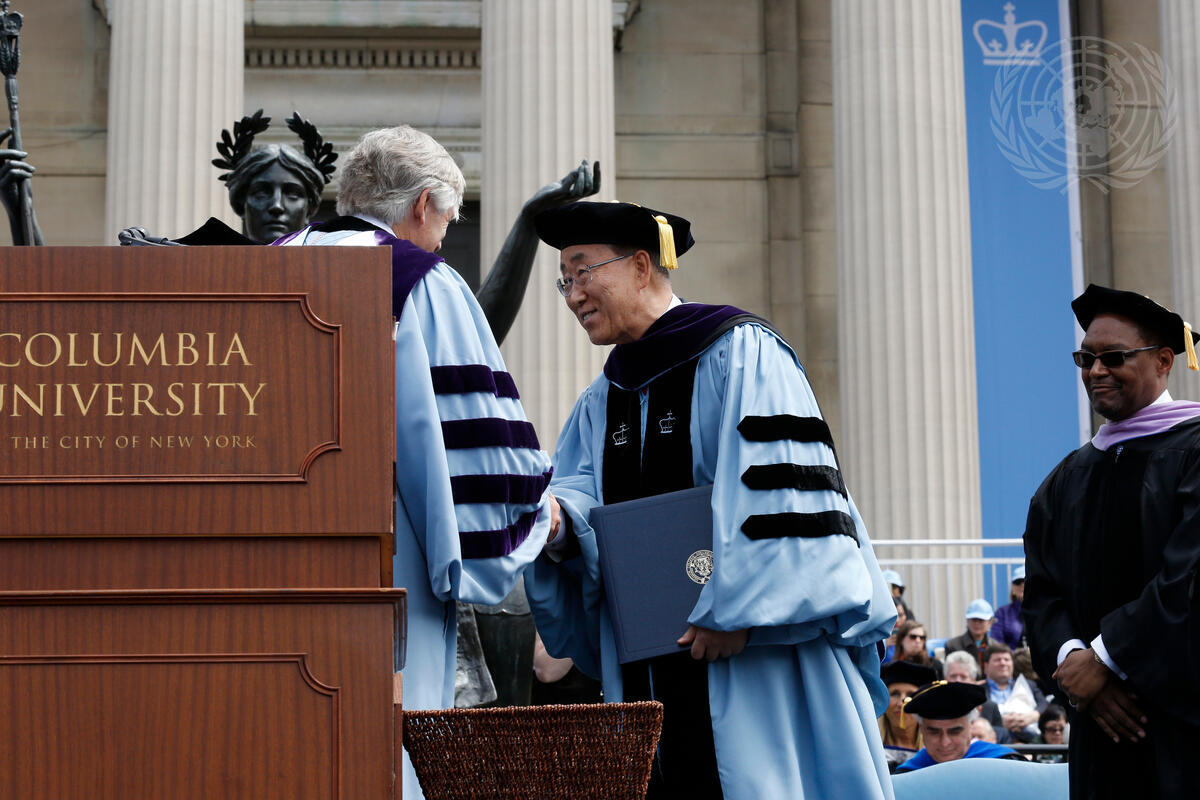
The 125th University-Wide Commencement at Columbia University, held on May 17, 2023, represented both a celebratory milestone and a significant operational shift for the Morningside Heights campus. Serving as the final commencement presided over by President Lee C. Bollinger prior to the tenure of President Sian Leah Beilock at Barnard and President Minouche Shafik at Columbia in July 2023, the event required extensive coordination across multiple academic schools and administrative departments.
Administrative leaders implemented structured operational changes to handle crowd volume, maintain campus security, and manage the flow of tens of thousands of visitors. Unlike mid-sized institutional graduations held in off-campus arenas, Columbia’s primary commencement relies on transforming the central outdoor plaza between Low Memorial Library and Butler Library into a temporary, high-density venue.
Ticketing Protocols and Entry Restrictions
To address physical safety constraints and space limitations on the South Lawn, Columbia Public Safety and the Office of University Events enforced updated ticketing and campus access requirements in May 2023:
- Strict Ticket Caps: Each graduating student was allocated a limited number of digital guest tickets (typically standard allotments of two to four tickets depending on individual school capacity), with non-transferable electronic barcoding.
- Perimeter Security Checks: Access to the Morningside campus was restricted exclusively to ticket holders and active university ID holders through designated gate checkpoints along 114th Street, 116th Street, and Amsterdam Avenue.
- Bag Inspection and Prohibited Items: Security personnel introduced expanded screening procedures at all access gates, enforcing bans on large bags, rigid signage, noise-making devices, and unapproved banners.
These measures aimed to prevent overcrowding, but they drew criticism from graduating students and families who felt the strict caps made it difficult to accommodate multi-generational families or international guests traveling long distances to New York City.
Morningside Campus Access Flow (May 2023)
- Outer Perimeter Checkpoints (114th & 116th St. Gates)
- University ID / Digital Guest Ticket Verification
- Bag Screening & Prohibited Item Removal
- Quadrangle Distribution
- Low Plaza (Faculty, Deans, & Doctoral Candidates)
- South Lawn (Undergraduate & Masters Degree Candidates)
- Auxiliary Viewing Locations
- Roone Arledge Auditorium (Overflow Digital Stream)
- Annenberg Auditorium & School Classrooms
Decentralization of School-Specific Ceremonies
While the main Commencement ceremony on May 17 brought all divisions together for the formal conferral of degrees, individual schools hosted independent "Class Day" and diploma ceremonies throughout the preceding week (May 12–16, 2023). This hybrid structure aimed to balance university-wide traditions with personalized recognition for graduates across major faculties, including Columbia College, the Fu Foundation School of Engineering and Applied Science (SEAS), the School of General Studies (GS), the School of International and Public Affairs (SIPA), Columbia Law School, and Columbia Business School.
Student Activism, Labor Disagreements, and On-Campus Demonstrations
The spring 2023 commencement season unfolded amid ongoing labor negotiations and campus activism. Rather than presenting a uniform, symbolic celebration, the ceremonies reflected broader debates over labor rights, student compensation, real estate expansion, and institutional political stances.
Resident Advisor Unionization and Strikes
One of the most immediate administrative disagreements during the May 2023 graduation period involved undergraduate Resident Advisors (RAs). Organized under the Columbia RA Union (associated with OPEIU Local 153), RAs staged demonstrations and labor actions during finals week and commencement prep over compensation frameworks, meal plan access, and workplace duties.
RAs highlighted that their stipend structures were calculated in ways that reduced financial aid awards for low-income students—a practice known as financial aid displacement. During commencement festivities, student union organizers and allies distributed flyers, wore protest buttons on academic regalia, and picketed near campus entry gates to inform visiting alumni and parents of their ongoing bargaining efforts with university leadership.
Student Workers of Columbia (SWC-UAW Local 2710) Demands
Disagreements regarding graduate student labor, teaching assistant workload limits, and timely healthcare reimbursements remained an active topic during the 2023 commencement cycle. Members of the Student Workers of Columbia (SWC-UAW Local 2710)—which had engaged in a historic strike during previous academic terms—maintained a visible presence across Morningside Heights.
Graduating doctoral and master's candidates used the visibility of commencement stage walks to express solidarity with labor bargaining units. Subtle expressions of dissent included:
- Wearing red union pins, stoles, or armbands over official academic regalia.
- Unfurling handheld banners on stage prior to shaking hands with department chairs and deans.
- Chanting or cheering during administrative addresses to bring attention to contract enforcement issues.
Community Expansion and Real Estate Debates
Beyond internal labor concerns, student coalitions—including groups affiliated with West Harlem community organizations—utilized graduation week to draw attention to Columbia’s ongoing physical expansion into the Manhattanville area. Demonstrators cited concerns regarding local housing affordability, institutional property tax exemptions, and university-community relations. These topics manifested in silent vigils and distribution of informational literature outside campus perimeters throughout the commencement weekend.
Key Speakers and School-Specific Class Day Highlights
Because the main Columbia University Commencement address is traditionally delivered by the sitting university president rather than an external keynote speaker, individual school Class Days serve as the primary platform for guest keynotes, alumni addresses, and honorary award presentations.
| Ceremony | Date (2023) | Primary Location | Featured Speakers / Key Notes | Central Themes & Disagreements |
|---|---|---|---|---|
| 125th Columbia Commencement | May 17, 2023 | Low Plaza / South Lawn | Lee C. Bollinger (President) | University legacy, free speech, affirmative action, and administrative transition. |
| Columbia College Class Day | May 16, 2023 | South Lawn | Katori Hall (Playwright, Alumna) | Artistic freedom, resilience, identity, and navigate structural institution challenges. |
| SEAS Class Day | May 15, 2023 | South Lawn | Maja Matarić (Roboticist, Alumna) | Ethical technology, AI deployment, and human-centric engineering design. |
| General Studies Class Day | May 15, 2023 | South Lawn | Lordes Escalante (Student Speaker) | Nontraditional student pathways, socioeconomic mobility, and institutional inclusion. |
| SIPA Graduation | May 14, 2023 | Roone Arledge / South Lawn | Samantha Power (USAID Administrator) | Global governance, democratic resilience, and human rights policy frameworks. |
| Columbia Law School | May 18, 2023 | Baker Athletics Complex | Jeh Johnson (Former DHS Secretary) | Rule of law, civil liberties, administrative ethics, and public sector responsibility. |
Preserving Free Speech Principles: Lee C. Bollinger’s Final Address
In his 21st and final Commencement address as university president, Lee C. Bollinger focused on the central themes of his academic career and legal scholarship: the First Amendment, academic freedom, and the constitutional defense of affirmative action in higher education.
Bollinger defended the university's constitutional advocacy before the Supreme Court regarding race-conscious admissions, while emphasizing that academic institutions must remain open arenas for ideological debate. His speech addressed the tension between institutional authority and student protest, asserting that robust disagreement is an inherent characteristic of university life rather than an operational failure.
Administrative Precedents and Operational Impact
The logistical adjustments, security protocols, and student demonstrations surrounding the May 2023 commencement created lasting administrative models for Columbia University's Division of Student Engagement, Office of Public Safety, and Event Management teams.
Operational Adjustments vs. Student Advocacy
- Digital Infrastructure and Verification: The adoption of synchronized digital ticket scanning reduced fraudulent ticket duplication, but created congestion at gate bottlenecks along Broadway and Amsterdam Avenue. Subsequent administrative evaluations recommended staggered arrival windows for guests.
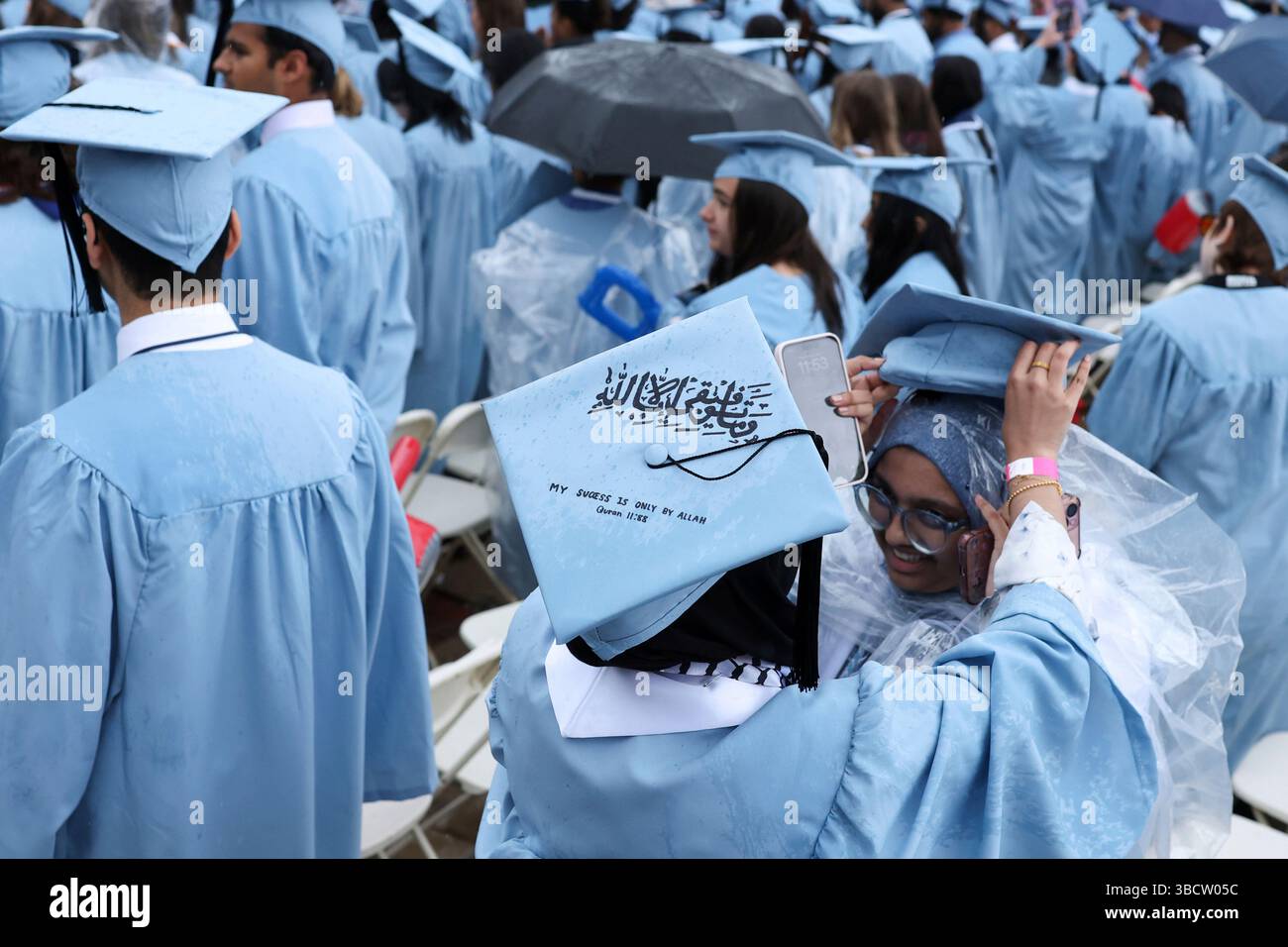
- Standardization of Regalia Guidelines: While official policies require standard university caps and gowns, administrators maintained a policy of restraint regarding personal decorations, armbands, and non-disruptive hand signs, avoiding physical confrontations on stage during degree conferrals.
- Dedicated Public Demonstration Areas: To reconcile security requirements with free expression guidelines, university planners designated specific public sidewalk zones outside perimeter gates for leafleting and peaceful demonstrations, keeping central procession pathways clear for graduating cohorts.
Frequently Asked Questions
What were the primary changes introduced at Columbia University's 2023 commencement?
The 2023 ceremonies introduced stricter digital ticketing systems, expanded entry perimeter checks across Morningside Heights, and adjusted guest capacity rules. Logistically, it marked the final university-wide commencement led by President Lee C. Bollinger, concluding his 21-year tenure.
Who gave the main address at Columbia University Commencement 2023?
In accordance with Columbia tradition, the main university-wide Commencement address was delivered by sitting University President Lee C. Bollinger. Guest keynote speakers spoke at individual school Class Day ceremonies, including playwright Katori Hall at Columbia College and USAID Administrator Samantha Power at SIPA.
Why were student groups protesting during Columbia's May 2023 graduation week?
Protests during the 2023 graduation period centered on student labor issues—specifically Resident Advisor (RA) union compensation and financial aid policies—alongside student worker union negotiations (SWC-UAW 2710) and campus real estate policies in West Harlem.
How did ticketing policies affect guests attending the May 2023 ceremonies?
Guests were required to present unique, non-transferable digital tickets paired with photo identification at specific perimeter gates. Ticket allocations were strictly capped per graduate to meet safety regulations, prompting concerns from students with larger families.
Did Columbia cancel any commencement ceremonies in May 2023?
No. All scheduled university-wide and school-specific Class Day ceremonies for the Class of 2023 took place as planned between May 12 and May 18, 2023, following standard schedules across the Morningside campus and auxiliary venues.
Strategic Guidance for Event Planners and University Attendees
Managing major university events requires balancing security requirements with community access and student expression. For administrative planners, student leaders, and guests preparing for high-density academic ceremonies, standard best practices include:
- Early Verification of Access Credentials: Graduates and guests should finalize digital ticketing registrations weeks prior to event dates to prevent system locks or entry delays at security checkpoints.
- Proactive Dialogue with Labor and Student Leadership: University event committees benefit from establishing clear operational guidelines for peaceful advocacy weeks before ceremonies, establishing designated areas for distribution of literature without obstructing entry points.
- Clear Contingency Planning for Venue Overflow: Implementing remote live-streaming spaces (such as climate-controlled auditoriums on campus) helps accommodate extended family members who cannot be seated on the main quadrangle due to strict ticket caps.
Image Gallery